Private tour: Southern Wonders of Armenia in 2 Days
Itinerary
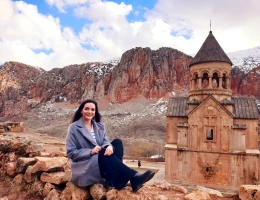
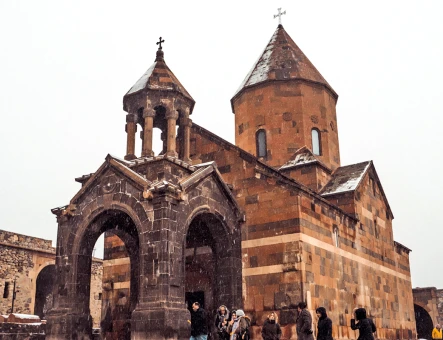
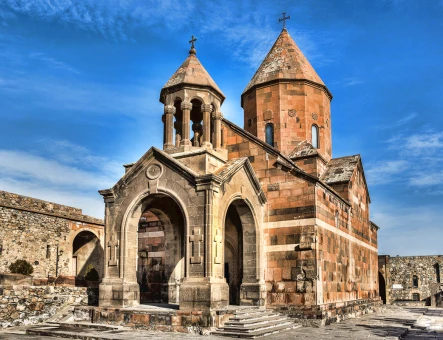
Khor Virap Monastery, Noravank Monastery, Karahunj (Zorats Karer) Observatory, Vorotnavank Monastery, Goris
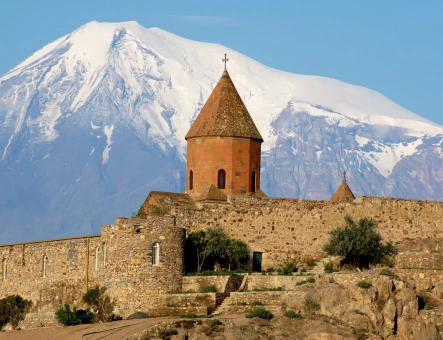
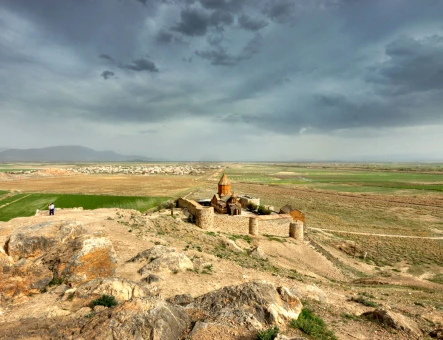
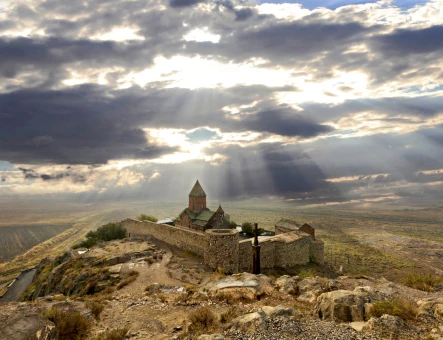
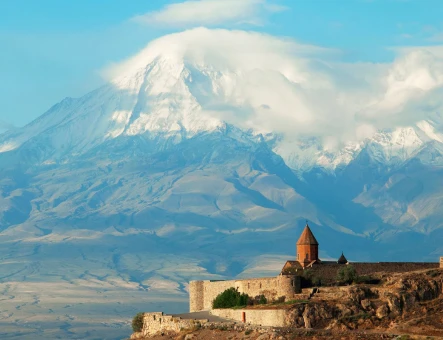
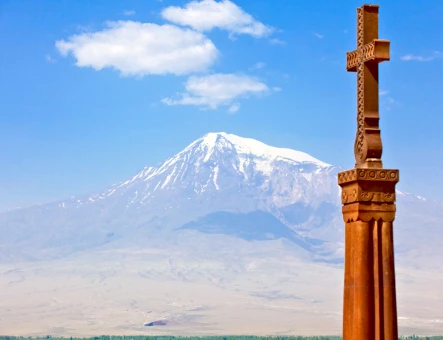
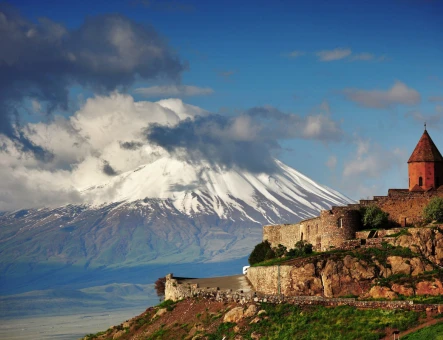
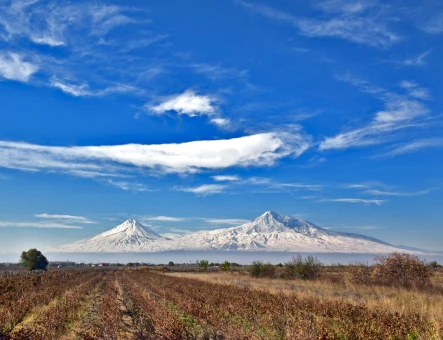
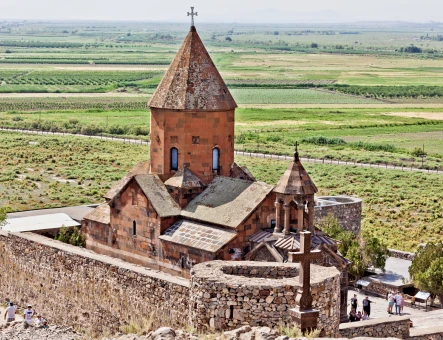
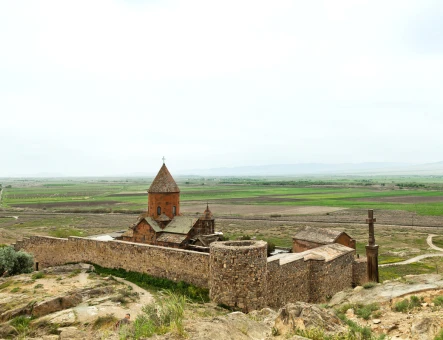
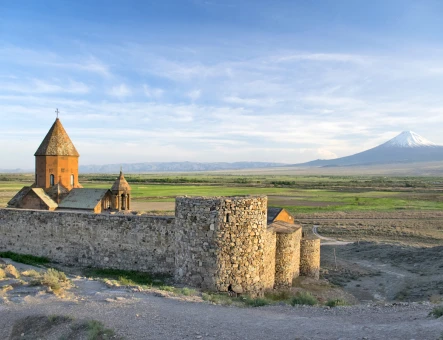
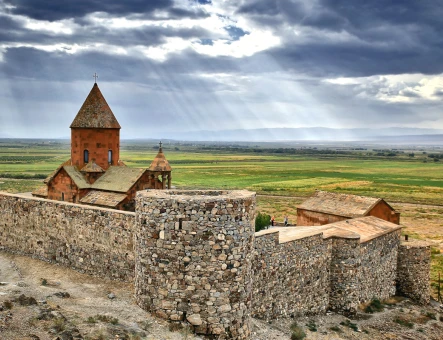
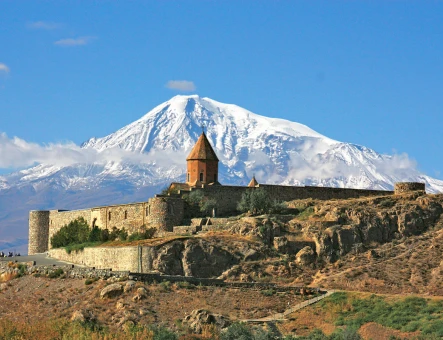
1. Khor Virap Monastery
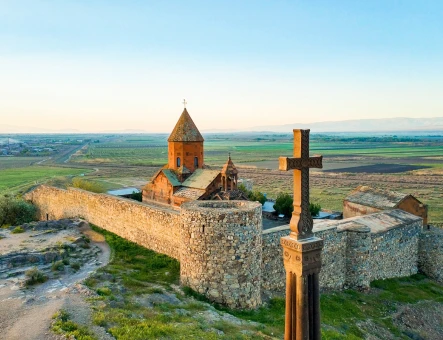
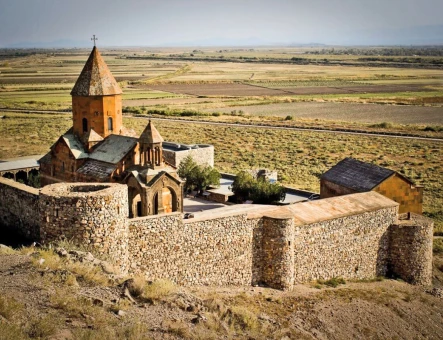
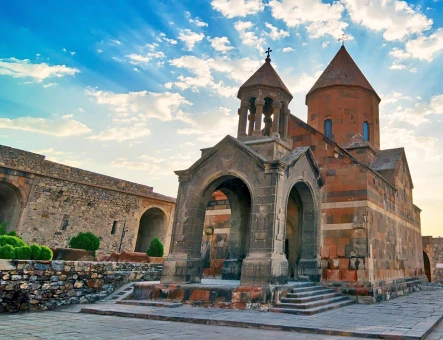
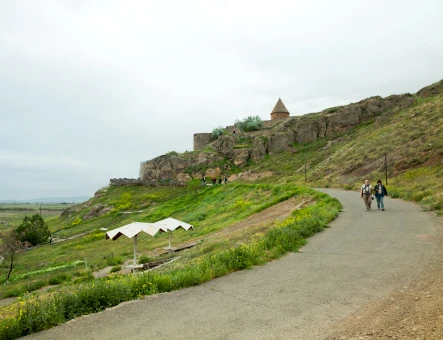
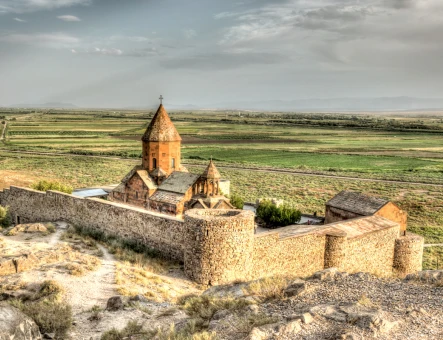
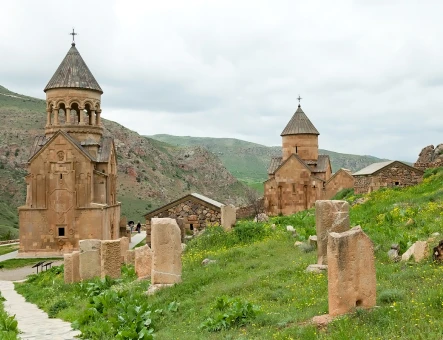
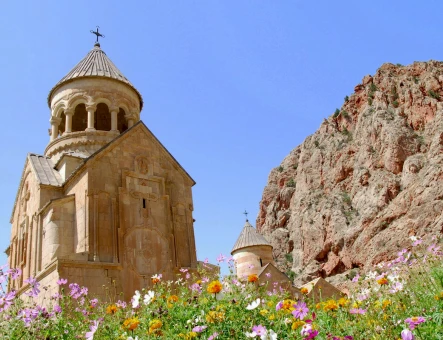
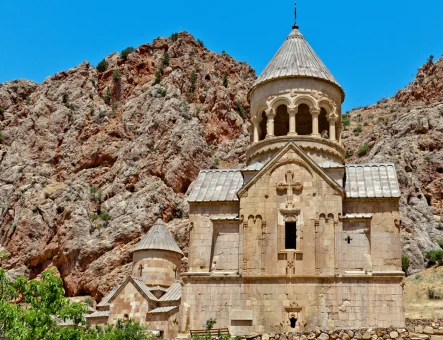
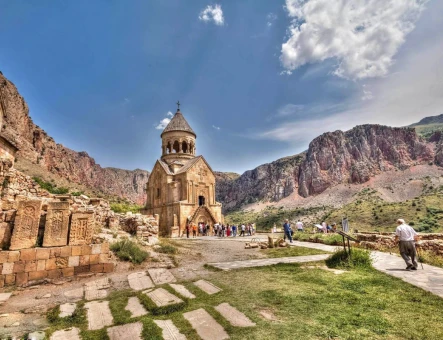
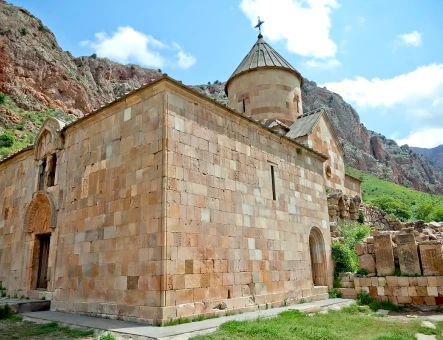
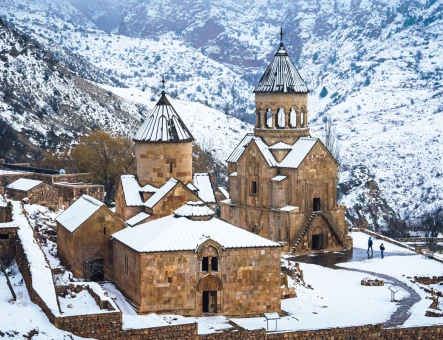
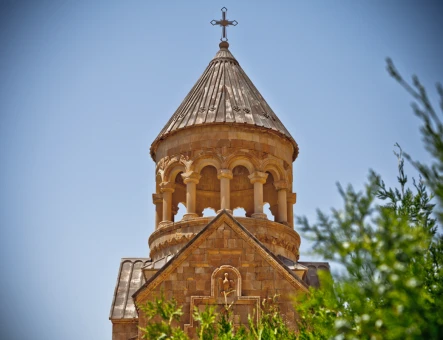
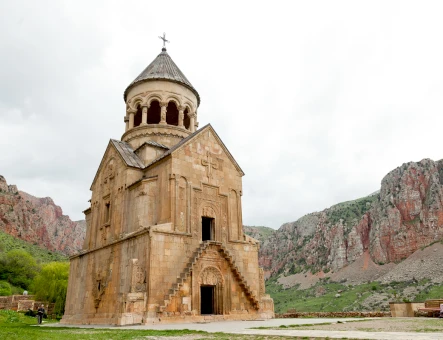
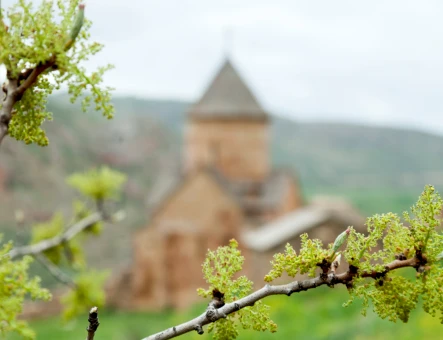
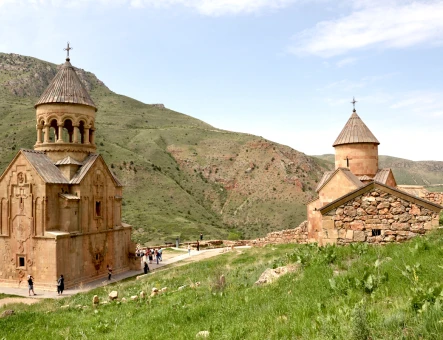
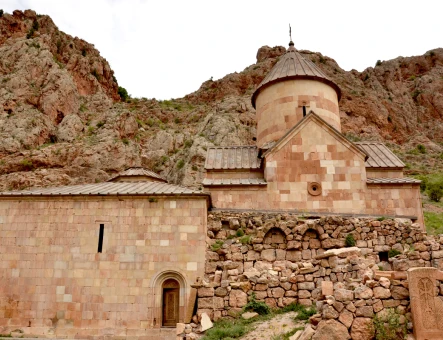
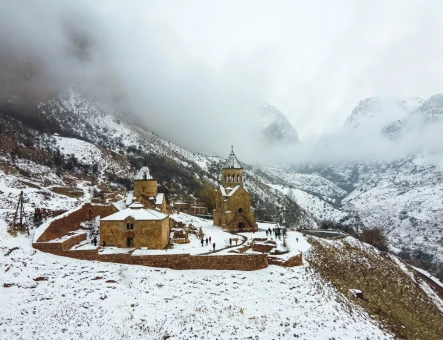
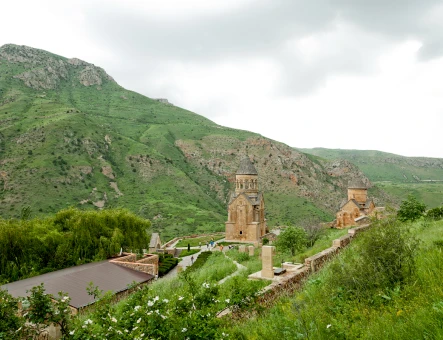
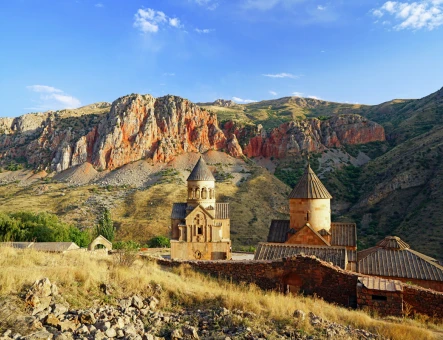
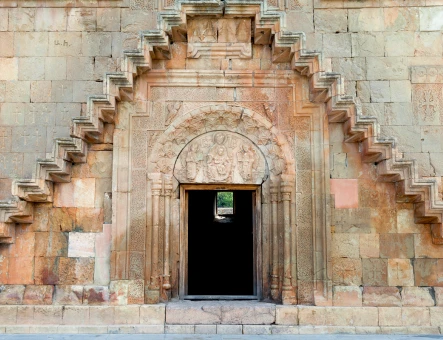
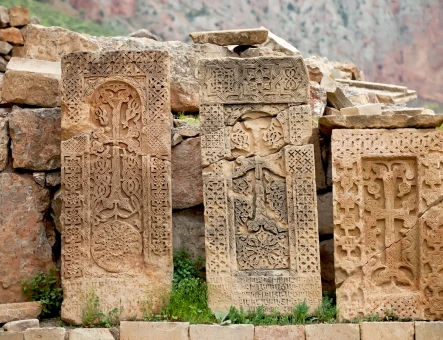
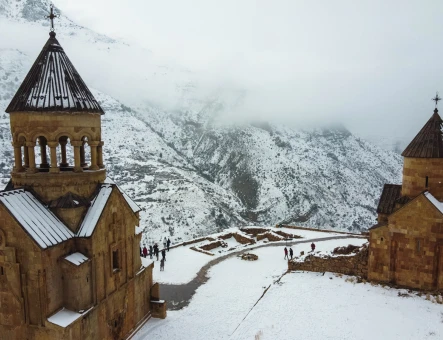
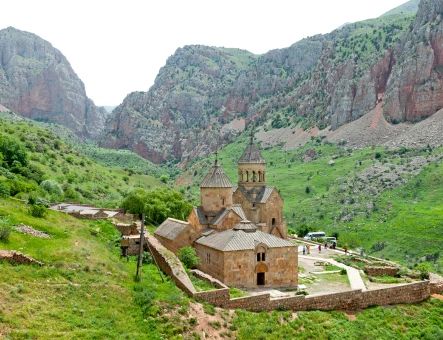
2. Noravank Monastery
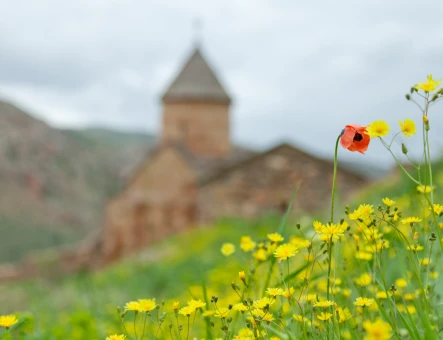
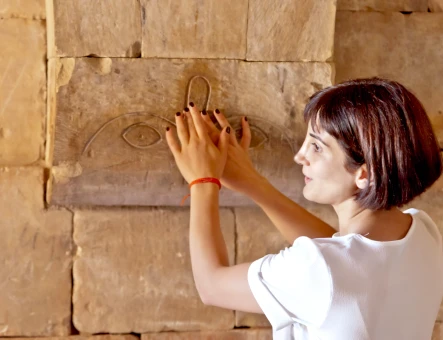
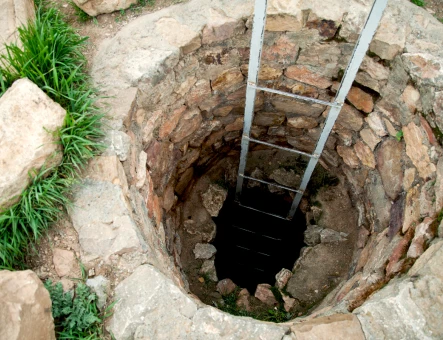
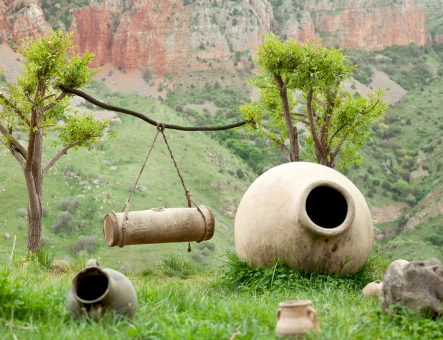
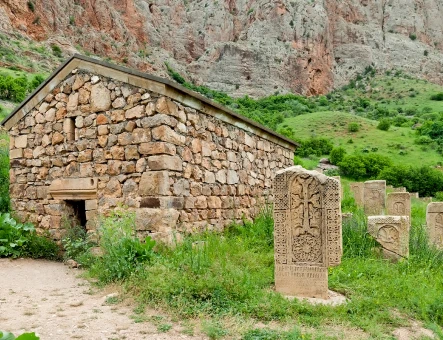
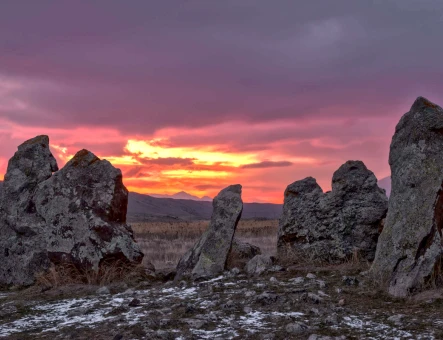
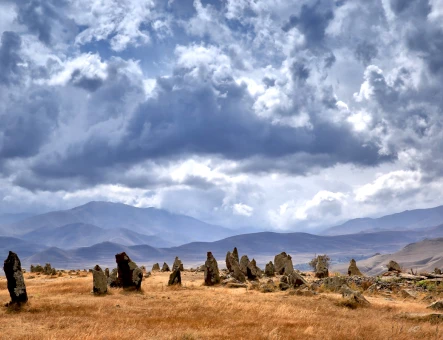
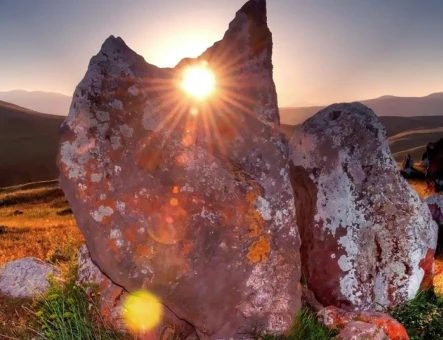
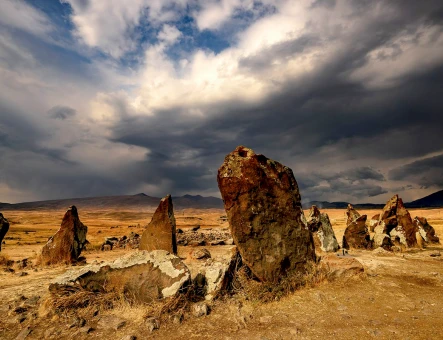
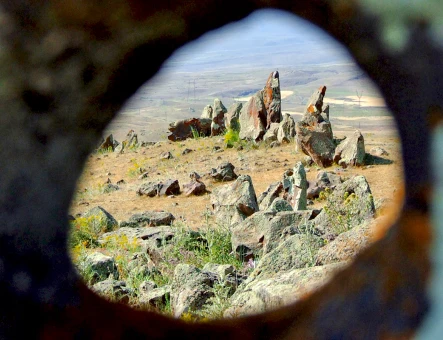
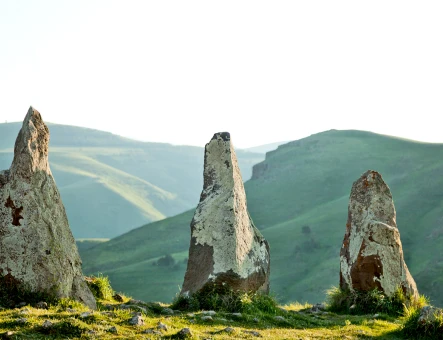
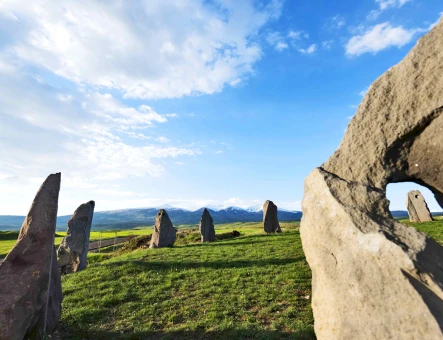
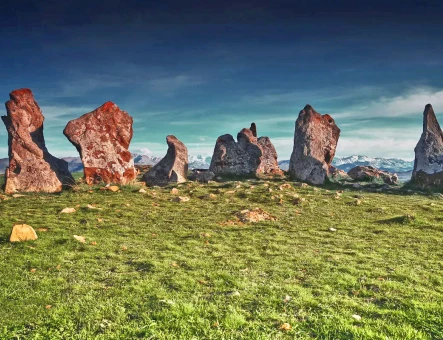
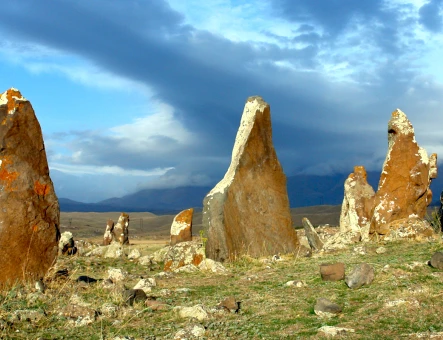
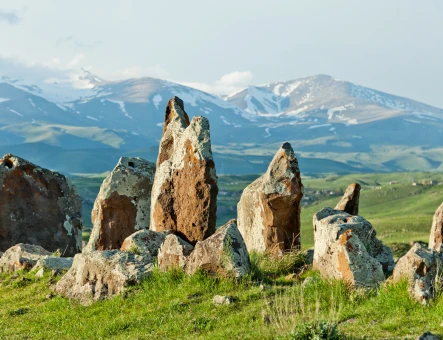
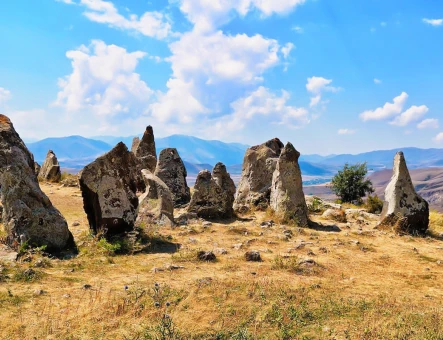
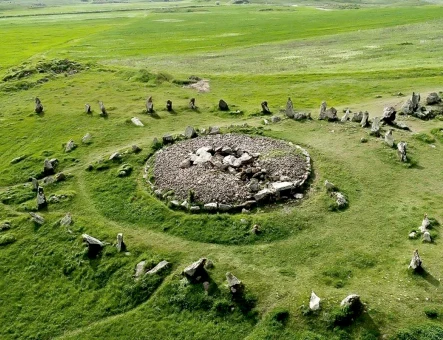
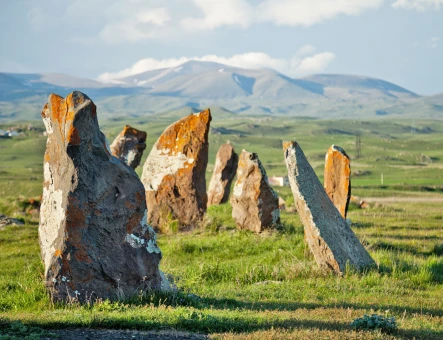
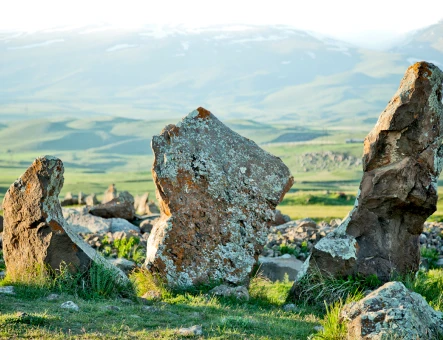
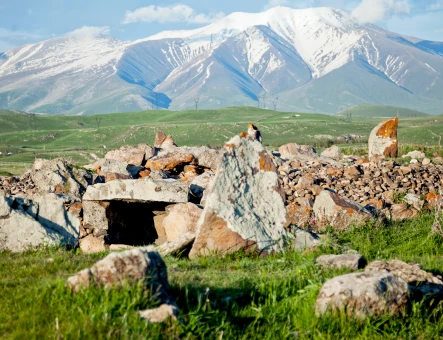
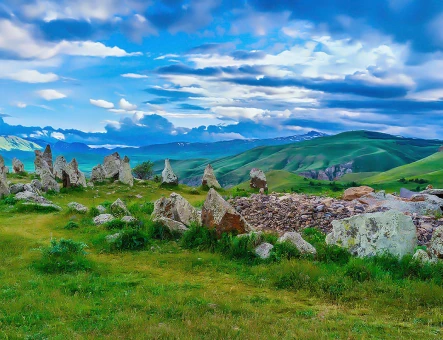
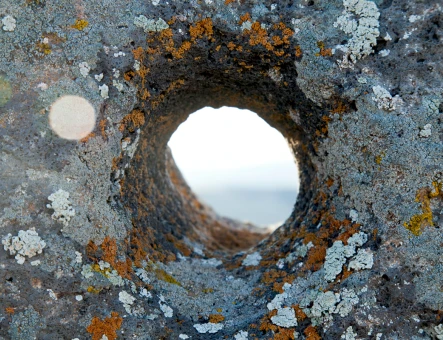
3. Karahunj (Zorats Karer) Observatory
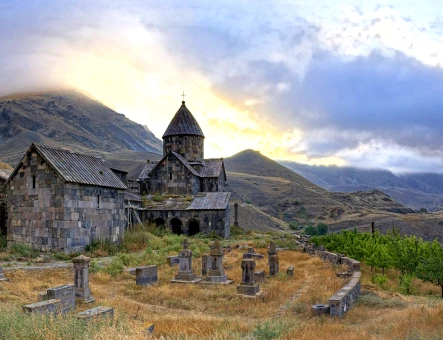
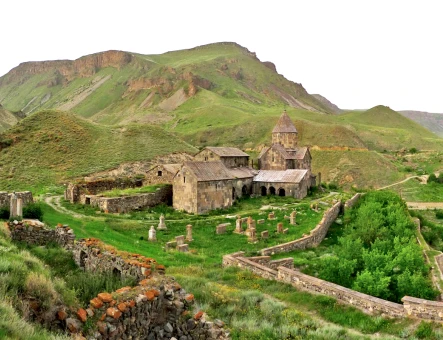
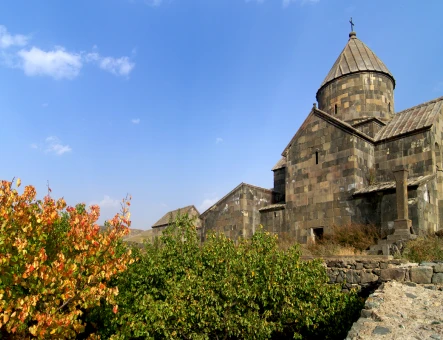
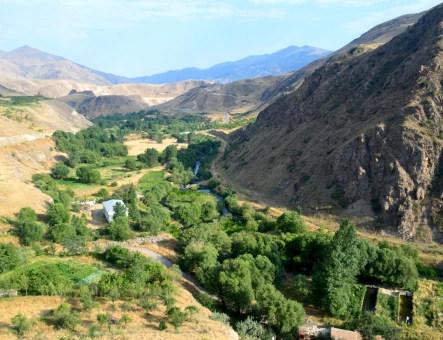
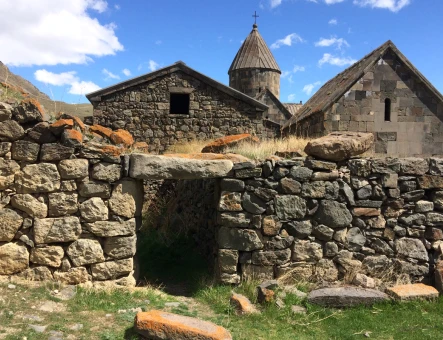
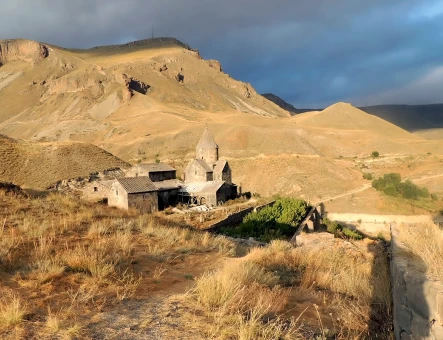
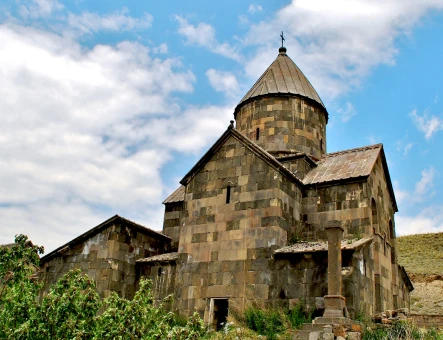
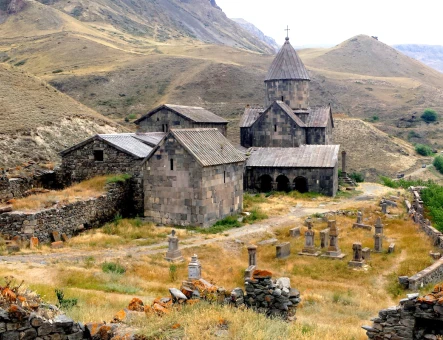
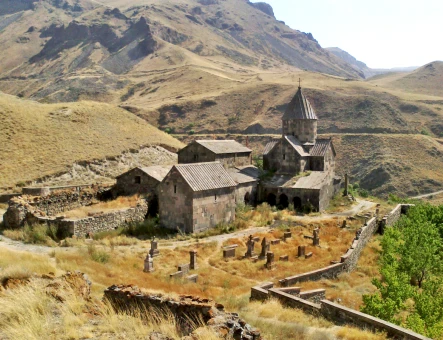
4. Vorotnavank Monastery
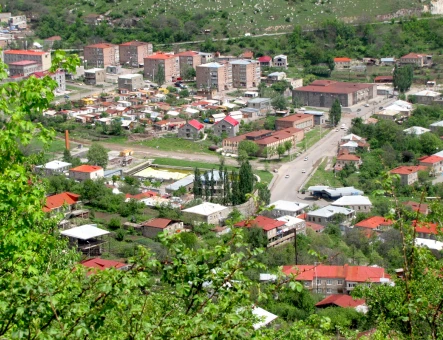
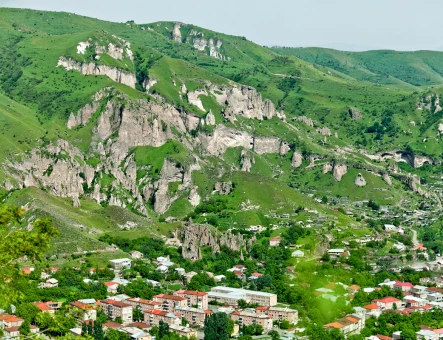
5. Goris
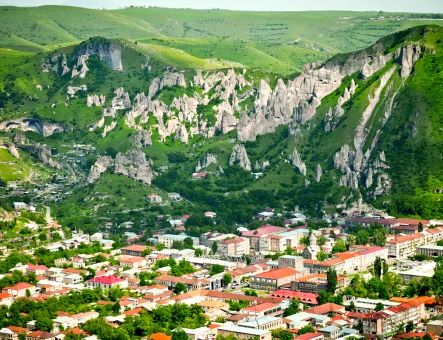
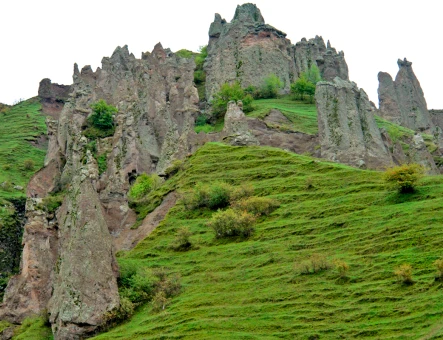
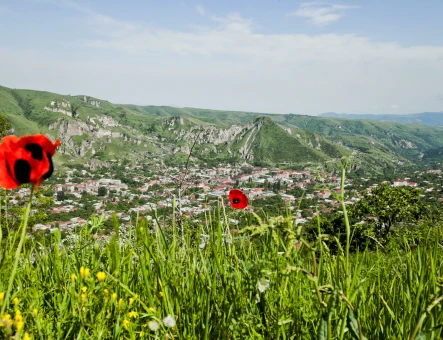
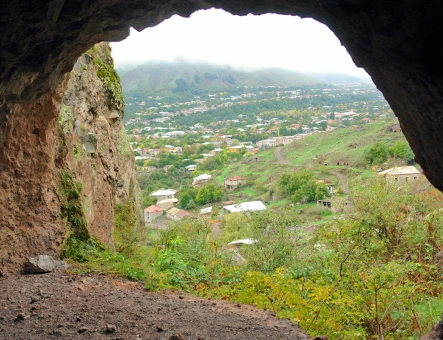
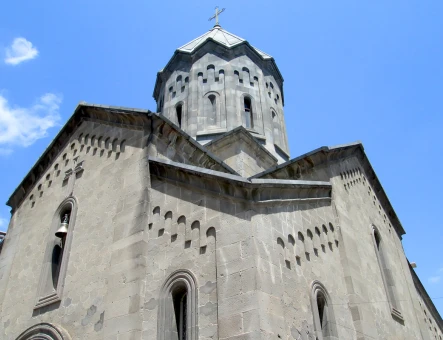
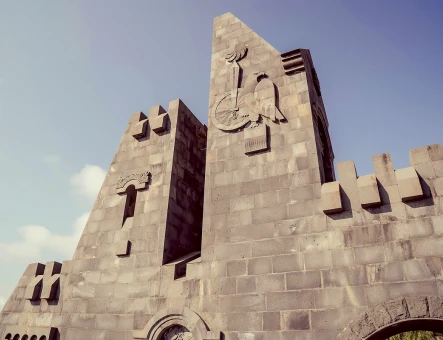
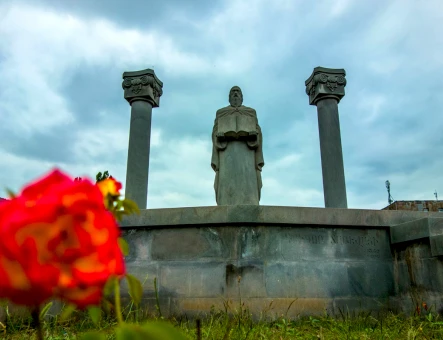
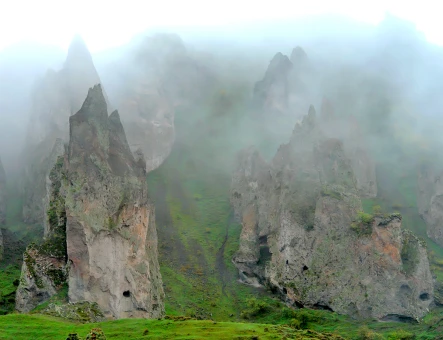
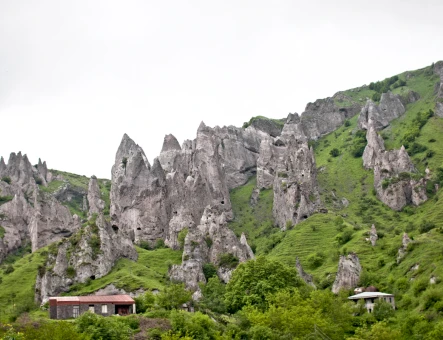
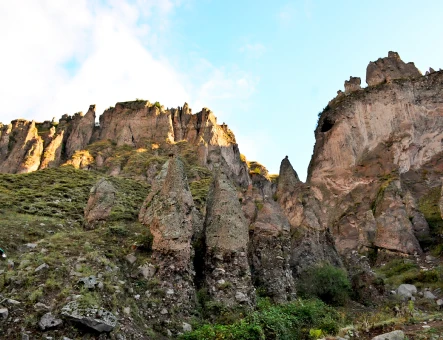
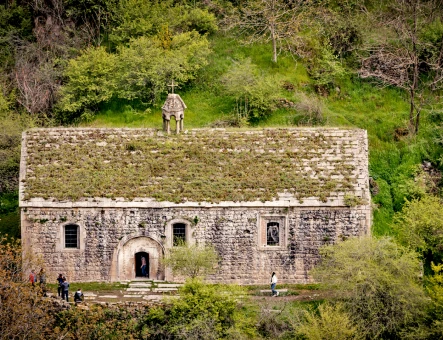
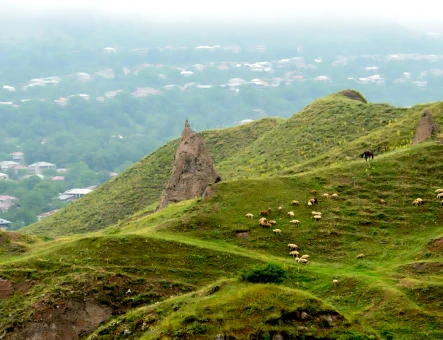
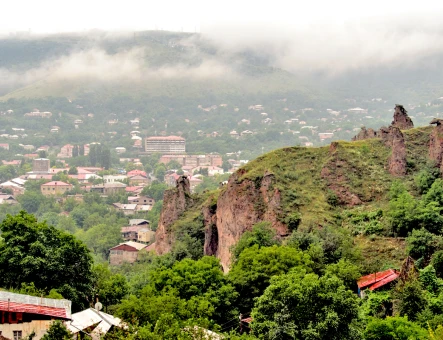
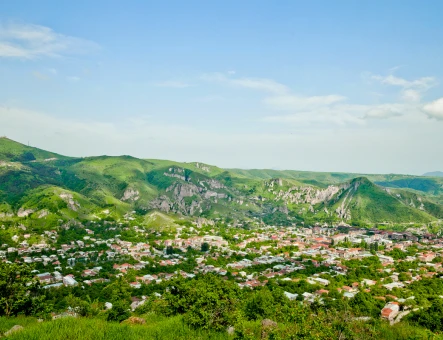
Khndzoresk Caves, Devil's Bridge, Tatev Monastery, Wings of Tatev Ropeway, Shaki Waterfall, Hin Areni Wine Factory, return to Yerevan
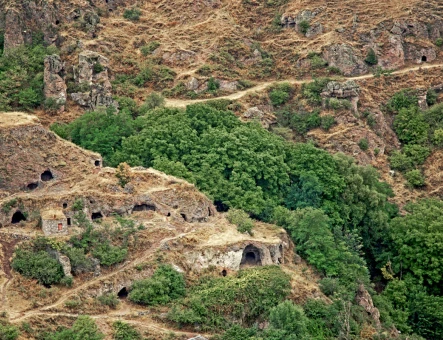
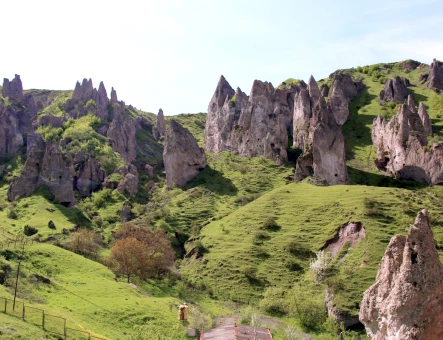
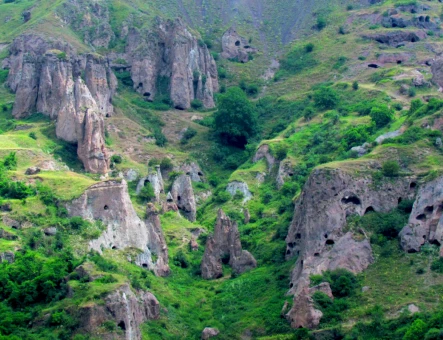
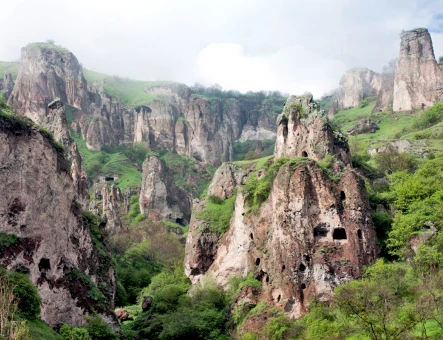
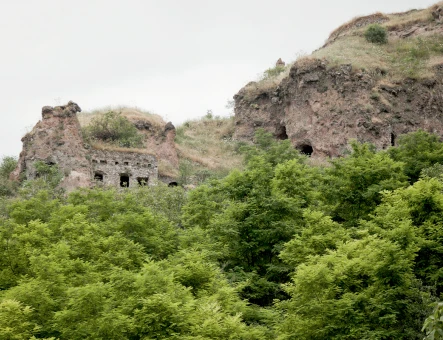
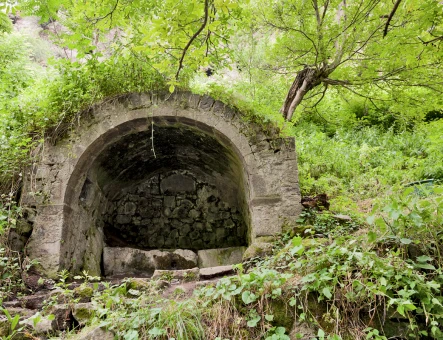
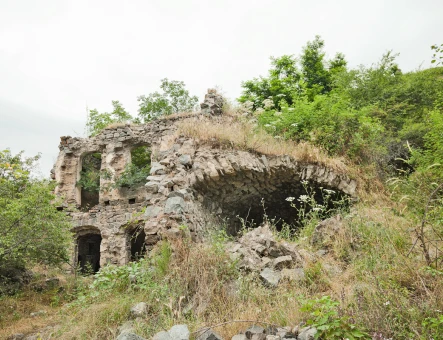
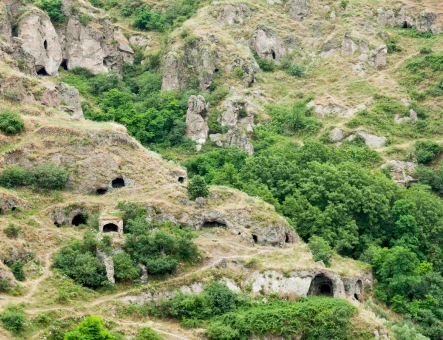
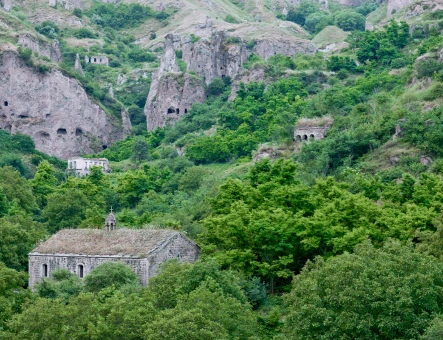
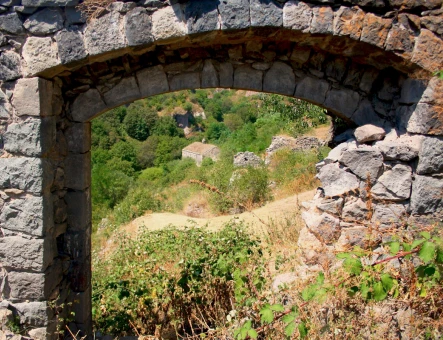
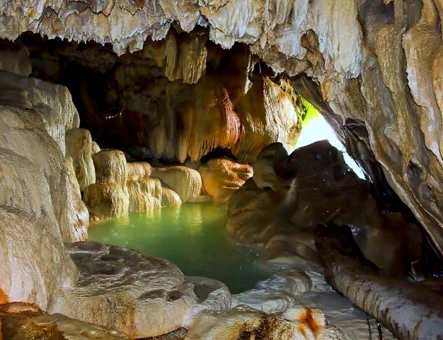
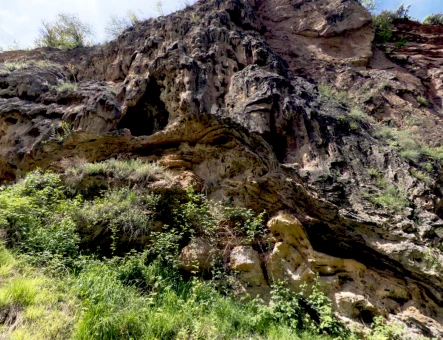
1. Khndzoresk Caves
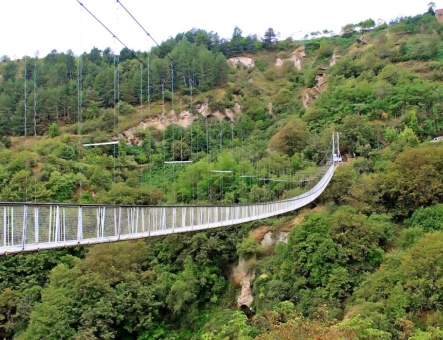
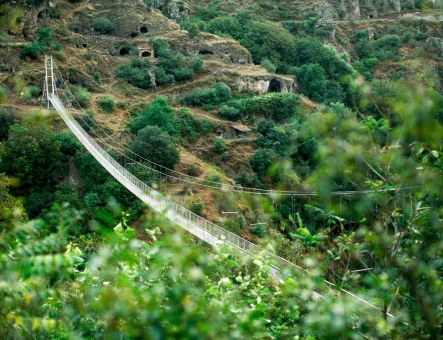
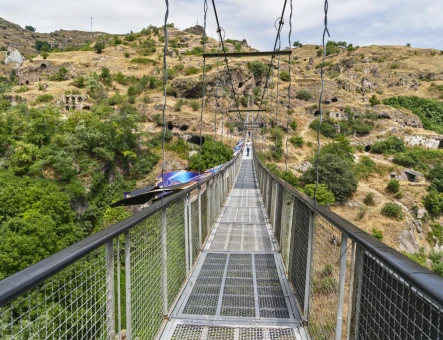
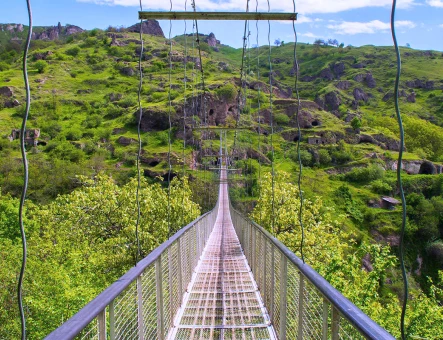
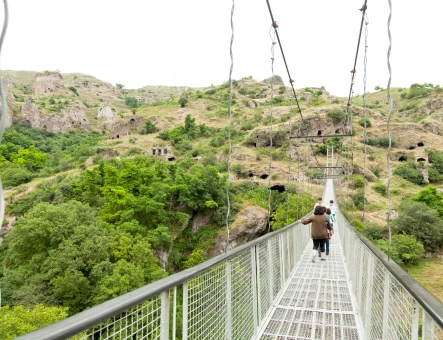
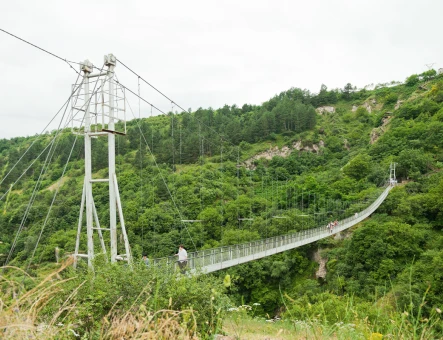
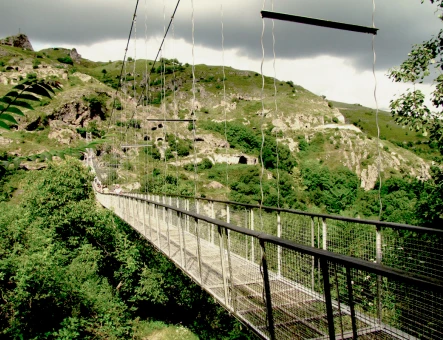
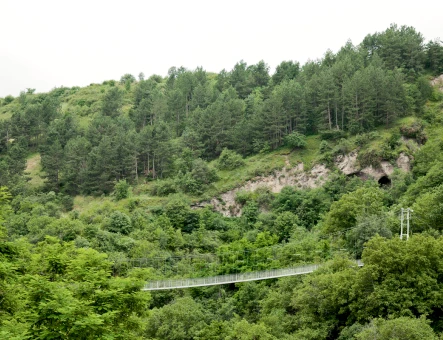
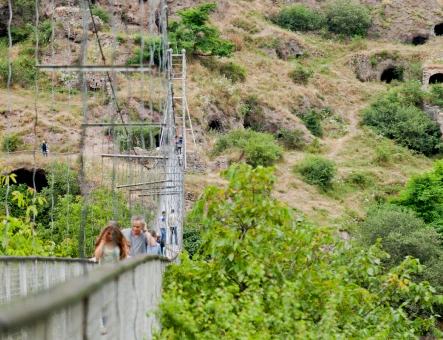
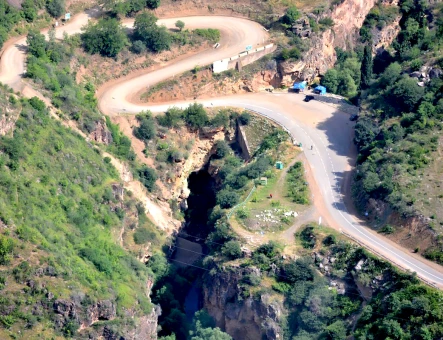
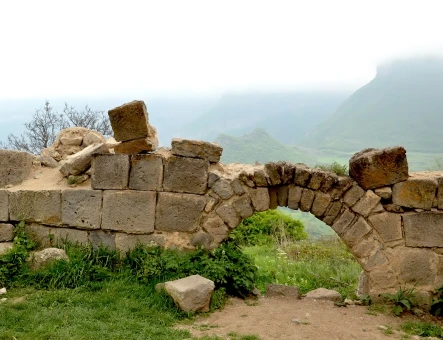
2. Devil's Bridge
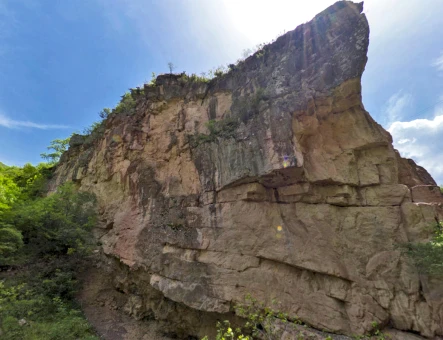
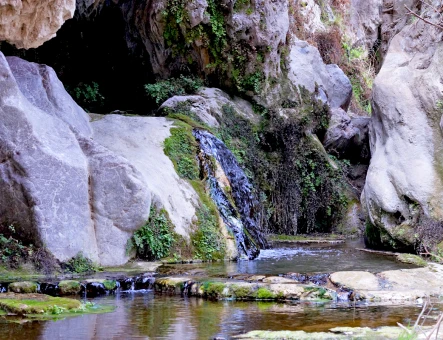
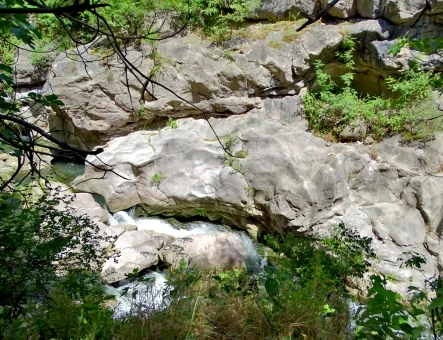
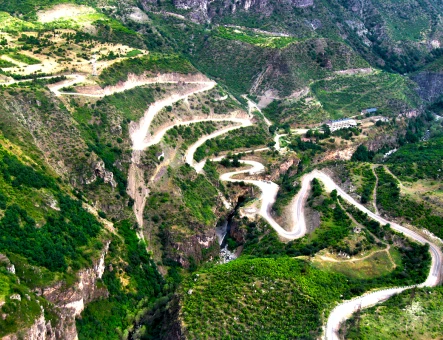
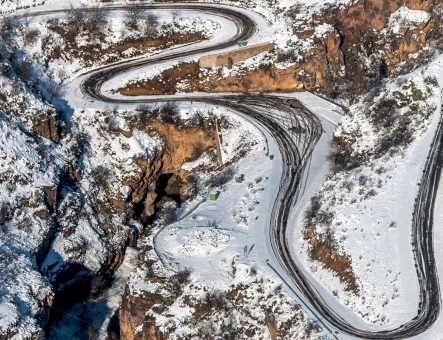
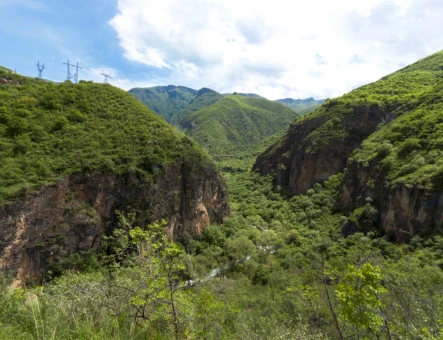
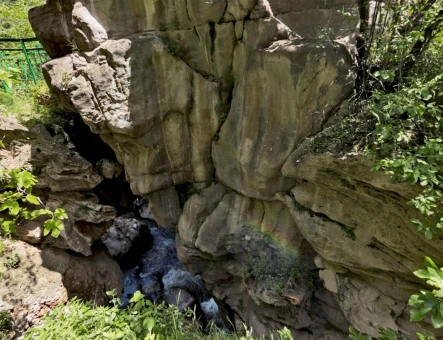
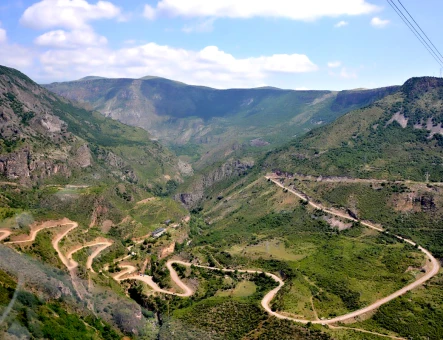
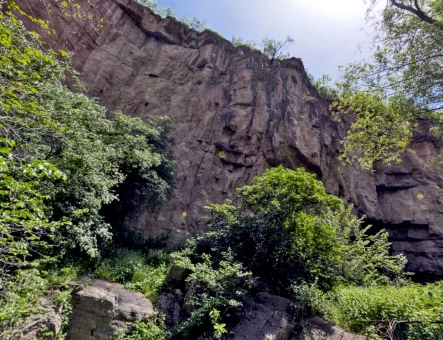
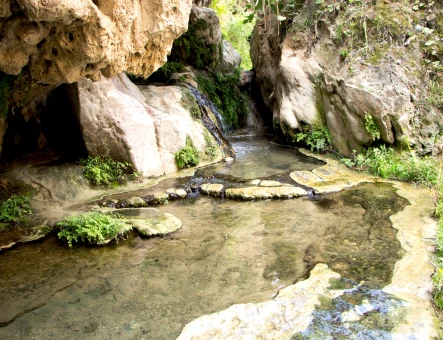
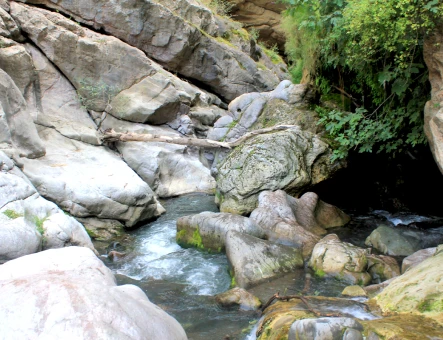
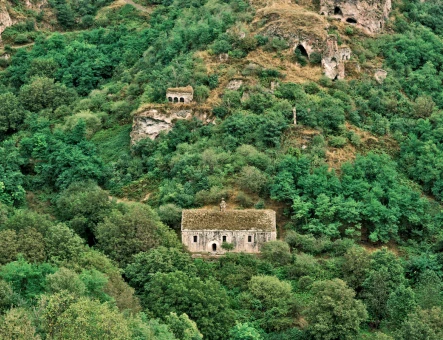
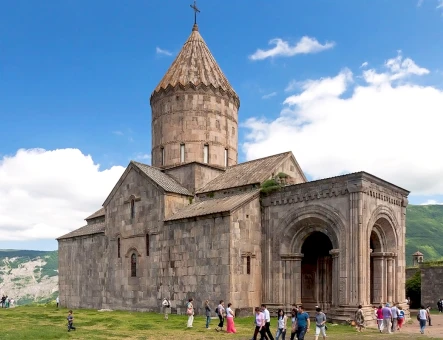
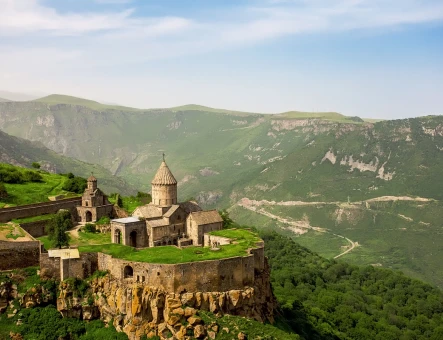
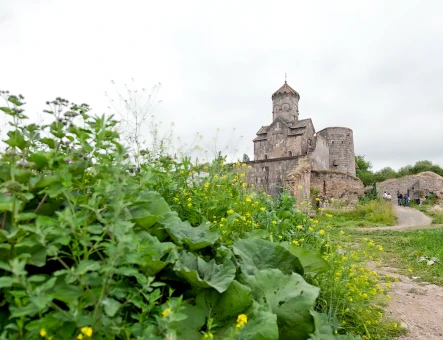
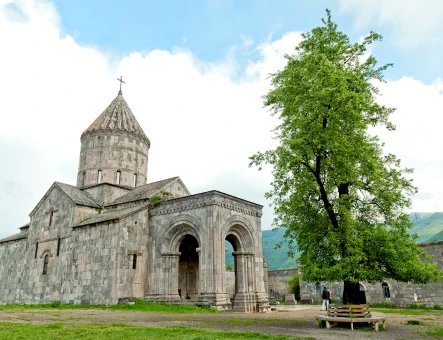
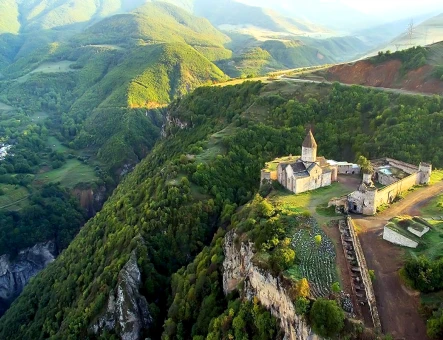
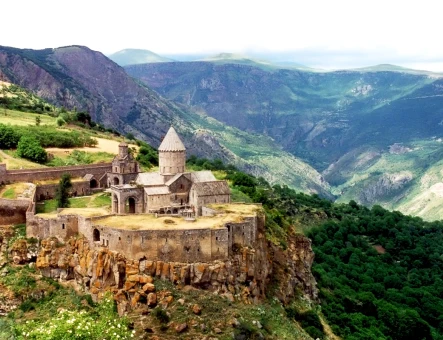
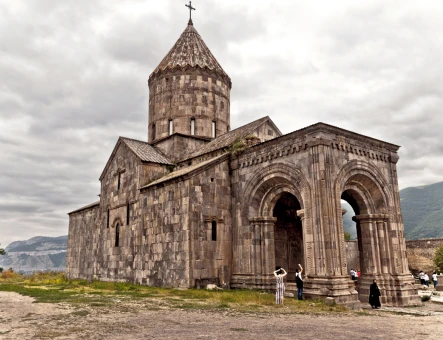
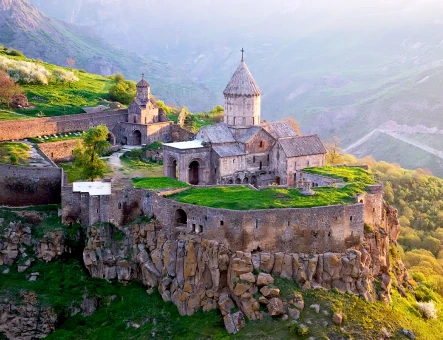
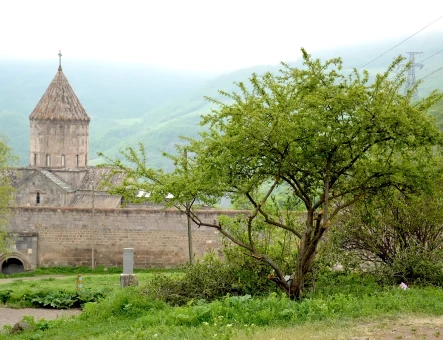
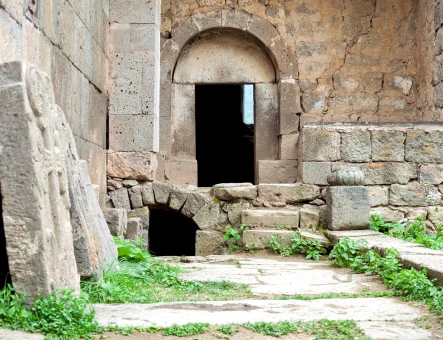
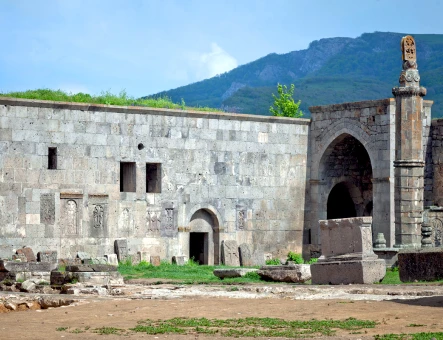
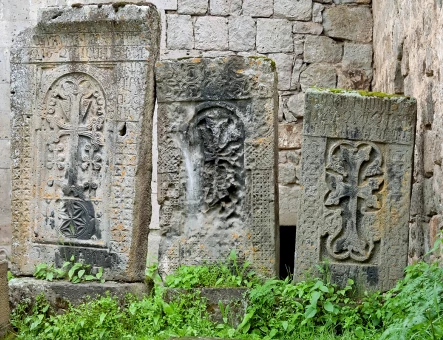
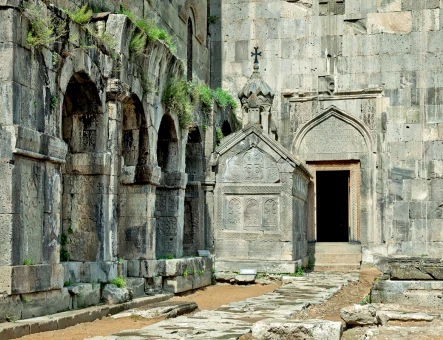
3. Tatev Monastery
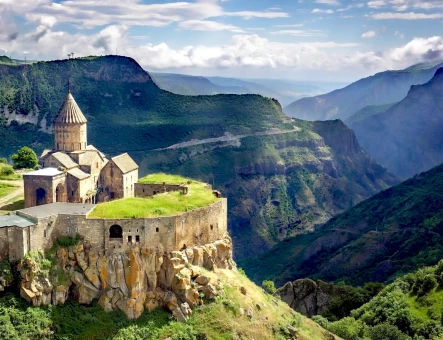
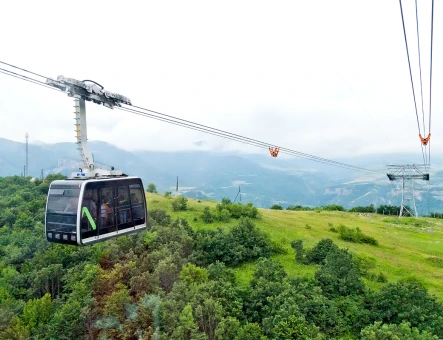
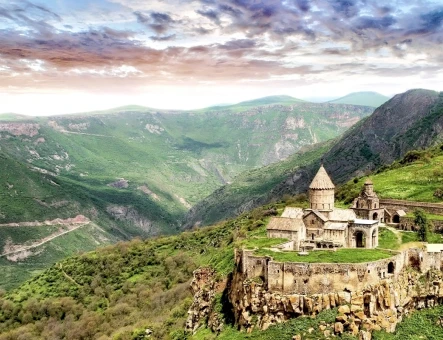
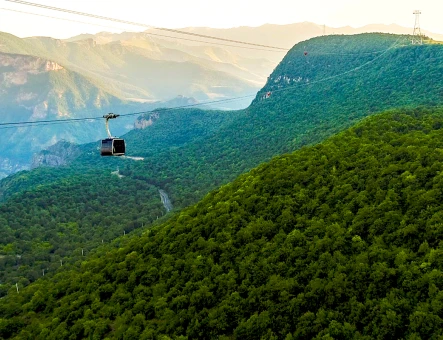
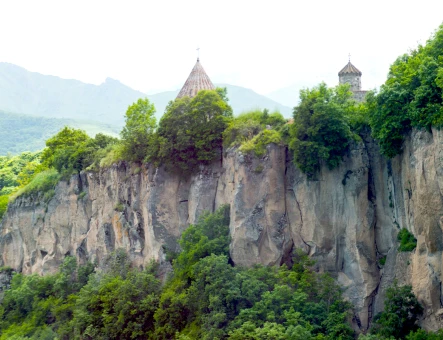
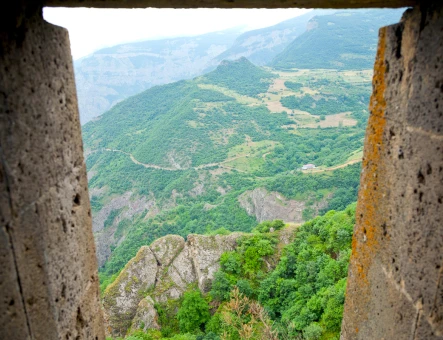
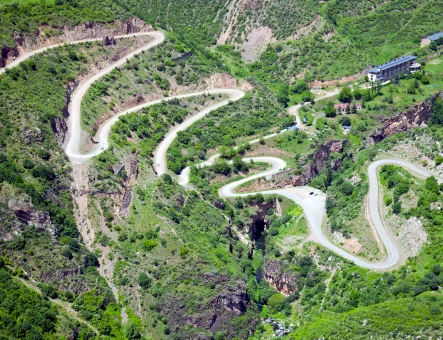
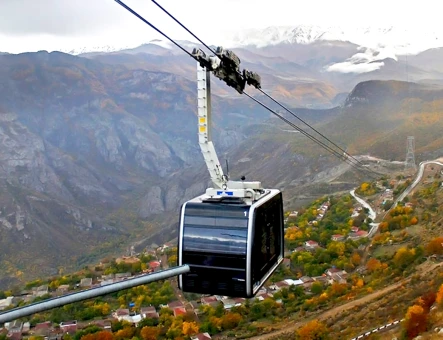
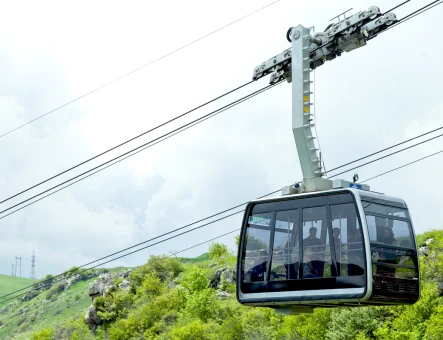
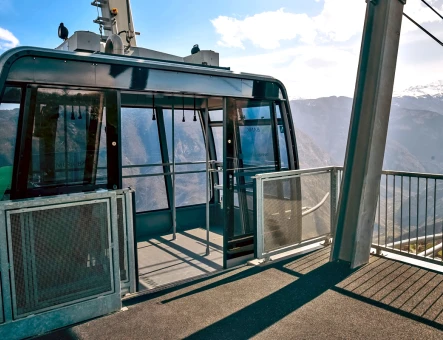
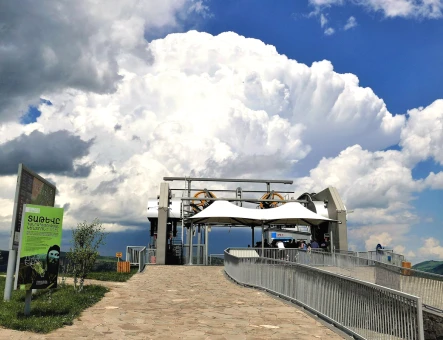
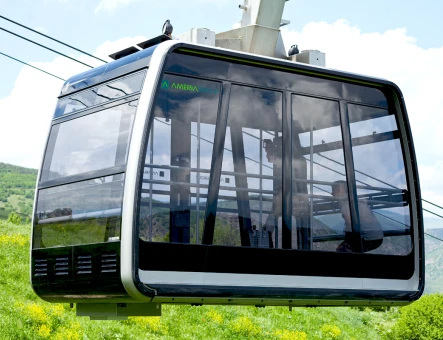
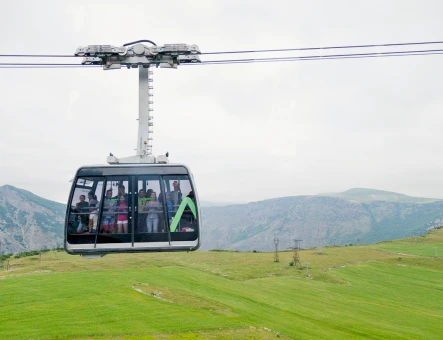
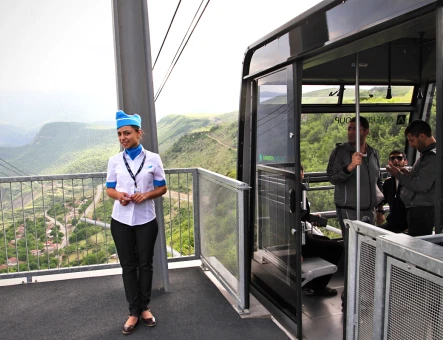
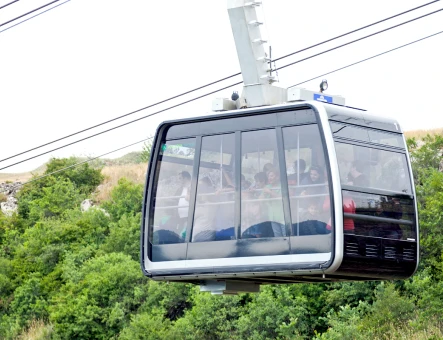
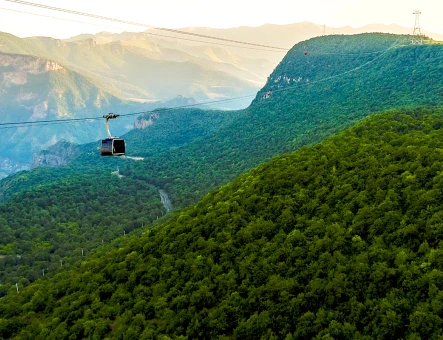
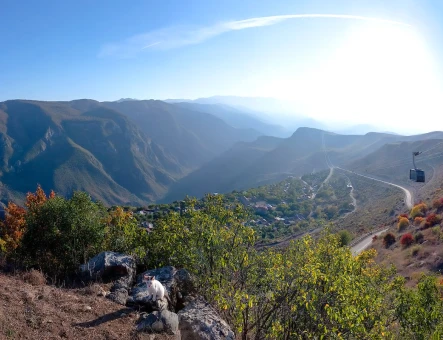
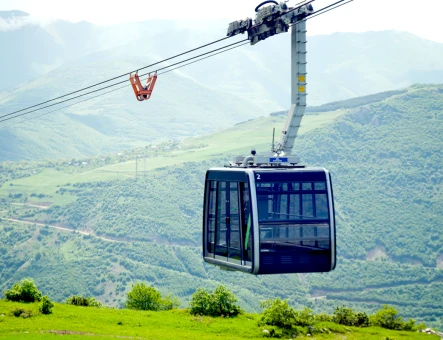
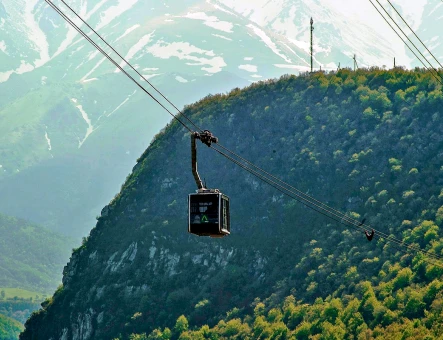
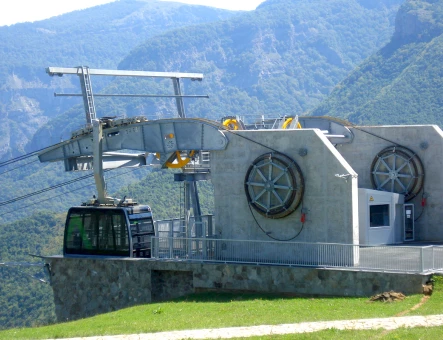
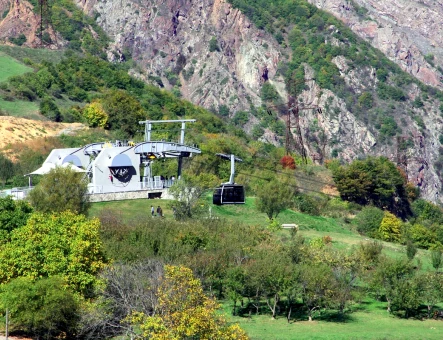
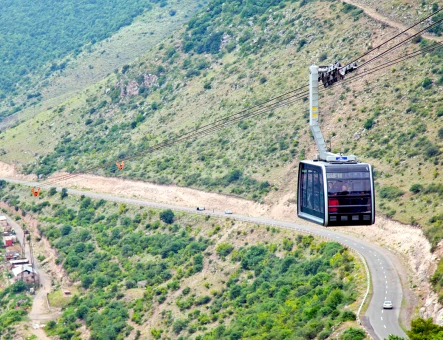
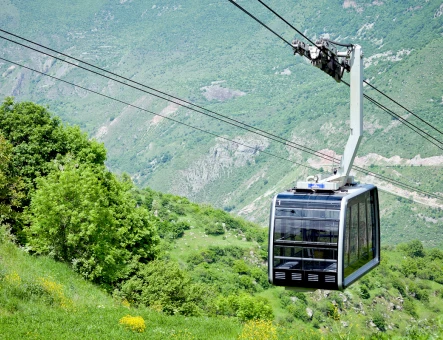
4. Wings of Tatev Ropeway
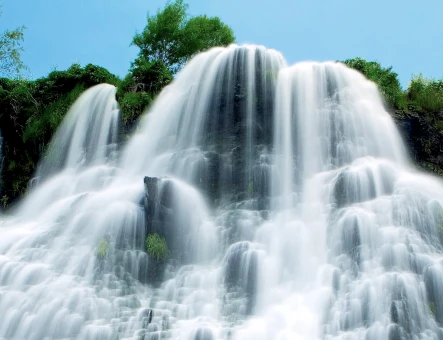
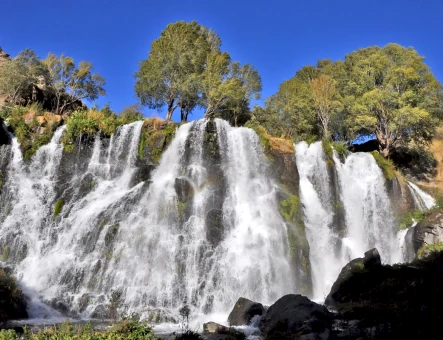
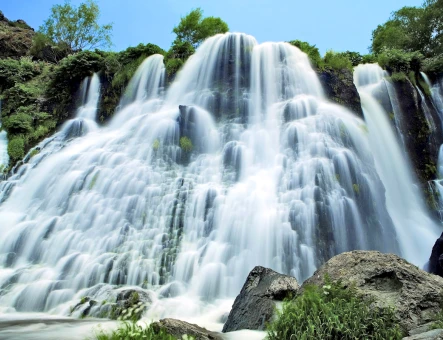
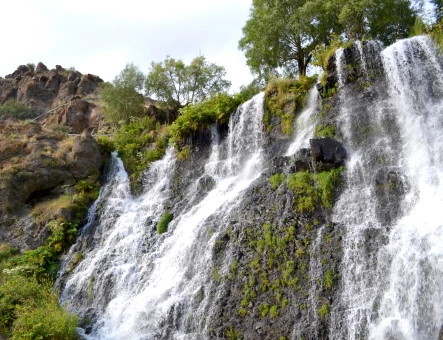
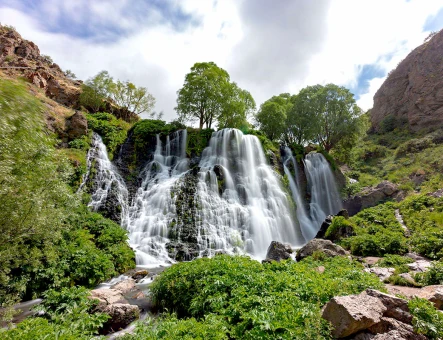
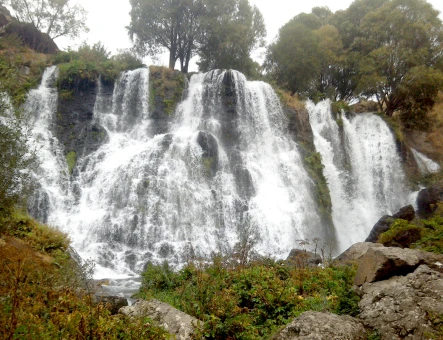
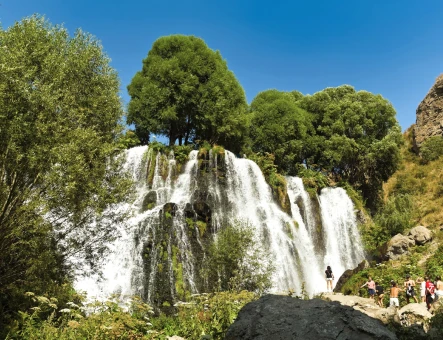
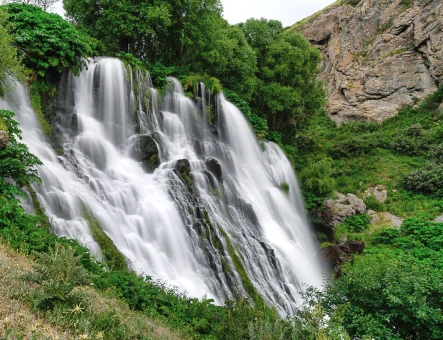
5. Shaki Waterfall
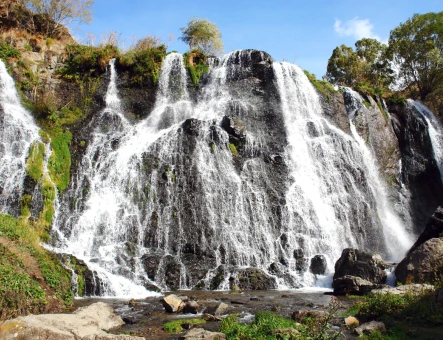
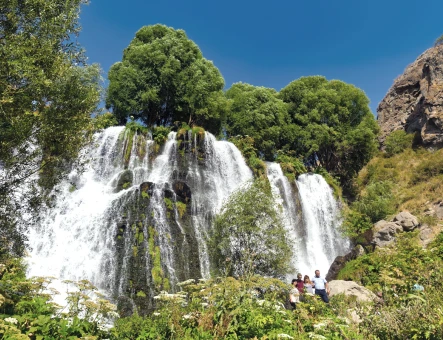
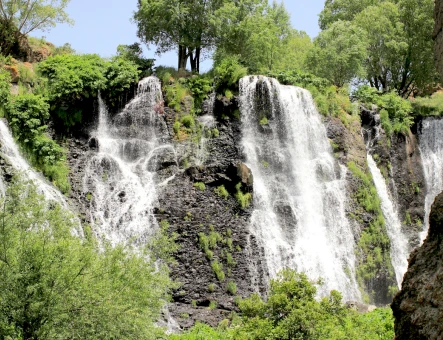
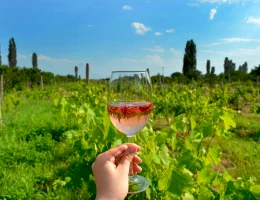
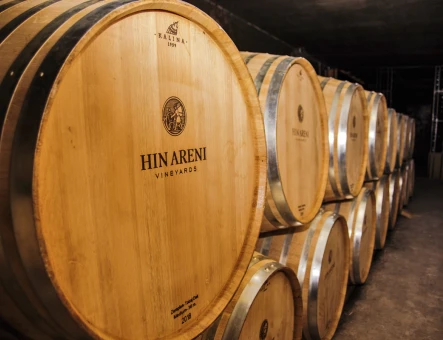
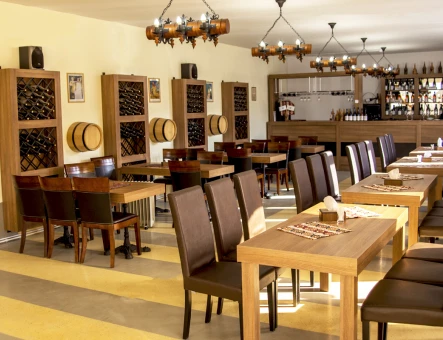
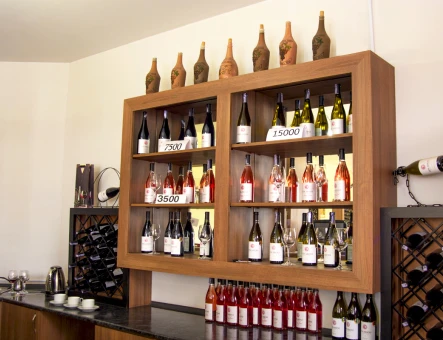
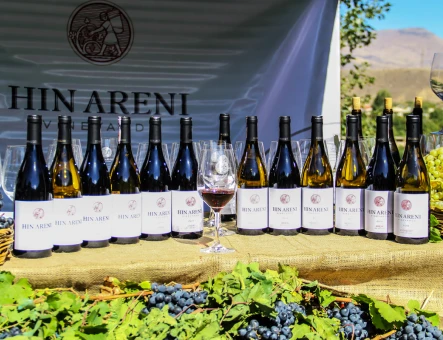
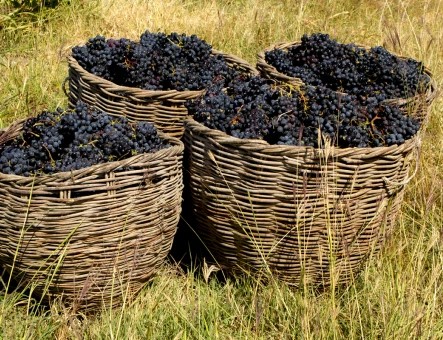
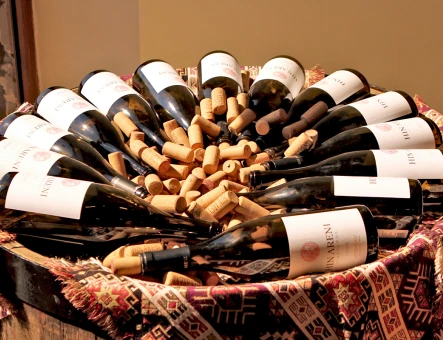
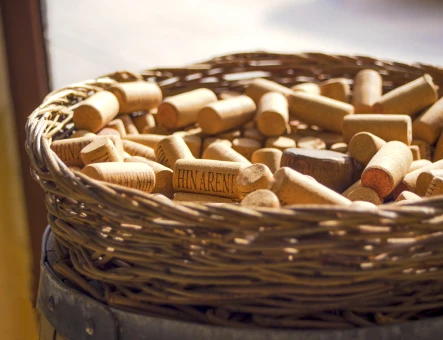
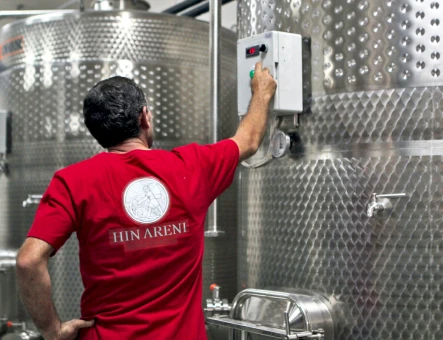
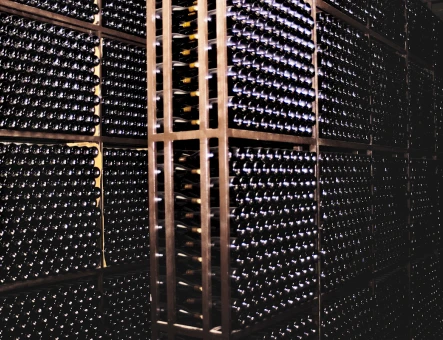
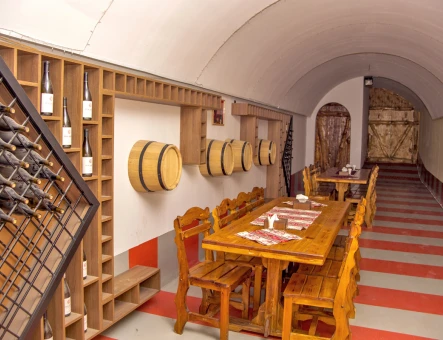
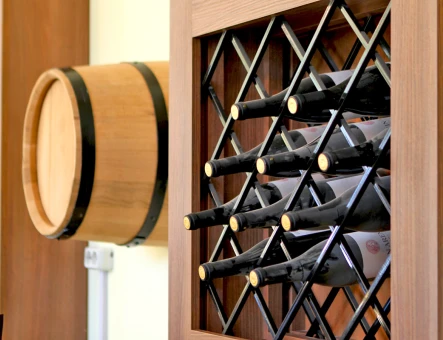
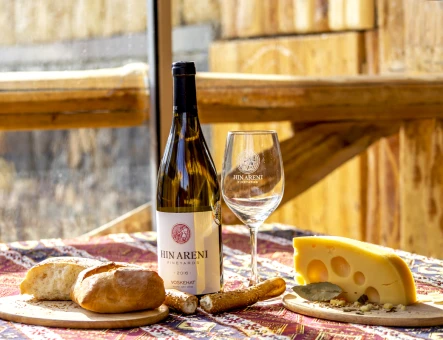
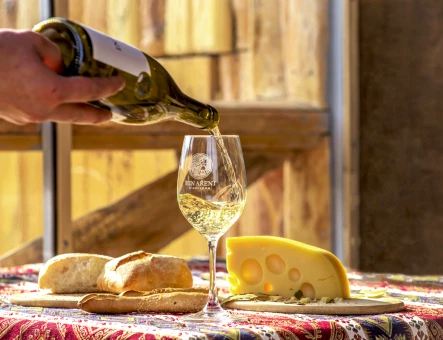
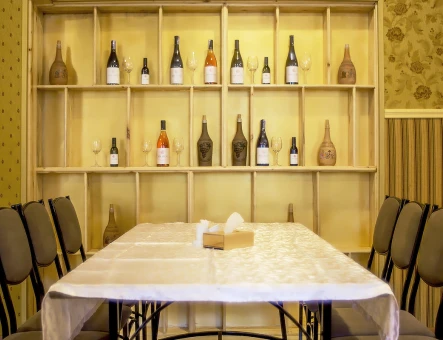
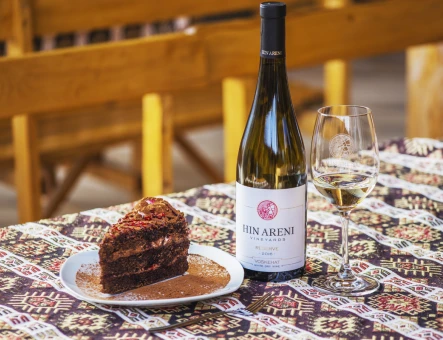
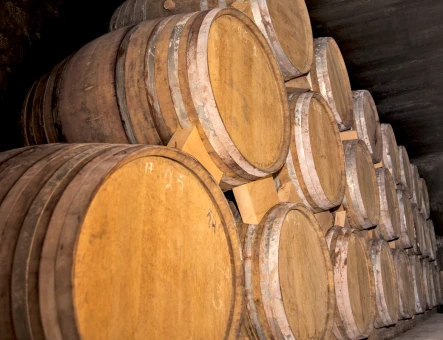
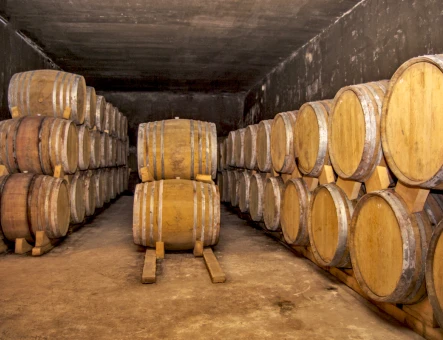
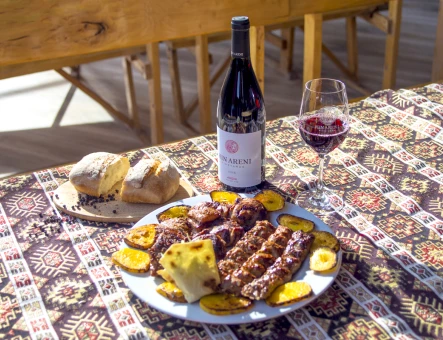
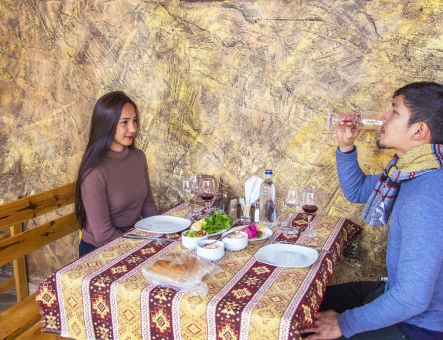
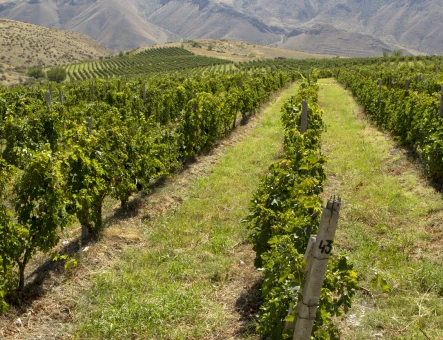
6. Hin Areni Wine Factory
Inclusions
-
Professional drivers
-
Air-conditioned vehicles
-
Bottled water
-
Free pick-up & drop-off within Yerevan
-
Vehicle & passengers insurance
-
Extra stops on the route upon request
-
Driver/Guide accommodation & meals
Exclusions
-
Hotel accommodation
-
Significant deviations from the route
-
Alcoholic beverages if lunch option selected
-
Audio guides
-
Wi-Fi in the vehicles
What to expect
- Go deep into southern Armenia with a route full of cliffs, monasteries and legends
- Start with Mount Ararat views from Khor Virap and the red rocks of Noravank
- Step into the mystery of Karahunj, Armenia's ancient stone observatory
- Feel the thrill of Khndzoresk's swinging bridge and cave landscapes
- Fly above the Vorotan Gorge on the Wings of Tatev Ropeway
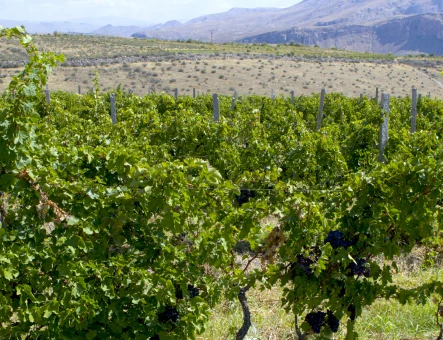
- Add Shaki Waterfall and Areni wine to the journey's final impressions
*365 steps to descend to Khndzoresk
Booking conditions
Cancellation & modification
Meet our Guides
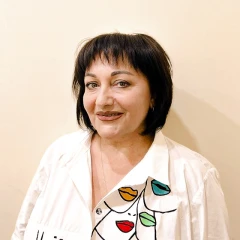
Ruzanna Hovhannisyan
While in Armenia, all your senses will be awakened: the wild nature and man-made masterpieces, the unique scent of mountain air, the unforgettable taste of Armenian cuisine, and the soothing sound of the duduk. And to experience all this, you simply need to come to Armenia! Welcome!

Narine Vardanyan
Hi or Barev. My name's Narine and I've been working as a tourist guide in Armenia since 2017. My greatest love and passion is my homeland – Hayastan! And I am here to create amazing experiences for everyone. I think my job is the best in the world. It offers the opportunity to meet new people, make them fall in love with new places, and create lasting memories. That's what I enjoy!)) Looking forward to showing you around beautiful Armenia.
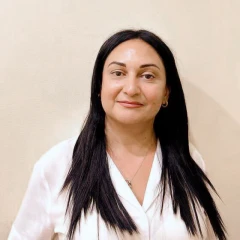
Nelly Poghosyan
Hi! I'm Nelly, a certified tour guide. With work experience since 2012 and a unique set of skills – including deep patience, adaptability, and a sense of humor – I invite you to visit Armenia and explore this wonderful part of the world with me!
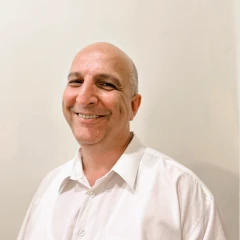
Poghos Varzhapetyan
My name is Poghos Varzhapetyan. I've been working in tourism since 2016. I love traveling. As a tour guide, my goal is always to make guests fall in love with Armenia so much that at the end of the tour they don't say goodbye, but instead say, "See you again, Armenia!".
Reviews
Диана Балаян
 Russia
27.09.2026
Dear Diana ❤️
I’d like to express my heartfelt thanks to your travel agency and to you personally for organizing such a wonderful tour!
Everything was planned down to the last detail, from the transfers to the assistance throughout the tours and excursions.
Thanks to your professional work, our guests’ vacation went smoothly and comfortably, and left them with only the fondest memories.
Special thanks for your attentive service, prompt responses, and willingness to help in any situation.
It’s a pleasure to work with true professionals you can trust with your vacation.
Thank you for an unforgettable trip and wonderful memories!
We’ll definitely recommend your agency to our friends and will be happy to book with you again.
10 out of 10 ❤️
I’d like to express my heartfelt thanks to your travel agency and to you personally for organizing such a wonderful tour!
Everything was planned down to the last detail, from the transfers to the assistance throughout the tours and excursions.
Thanks to your professional work, our guests’ vacation went smoothly and comfortably, and left them with only the fondest memories.
Special thanks for your attentive service, prompt responses, and willingness to help in any situation.
It’s a pleasure to work with true professionals you can trust with your vacation.
Thank you for an unforgettable trip and wonderful memories!
We’ll definitely recommend your agency to our friends and will be happy to book with you again.
10 out of 10 ❤️ Уважаемая Диана ❤️
Хочу выразить огромную благодарность вашему туристическому агентству и лично вам за прекрасно организованный тур!
Всё было продумано до мелочей: от трансфера и сопровождения на все время туров и экскурсий.
Благодаря вашей профессиональной работе отдых наших гостей прошёл легко, комфортно и оставил только самые приятные впечатления.
Отдельное спасибо за внимательное отношение, оперативность и готовность помочь в любой ситуации.
Очень приятно иметь дело с настоящими профессионалами, которым можно доверить отдых.
Спасибо за незабываемое путешествие и замечательные эмоции!
Обязательно будем рекомендовать ваше агентство друзьям и с удовольствием обратимся к вам снова.
10 из 10 ❤️
Ирина
Russia
05.06.2026
Thank you to the Hyur servis team for the positive emotions we got from our private tour from June 5 to 10, 2026. We specifically contacted this company while we were still planning our trip, and they put together a wonderful tour that took our wishes into account. They also recommended hotels in Yerevan and Goris. In Yerevan, we chose the Mandarin and Ani Sentral Inn hotels, and in Goris, we chose the ArMar hotel. Our guide throughout the trip was David Asratyan, and our driver was Grach Andreasyan. The guys did a 5+ job. In just a few days, David told us about Armenia’s history, customs, and culture. We saw so many beautiful places and fell in love with Armenia! A huge thank-you to our guides for that.
On the day we arrived, we had a sightseeing tour of Yerevan by car. Of course, we went up the hill in Aghtanak (Victory) Park to the Mother Armenia monument, which offers the best view of central Yerevan. We visited the Cascade Complex, admired Mount Ararat, and strolled through the streets of Yerevan.
On day two, we visited the ancient Garni Temple, Geghard Monastery, and the natural monument called the “Symphony of Stones” gorge.
At the cave temple in Geghard, we enjoyed live acoustic singing! It’s mesmerizing!
Next came a two-day tour that began with visits to the Khor Virap and Noravank monasteries. Then we had a wonderful Armenian home-cooked lunch with traditional drinks—delicious, filling, and full of atmosphere. After lunch, we rode the Wings of Tatev reversible cable car and visited Tatev Monastery. We spent the night in Goris, and the next day we crossed the swinging bridge to the ancient cave town of Khndzoresk. Then, tired but happy, we returned to Yerevan. In the morning, a new trip was waiting for us: Lake Sevan, Sevanavank, the town of Dilijan, and the Goshavank and Haghartsin monastery complexes. Is it worth going? Absolutely—yes! And definitely go with Hour servis. Thank you to your team.
On the day we arrived, we had a sightseeing tour of Yerevan by car. Of course, we went up the hill in Aghtanak (Victory) Park to the Mother Armenia monument, which offers the best view of central Yerevan. We visited the Cascade Complex, admired Mount Ararat, and strolled through the streets of Yerevan.
On day two, we visited the ancient Garni Temple, Geghard Monastery, and the natural monument called the “Symphony of Stones” gorge.
At the cave temple in Geghard, we enjoyed live acoustic singing! It’s mesmerizing!
Next came a two-day tour that began with visits to the Khor Virap and Noravank monasteries. Then we had a wonderful Armenian home-cooked lunch with traditional drinks—delicious, filling, and full of atmosphere. After lunch, we rode the Wings of Tatev reversible cable car and visited Tatev Monastery. We spent the night in Goris, and the next day we crossed the swinging bridge to the ancient cave town of Khndzoresk. Then, tired but happy, we returned to Yerevan. In the morning, a new trip was waiting for us: Lake Sevan, Sevanavank, the town of Dilijan, and the Goshavank and Haghartsin monastery complexes. Is it worth going? Absolutely—yes! And definitely go with Hour servis. Thank you to your team. Спасибо команде Hyur servis за положительные эмоции от индивидуального тура с 05 по 10 июня 2026 года. Целенаправленно обратились именно в эту фирму, когда только планировали поездку и они составили замечательный тур с учетом наших пожеланий. А также посоветовали отели в Ереване и Горисе. В Ереване мы выбрали отели Мандарин и Ани Сентрал инн, в Горисе выбрали отель АрМар.Нашим гидом на протяжении всего путешествия был Давид Асратян, а водителем - Грач Андреасян. Ребята работали на 5+. За несколько дней Давид рассказал нам про историю Армении, её обычаи, культуру. Мы посмотрели много красивых мест и влюбились в Армению! За что нашим сопровождающим огромное спасибо.
В день прилёта -обзорная экскурсия по Еревану на автомобиле, конечно поднялись на холм в парке Ахтанак (Победа), к монументу Мать Армения, откуда открывается лучшая панорама на центр Еревана, посетили комплекс Каскад, полюбовались горой Арарат и прогулялись по улочкам Еревана.
День второй- посетили, античный храм Гарни, монастырь Гегард, памятник природы ущелье "Симфония камней" .
В пещерном храме Гегард насладились живым акустическим пением в пещерном храме! Это завороживает!
Далее был двухдневный тур, который начался с осмотра двух монастырей Хор Вирап и Нораванк, потом был прекрасный армянский домашний обед с национальными напитками- вкусно, сытно, атмосферно. После обеда прокатились на реверсивной канатной дороге крылья Татева, посетили Татев монастырь. Ночевали в Горисе, а на следующий день прошлись по качающемуся мосту в древний пещерный город Хндзореск, и потом уставшие, но довольные вернулись в Ереван. А утром ждало новое путешествие на озеро. Севан, Севанаванк, в город Дилижан, монастырские комплексы Гошаванк, Агарцин.Стоит ехать? Однозначно - да! И ехать именно с Hour servis . Спасибо вашей команде.
Maria Tambovtseva
Russia
05.05.2026
Dear employees of Hyur Service!!!
From the bottom of my heart, I’d like to thank each and every one of you who helped organize my trips for the wonderful memories you gave me!
You are true professionals and caring people!
It was a wonderful time!
Wishing the company continued success and every employee all the very best!
Շնորհակալություն
Sincerely, Maria
From the bottom of my heart, I’d like to thank each and every one of you who helped organize my trips for the wonderful memories you gave me!
You are true professionals and caring people!
It was a wonderful time!
Wishing the company continued success and every employee all the very best!
Շնորհակալություն
Sincerely, Maria Уважаемые сотрудники компании Hyur Service!!!
От всего сердца благодарю Вас за эмоции, которые подарил мне каждый причастный к организации моих путешествий!
Вы настоящие профессионалы и отзывчивые люди!
Это было прекрасное время!
Процветания компании и всего самого доброго каждому сотруднику!
Շնորհակալություն
с уважением, Мария
Kristina, Gaston, and Barkev
 Canada
28.04.2026
Hello,
I want to say that we had 2 amazing tours with Hyur - one Southern Wonders and one to Garni/Geghard. Our driver Ara was excellent and our guide, Khatchatur was amazing! He made the tours very special. We loved listening to his explanations of all the monasteries, he has a great depth of knowledge and history. We also loved all the lunch selections, the food was excellent.
These tours were definitely the highlight of our trip. Thank you for making our trip unforgettable!!
Kristina, Gaston, and Barkev.
- 1
- 2
You might also like...
-
Duration: 4-5 hours
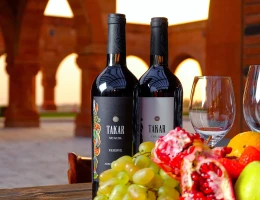 Family-Friendly Favorites
Karmravor, Gourmet Dourme Chocolate House, Oshakan, Armenia Wine
Total price 85 USD