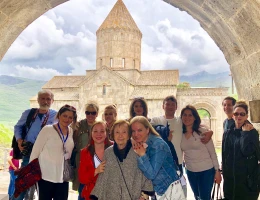
Group tour: Garni Temple, Symphony of Stones, Geghard Monastery, Lavash Baking
Itinerary
Arch of Charents, Garni Temple, Symphony of Stones (Garni Canyon), Geghard Monastery, Lavash Baking Masterclass
1. Meeting point: Hyur Service (Head Office) – 96, Nalbandyan str., Yerevan
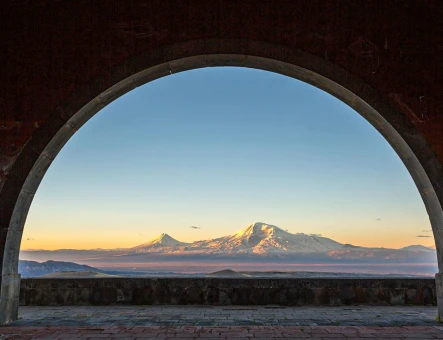
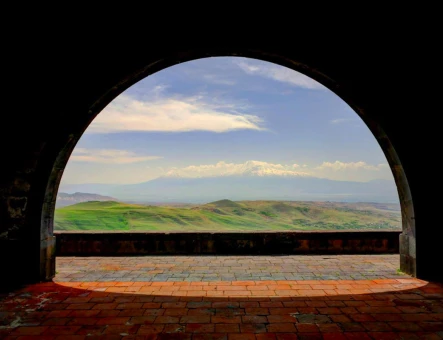
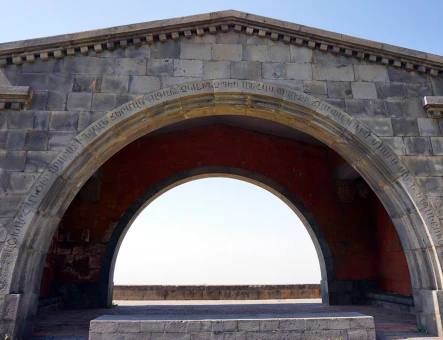
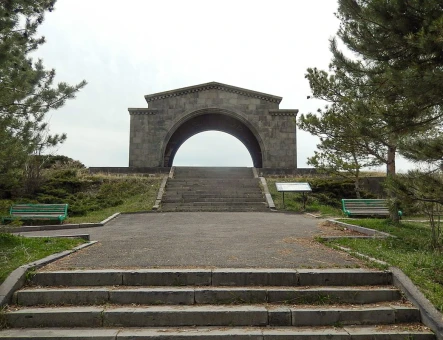
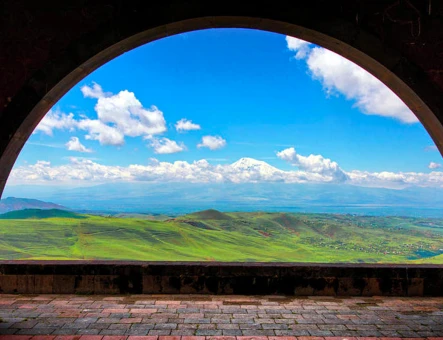
2. Arch of Charents

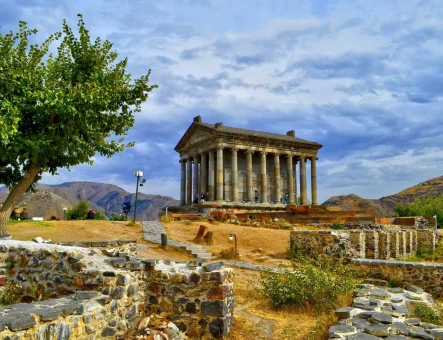
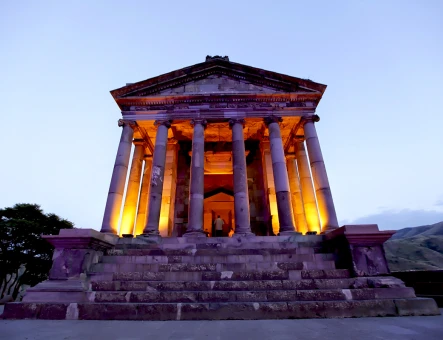
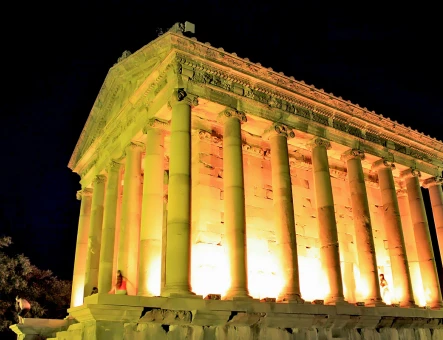
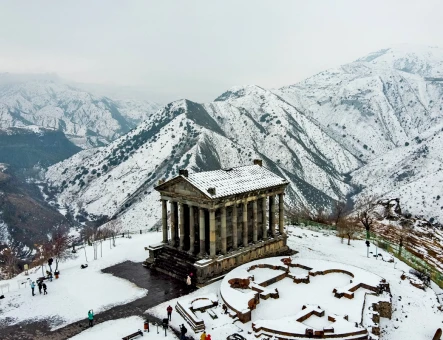
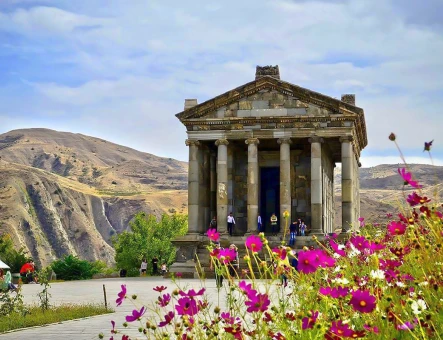
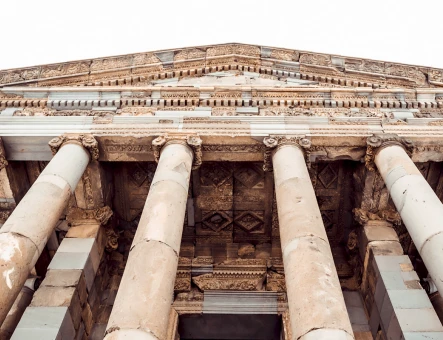
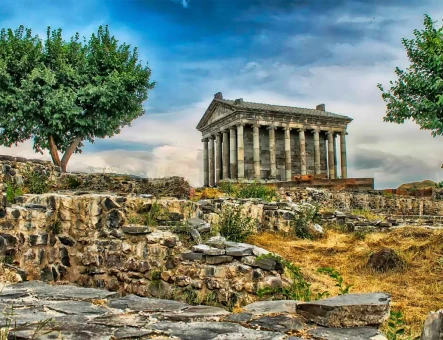
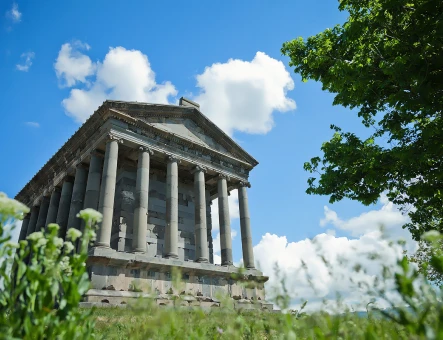
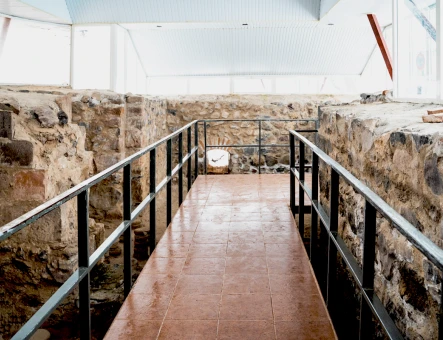
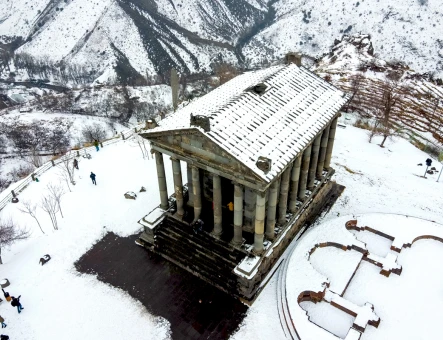
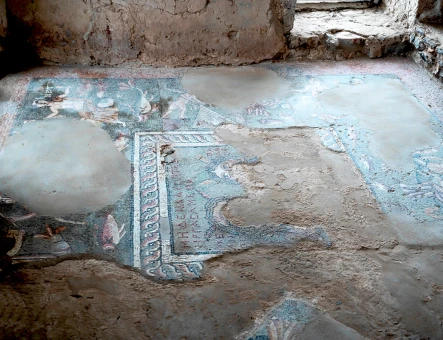
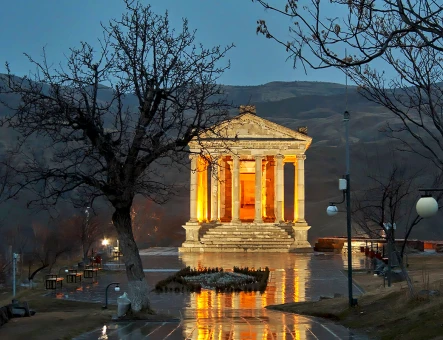
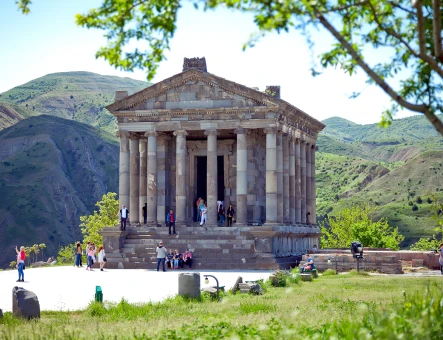
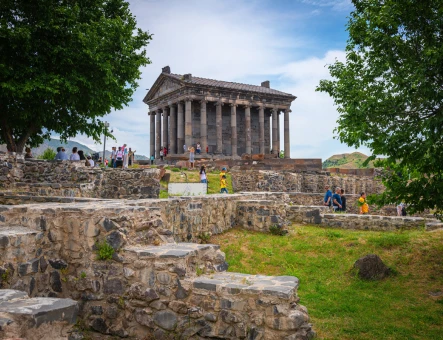
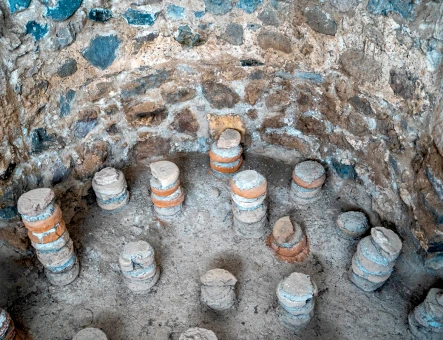
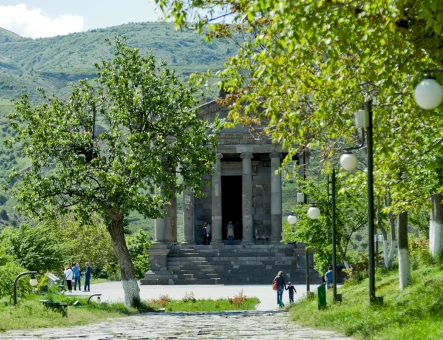
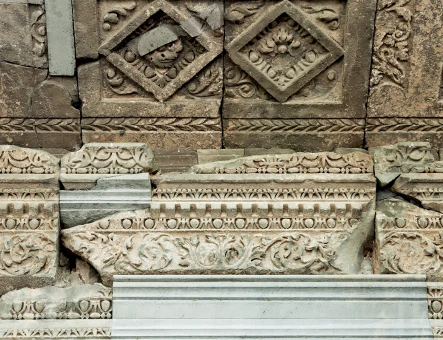
3. Garni Temple
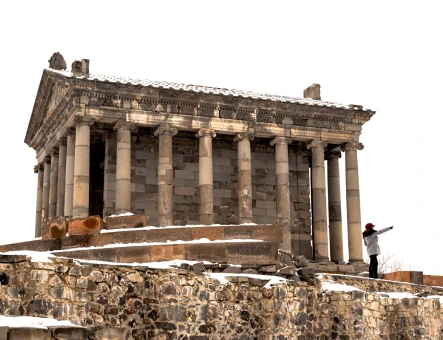
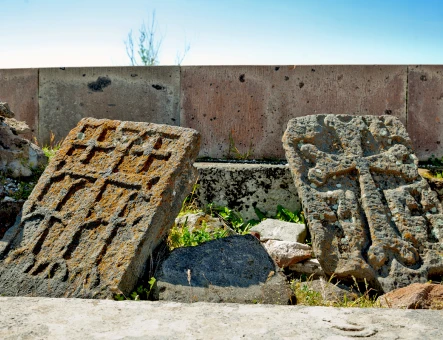
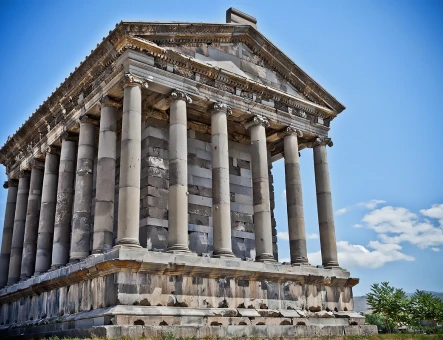
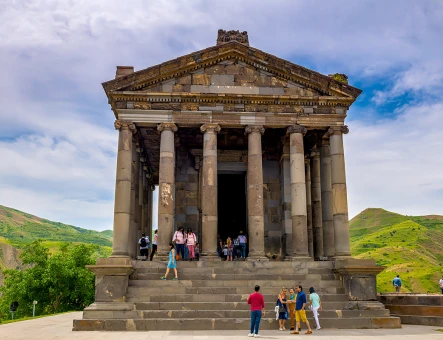
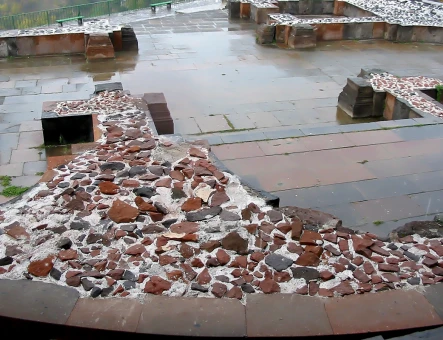
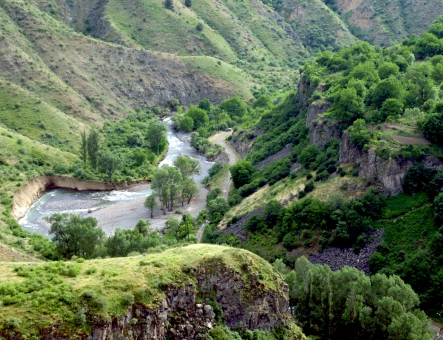
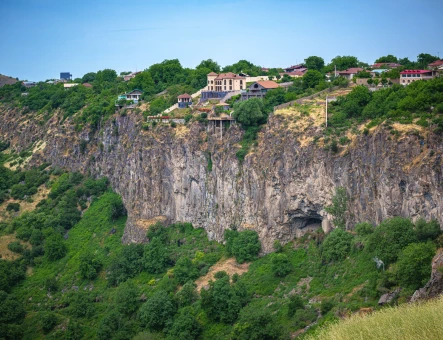
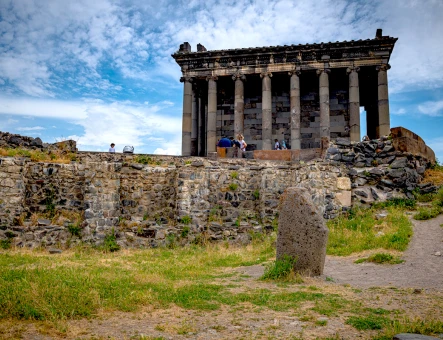
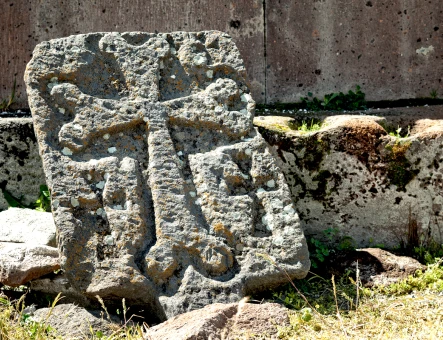
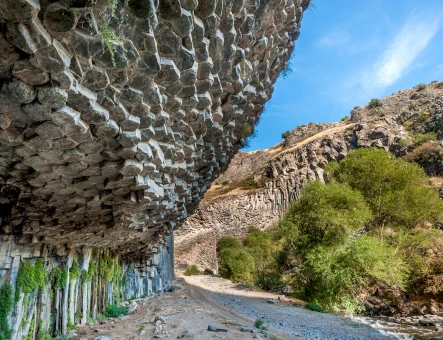
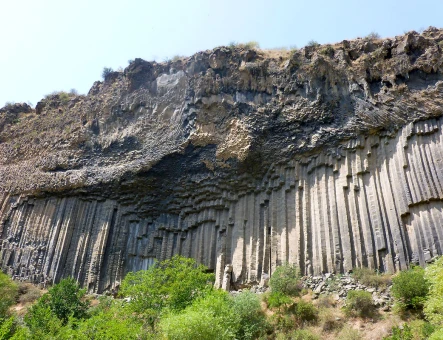
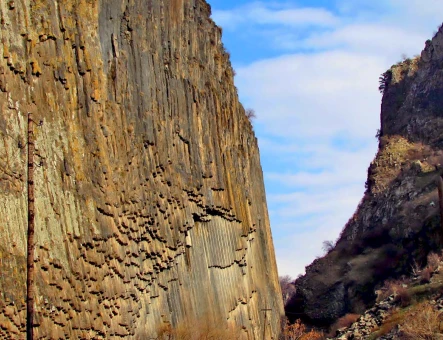
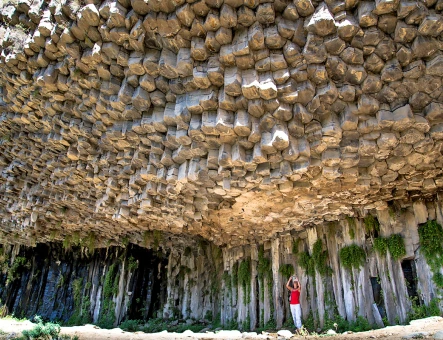
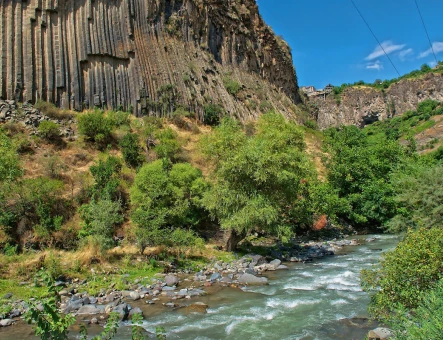
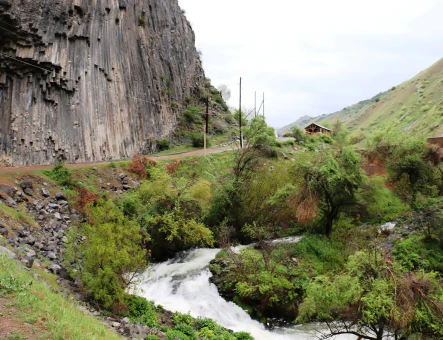
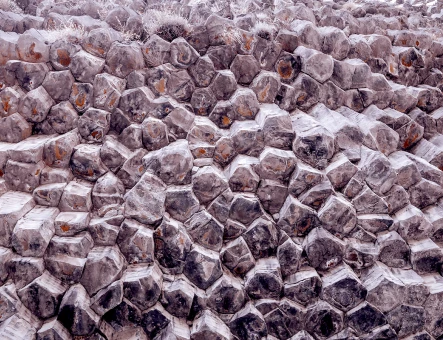
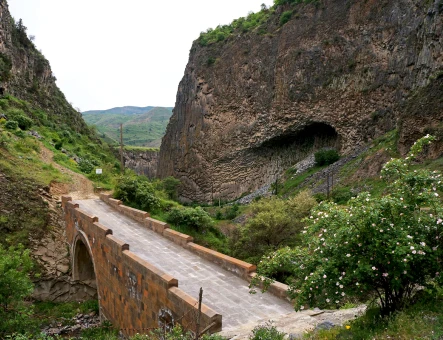
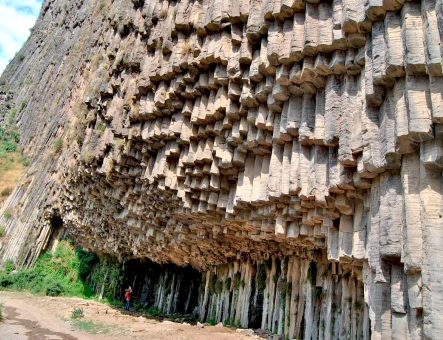
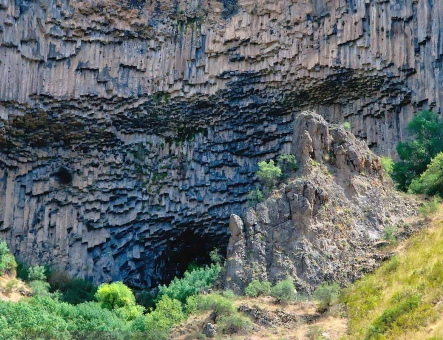
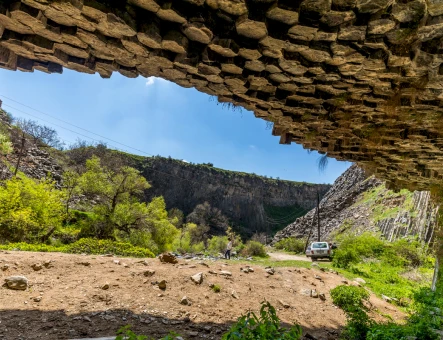
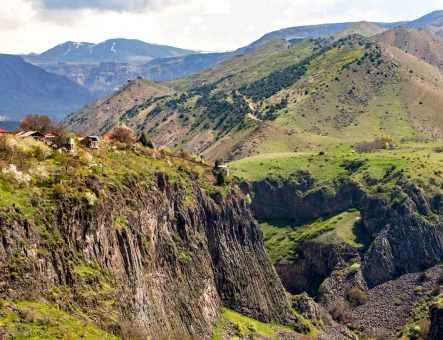
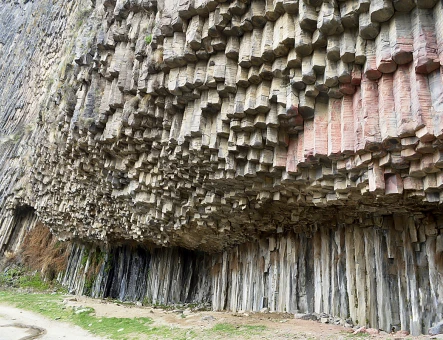
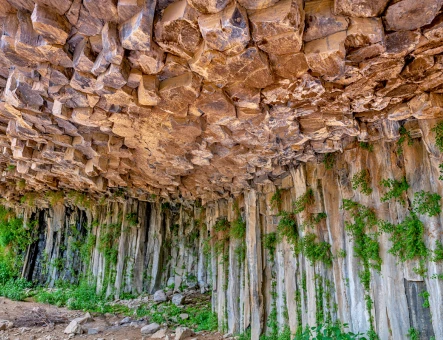
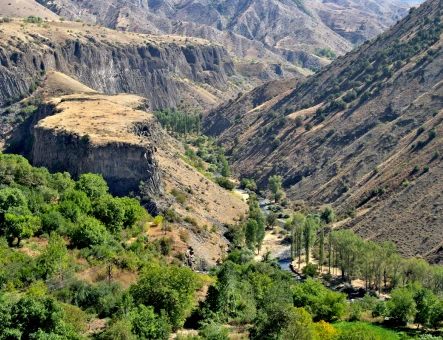
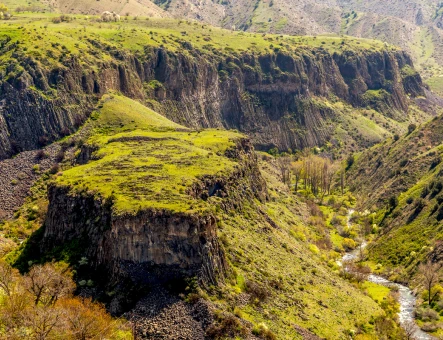
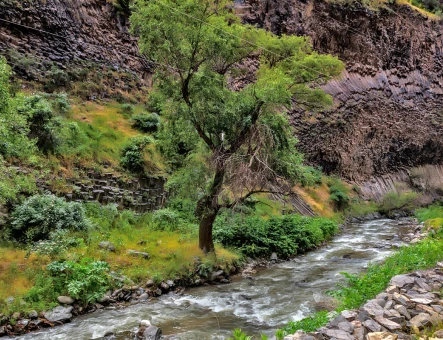
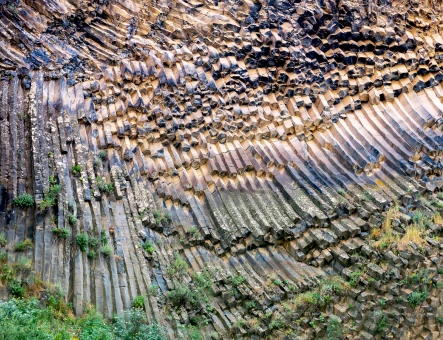
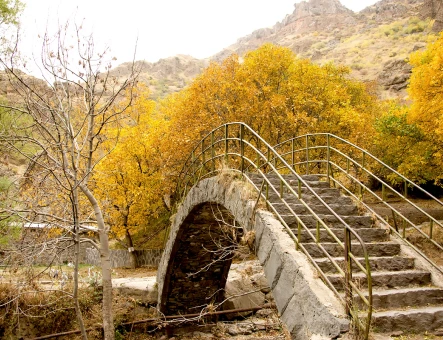
4. Symphony of Stones (Garni Canyon)
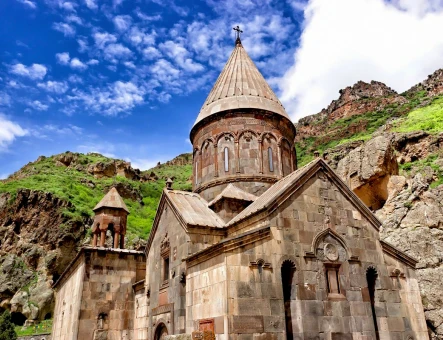
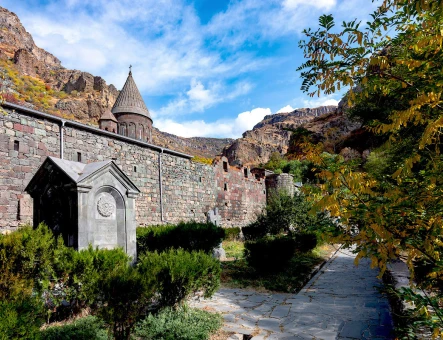
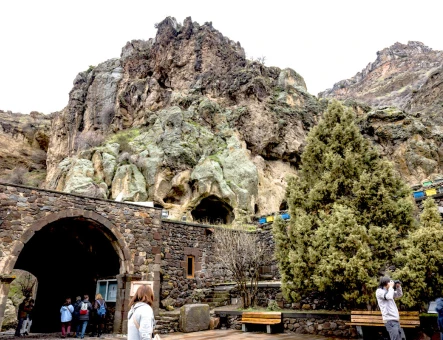
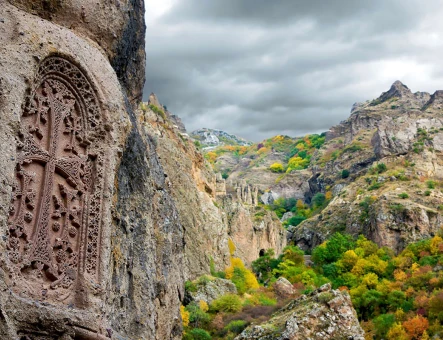
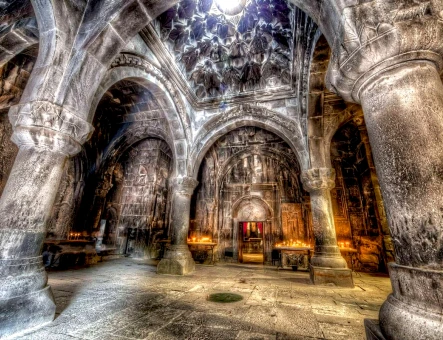
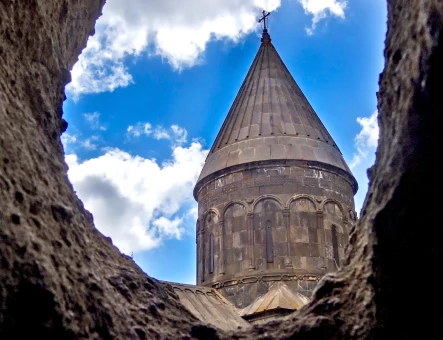
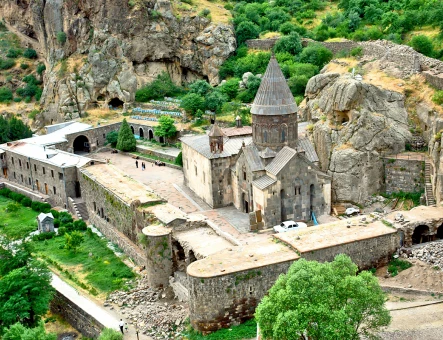
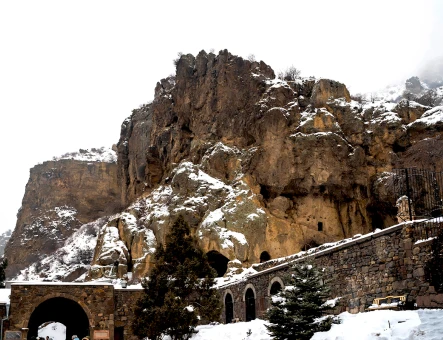
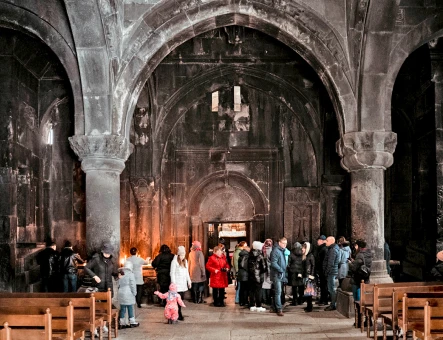
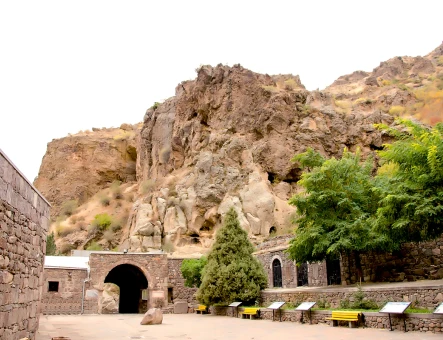
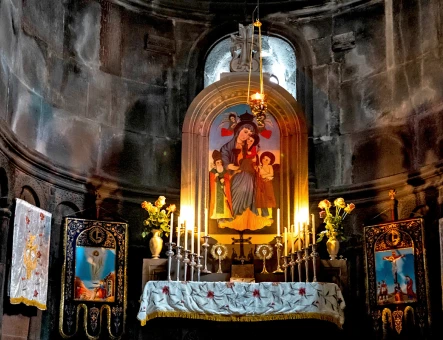
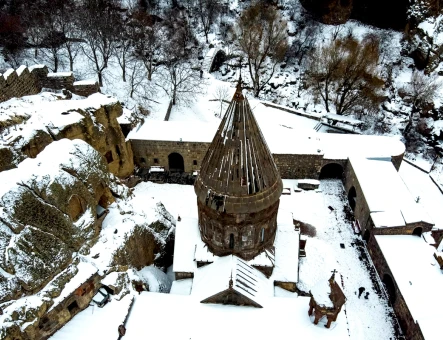
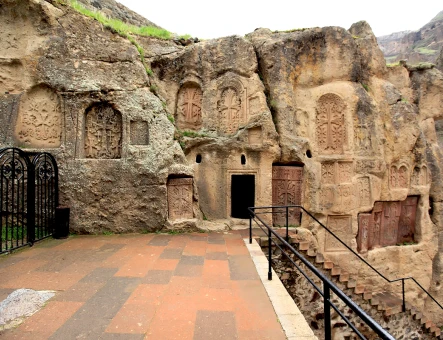
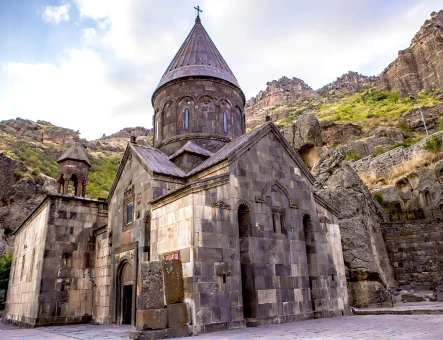
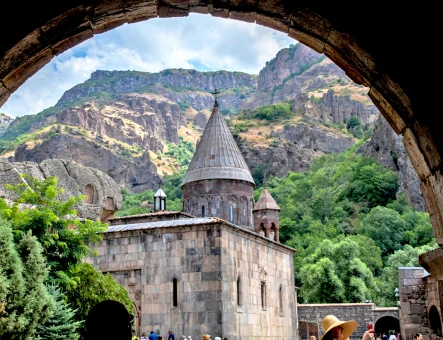
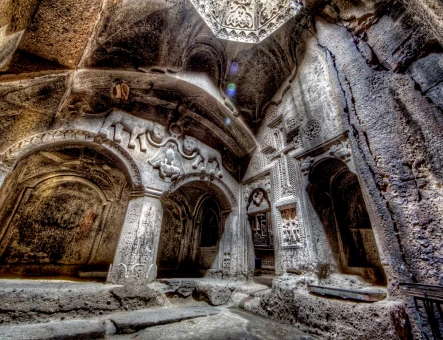
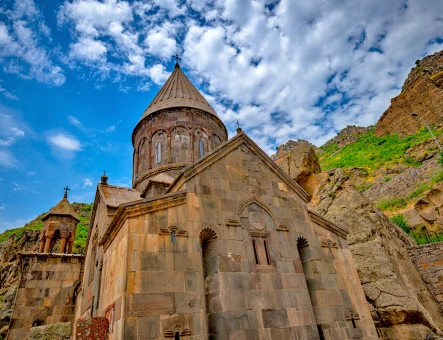
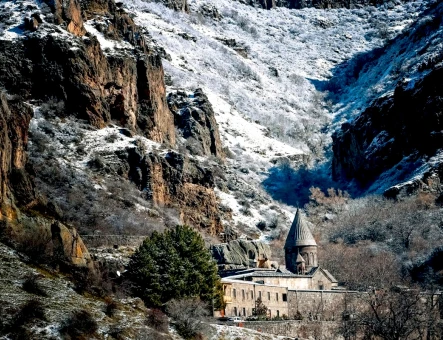
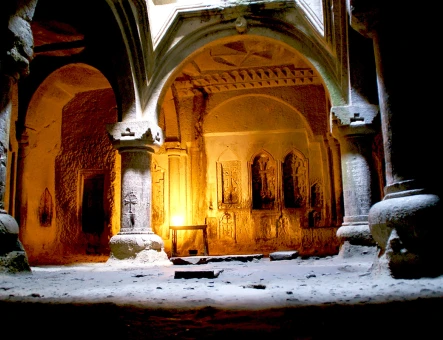
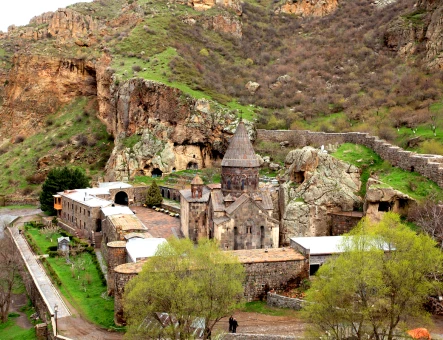
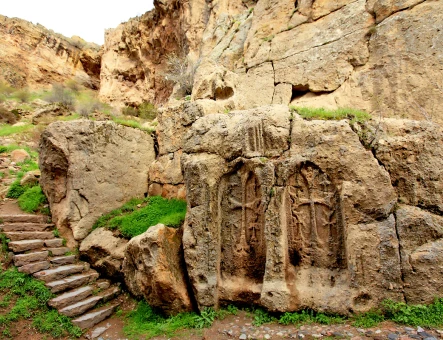
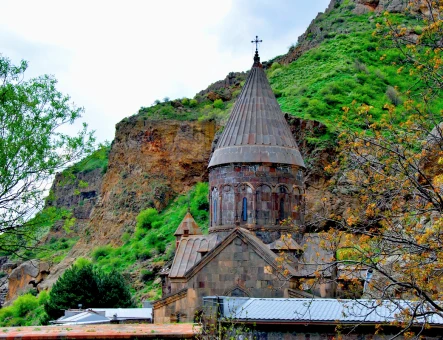
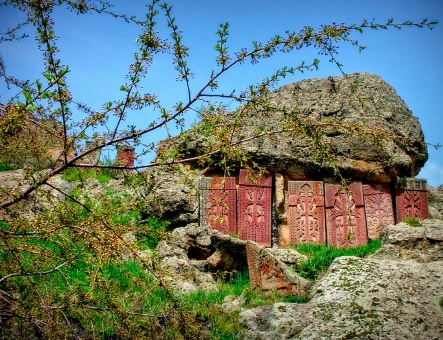
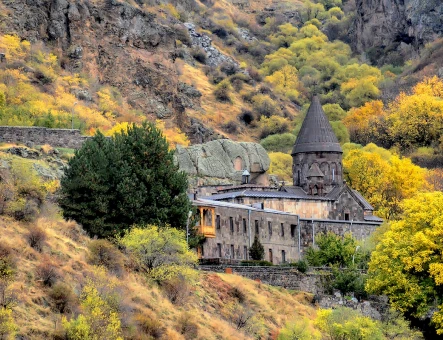
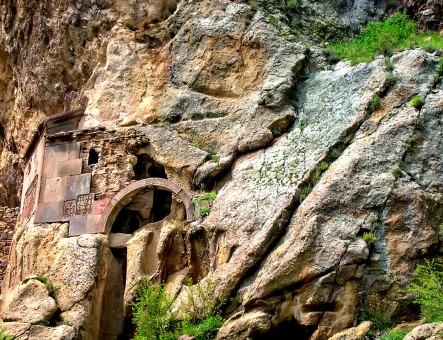
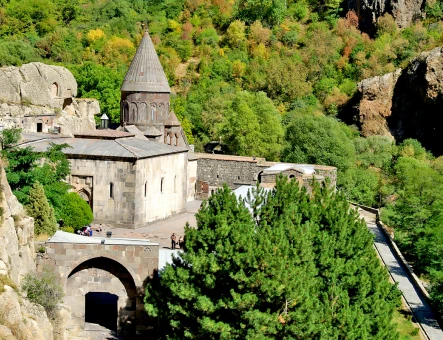
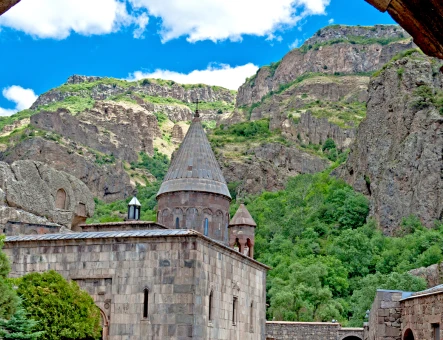
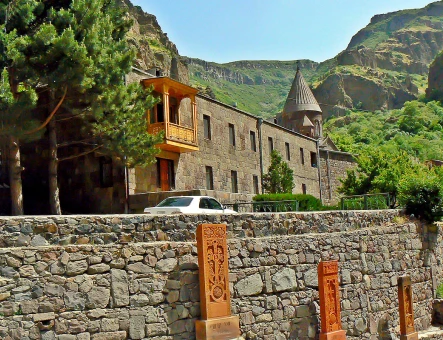
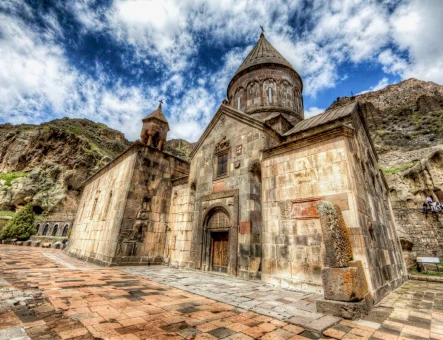
5. Geghard Monastery
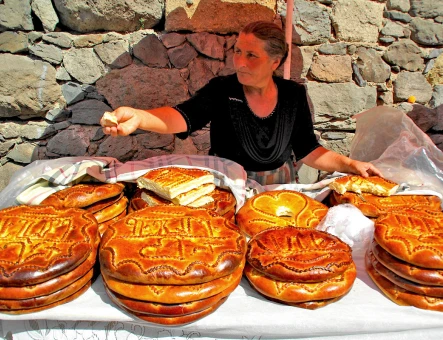
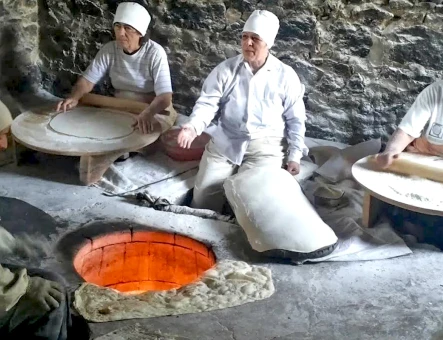
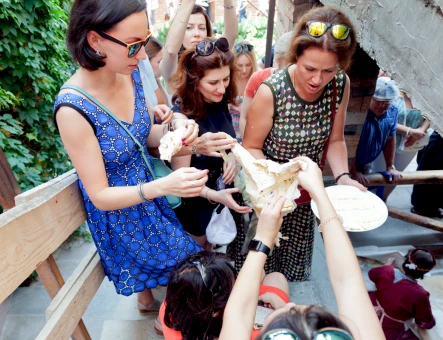
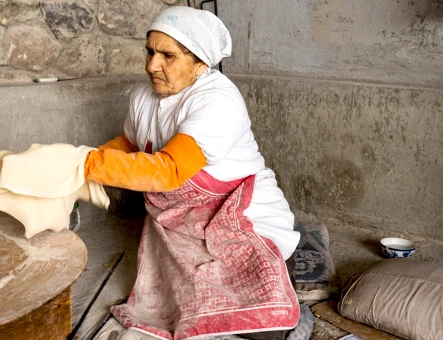
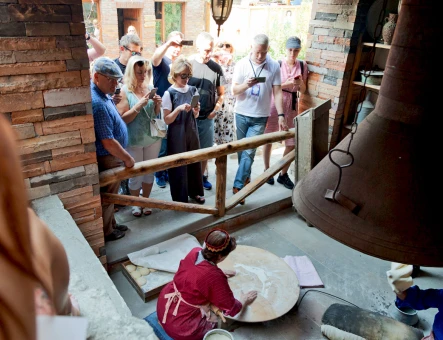
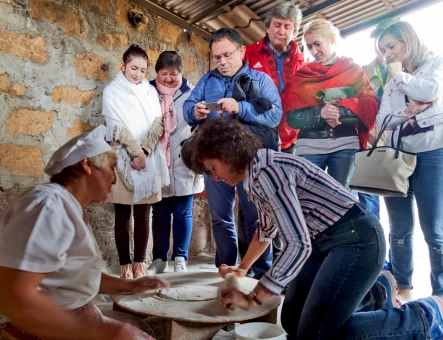
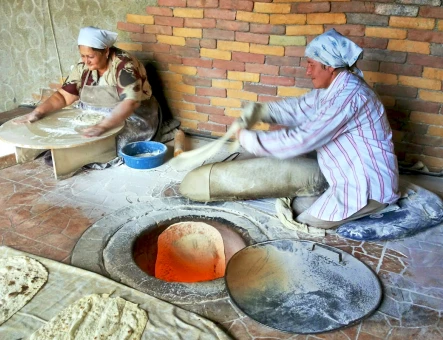
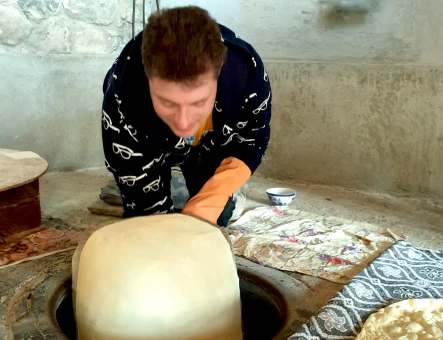
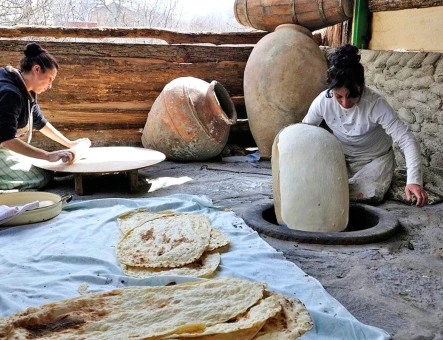
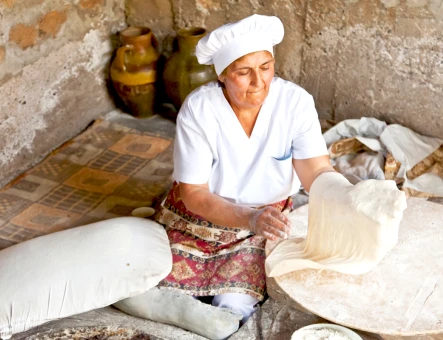
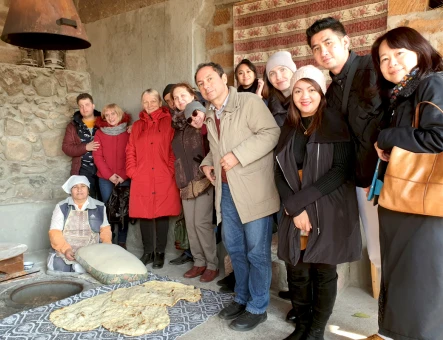
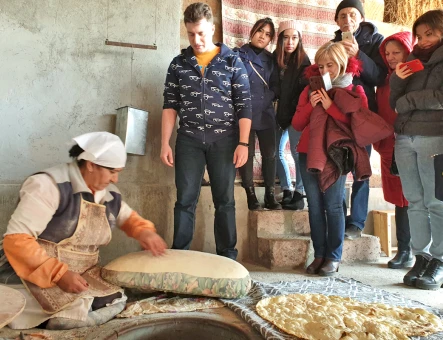
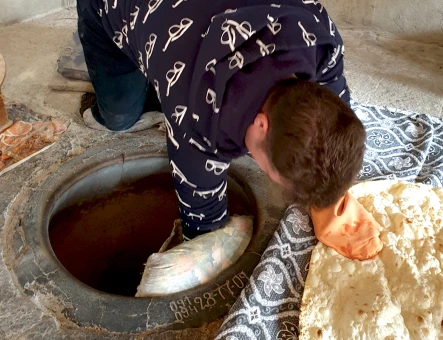
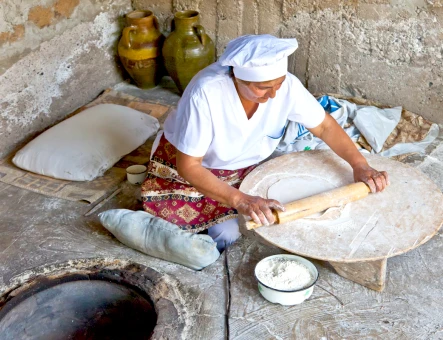
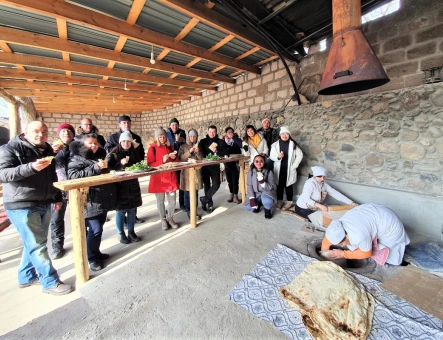
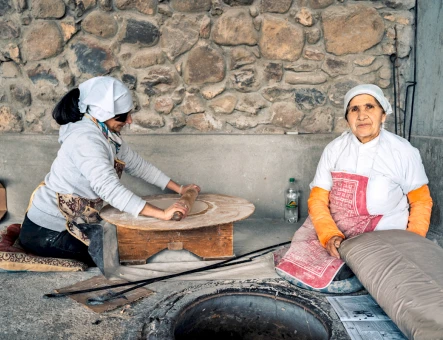
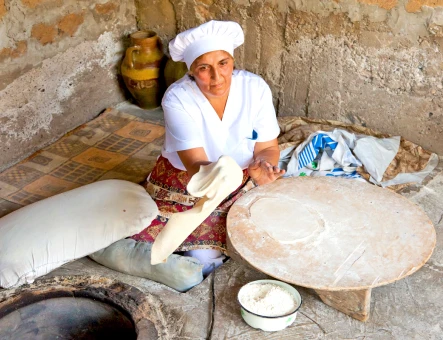
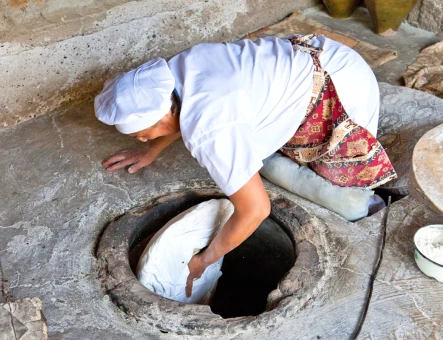
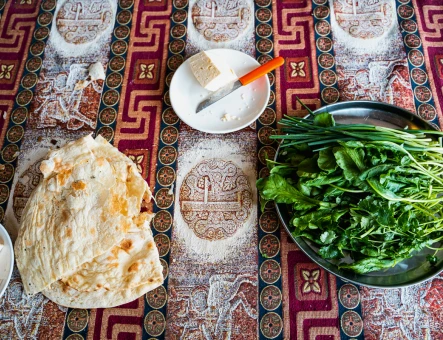
Lavash Baking Masterclass
6. Arrival point: Hyur Service (Head Office)
Inclusions
-
Professional guide: ENG + RUS consecutively
-
Air-conditioned vehicles
-
Bottled water & pastries
-
Admission tickets
-
Wi-Fi in the vehicles
-
Vehicle & passengers insurance
-
Masterclass & tasting
Exclusions
-
Lunch stop
-
Hotel drop-off (final stop: our office)
Highlights
- Capture Mount Ararat from Charents Arch, one of the route's most rewarding photo stops
- Step into Armenia's pagan past at the 1st-century Garni Temple
- See the Symphony of Stones in Garni Gorge, or enjoy a sujukh-making experience if winter road conditions close the canyon
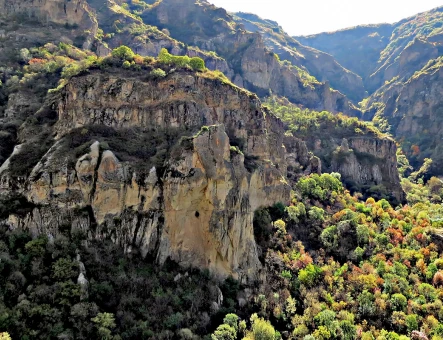
- Discover Geghard, a UNESCO-listed monastery partly carved into the rock
- Bake and taste fresh lavash in a traditional Armenian masterclass
Video Gallery
Practical Info
How much walking is involved in this tour?
What does the lavash baking masterclass involve? Can I take part in the baking process?
What is the group size for this tour?
Are there any clothing requirements or recommendations for this tour?
Booking conditions
Cancellation & modification
Meet our Guides

Arev Makhsudyan
My name is Arev (which means "Sun"). I am an English-speaking tour guide in Armenia, working since 2018. If you choose me as your guide, you will learn a lot about Armenian history, nature, culture, and traditions – and as a bonus, I'll perform Armenian traditional folk songs for you.

Tigran Balyan
Hello, I am Tigran a guide in my wonderful and lovely Armenia ❤️ I am guiding in my country and with this passion I can share kindness, joy and smiles to my tourists. My experience is already 7 plus years and I enjoy architecture, wine and mountains in amazing Armenia.
Samvel Mkrtumyan
Hi, I'm Samvel. With degrees in international relations and history, and years of connecting people from all walks of life, I've turned my passion for stories into guiding. I love revealing Armenia's hidden gems, sharing its quirky legends, and showcasing its breathtaking sights. It's fun, pal. Let's enjoy it together!

Nina Manukyan
Hello! My name is Nina, I am a guide at "Hyur Service" company. I am happy to introduce guests to Armenia – its history, culture and ancient traditions. For me as a guide, it is very important that every tour is clear, engaging and comfortable. Together we will explore famous landmarks, create beautiful memories and of course, take lively photos :) I will be happy to become your guide in Armenia. Travel with "Hyur Service" and discover Armenia not only with your eyes, but also with your heart.
Reviews
Sara Martini
 Italy
Italy
12.10.2026
An experience I highly recommend; both the guide (Giana) and the driver (Spartack) were helpful, professional, knowledgeable, and kind. The perfect way to see very popular tourist attractions that draw huge numbers of visitors in a single day.
An experience I highly recommend; both the guide (Giana) and the driver (Spartack) were helpful, professional, knowledgeable, and kind. The perfect way to see very popular tourist attractions that draw huge numbers of visitors in a single day. Esperienza che consiglio vivamente, sia la guida (Giana) che l’autista (Spartack) sono stati disponibili, seri, competenti e gentili. Il modo perfetto per vedere in un solo giorno attrazioni turistiche molto visitate e meta di tantissimi turisti.Sebastian S
 Germany
24.08.2026
Had such a wonderful day in Garni, symphony of stones etc. With Rose and tall Arak our driver. Thank you so much
Valery Maksimov
 Russia
06.07.2026
Thanks to our guide Manya for a great tour! Very informative and easy to understand! The timing was excellent, with no delays or waiting around! Manya sang beautifully!
Thanks to our guide Manya for a great tour! Very informative and easy to understand! The timing was excellent, with no delays or waiting around! Manya sang beautifully! Спасибо гиду Мане за отличную экскурсию! Очень познавательно и доходчиво! По времени вообще отлично, без опозданий и задержек! Маня отлично спела!Ирина
Russia
22.06.2026
We really enjoyed the tour. Our guide, Arpi, and driver, Mavr, made the trip comfortable, interesting, and engaging. They showed us beautiful places that are iconic landmarks of Armenia. Arni told us fascinating stories about the historical events associated with these places. Thank you for a wonderful trip.
We really enjoyed the tour. Our guide, Arpi, and driver, Mavr, made the trip comfortable, interesting, and engaging. They showed us beautiful places that are iconic landmarks of Armenia. Arni told us fascinating stories about the historical events associated with these places. Thank you for a wonderful trip. Очень понравилась экскурсия. Гид Арпи и водитель Мавр сделали нашу поездку комфортной, интересной и увлекательной. Показали нам красивые места, которые являются визитной карточкой Армении. Арни очень интересно рассказывала про исторические события , связанные с этими местами. Спасибо за прекрасную поездку.- 1
- 2
- 3
You might also like...

 543 reviews