Group tour: Gyumri Walking Tour, Black Fortress, Museum, Harichavank
Itinerary
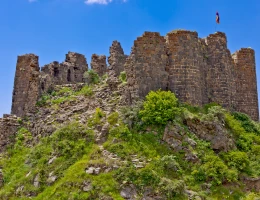
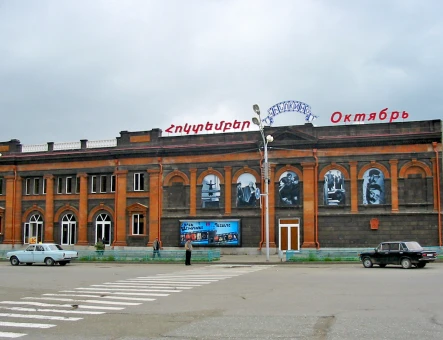
Gyumri, Gyumri Urban Life Museum (Dzitoghtsyan), Black Fortress, Lunch stop, Harichavank Monastery
1. Meeting point: Hyur Service (Head Office) – 96, Nalbandyan str., Yerevan
2. Gyumri
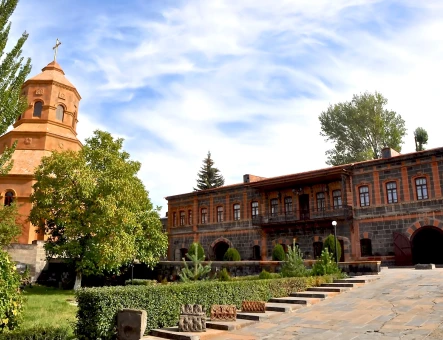
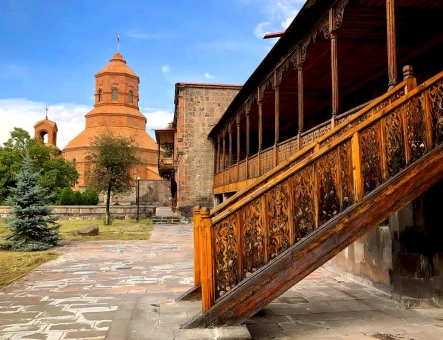
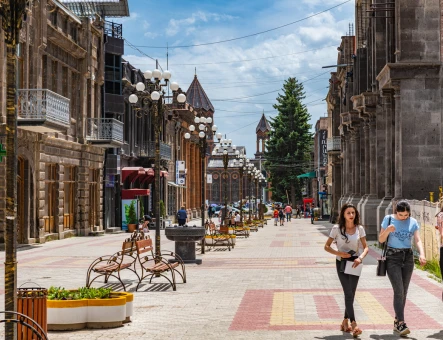
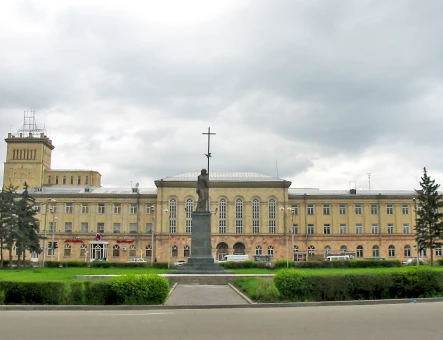
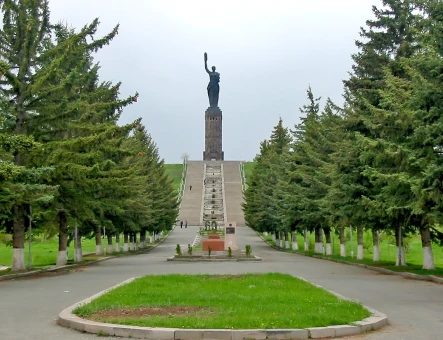
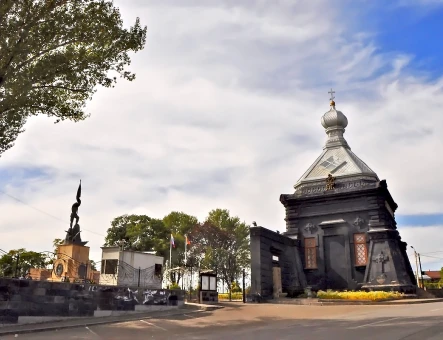
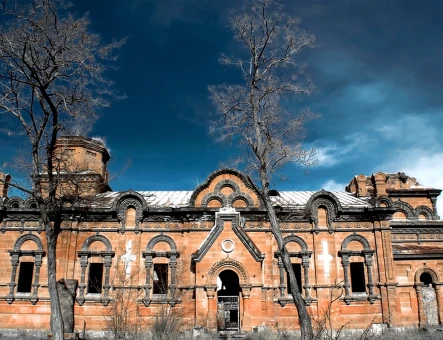
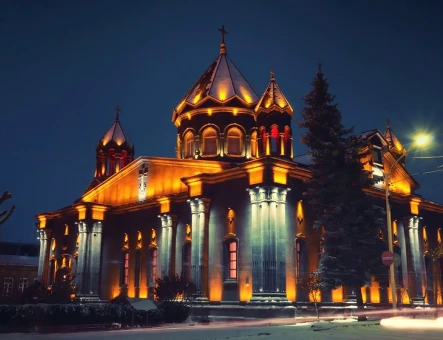
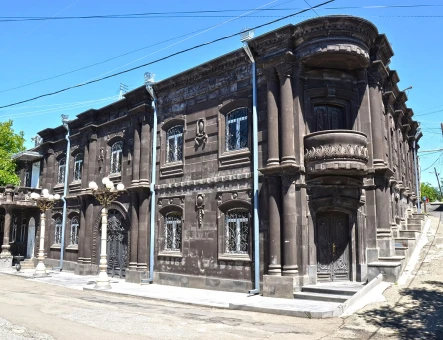
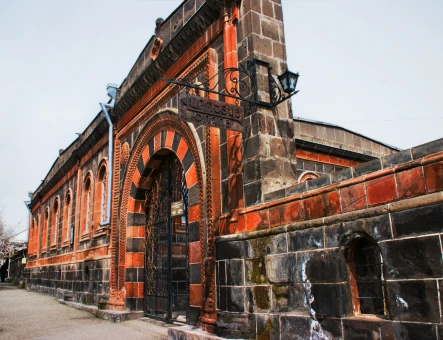
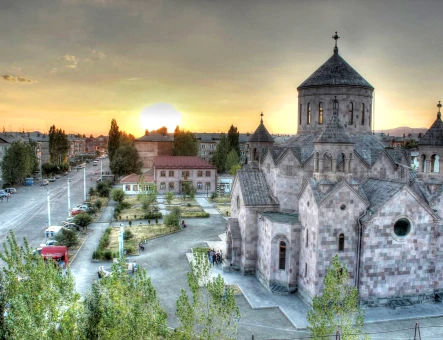
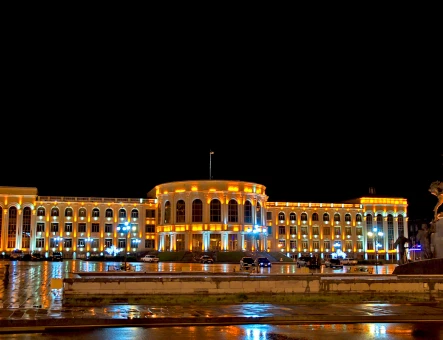
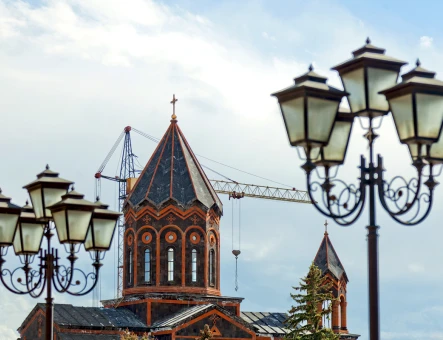
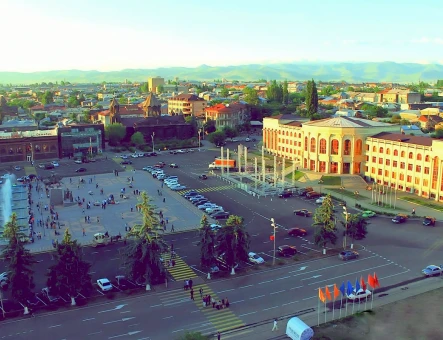
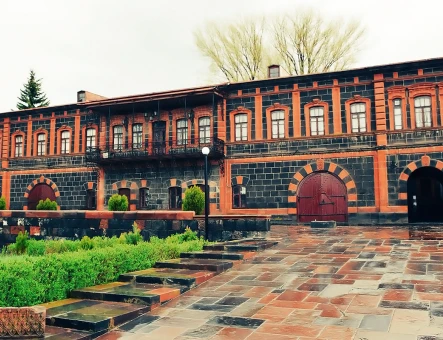
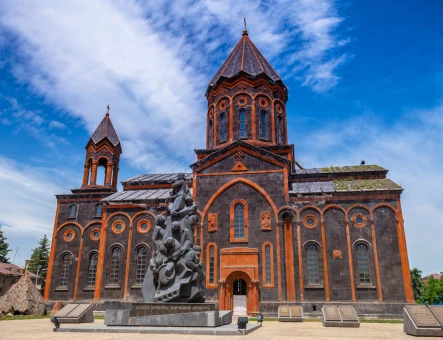
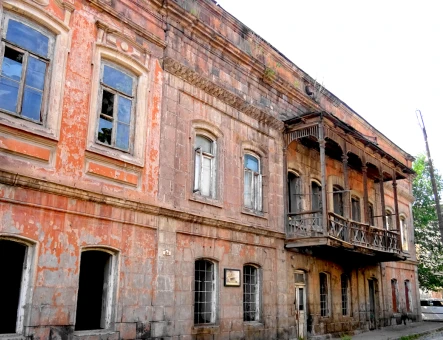
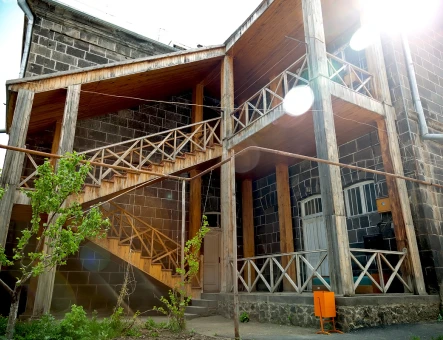
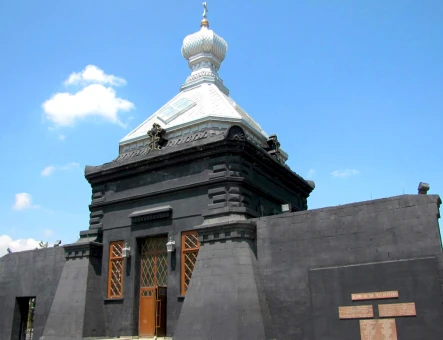
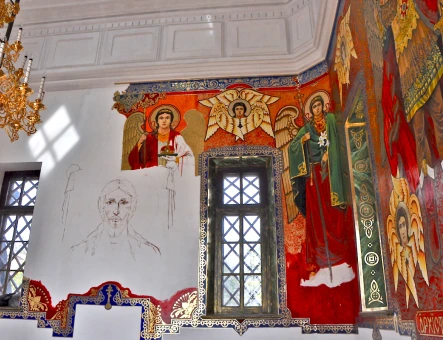
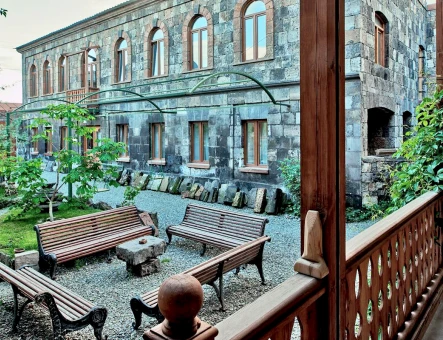
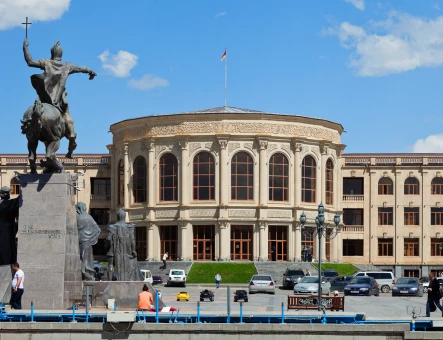
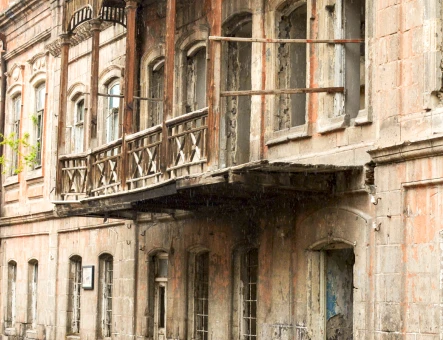
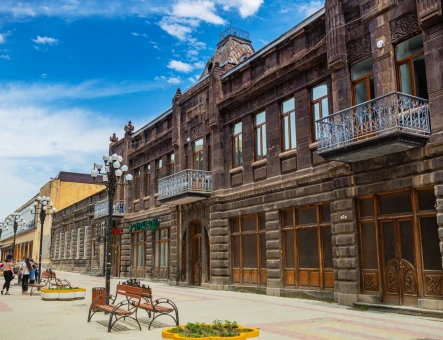
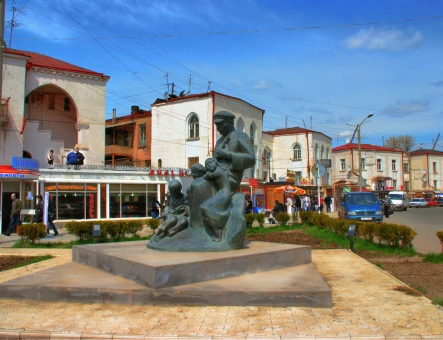
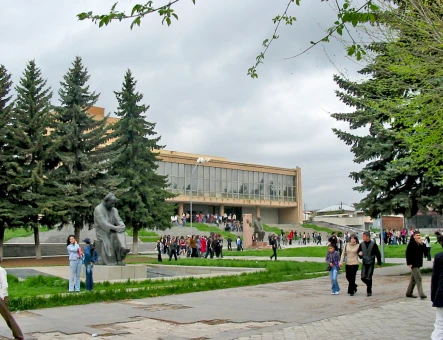
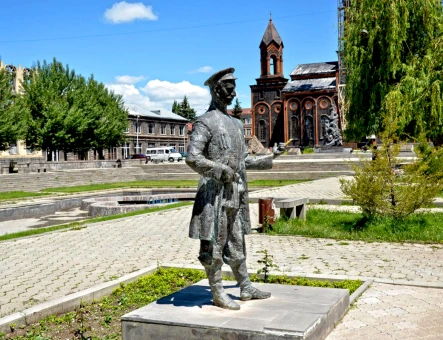
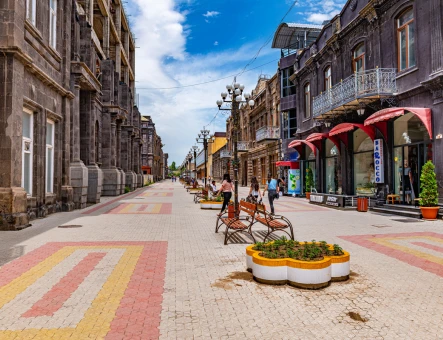
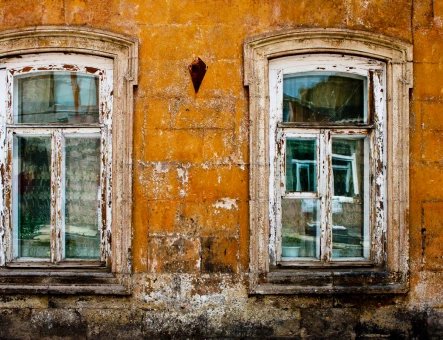
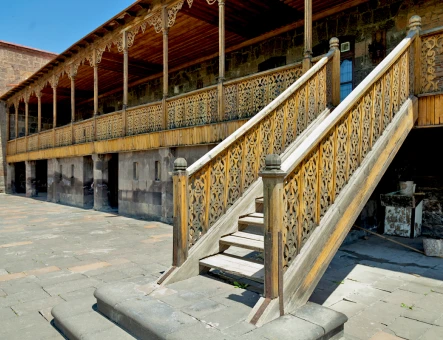
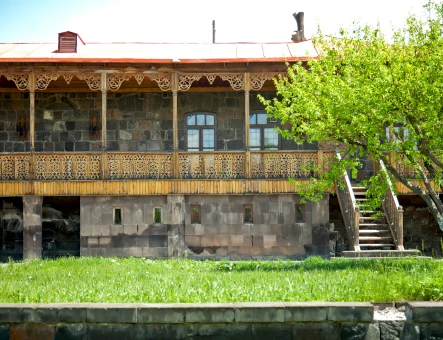
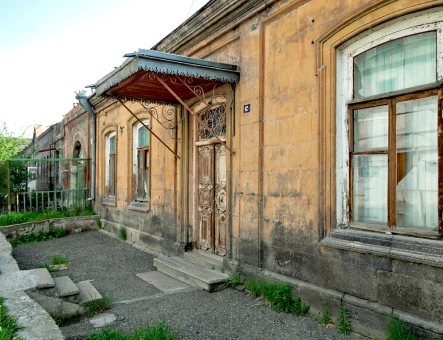
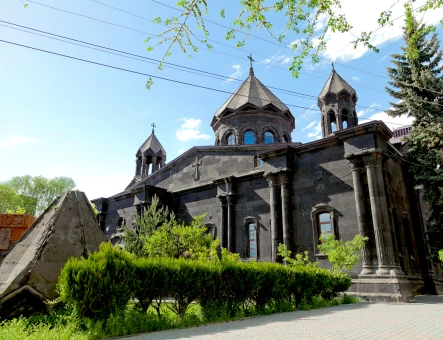
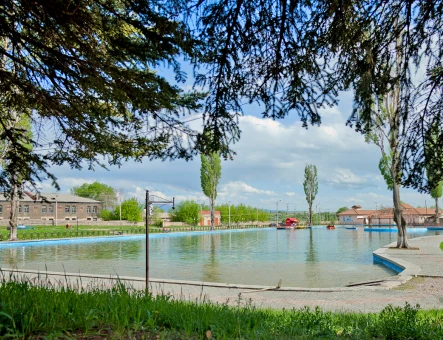
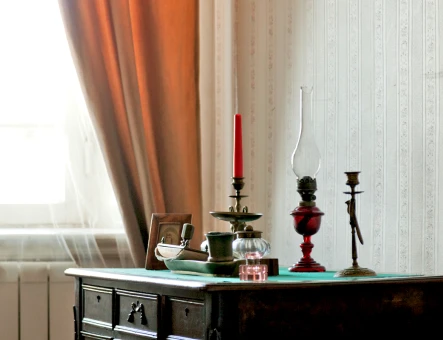
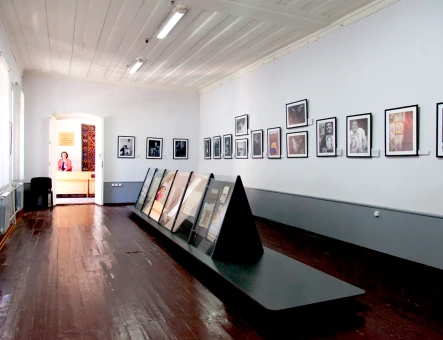
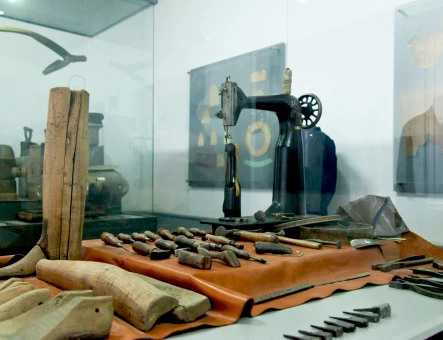
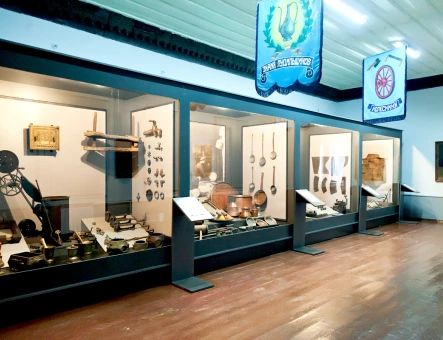
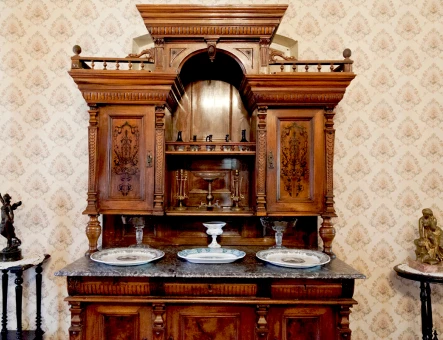
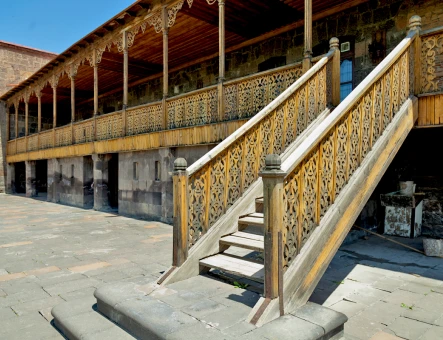
3. Gyumri Urban Life Museum (Dzitoghtsyan)
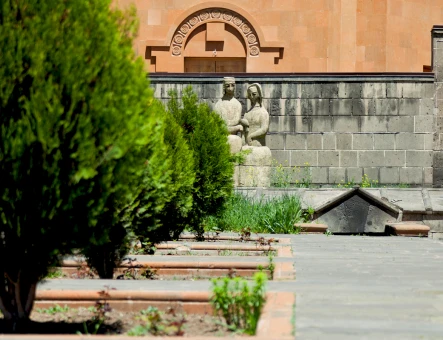
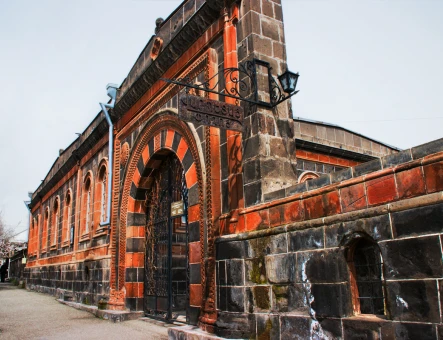
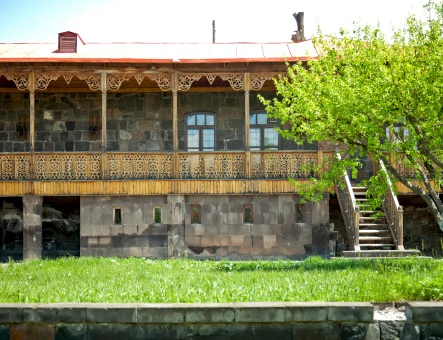
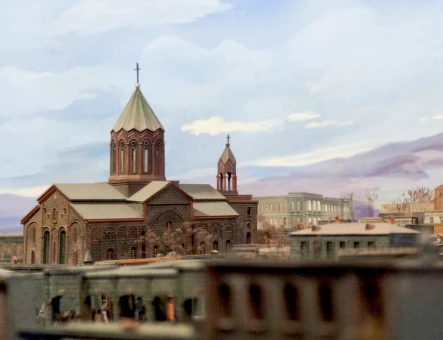
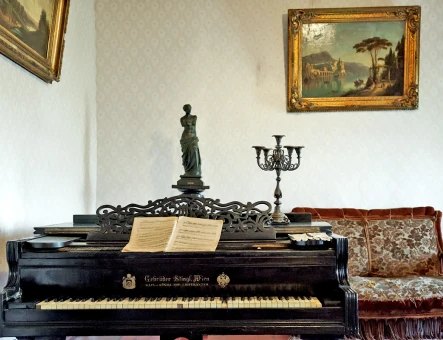
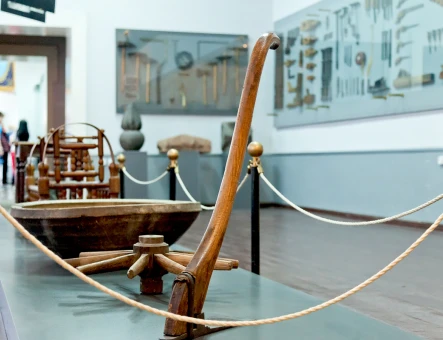
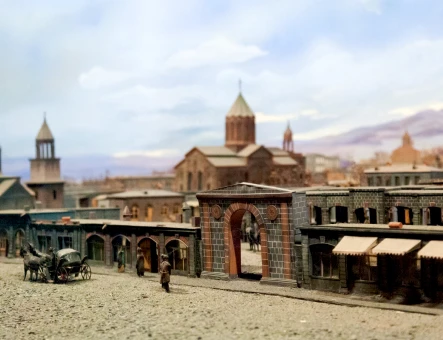
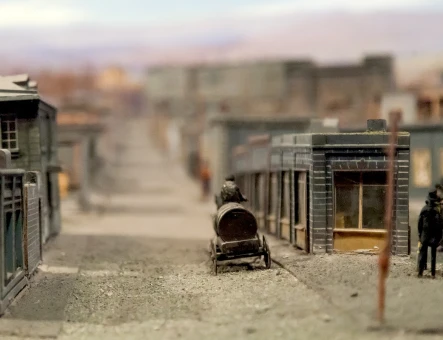
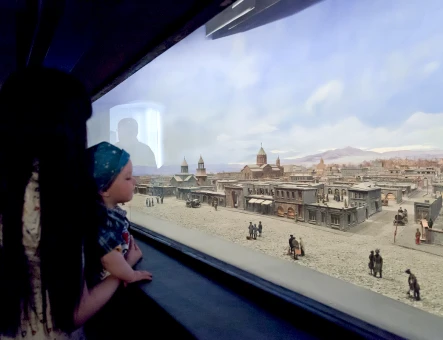
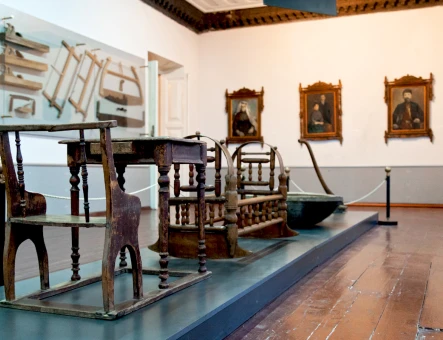
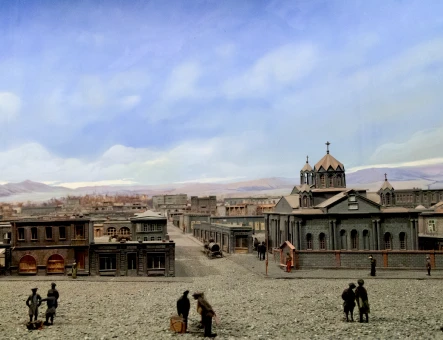
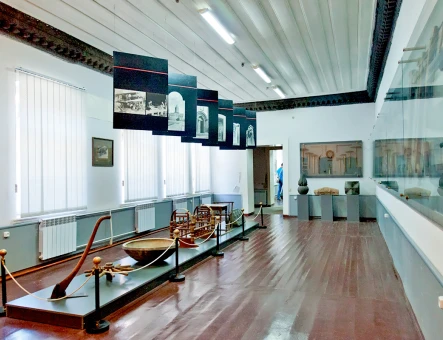
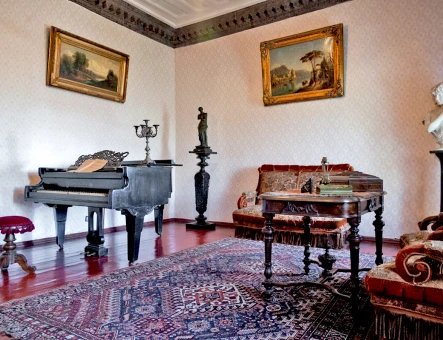
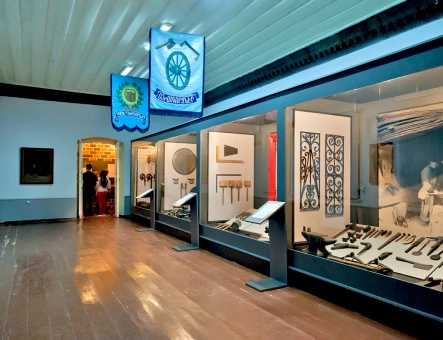
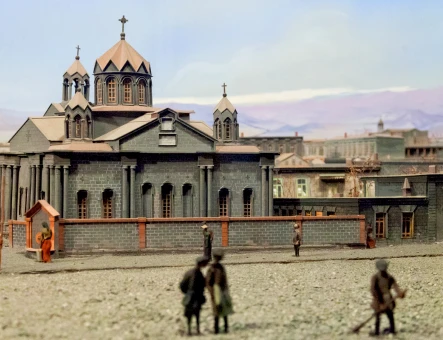
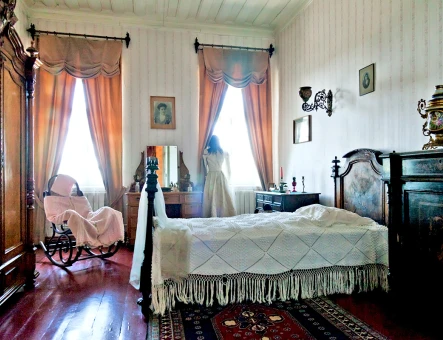
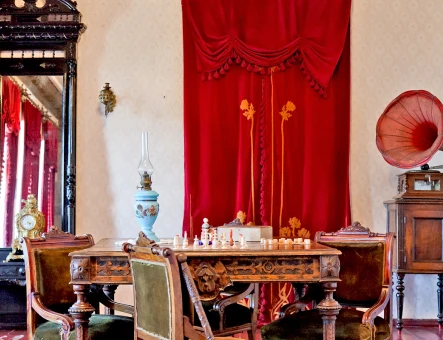
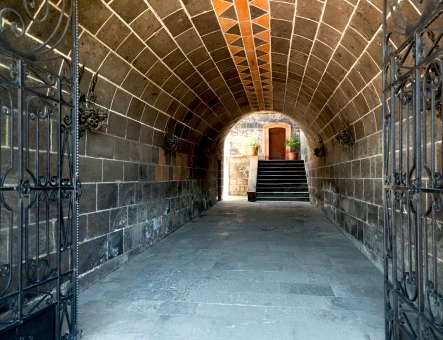
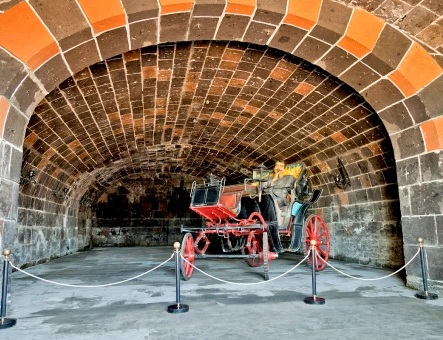
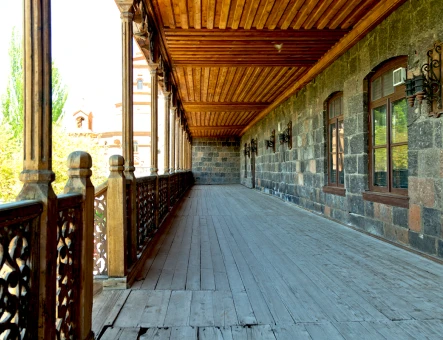
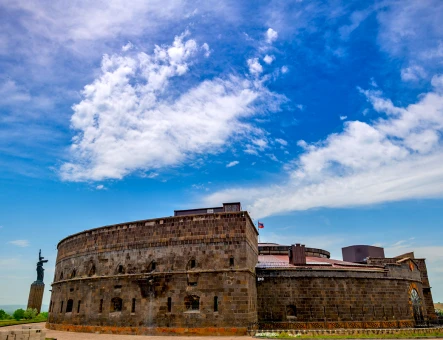
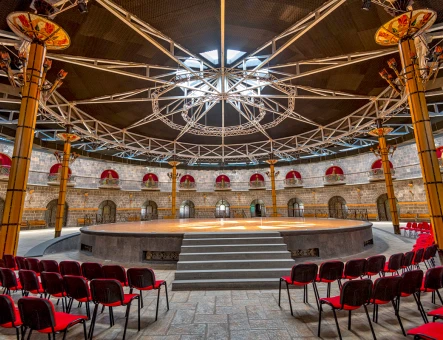
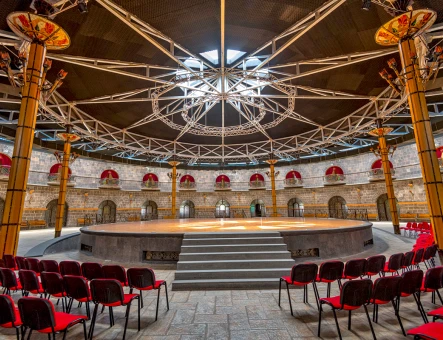
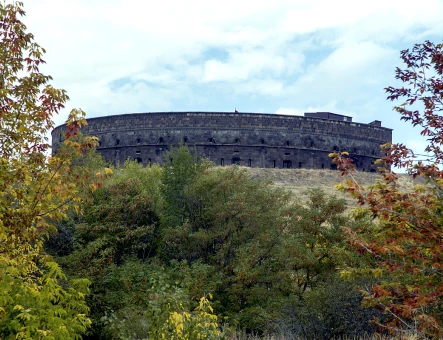
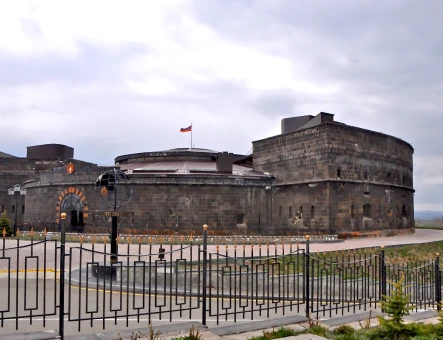
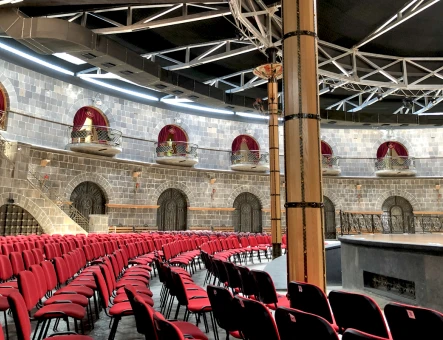
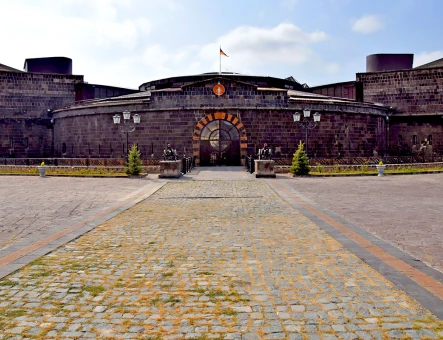
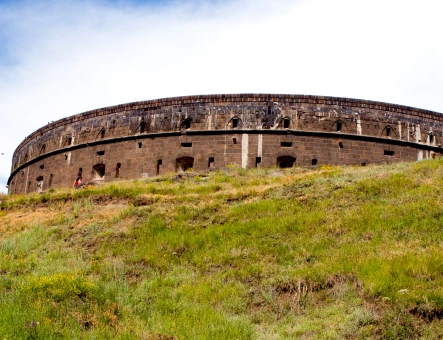
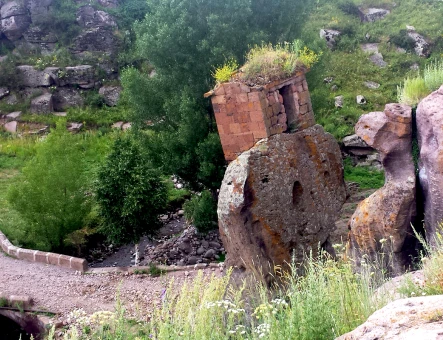
4. Black Fortress
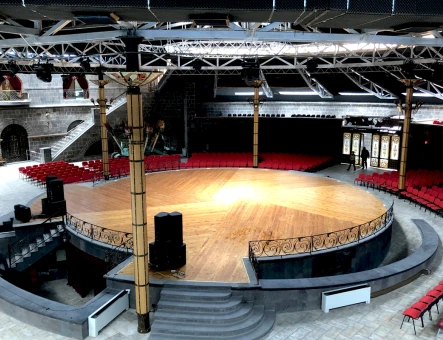
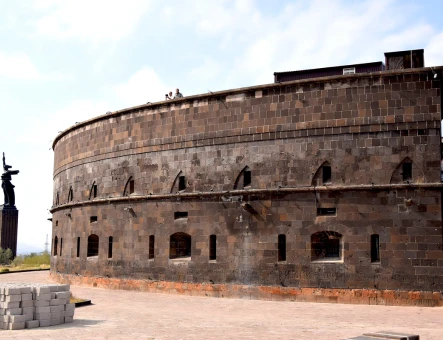
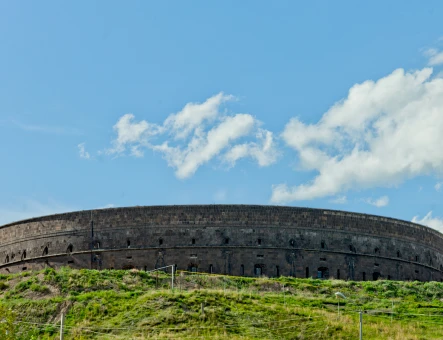
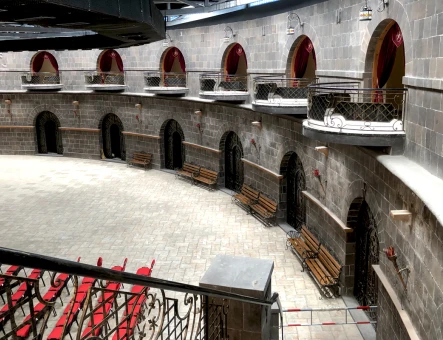
Lunch stop
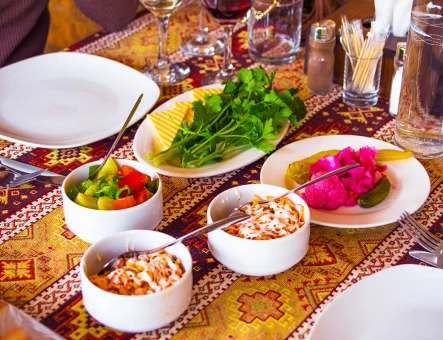
Option 1 (vegeterian) – 11 USD per person
Option 2 – 13 USD per person
Option 3 – 14 USD per person
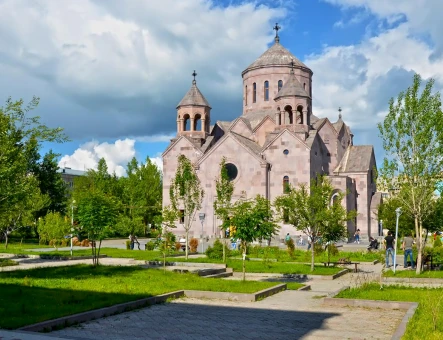
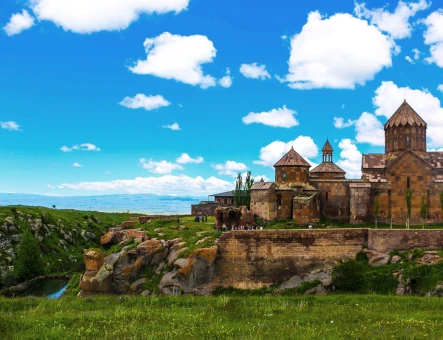
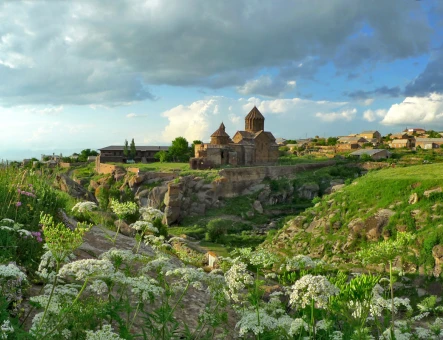
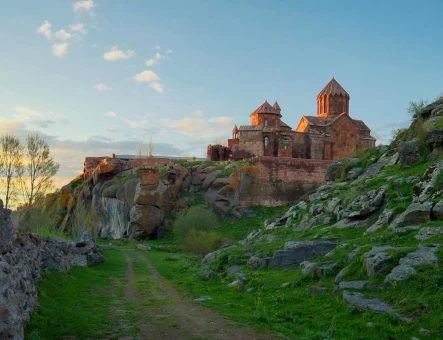
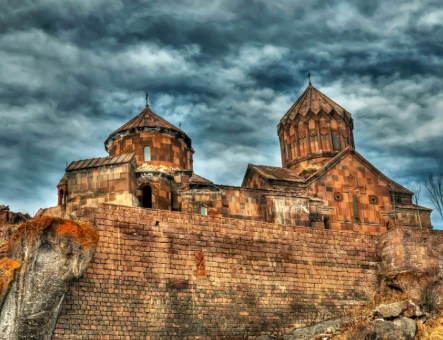
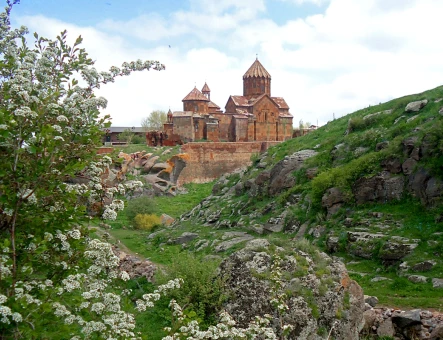
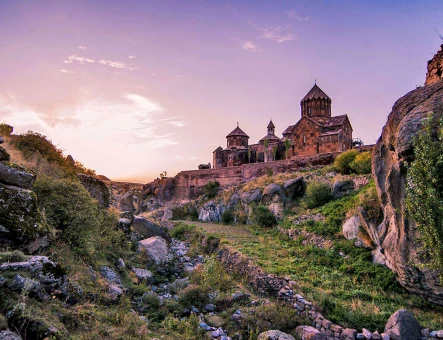
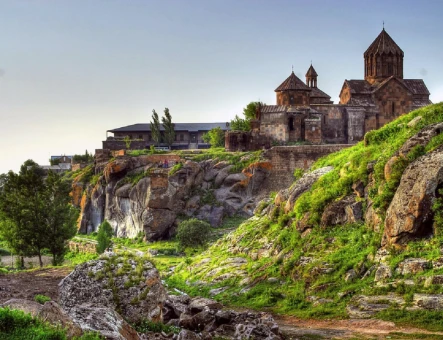
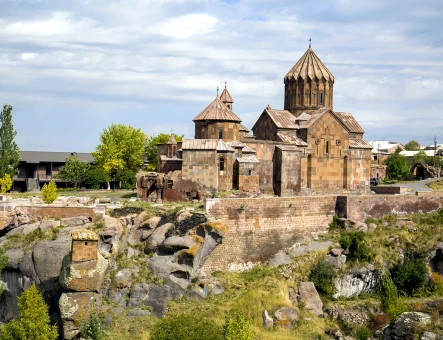
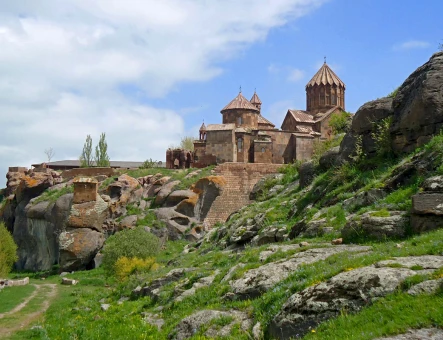
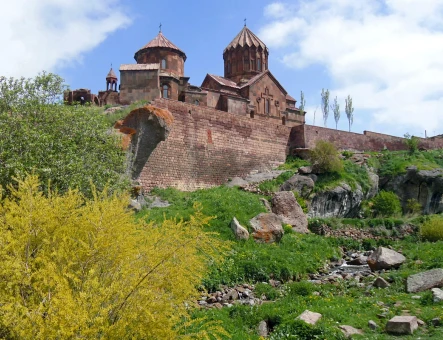
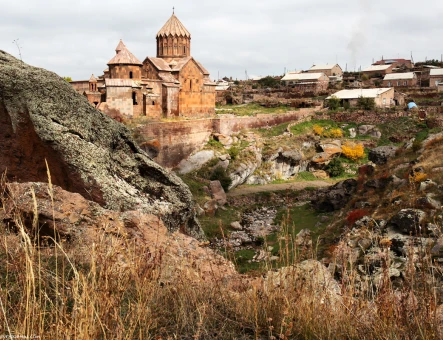
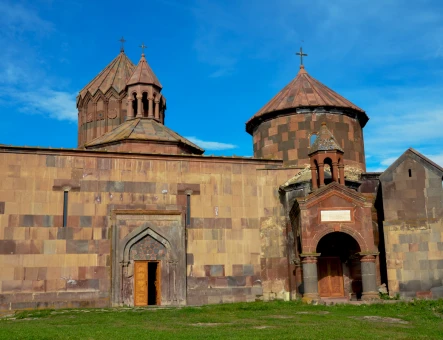
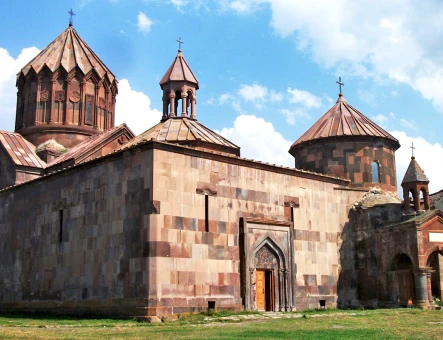
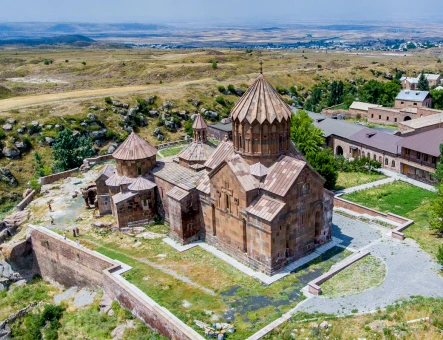
5. Harichavank Monastery
6. Arrival point: Hyur Service (Head Office)
Inclusions
-
Professional guide: ENG + RUS consecutively
-
Air-conditioned vehicles
-
Bottled water & pastries
-
Admission tickets
-
Wi-Fi in the vehicles
-
Vehicle & passengers insurance
Exclusions
-
Lunch cost (11 USD – 14 USD)
-
Hotel drop-off (final stop: our office)
Highlights
- Discover Gyumri's old streets, black tuff architecture and warm local character
- Step inside the Urban Life Museum and feel the spirit of historic Alexandropol
- See the Black Fortress, one of the city's most striking 19th-century landmarks
- Look out for film locations, crafts and local stories that give Gyumri its special charm
- Visit Harichavank, a medieval monastery set against the slopes of Mount Aragats
Video Gallery
Practical Info
How much walking is involved in this tour?
Can I pay for lunch at the restaurant by card?
What is the group size for this tour?
Are there any clothing requirements or recommendations for this tour?
Booking conditions
Cancellation & modification
Meet our Guides

Mariam Margaryan
With over 13 years of professional experience leading diverse international groups, I don't just show travelers a destination – I help them live it. My tours bridge cultural history, authentic food and wine traditions and the active adventure of scenic hiking.
Anahit Iskoyan
Hello, I'm Anahit. My job is not just to accompany you, but to tell the story of Armenia so that even the oldest stones begin to speak. I believe that every journey can become a memory when it passes through the heart. And with that very heart, I want to show you Armenia – its history, legends, and human warmth. If you want your tour to be more than just a list of facts but a true encounter with the country, I'll be happy to be your guide.

Manya Gevorgyan
I have been a tour guide since 2015. To this day, every excursion is a great source of positive energy for me. During the tours, you will not only get acquainted with the sights, the country's history, and its architectural features, but also feel the full charm of the Armenian emotional mindset and lifestyle.

Anahit Aslanyan
Education – musical-pedagogical and cultural studies. I have worked in the fields of tourism, education, and culture in Russia and Armenia. Currently, I work as a guide at the Armenian Genocide Museum-Institute and in the company "Hyur Service". As a person with a humanities education and a cultural studies mindset, I strive to present my homeland as comprehensively as possible so that visitors gain a general impression of the history and art of the Armenian people. I pay special attention to mental and cultural characteristics to make every visitor's stay in Armenia comfortable and positive. I continue to study and share new knowledge.
Reviews
Дарья Бережная
 Russia
17.07.2026
I really enjoyed the tour in Gyumri with our guide, Arpi. She’s very lively and shares interesting things with so much energy) Everything went wonderfully! And thanks to Karen for driving)
I really enjoyed the tour in Gyumri with our guide, Arpi. She’s very lively and shares interesting things with so much energy) Everything went wonderfully! And thanks to Karen for driving) Очень понравилось на экскурсии в Гюмри с гидом Арпи. Она очень живая, делится интересным с энергией) Все прошло замечательно! И спасибо Карену за вождение)Михаил Раскин
 Canada
17.07.2026
The trip to Gyumri left us with the most wonderful impressions. Our guide, Arpi, was very friendly and attentive, and knew the history extremely well. Thanks to her interesting stories, the tour was not only informative but genuinely fascinating.
Many thanks to Arpi and our driver, Karen, for their professionalism, kindness, and excellent service. The tour was superbly organized, the bus was comfortable, and the whole trip left us with the warmest memories. I wholeheartedly recommend it!
Many thanks to Arpi and our driver, Karen, for their professionalism, kindness, and excellent service. The tour was superbly organized, the bus was comfortable, and the whole trip left us with the warmest memories. I wholeheartedly recommend it! Поездка в Гюмри оставила самые приятные впечатления. Наш гид Арпи была очень дружелюбной, внимательной и прекрасно знала историю. Благодаря её интересным рассказам экскурсия получилась не только познавательной, но и по-настоящему увлекательной.
Огромное спасибо Арпи и нашему водителю Карену за профессионализм, доброжелательность и отличный сервис. Экскурсия была прекрасно организована, автобус был комфортным, и вся поездка оставила самые тёплые воспоминания. Искренне рекомендую!
Ирина Борисова
Russia
09.04.2024
On 09.04.2024, as part of an international group of tourists, we took a tour along the Gyumri–Black Fortress–Harichavank route. The route and the sights we saw were quite interesting. We really enjoyed the Museum of Urban Life, where the guide gave a detailed and engaging account of the local people’s way of life, traditional crafts and artisans of past centuries. The museum has a large number of exhibits—household items, clothing, and so on—which are bound to spark a listener’s interest. Our visit to the museum left us with the warmest impressions!
The tour of Gyumri... The old town and its historic center left us with the warmest impressions. We visited that very barbershop, preserved from Soviet times (we went during our free time), and chatted with its staff, who had taken such care to preserve the entire setting from that period, right down to the pennants and certificates. And of course, part of Gyumri’s history is connected with the beloved favorite of Soviet moviegoers, the kind Frunzik Mkrtchyan.
A very informative tour along the entire route, led by our guide Tatev. Brilliant! Such a wealth of historical facts, and just so much interesting information! We simply wanted to listen and listen.
Thank you, Tatev! Special thanks to our good-natured driver Levon, who drove us so smoothly and gently along mountain roads that weren’t always even! We have the warmest impressions of your work. Thank you again!
By the way, we’re a little over 50, but we weren’t tired at all, which, to be honest, surprised even us!
Irina and Yuri. Moscow. 12.04.2024.
The tour of Gyumri... The old town and its historic center left us with the warmest impressions. We visited that very barbershop, preserved from Soviet times (we went during our free time), and chatted with its staff, who had taken such care to preserve the entire setting from that period, right down to the pennants and certificates. And of course, part of Gyumri’s history is connected with the beloved favorite of Soviet moviegoers, the kind Frunzik Mkrtchyan.
A very informative tour along the entire route, led by our guide Tatev. Brilliant! Such a wealth of historical facts, and just so much interesting information! We simply wanted to listen and listen.
Thank you, Tatev! Special thanks to our good-natured driver Levon, who drove us so smoothly and gently along mountain roads that weren’t always even! We have the warmest impressions of your work. Thank you again!
By the way, we’re a little over 50, but we weren’t tired at all, which, to be honest, surprised even us!
Irina and Yuri. Moscow. 12.04.2024. 09.04.2024 г. в составе интернациональной группы туристов совершили тур по маршруту Гюмри-Черная крепость-Харичаванк. Маршрут и увиденные достопримечательности достаточно интересны. Очень понравился Музей городской быта, где экскурсовод подробно и интересно рассказал об образе жизни местного народа, народных промыслах и мастерах прошлых веков. В музее представлено большое количество экспонатов - предметов быта, одежды и пр., что не может не вызвать живого интереса у слушателя. Посещение музея оставили самые добрые впечатления!
Экскурсия по Гюмри.... Старый город, его исторический центр, оставил самые добрые впечатления. Побывали в той самой, сохранившейся ещё с советских времён парикмахерской (посетили в свободное время), где пообщались с её работниками, так бережно сохранившими всю обстановку того периода времени, вплоть до вымпелов и грамот. И конечно, часть истории Гюмри связана с любимцем всего советского кинозрителя - доброго Фрунзика Мкртчяна.
Очень познавательная экскурсия по всему маршруту, проведённая гидом Татев. Умница! Такой массив исторических фактов, да и просто интересной информации! Просто хотелось слушать и слушать.
Спасибо Татев! Отдельное спасибо добродушному водителю Левону, так плавно и нежно возившему нас по не всегда ровным горным дорогам! Впечатления от вашей работы самые добрые. Ещё раз, спасибо!
Да, кстати, нам слегка за 50, но мы совсем не устали, что нас самих, в общем - то, удивило!
Ирина, Юрий. Москва. 12.04.2024 г.
Лилиана
Russia
17.10.2023
Yesterday, 17.10.2023, we went on an excursion to the city of Gyumri. We would like to thank our guide Marina for her professionalism and warm attitude toward the city's visitors. We would also like to commend the work of our driver Ashot and the entire Hyur service team. We will recommend your company to our friends.
Yesterday, 17.10.2023, we went on an excursion to the city of Gyumri. We would like to thank our guide Marina for her professionalism and warm attitude toward the city's visitors. We would also like to commend the work of our driver Ashot and the entire Hyur service team. We will recommend your company to our friends. Вчера 17.10.2023 г . мы ездили на экскурсию в город Гюмри . Хотим поблагодарить гида Марину , за ее высокие профессиональные качества и душевное отношение к гостям города. Хотим отметить работу водителя Ашота и всего коллектива Hyur service. Будим рекомендовать Вашу компанию нашим друзьям.- 1
- 2
You might also like...
 230 reviews