Private tour: Gyumri City Tour, Black Fortress, Dzitoghtsyan Museum, Harichavank
Itinerary
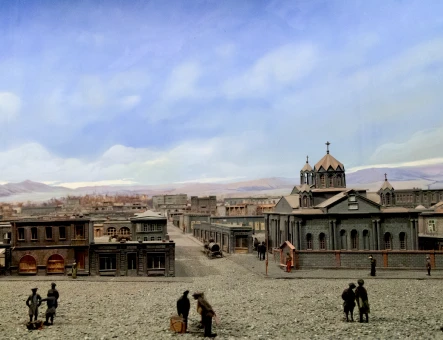
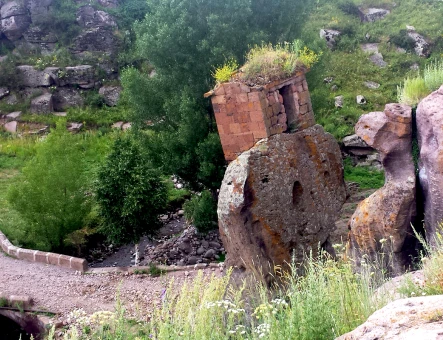
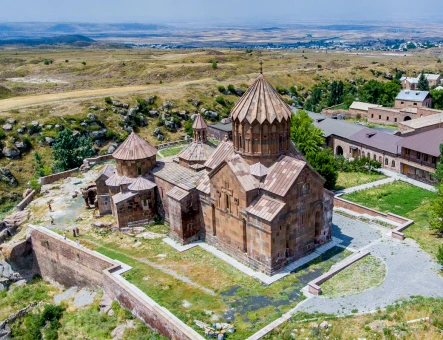
Gyumri, Black Fortress, Gyumri Urban Life Museum (Dzitoghtsyan), Harichavank Monastery
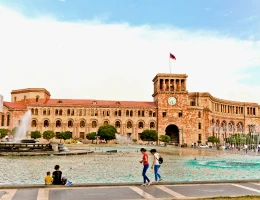
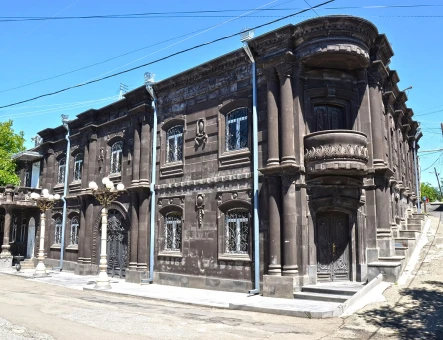
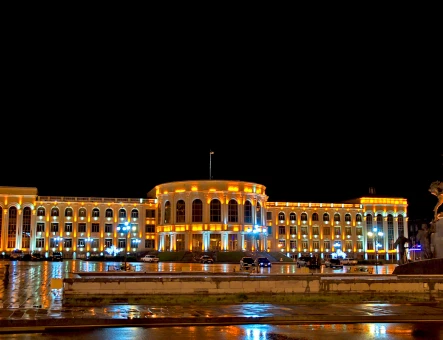
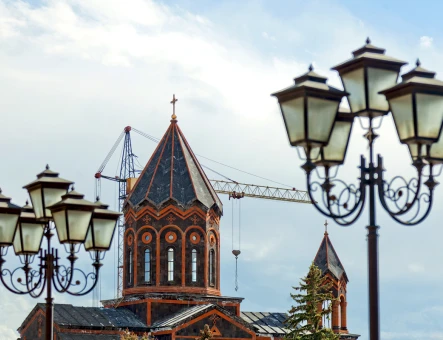
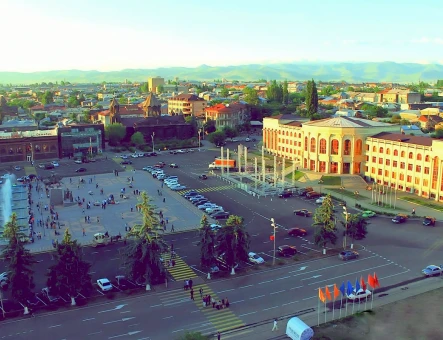
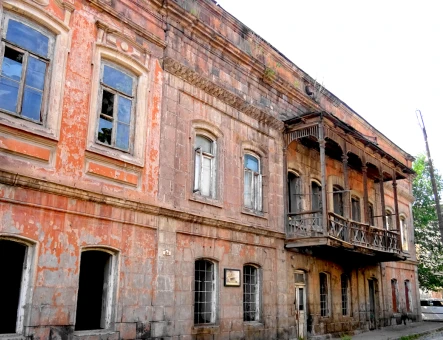
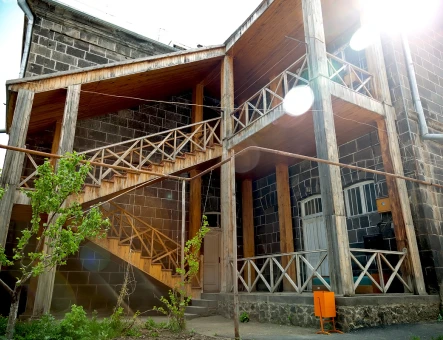
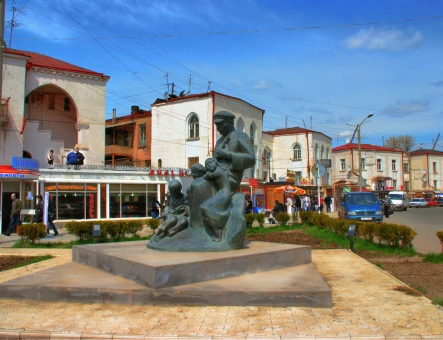
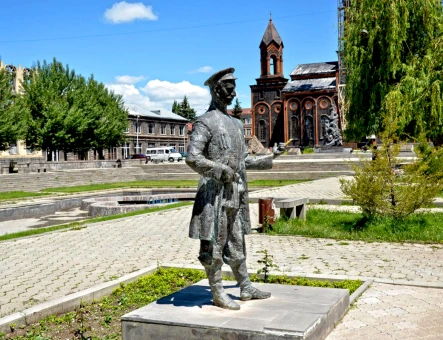
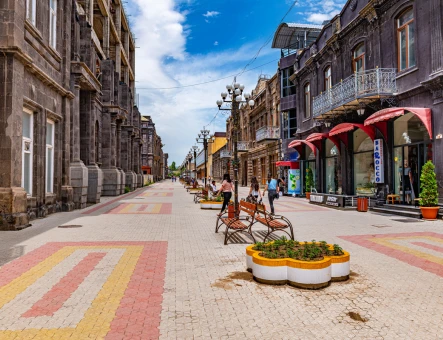
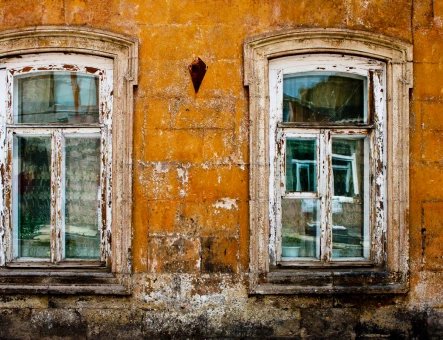
1. Gyumri
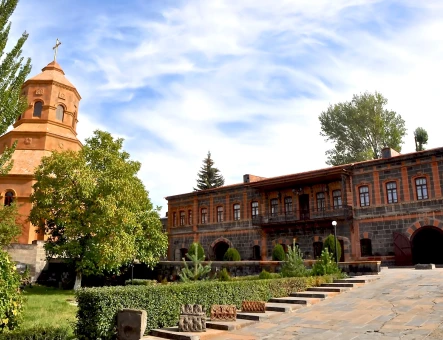
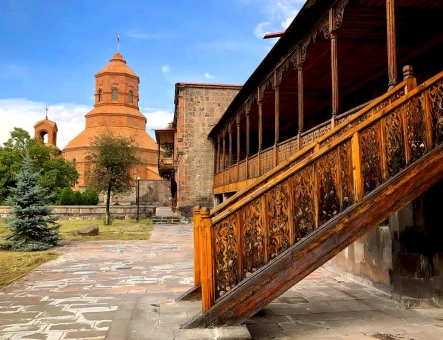
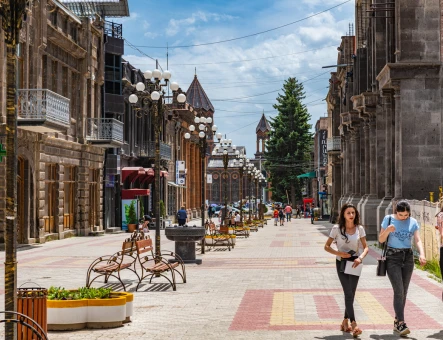
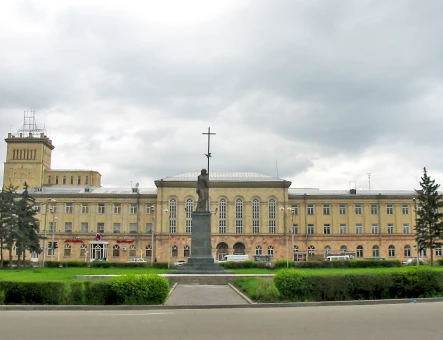
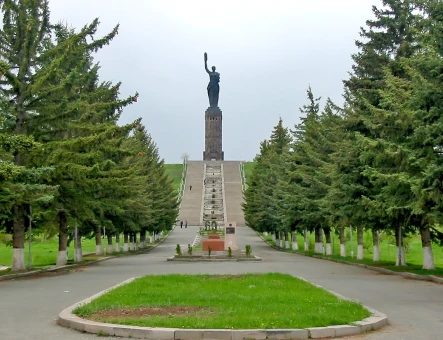
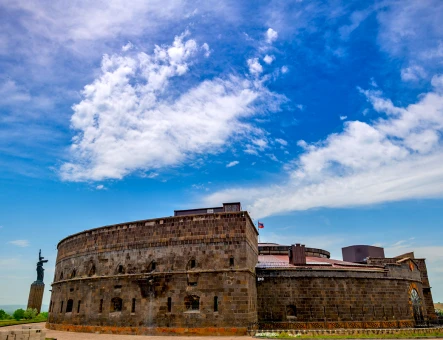
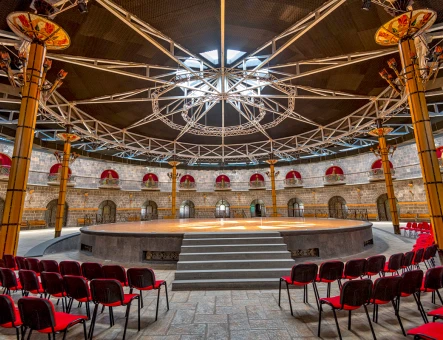
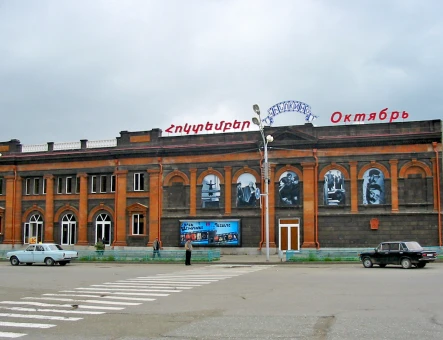
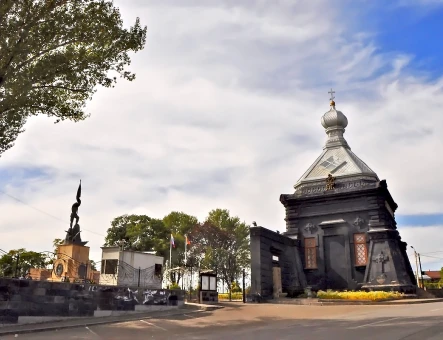
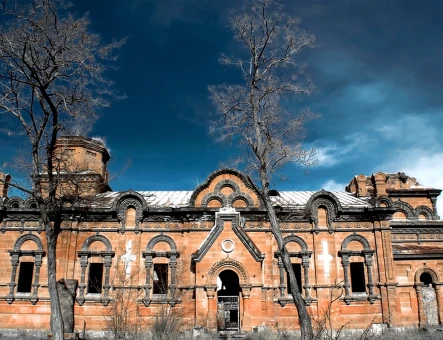
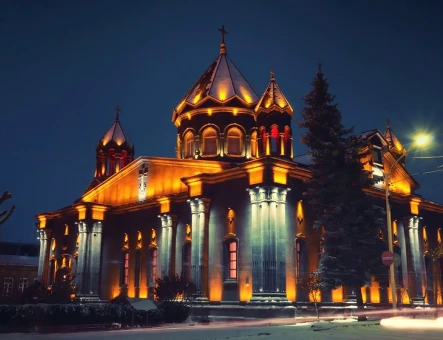
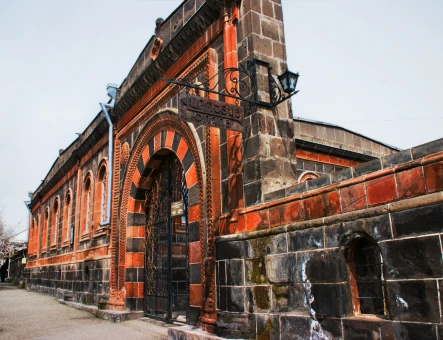
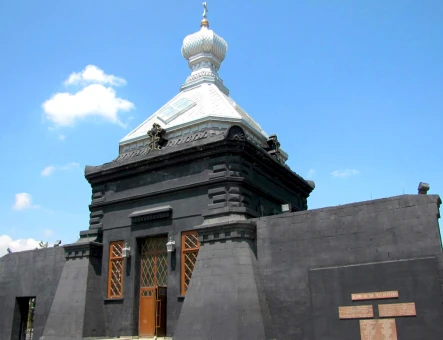
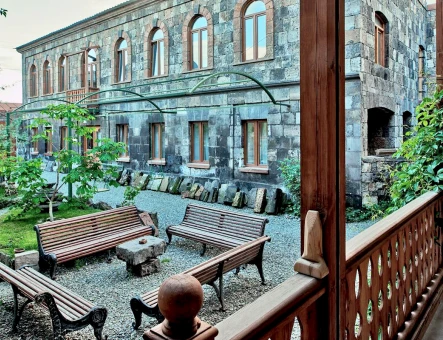
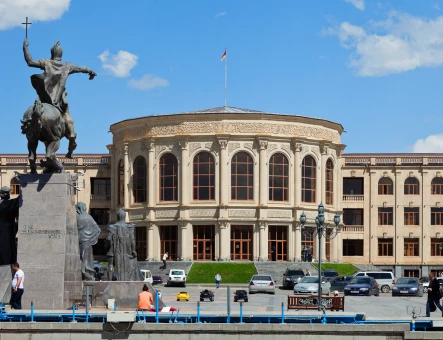
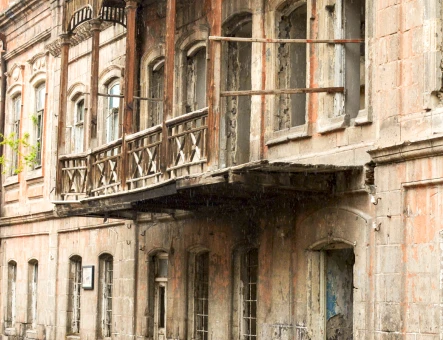
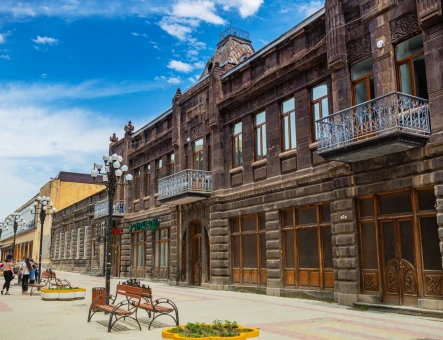
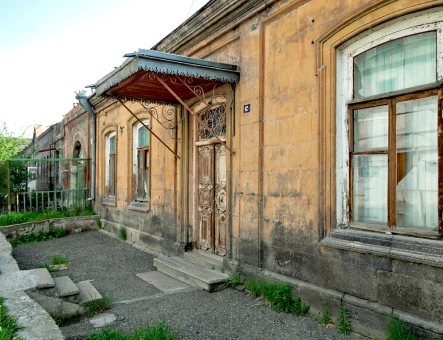
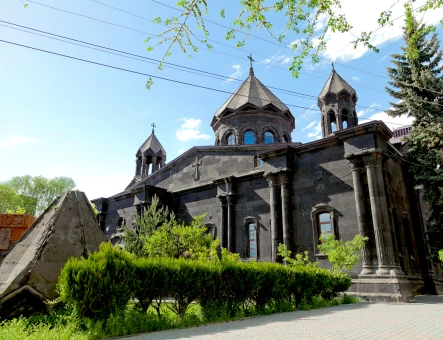
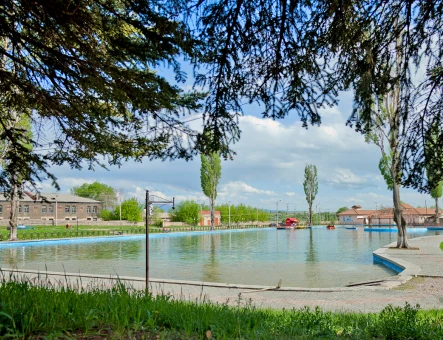
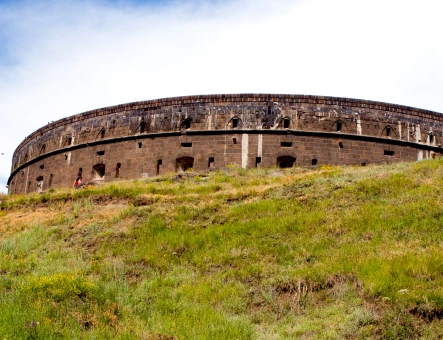
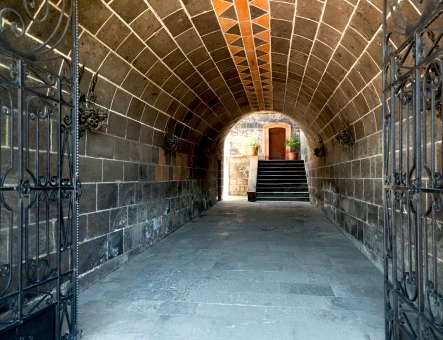
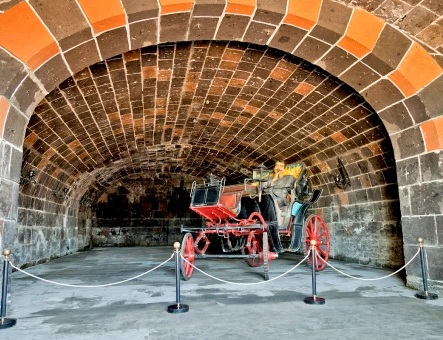
2. Black Fortress
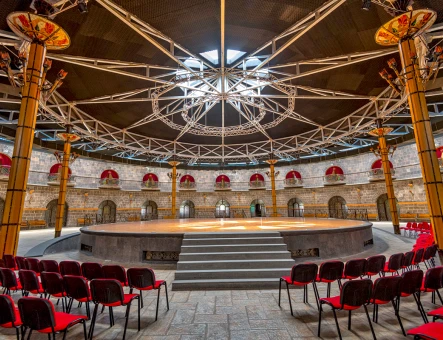
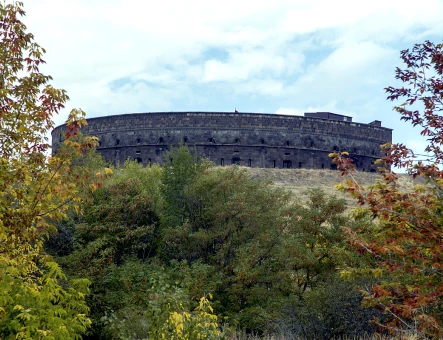
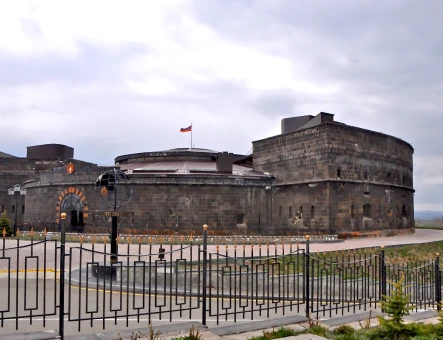
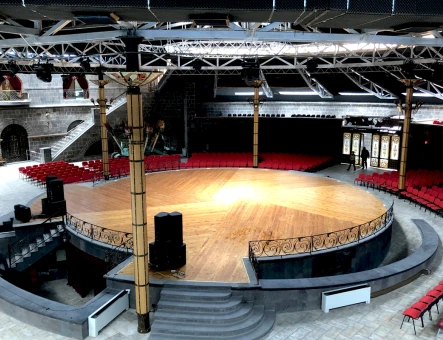
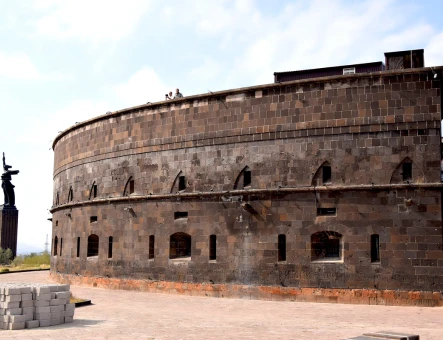
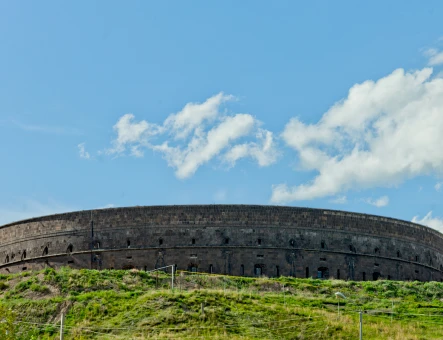
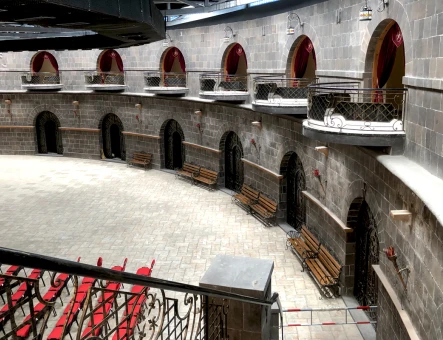
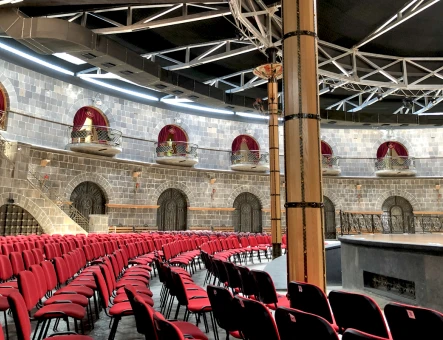
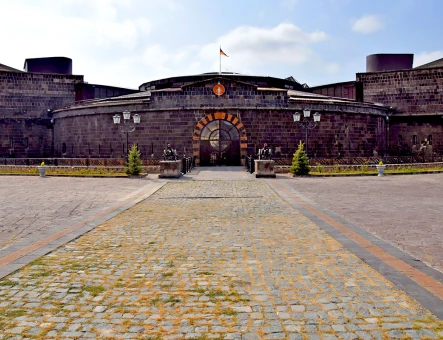
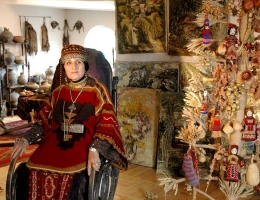
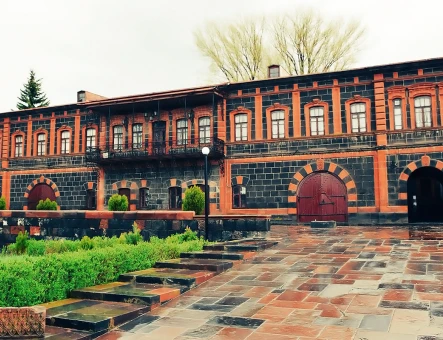
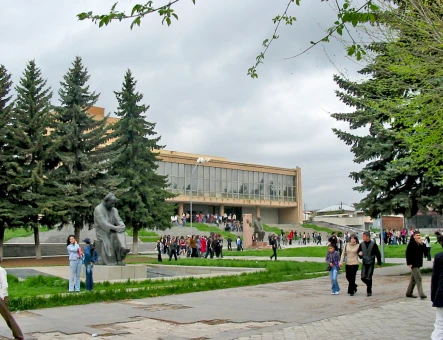
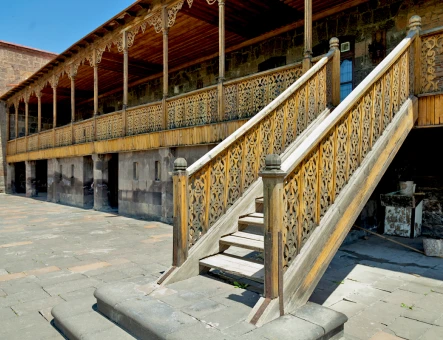
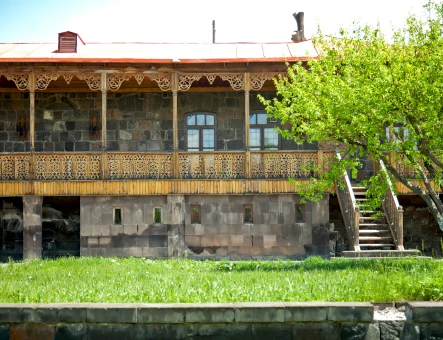
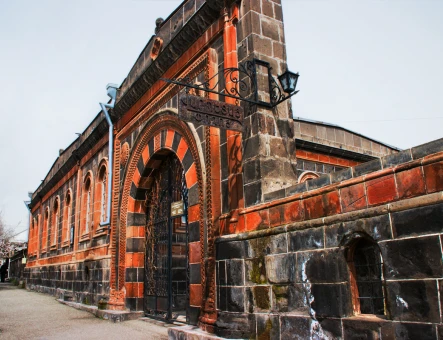
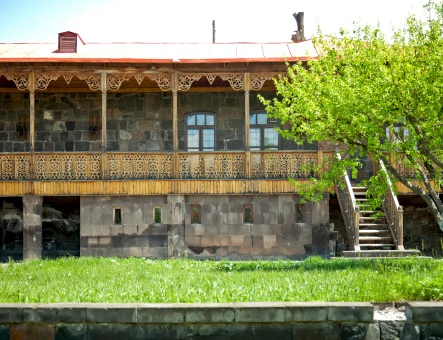
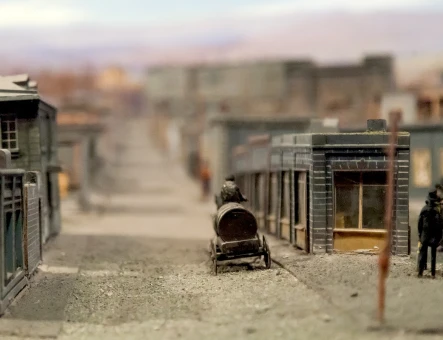
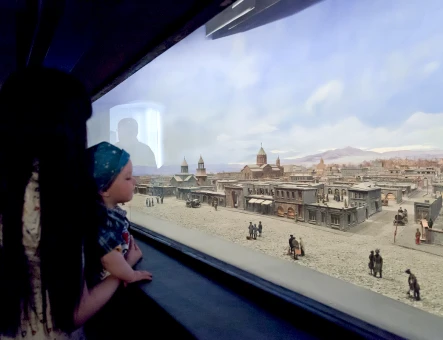
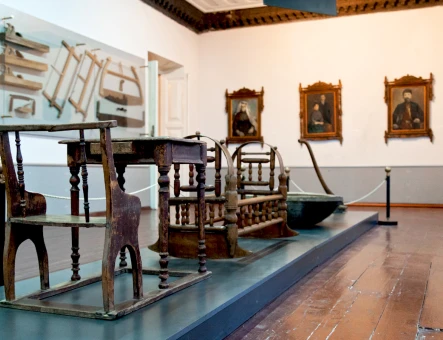
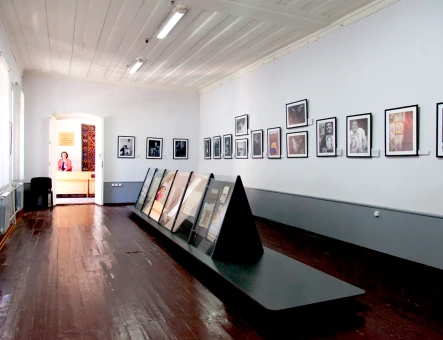
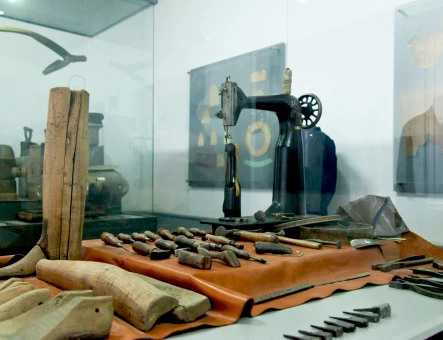
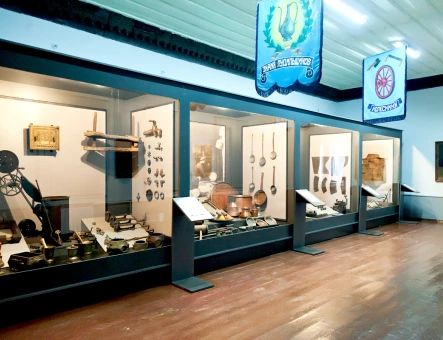
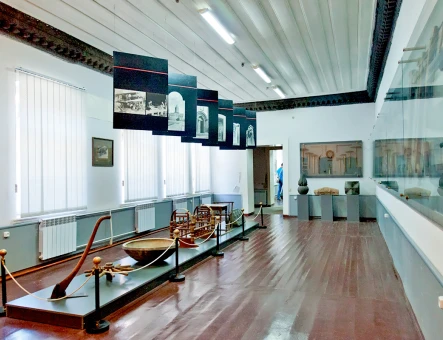
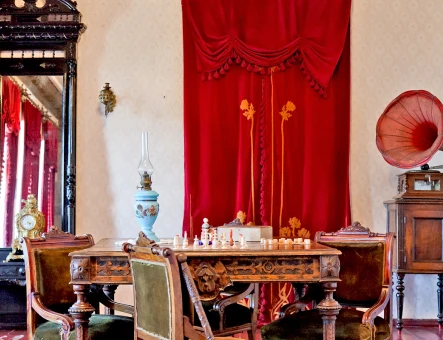
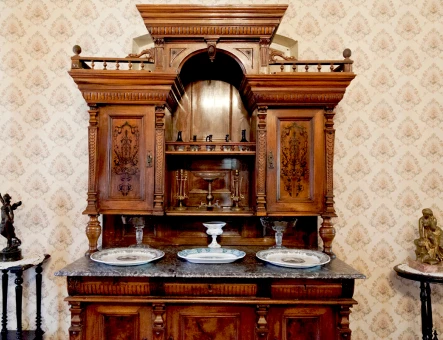
3. Gyumri Urban Life Museum (Dzitoghtsyan)
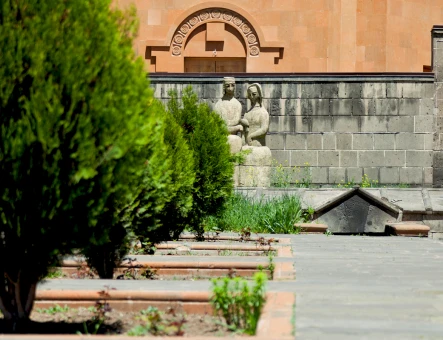
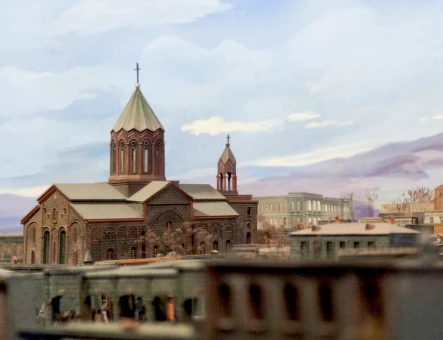
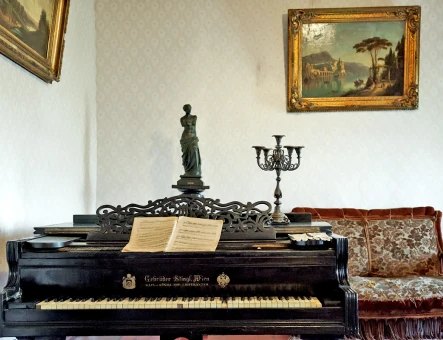
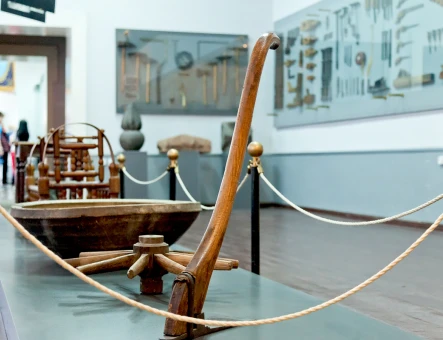
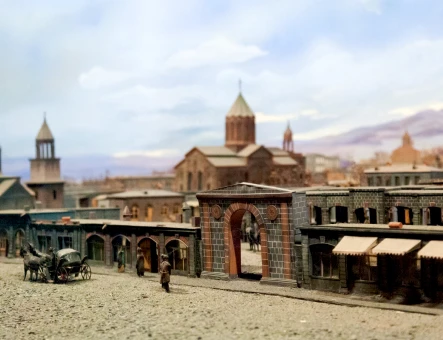

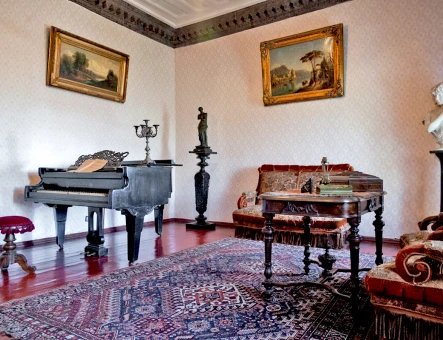
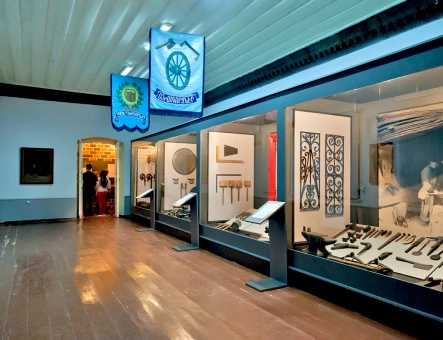
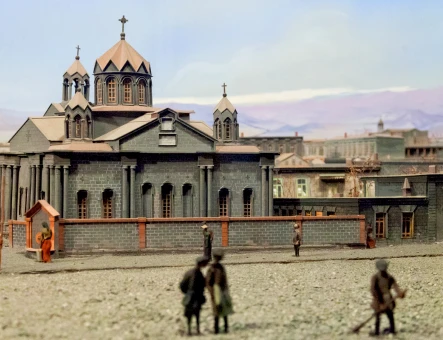
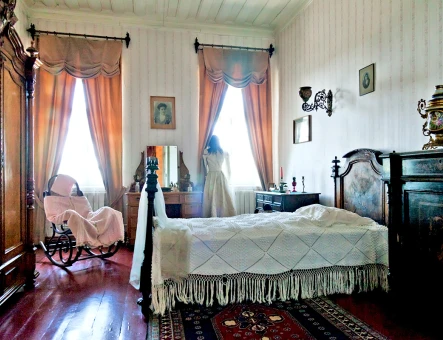
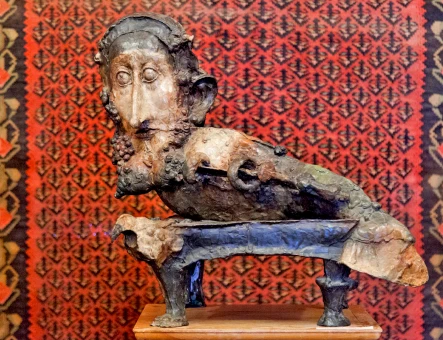
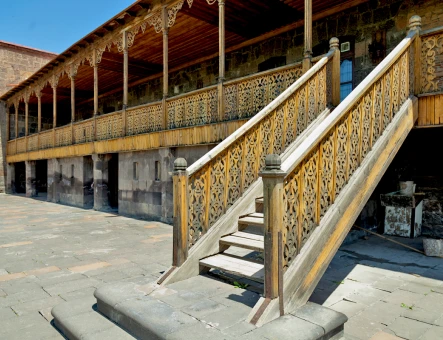
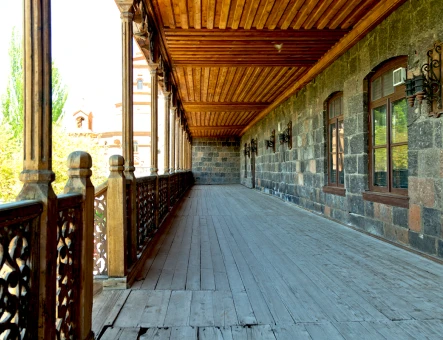
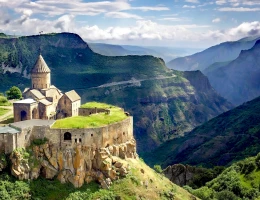
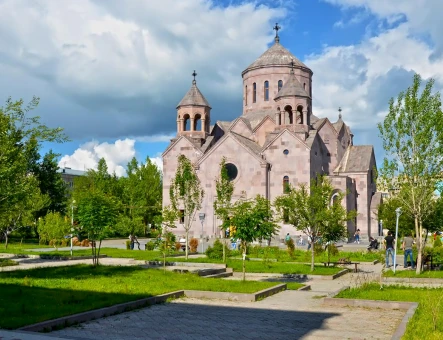
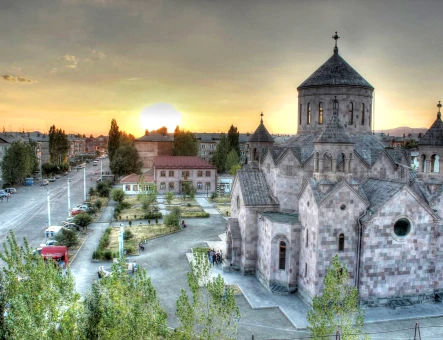
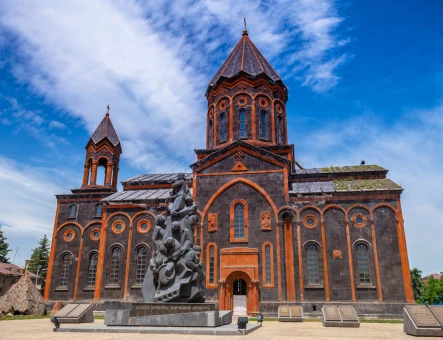
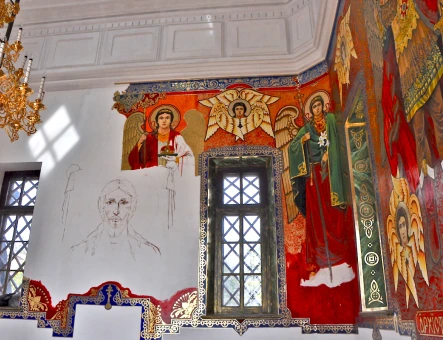
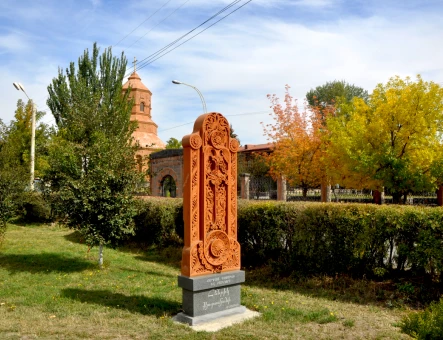
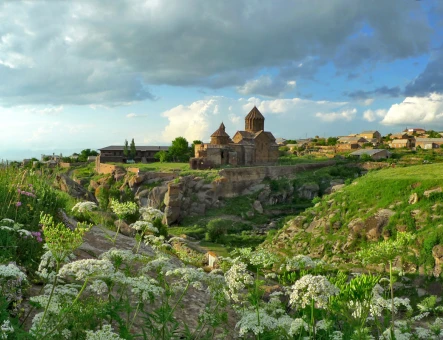
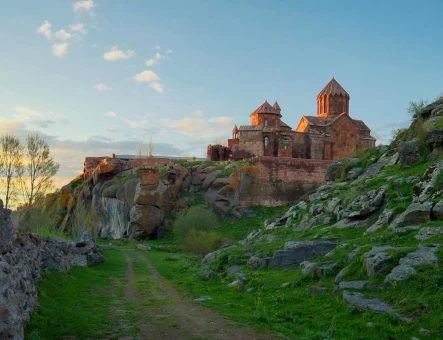
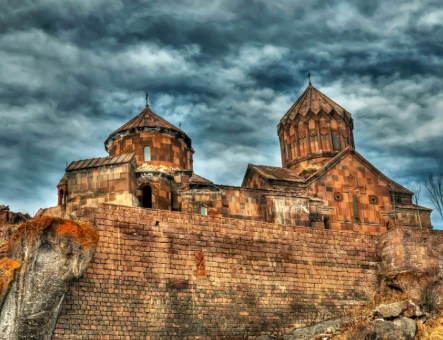
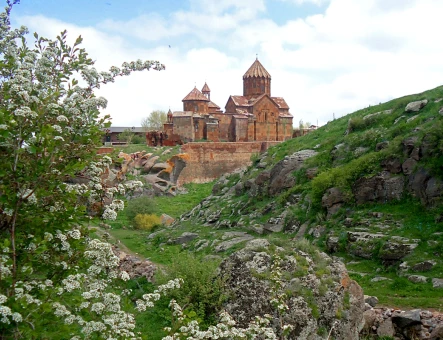
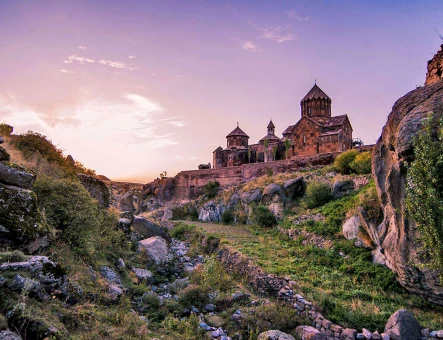
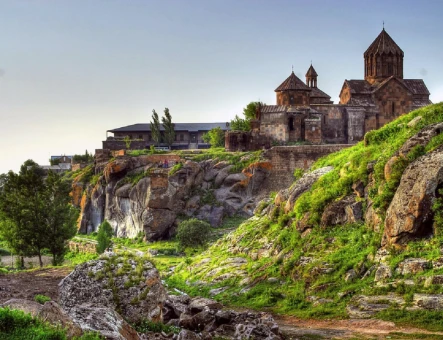
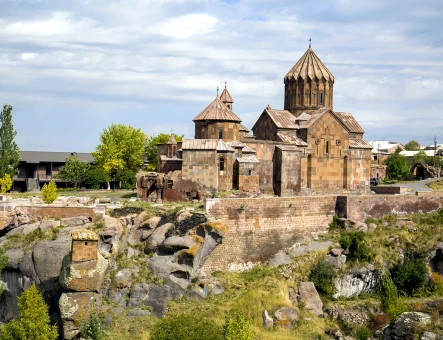
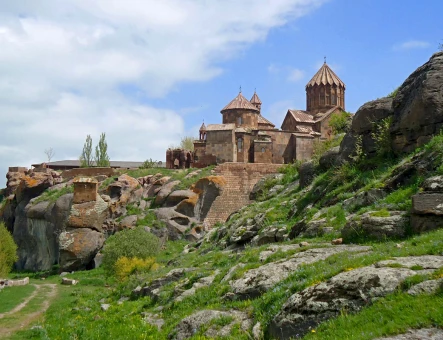
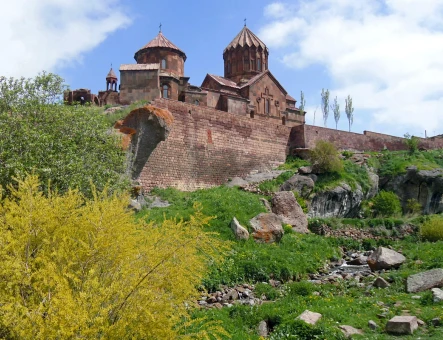
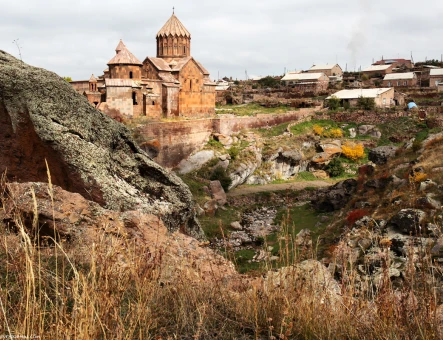
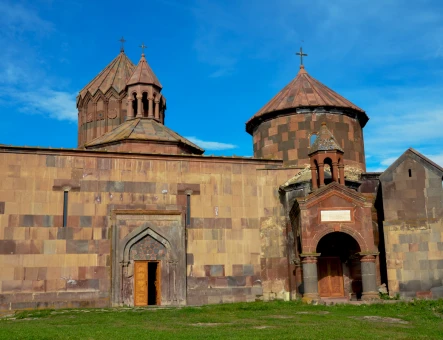
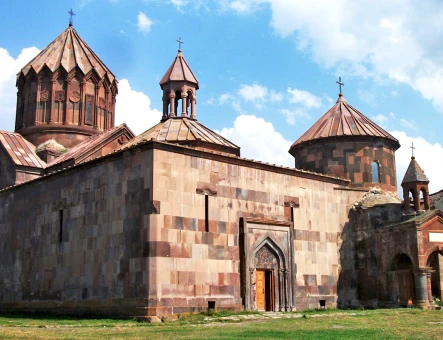
4. Harichavank Monastery
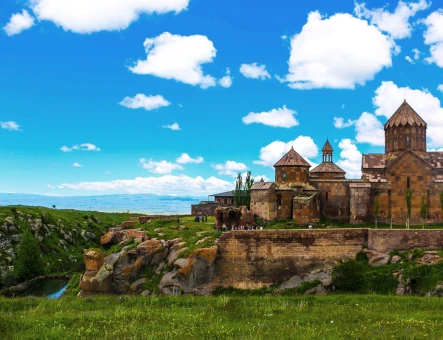
Inclusions
-
Professional drivers
-
Air-conditioned vehicles
-
Bottled water
-
Free pick-up & drop-off within Yerevan
-
Vehicle & passengers insurance
-
Extra stops on the route upon request
Exclusions
-
Significant deviations from the route
-
Alcoholic beverages if lunch option selected
-
Audio guides
-
Wi-Fi in the vehicles
What to expect
- Feel Gyumri's artistic soul in the city of crafts, humor and old stone streets
- See the Black Fortress, one of the city's most recognizable landmarks
- Step into old urban life at the Dzitoghtsyan Museum
- Complete the route with Harichavank, a beautiful monastery near Gyumri
Booking conditions
Cancellation & modification
Meet our Guides
Anahit Aslanyan
Education – musical-pedagogical and cultural studies. I have worked in the fields of tourism, education, and culture in Russia and Armenia. Currently, I work as a guide at the Armenian Genocide Museum-Institute and in the company "Hyur Service". As a person with a humanities education and a cultural studies mindset, I strive to present my homeland as comprehensively as possible so that visitors gain a general impression of the history and art of the Armenian people. I pay special attention to mental and cultural characteristics to make every visitor's stay in Armenia comfortable and positive. I continue to study and share new knowledge.
Anahit Ghazaryan
My name is Anahit Ghazaryan, and since 2015 I have been in a state of love! I am in love with Armenia, and I always want to talk about it! Come visit! I guarantee it will be beautiful, easy, delicious, and fun! Let's discover Armenia together, enjoy it, and fall in love! I don't like legends and tell them only when absolutely necessary, and only those that feature real historical figures! Since I was born in the middle of the last century, I talk about some events not as a historian, but as a witness!
Armine Julhakyan
Hello! I'm Armine, your guide in Armenia. With me, you'll discover not only the famous landmarks but also the hidden gems of my country.

Arpine Khalatyan
My name is Arpi. With experience in guiding since 2015, fluency in English and Russian, and a wealth of knowledge in history and culture, I offer engaging and informative tours during which you'll explore Armenia and feel the greatest vibes ever.
Reviews
Оксана Назаренко
 Ukraine
08.11.2022
Today we went on a trip to Gyumri! ! I’m thrilled! The museum, churches, monastery, the most beautiful city, the countryside! The experience was absolutely wonderful! There were 11 people in the group: people from Russia and Ukraine, and three foreigners! I’m full of admiration and deeply grateful to our guide, Yervan—he’s smart and interesting, speaks both English and Russian beautifully, stayed positive the whole time, and gave everyone individual attention. He told us about the history of the city and the founding of the monastery and churches in such a way that we were transported back to the 13th and 16th centuries and right up to the present day! Lunch at a beautiful restaurant, with a wonderful atmosphere! Special thanks to our driver, Norik, for keeping the car interior and vehicle clean, for driving smoothly, and for looking after every passenger! The experience was incredible; I’m falling more and more in love with Armenia! I’m already dreaming of another tour to new places! I’ll definitely use this travel agency again! Thank you for a wonderful day and marvelous memories!
Today we went on a trip to Gyumri! ! I’m thrilled! The museum, churches, monastery, the most beautiful city, the countryside! The experience was absolutely wonderful! There were 11 people in the group: people from Russia and Ukraine, and three foreigners! I’m full of admiration and deeply grateful to our guide, Yervan—he’s smart and interesting, speaks both English and Russian beautifully, stayed positive the whole time, and gave everyone individual attention. He told us about the history of the city and the founding of the monastery and churches in such a way that we were transported back to the 13th and 16th centuries and right up to the present day! Lunch at a beautiful restaurant, with a wonderful atmosphere! Special thanks to our driver, Norik, for keeping the car interior and vehicle clean, for driving smoothly, and for looking after every passenger! The experience was incredible; I’m falling more and more in love with Armenia! I’m already dreaming of another tour to new places! I’ll definitely use this travel agency again! Thank you for a wonderful day and marvelous memories! Сегодня была поездка в Гюмри! ! Я в восторге! Музей, храмы, монастырь, красивейший город, природа! Впечатления самые прекрасные! Группа была 11 человек, Россия, Украина и три человека иностранцы! Восхищение и огромная благодарность гиду Ерван, умный, интересный, прекрасно владеющий как английским так и русским языком, все время на позитиве и уделил каждому внимание, Историю города, создания монастыря и храмов преподнёс так, что погрузились в 13,16 век и до сегодняшнего дня ! Обед в красивейшем ресторане с замечательным настроением! Отдельное спасибо водителю Норик, за чистоту салона и автомобиля, за спокойную езду и внимание к каждому пассажиру! Впечатления ошеломляющие, все больше влюбляюсь в Армению! Уже мечтаю о новой экскурсии в новые места! Обязательно воспользуюсь этим турагентством! Спасибо за прекрасный день и чудесные эмоции!Taube Svetlana
 Russia
14.06.2022
Thank you for the tour of Gyumri, the Black Fortress, and Arichavank.
I’m very pleased! Even though it rained from time to time, that didn’t spoil my enjoyment of Armenia’s beautiful scenery, both in the cities and its truly unique landscapes!
Special thanks to our guide, Anna, and bus driver, Arsen.
I’m very pleased! Even though it rained from time to time, that didn’t spoil my enjoyment of Armenia’s beautiful scenery, both in the cities and its truly unique landscapes!
Special thanks to our guide, Anna, and bus driver, Arsen. Благодарю за экскурсию: г. Гюмри, Черная крепость, Аричаванк.
Очень довольна! Не смотря на то что переодически шёл дождь, но это нисколько не помешало получить удовольствие от созерцания прекрасных видов Армении, как городов так и неповторимых видов!
Особая благодарность гиду Анне, и водителю автобуса Арсену
You might also like...