


Soviet Yerevan: A Walk Through 20th Century Architecture
 25 Sep, 2026
 9-10 min
 110 times
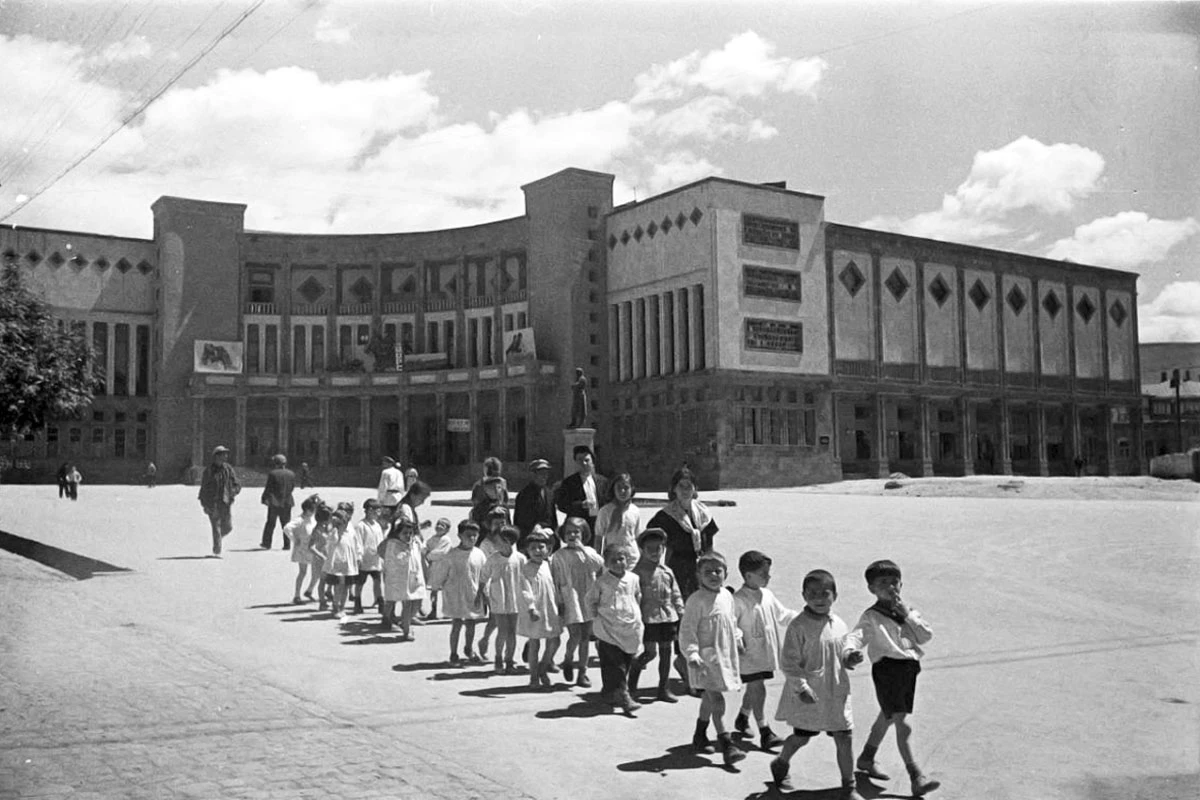
For travelers, exploring Soviet Yerevan feels like entering a 20th-century time capsule, where architecture reflects the political and socialist ambitions of the era while also carrying distinct cultural undertones.
Let's walk through these sites and see a side of the city that is often overlooked but just as essential to understanding modern Yerevan.
Republic Square
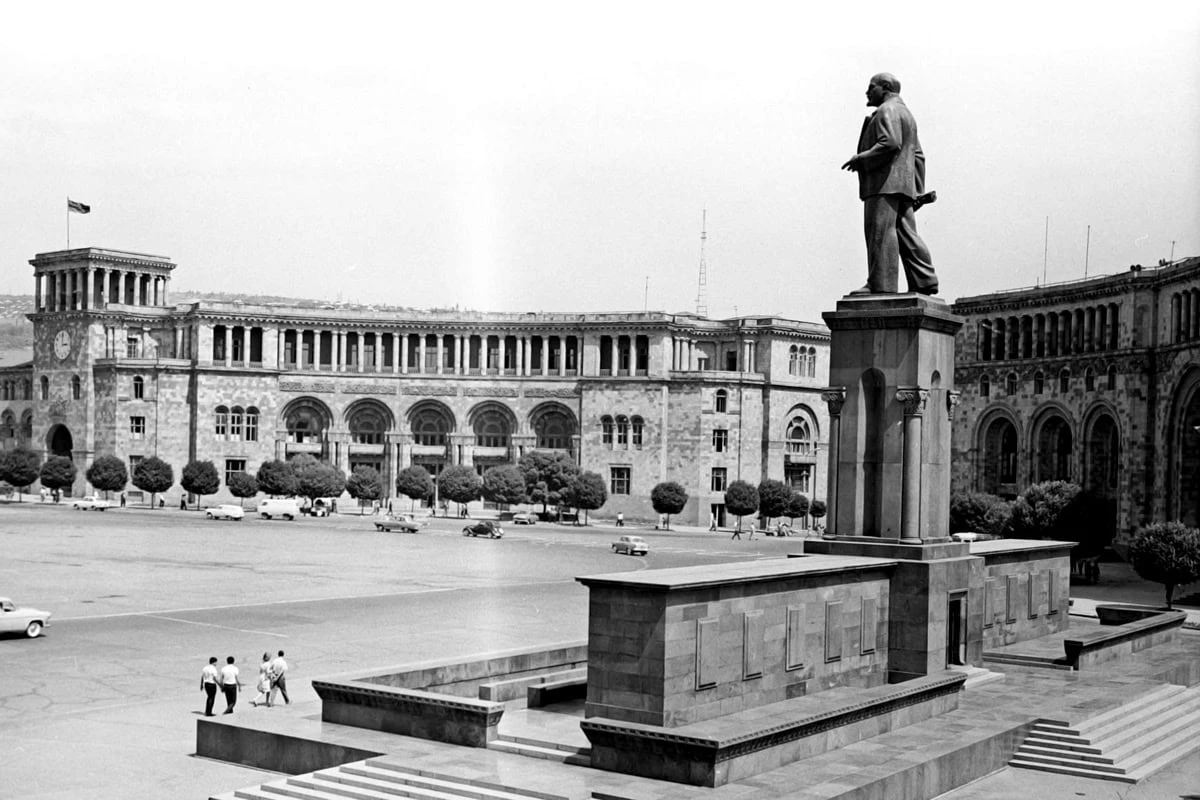
Republic Square in the Soviet era, with Lenin's statue in the foreground
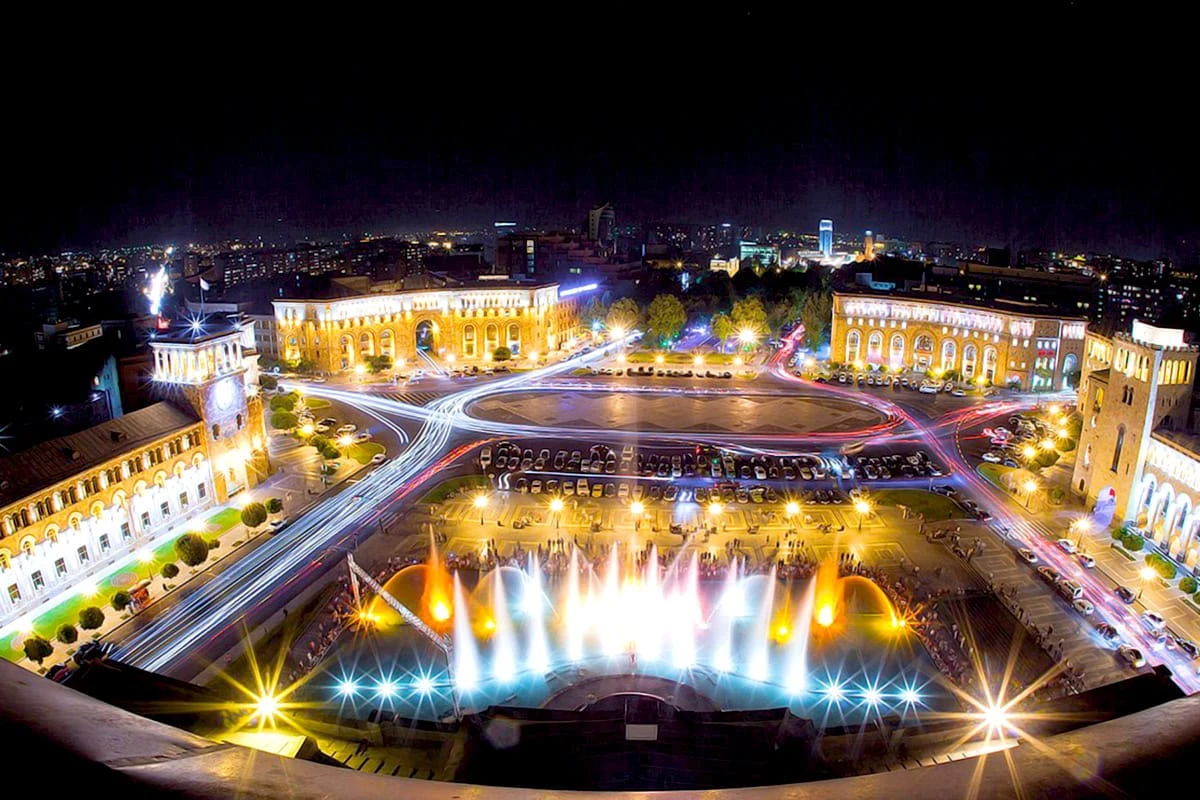
Republic Square today, illuminated by its singing fountains
Cascade Complex
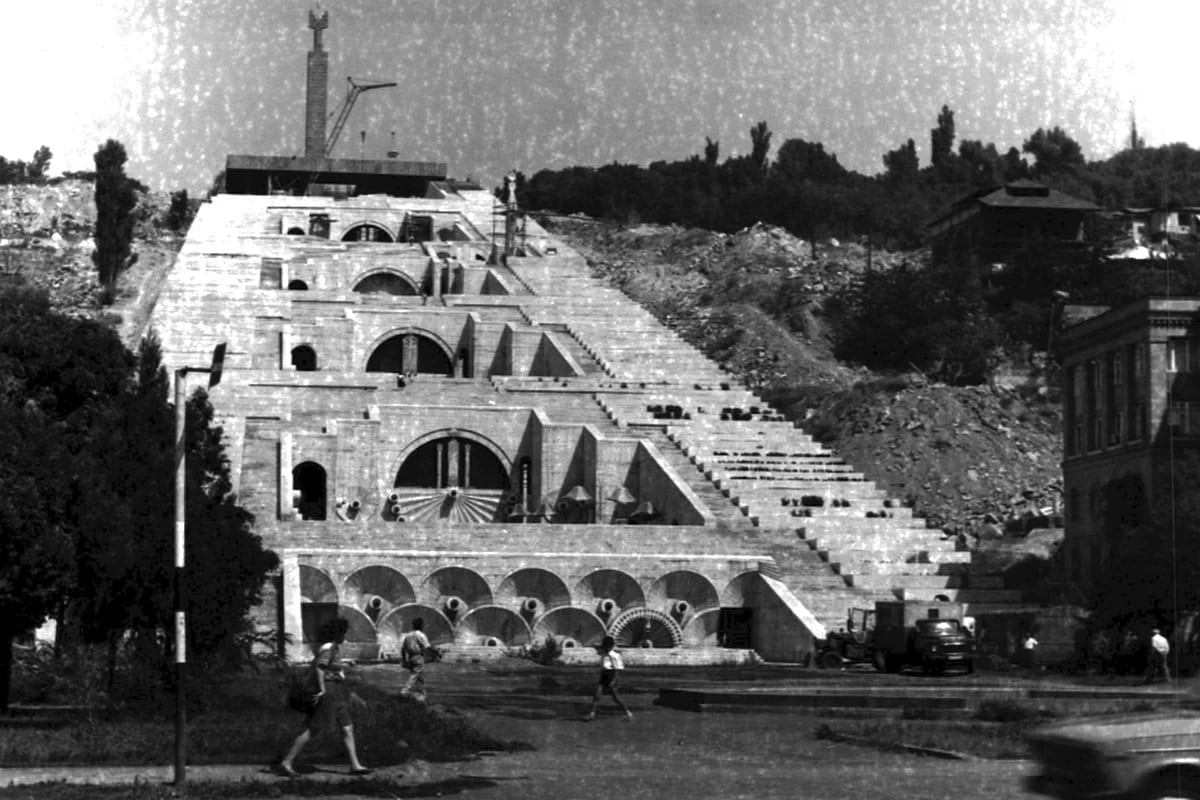
Cascade Complex during its Soviet-era construction
After Armenia's independence, the Cascade found new life. The Cafesjian Center for the Arts moved in, filling the stairways and gardens with modern sculptures and glass installations. Yet, the Soviet foundations remain clear – vast concrete levels, broad platforms, and the sense of monumentality typical of the late USSR.
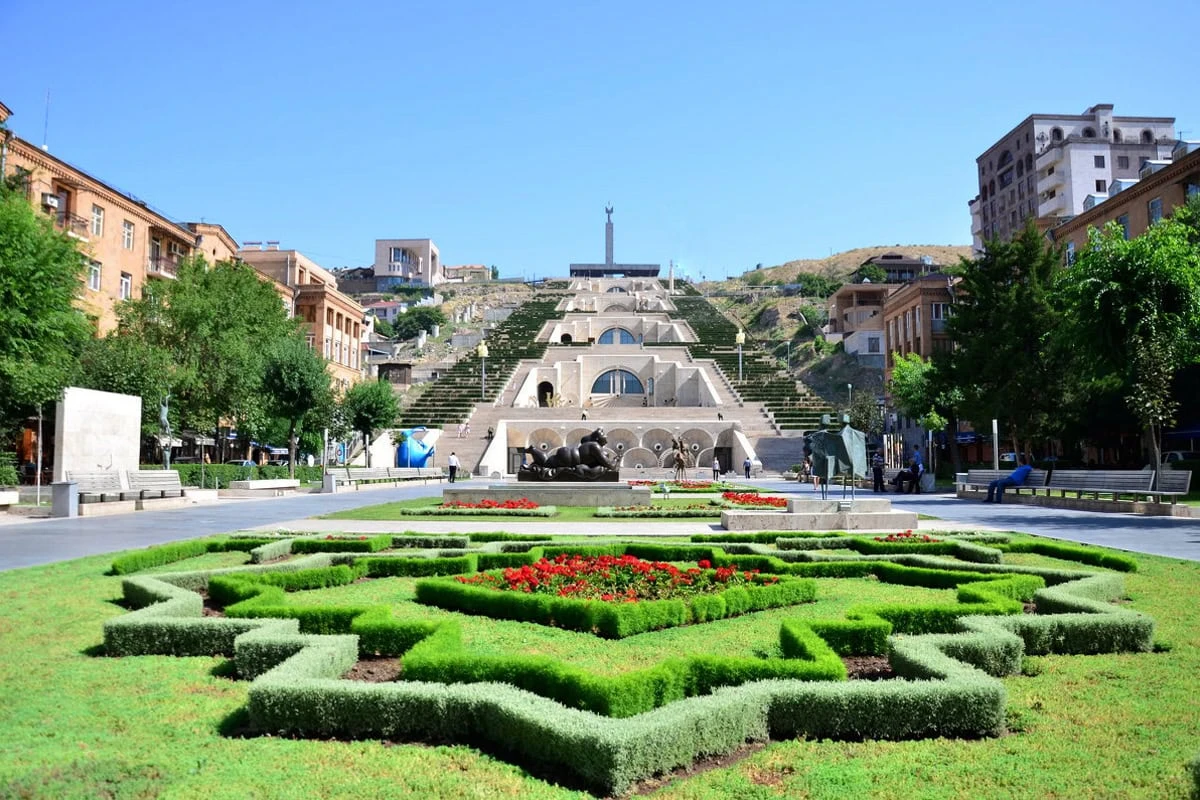
Cascade Complex today, with gardens below its terraces
Karen Demirchyan Sports and Concerts Complex
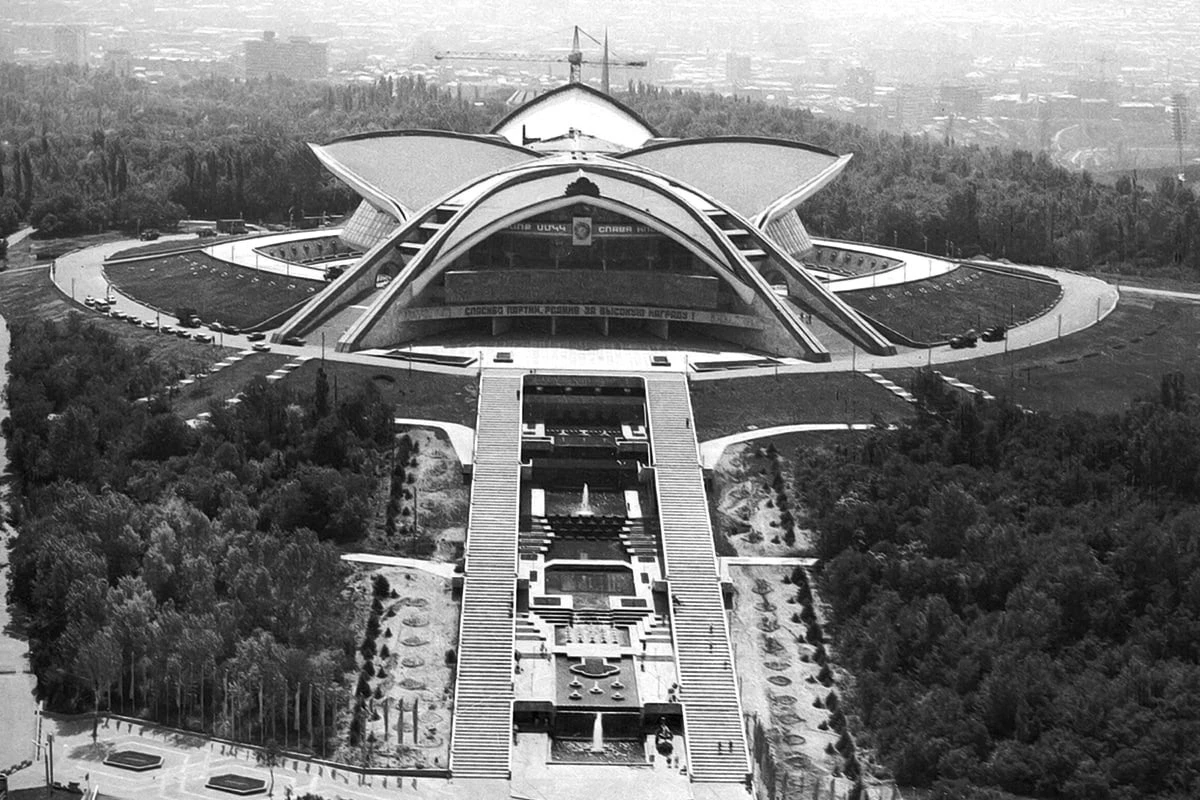
Archival view of the Karen Demirchyan Sports and Concerts Complex
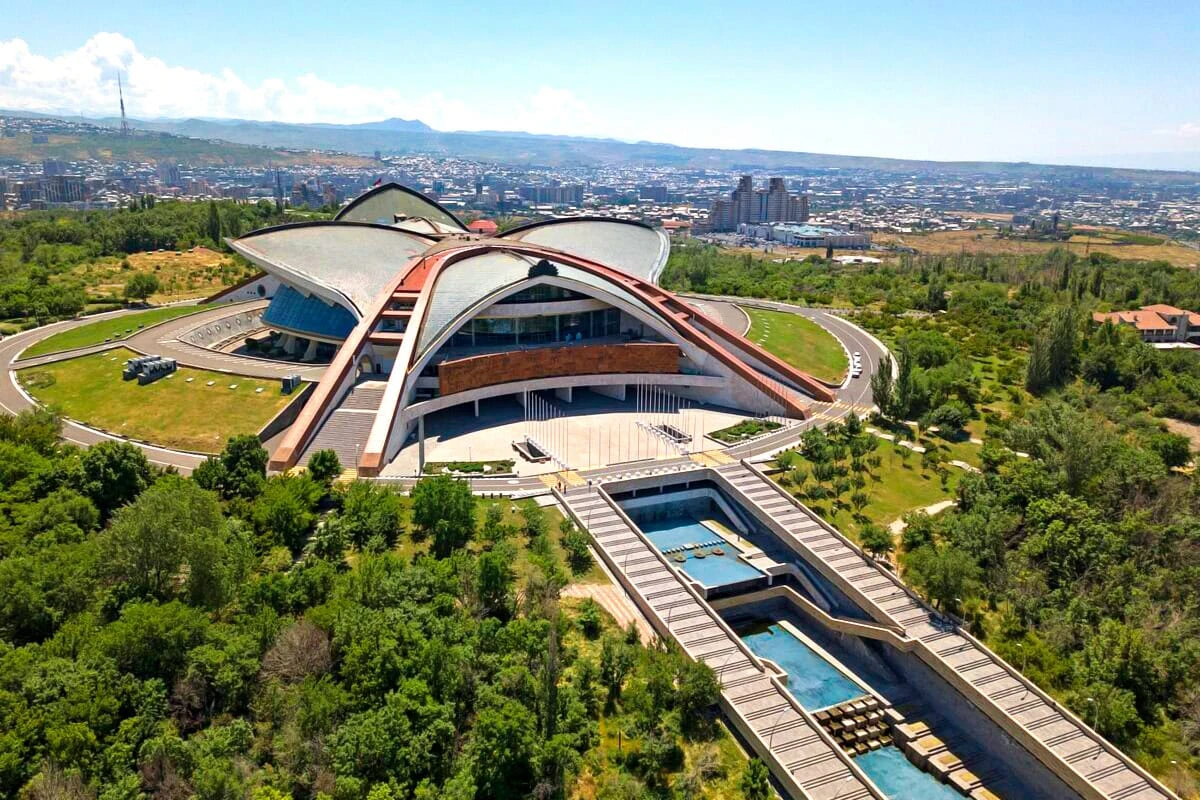
Karen Demirchyan Sports and Concerts Complex seen from above today
The Yerevan Metro
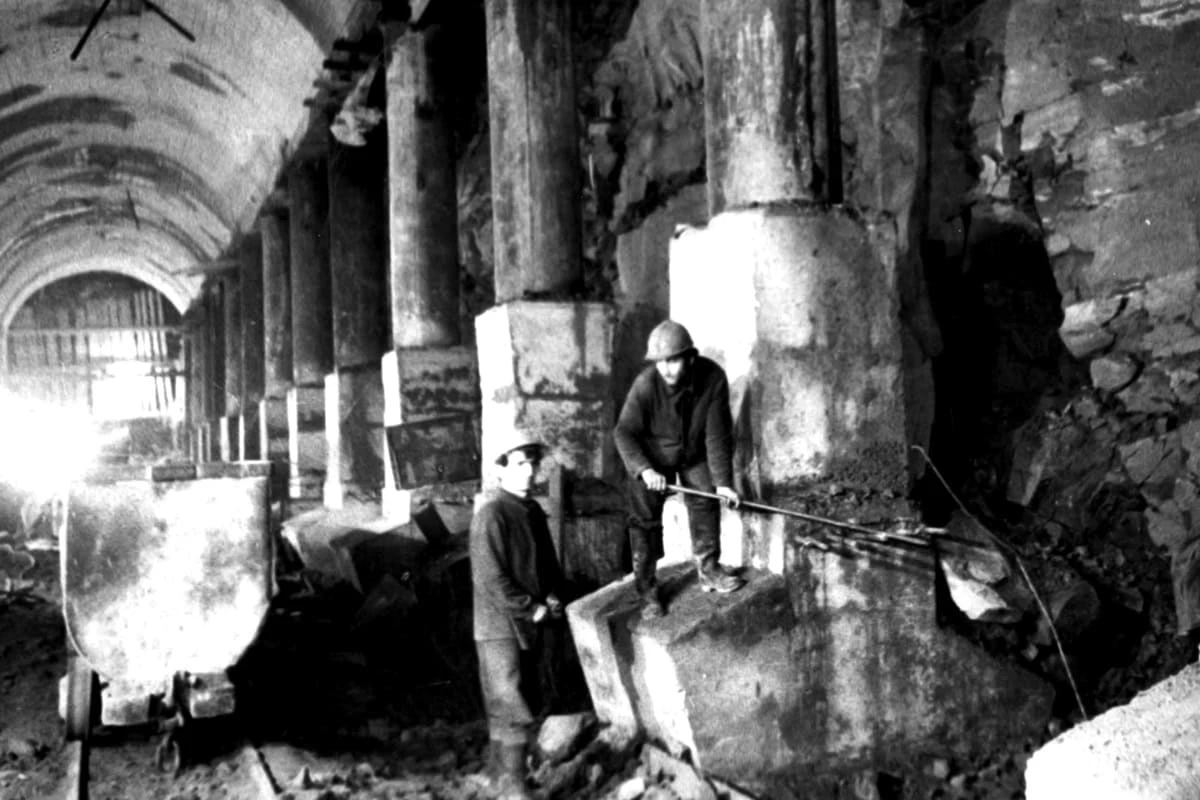
Workers building the Yerevan Metro during the Soviet era
The most central station, Republic Square Station, welcomes passengers with high vaulted ceilings, while Yeritasardakan Station features colorful tilework reflecting youth and progress. Riding the metro in Yerevan is a journey through a piece of Soviet engineering.
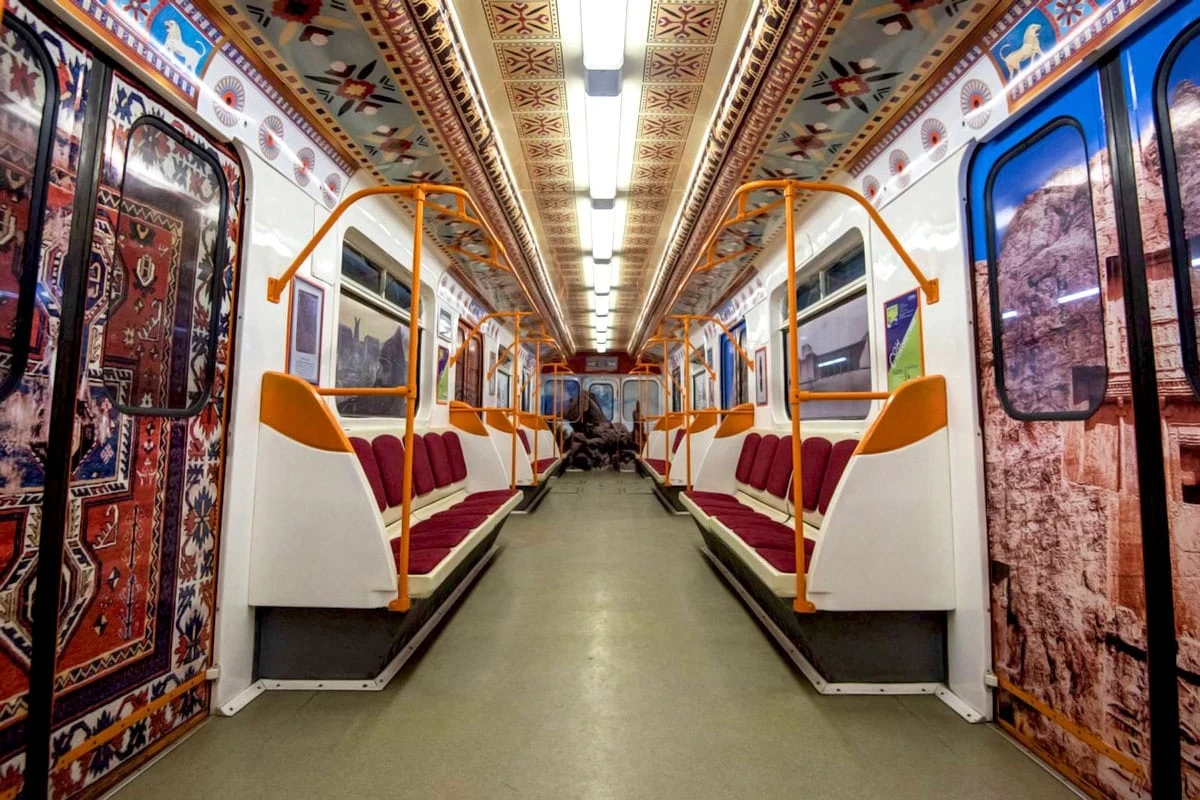
Inside a Yerevan Metro train, decorated with Armenian motifs
Mother Armenia
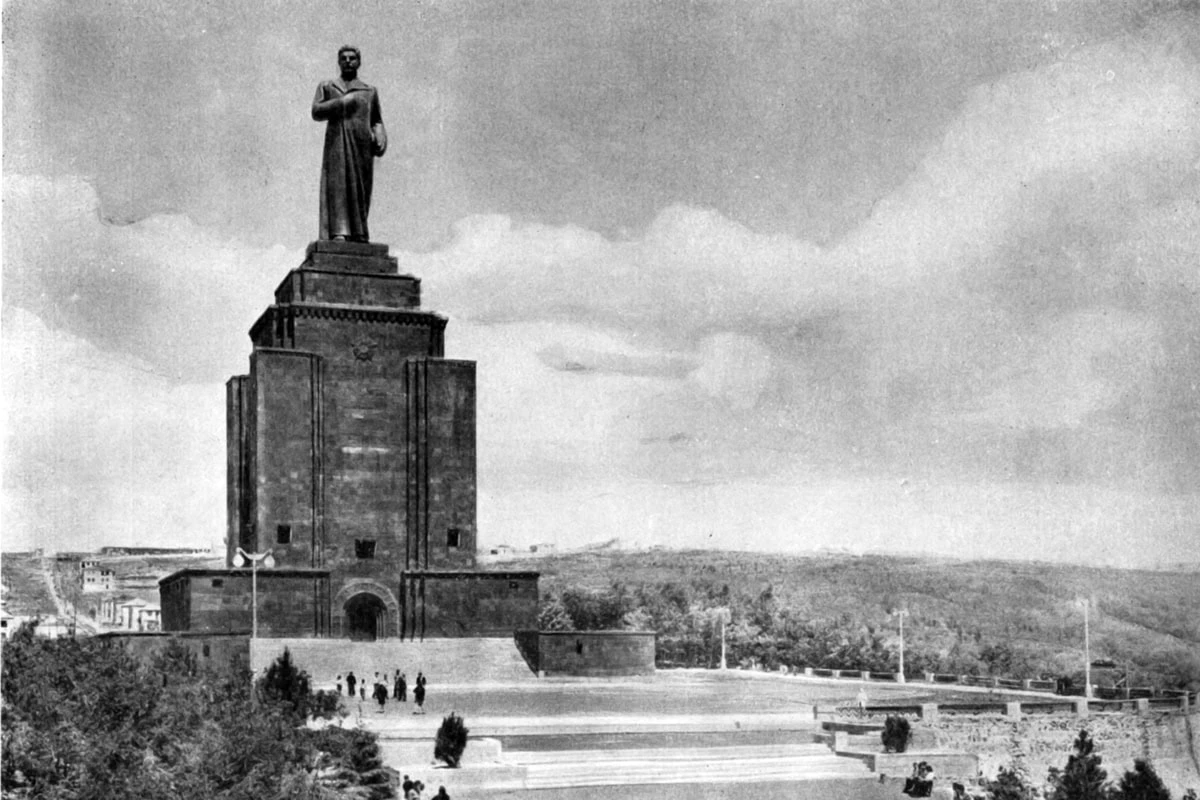
Stalin's statue in Victory Park, before Mother Armenia replaced it
Beneath the statue is Mother Armenia Military Museum, which once focused on Soviet victories in World War II but now covers Armenia's more recent history. From the base, the views of Yerevan and Mount Ararat are some of the best in the city.
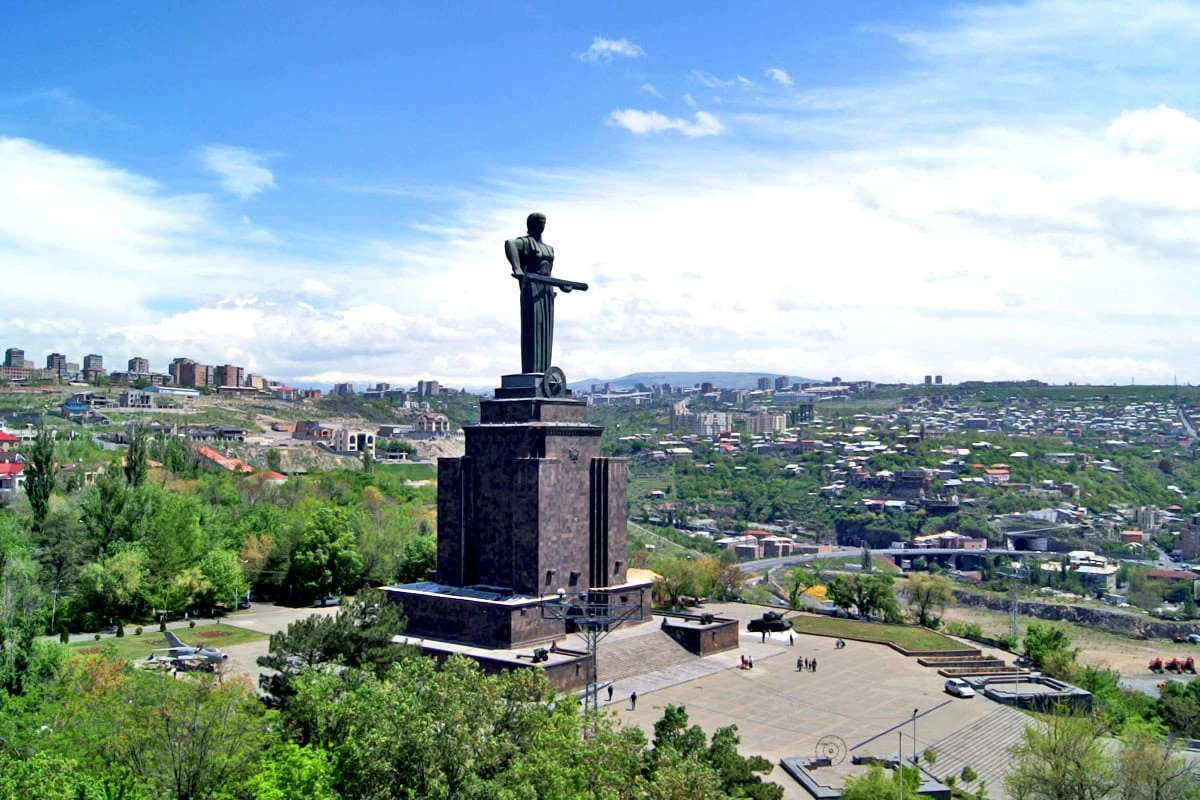
Mother Armenia on the same pedestal overlooking Yerevan today
Victory Park
Even today, the park retains its Soviet character. The Ferris wheel and other attractions might feel dated, but they carry the atmosphere of another time. For many locals, Victory Park remains a nostalgic space tied to childhood memories.
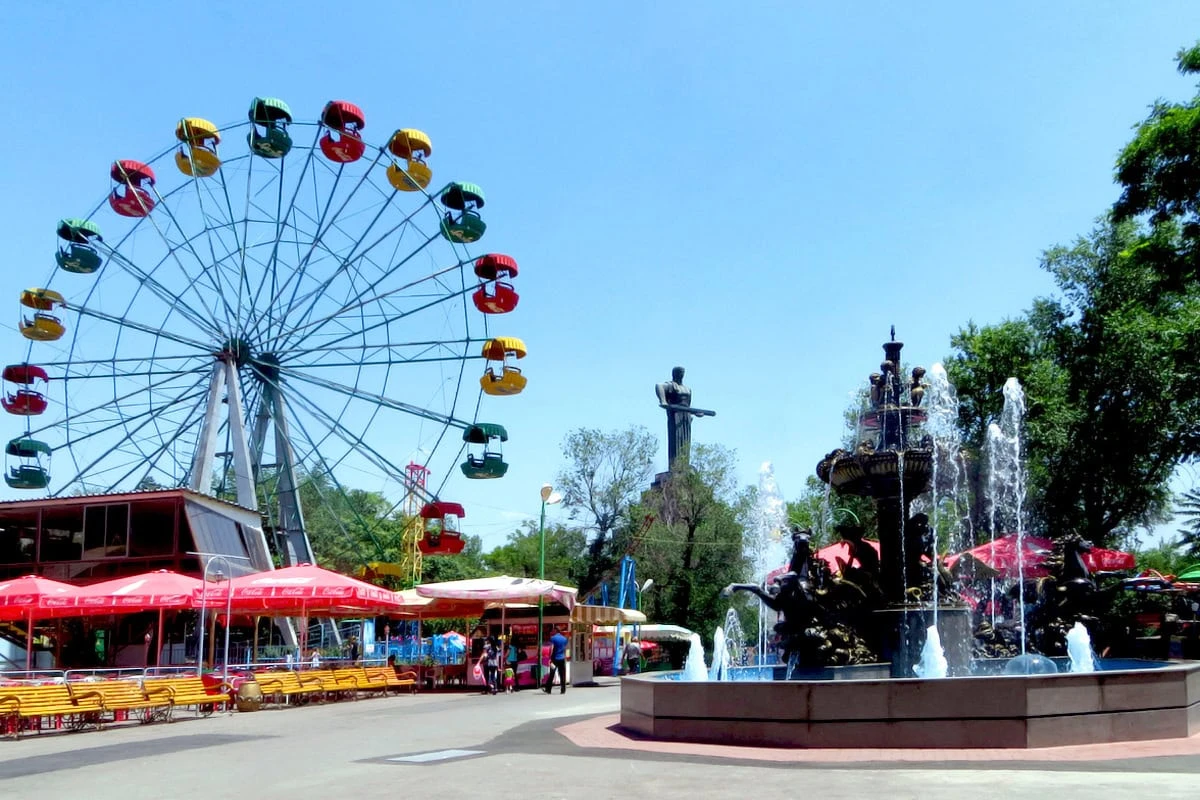
Victory Park's Ferris wheel and fountains, with Mother Armenia in the background
Rossia Cinema
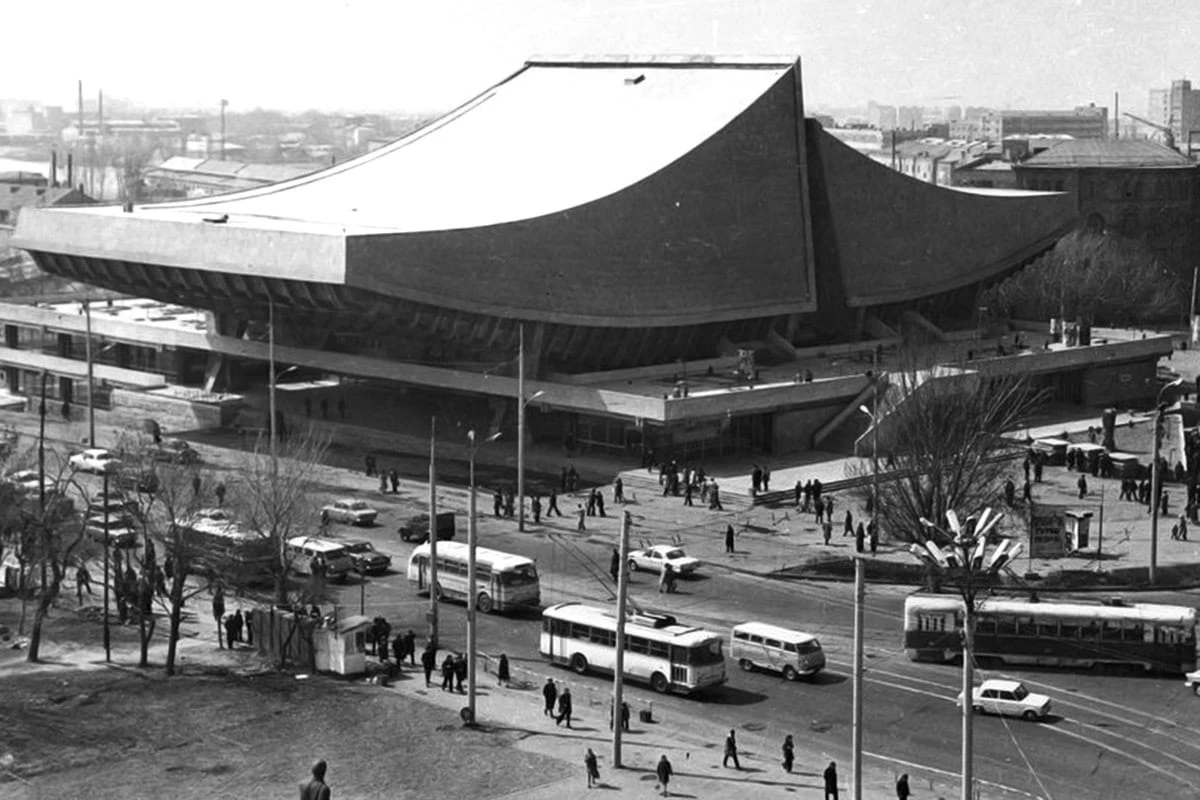
Rossia Cinema in Soviet-era Yerevan
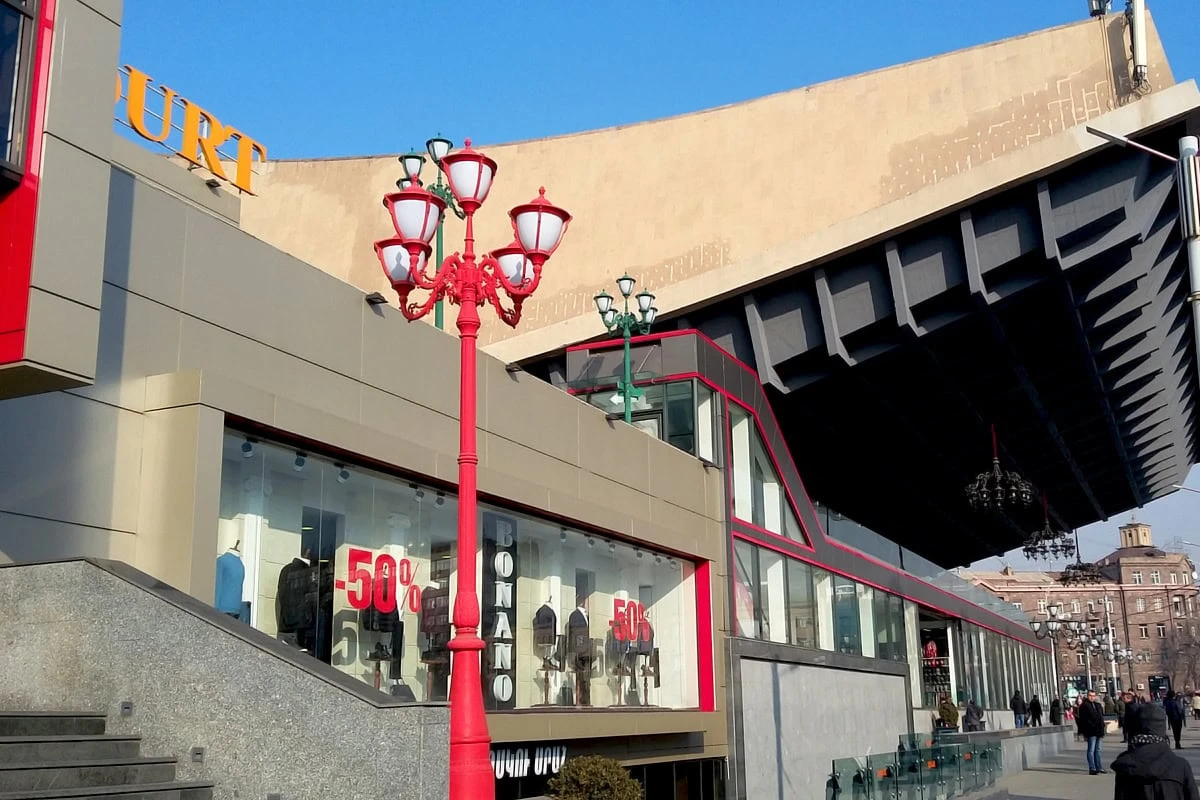
Former Rossia Cinema complex, with shops beneath its distinctive roof
Yerevan's Markets
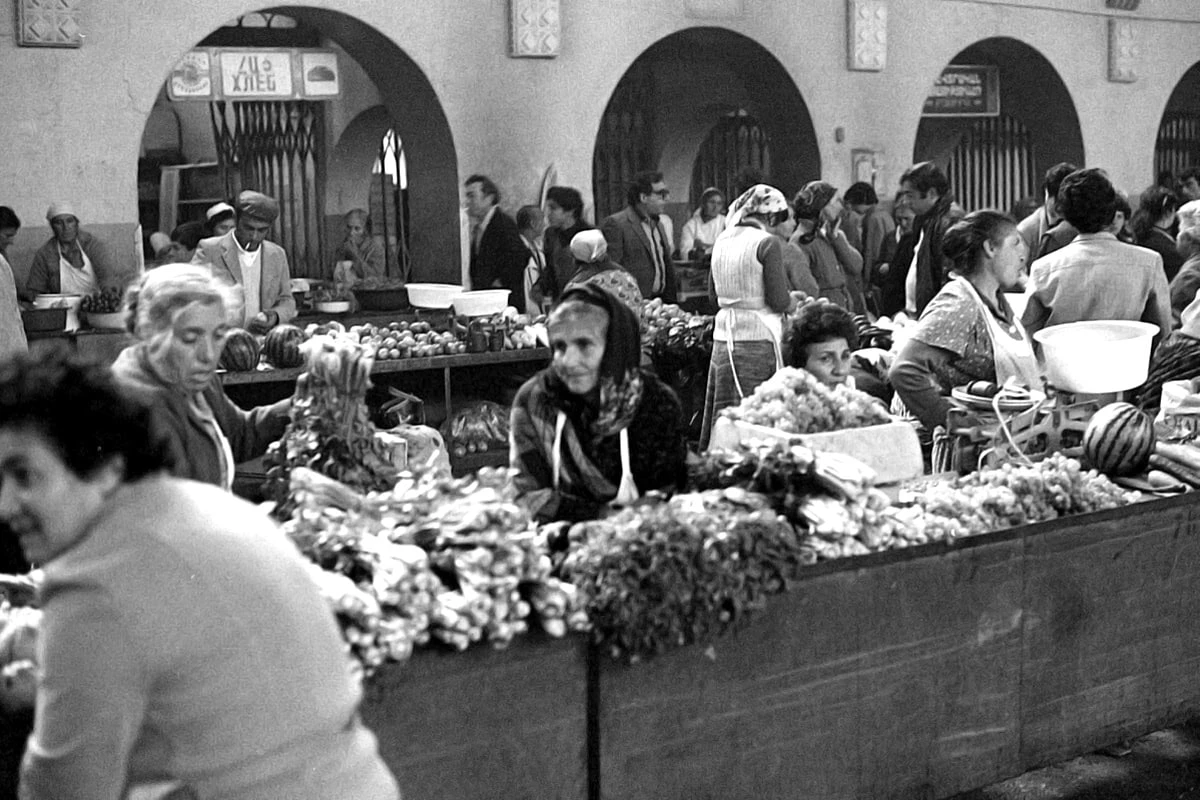
Busy produce market during the Soviet era
At GUM, stalls selling fruit, vegetables, spices, dried fruit and other local foods keep the market tradition alive. The two places tell different parts of Yerevan's story, from the monumental architecture of a Soviet-era market to the bustle of shopping today.
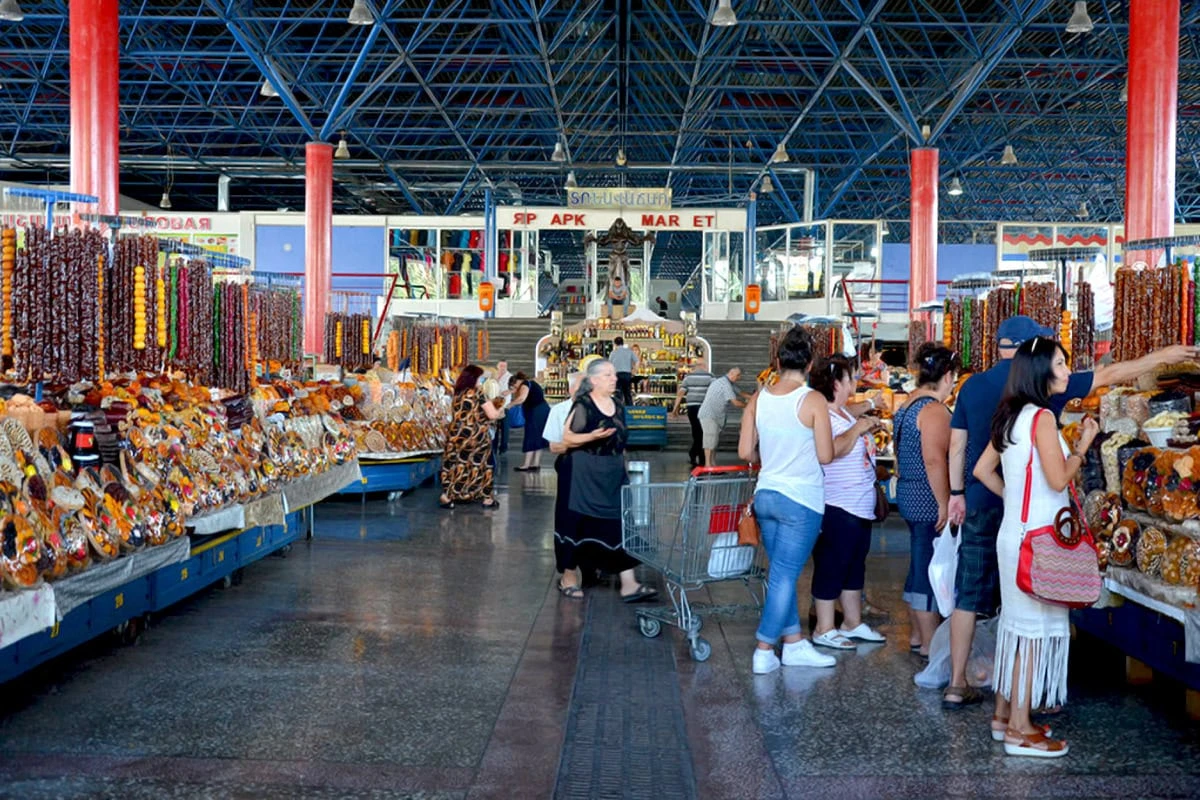
Food and dried-fruit stalls at GUM Market on Khorenatsi Street
Soviet Housing Blocks
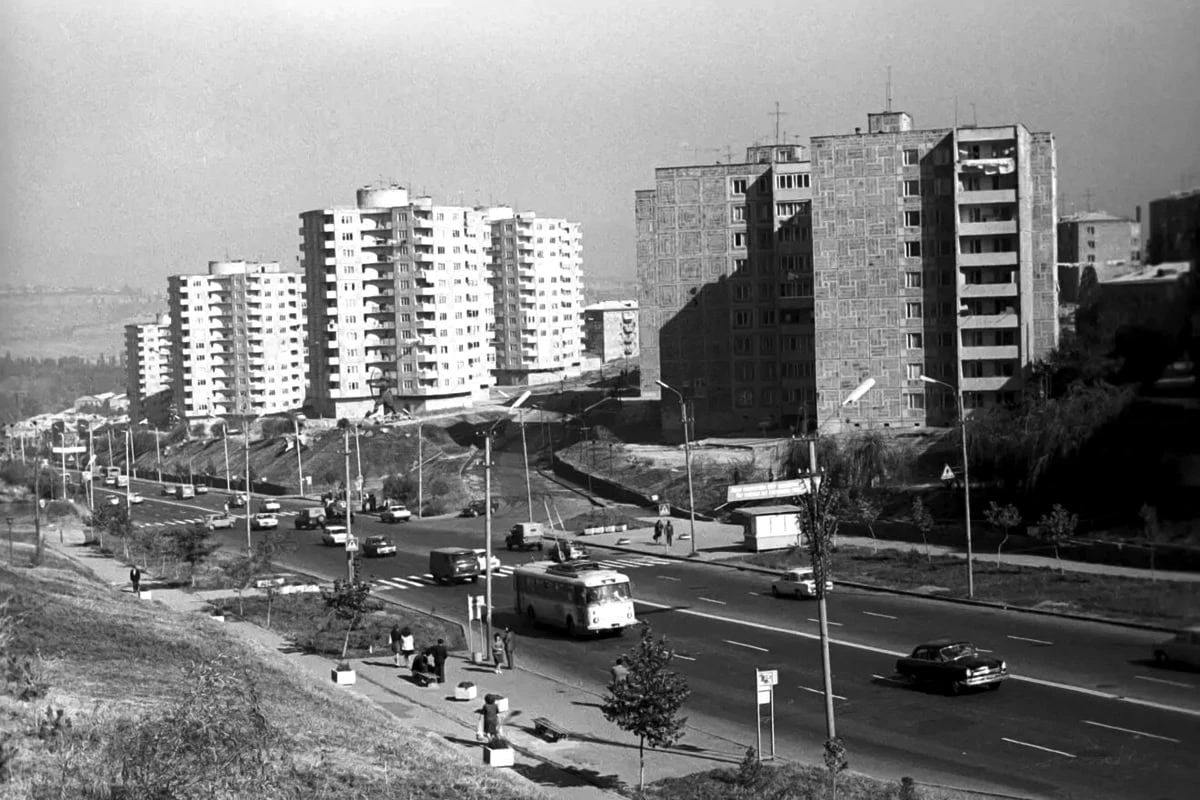
Soviet-era apartment blocks along a Yerevan avenue
For travelers, exploring such areas shows another side of Yerevan shaped by the routines of everyday living.
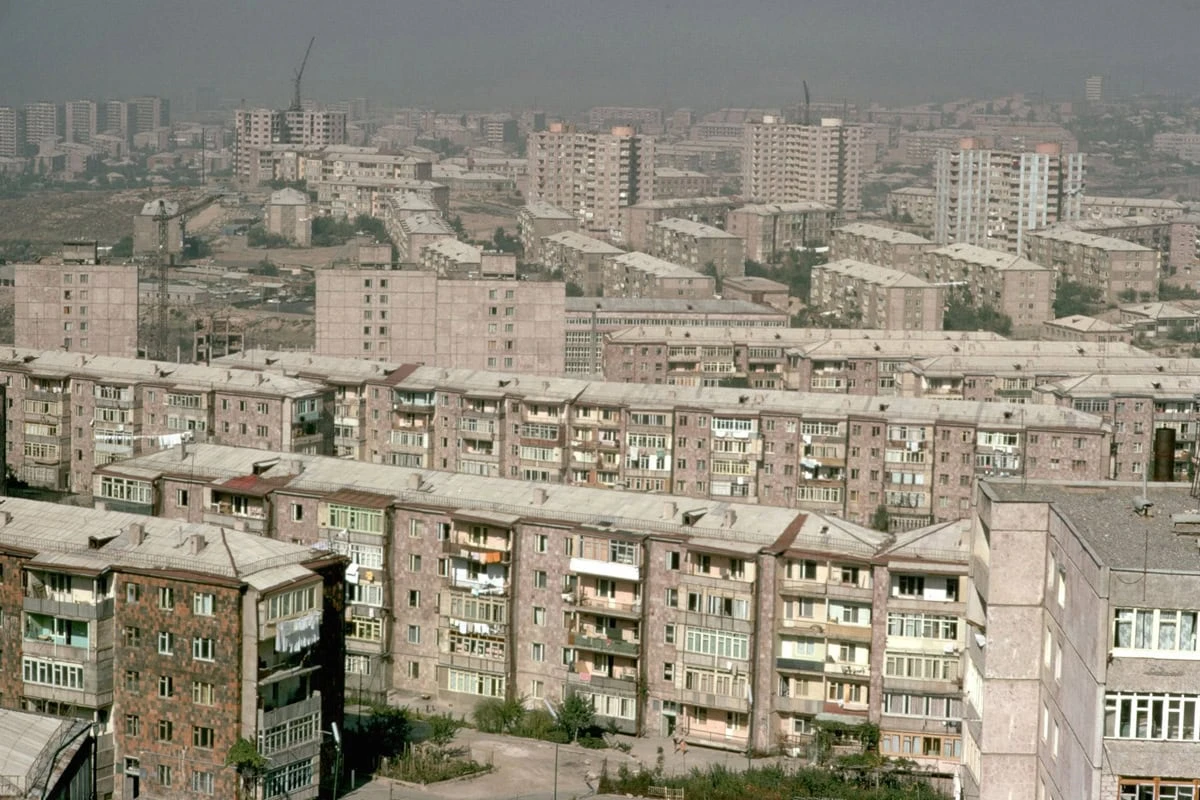
Wider view of Yerevan's Soviet-era residential districts
Walking through Soviet Yerevan opens a window into a period that shaped the city's appearance more than any other in recent history. The monumental squares, towering statues and futuristic arenas were built to project power and progress, but today they tell stories of ambition, identity, and change.For visitors, this journey through Soviet architecture is a way to understand Yerevan's layered character. Soviet-era buildings stand beside medieval churches, 19th-century mansions and modern cafes, each adding a voice to the story of the capital. Approaching them with curiosity reveals Yerevan as a city shaped by its ancient past, transformed in the 20th century and still evolving today.
We advise you to include some of these Soviet-era landmarks in your trip. They add a unique layer to your visit, helping you experience Yerevan not only as an ancient capital but also as a city shaped by the modern history of the 20th century.
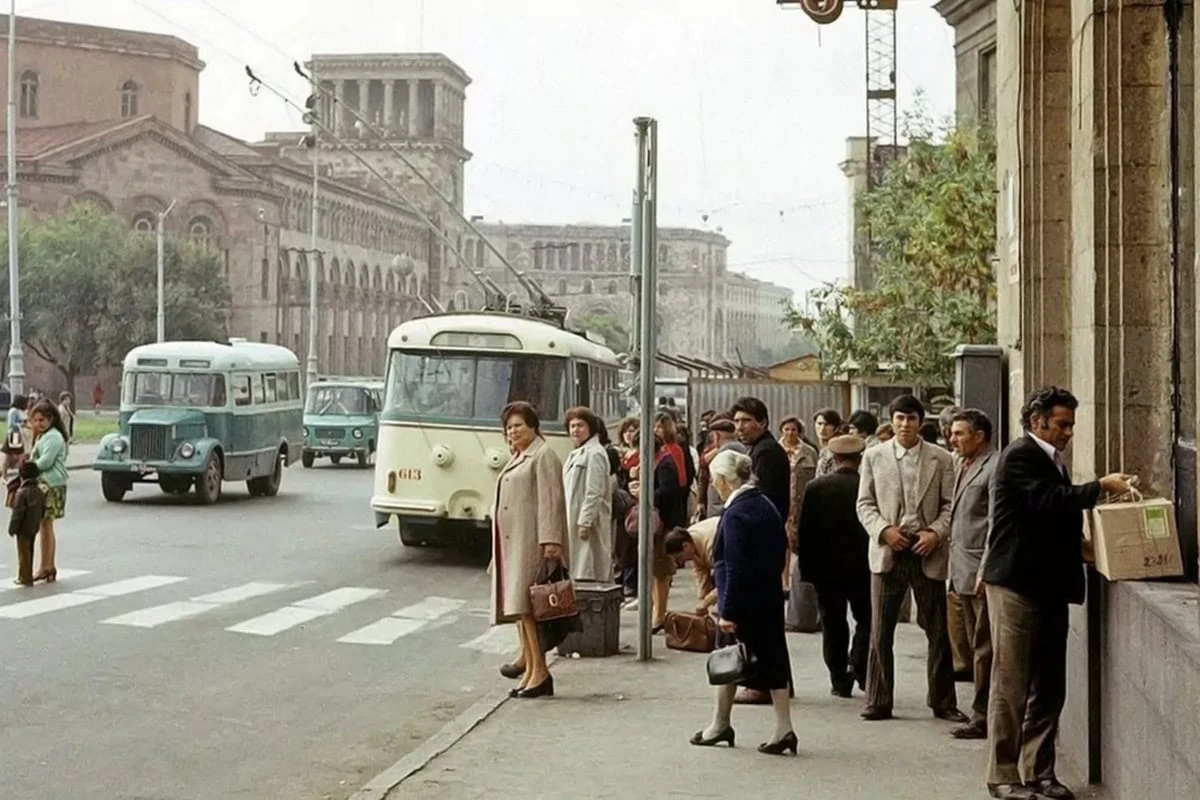
Trolleybus and pedestrians near Republic Square in Soviet-era Yerevan

Related services


-
 23 Jun, 2025
10-13 min
1338 times
23 Jun, 2025
10-13 min
1338 times
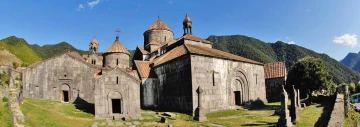
The main monasteries and temples of Armenia
Armenia is the first country to officially adopt Christianity (at the beginning of the 4th century), but it is generally believed that Christians appeared here almost immediately after the death of Jesus. Until the year of 1921, the Biblical Mount Ararat was located on the territory of the country: Noah's Ark came to rest here after the Great Flood, and, according to legend, all the inhabitants of Armenia are descended from those who came from the Ark. This is the "Land of churches": monasteries and temples with a thousand-year history have been preserved here. Let's talk about the monastic complexes near the capital which are a must-see. Where to go in Armenia -
 25 Jun, 2025
12-15 min
1922 times
25 Jun, 2025
12-15 min
1922 times
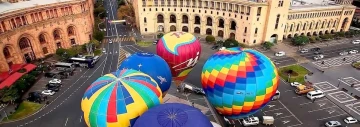
What to see in Yerevan in a few days on your own
Yerevan is a fascinating city, unlike any other capital around the globe. It is home to Soviet high-rise buildings and beautifully preserved ancient districts. And there are so many interesting places in it that it is easy to get lost – where to start from and how to plan a route so as to see everything you want? Let's start a journey right now together with Hyurservice.com. Yerevan: City guide -
For Nature Lovers
 28 Jun, 2025
17-20 min
2083 times
28 Jun, 2025
17-20 min
2083 times
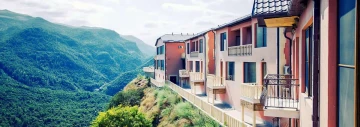
Resorts of Armenia – top famous resorts
Armenia is a country where one can go on vacation all year round. Its ski slopes are not inferior to trendy European resorts, thermal springs keep up with the world-famous Czech ones, and resort hotels in Sevan resemble resorts in Greece. Here one will find Caucasian hospitality, ancient landmarks and incredible mountain landscapes. We will speak about the best resorts of Armenia and their features. Family & Wellness Getaways
Armenia
-
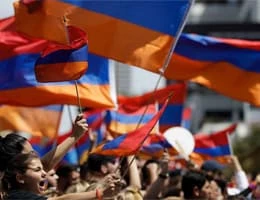
Travel Guide
Planning a trip to Armenia? At Hyur Service, we believe every traveler arrives as a guest and leaves as a friend. To help you navigate your adventure with ease, we've gathered the most essential tips, local secrets and practical answers to the questions travelers ask most often – from visas, safety and transportation to food, culture, costs and the best places to visit. For specific details on how to book our tours, payment methods and reservation policies, please visit our Frequently Asked Questions (FAQ) page. Whether you are searching for the perfect view of Mount Ararat, wondering where to find the best local khorovats, or simply want to know what to expect before you arrive, this guide is designed to help you plan with confidence and explore Armenia like a local. -
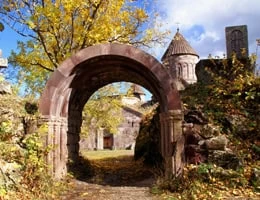
Attractions & Activities
Explore the best places to visit in Armenia with one guide to the country's top attractions and activities. From Yerevan sightseeing, Garni Temple, Geghard Monastery, Lake Sevan and Tatev Monastery to waterfalls, mountains, museums, wine experiences and UNESCO-listed sites, this page helps you discover both must-see landmarks and lesser-known gems across Armenia. Use the filters to browse by region, category, distance from Yerevan, popularity and admission fee, then check opening hours, ticket prices and map location to plan your trip and build your itinerary with ease. -
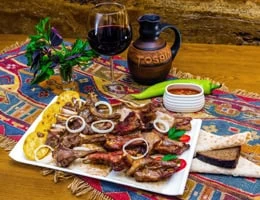
Restaurants & Clubs
Discover the best restaurants, bars and clubs in Armenia in one guide to the country's top dining and nightlife venues. From traditional Armenian cuisine and cozy restaurants in Yerevan to wine houses, cafes, beerhouses and stylish spots across the regions, this page helps you find where to eat, drink and enjoy a memorable night out in Armenia. Use the filters to browse venues by region, type, cuisine and amenities, then check working hours, address and map location to plan your culinary experience with ease. -
Festivals & Holidays
Festivals, holidays and cultural events are among the best ways to experience Armenia's traditions, food and local spirit throughout the year. From "Yerevan Wine Days", Yerevan Color Festival and music events to berry festivals, harvest celebrations and other local traditions, this page helps you find the most interesting festivals and events across Armenia and choose the best time for your visit. Browse by date and check practical details such as location, event date, start time and participation fee to plan your trip with ease.