Private tour: Yerevan main sights, Erebuni, Tsitsernakaberd, Genocide Museum, Paradjanov Museum

Yerevan main sights, Erebuni Museum & Fortress, Tsitsernakaberd Memorial, Armenian Genocide Museum, Sergey Paradjanov Museum

1. Yerevan (main sights)

40-60 min
Attraction page
Yerevan (main sights) Yerevan (main sights) Yerevan (main sights) Yerevan (main sights) Yerevan (main sights) Yerevan (main sights) Yerevan (main sights) Yerevan (main sights) Yerevan (main sights) Yerevan (main sights) Yerevan (main sights) Yerevan (main sights) Yerevan (main sights) Yerevan (main sights) Yerevan (main sights) Yerevan (main sights) Yerevan (main sights) Yerevan (main sights) Yerevan (main sights) Yerevan (main sights) Yerevan (main sights) Yerevan (main sights) Yerevan (main sights) Yerevan (main sights) Yerevan (main sights) Yerevan (main sights) Yerevan (main sights) Yerevan (main sights) Yerevan (main sights) Yerevan (main sights) Yerevan (main sights) Yerevan (main sights) Yerevan (main sights)
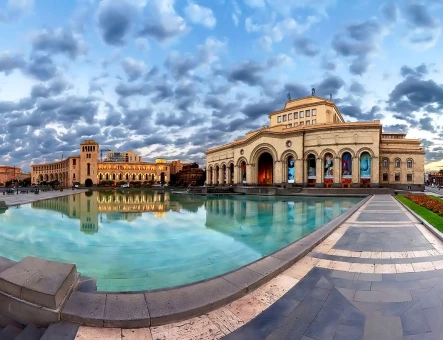
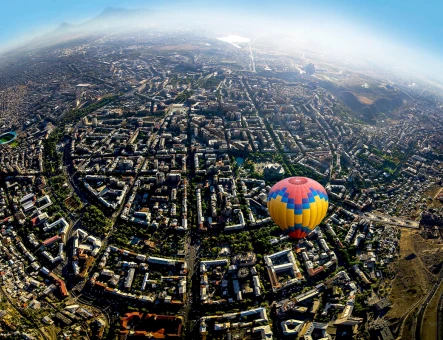
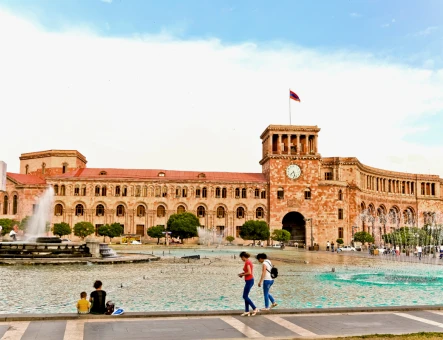
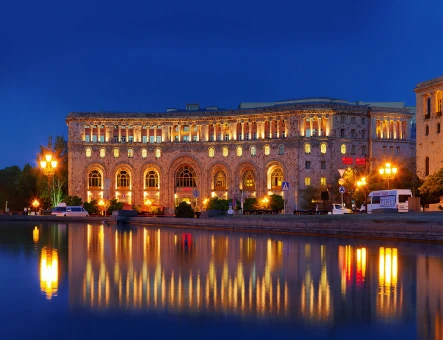
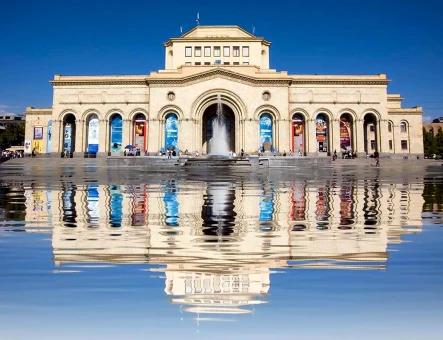
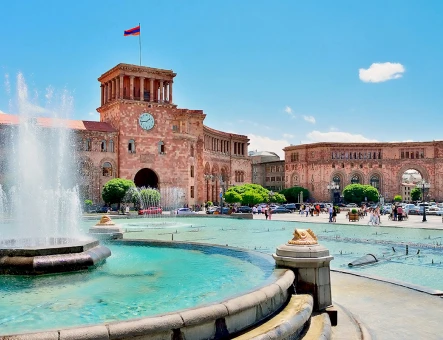
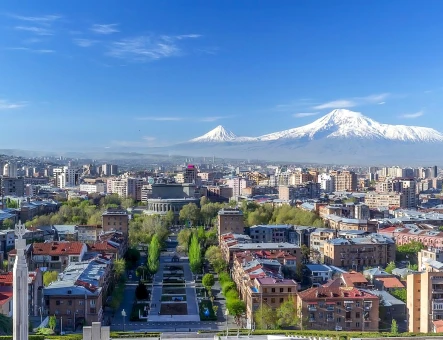
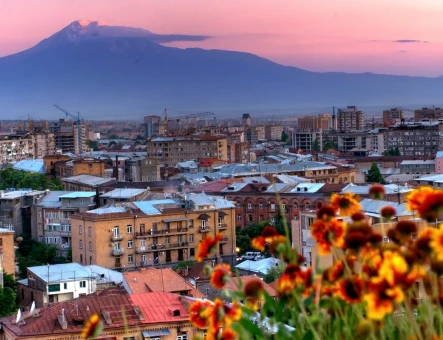
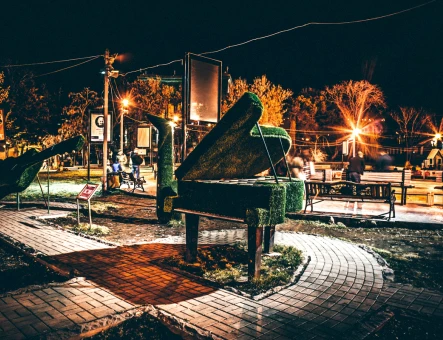
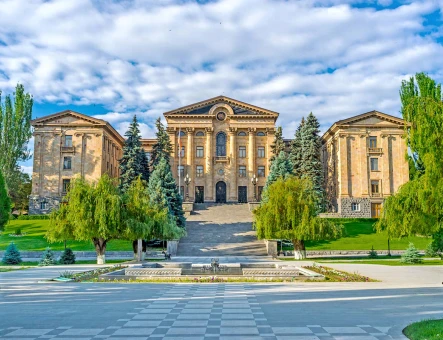
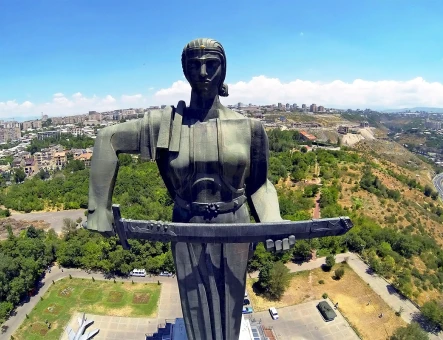
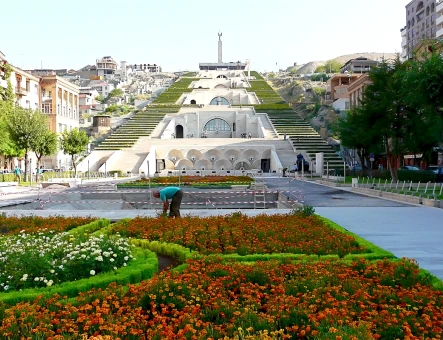
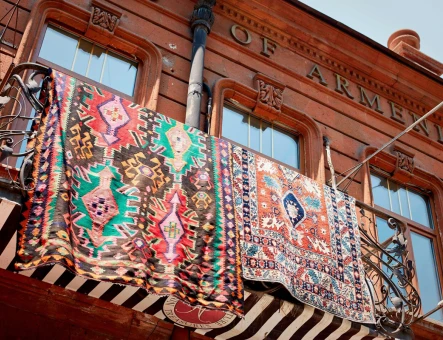
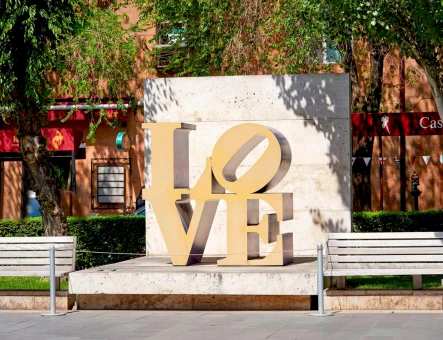
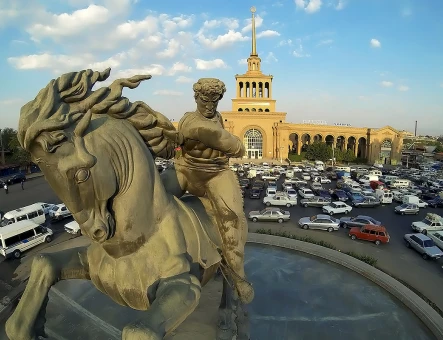
Yerevan, the capital of Armenia and one of the oldest cities in the world, was founded in 782 BC, making it 29 years older than Rome. Its story begins with the fortress of Erebuni, built by King Argishti I and today the ancient ruins coexist in harmony with modern buildings and lively streets. The city is poetically called the "pink" capital, since most of its buildings are made of volcanic tuff in warm shades of pink that glow beautifully at sunset.

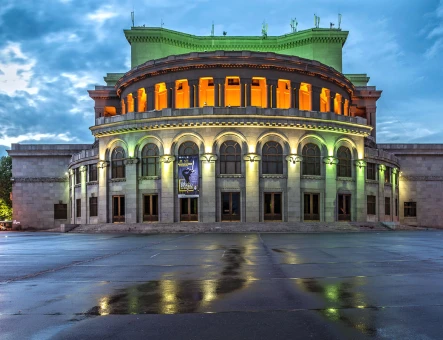
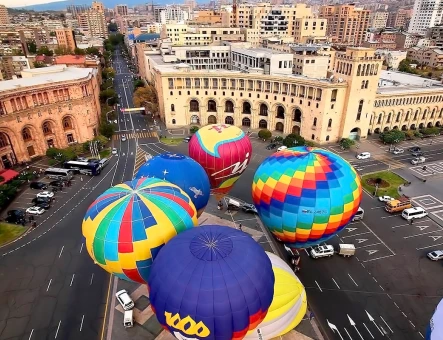
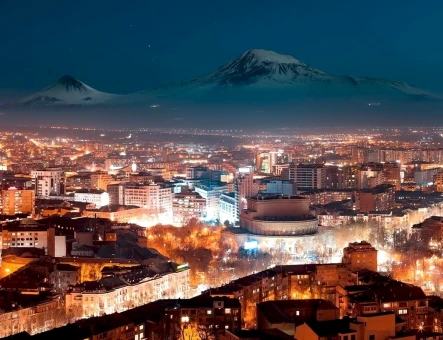
Yerevan enchants with its rhythm: by day it welcomes visitors with museums, parks and landmarks, while by night it transforms into a vibrant hub of cafés, restaurants and clubs. A walk through its streets reveals the city's unique spirit, where antiquity and modernity intertwine at every turn.

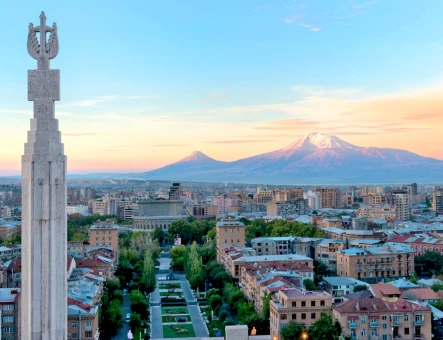
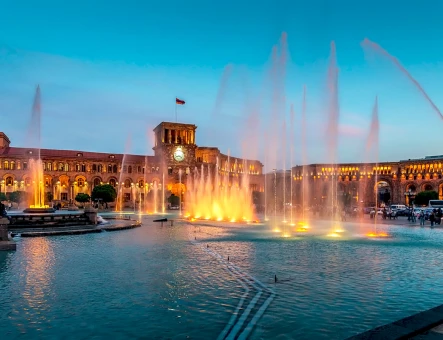
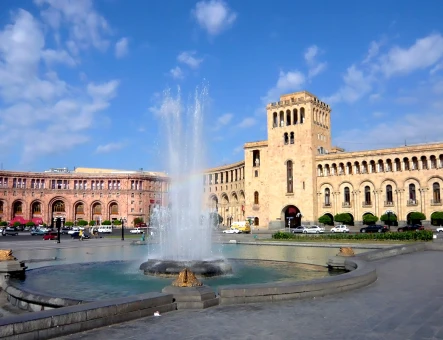
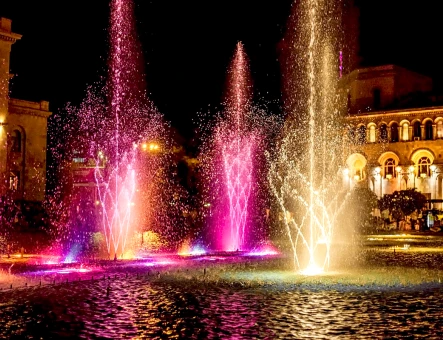
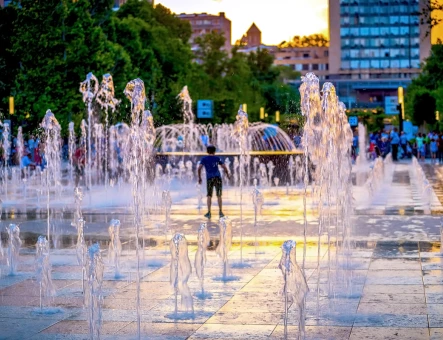
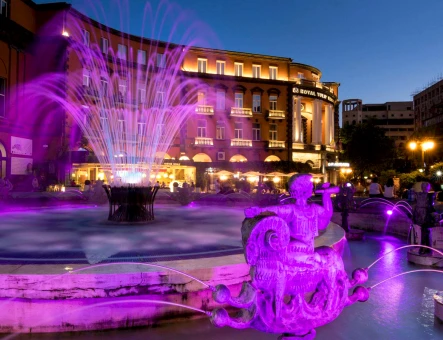
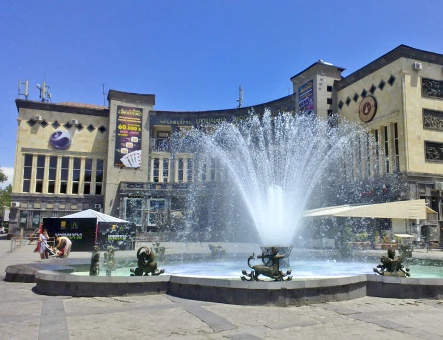
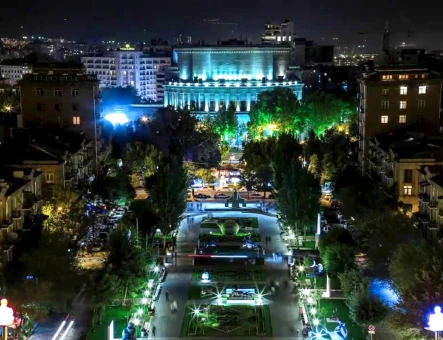
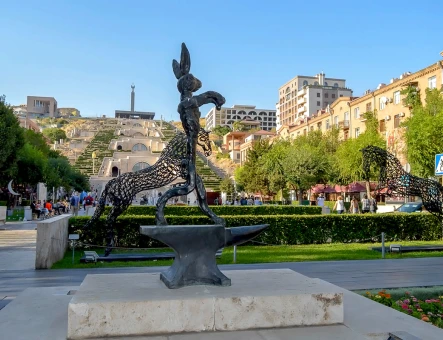
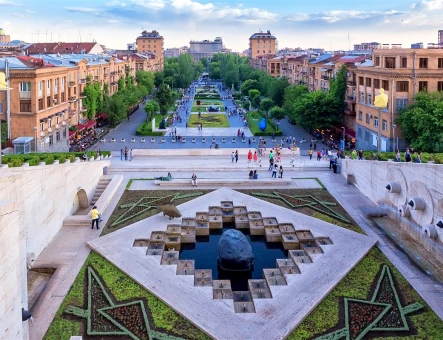
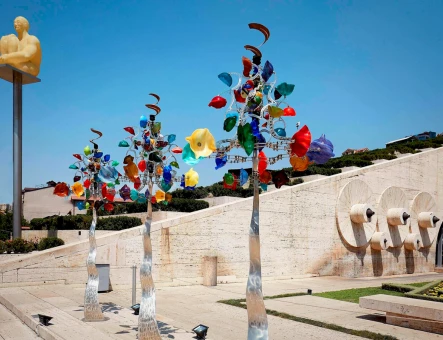
At its heart lies Republic Square, where from May until mid-autumn the spectacular dancing fountains perform a symphony of water and light to classical and contemporary music. Another emblematic spot is the Cascade complex, from which sweeping views of the city and the majestic Mount Ararat unfold. The panorama is especially breathtaking in the evening, when city lights create a magical atmosphere.

Yerevan is not only a historic capital but a living organism, filled with energy, warmth and hospitality. A visit to Armenia's capital always leaves vivid memories and a longing to return.

2. Erebuni Museum and Fortress
50-60 min
Attraction page
Erebuni Museum and Fortress Erebuni Museum and Fortress Erebuni Museum and Fortress Erebuni Museum and Fortress Erebuni Museum and Fortress Erebuni Museum and Fortress Erebuni Museum and Fortress Erebuni Museum and Fortress Erebuni Museum and Fortress Erebuni Museum and Fortress Erebuni Museum and Fortress Erebuni Museum and Fortress Erebuni Museum and Fortress Erebuni Museum and Fortress Erebuni Museum and Fortress Erebuni Museum and Fortress Erebuni Museum and Fortress Erebuni Museum and Fortress Erebuni Museum and Fortress Erebuni Museum and Fortress Erebuni Museum and Fortress
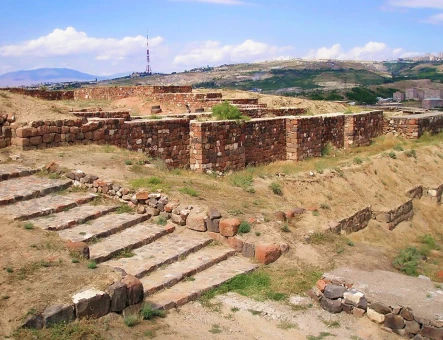
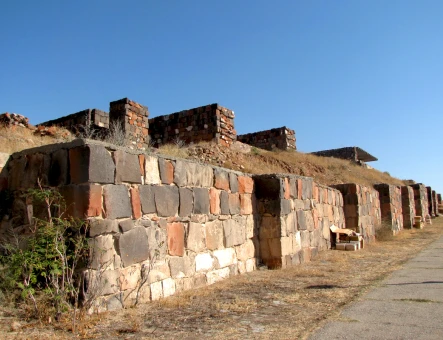
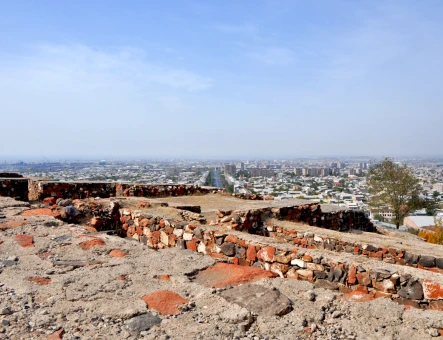
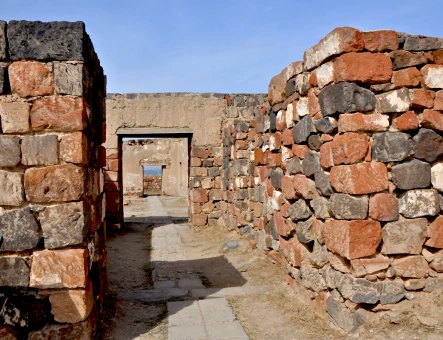
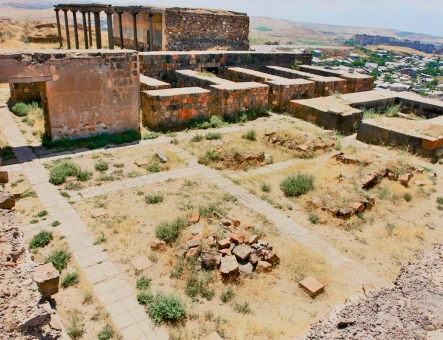
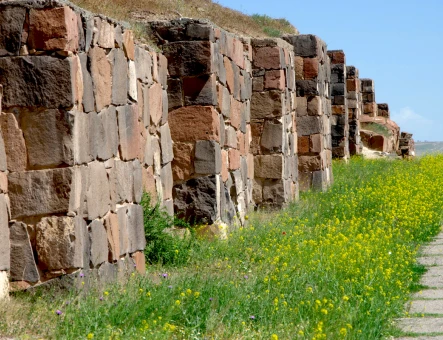
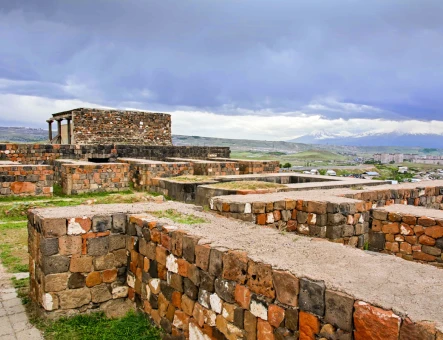
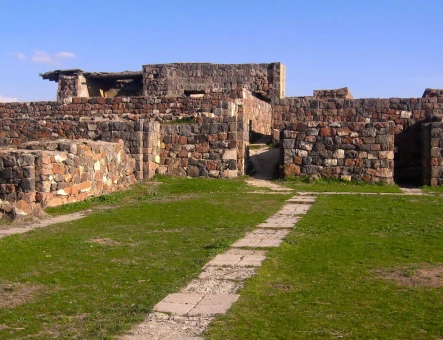
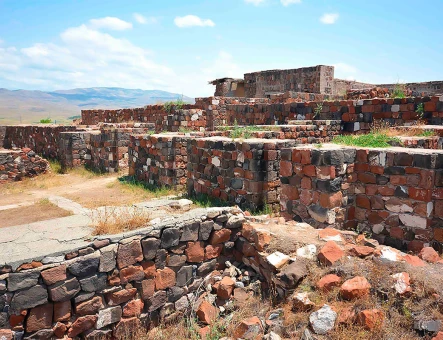
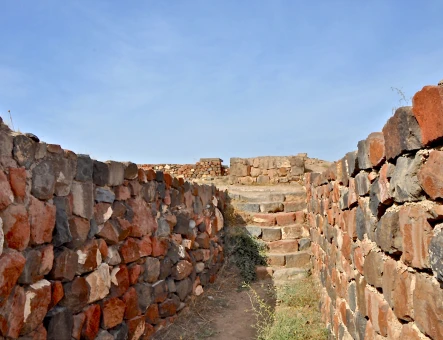
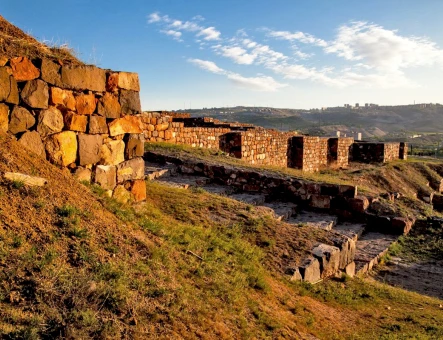
On the hill of Arin Berd, where the wind whispers stories from millennia ago, stand the ruins of Erebuni Fortress, the cradle of modern Yerevan. It was founded in 782 BC by order of the Urartian king Argishti I, built to guard the borders of a mighty kingdom and to control vital trade routes. Because of its ancient age, Yerevan is as old as historical events like the founding of Rome and the first Olympic Games in Ancient Greece.

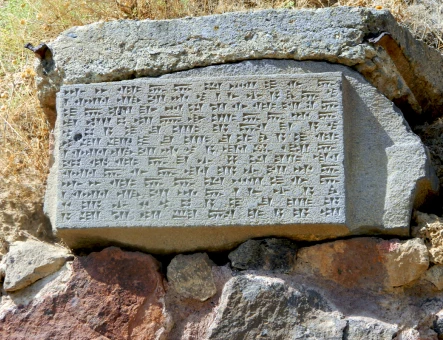
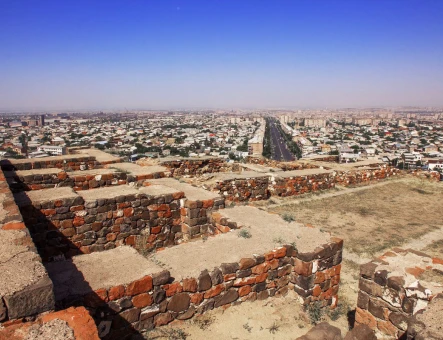
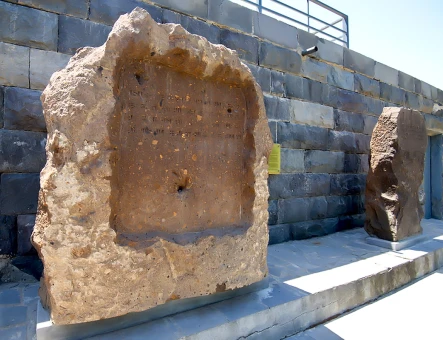
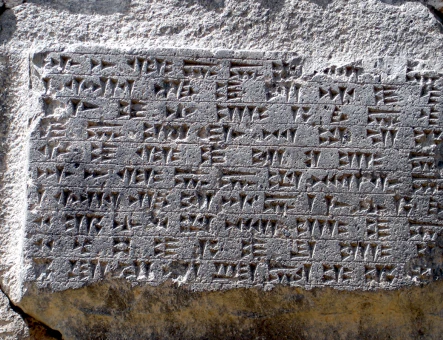
From here, a sweeping panorama unfolds the same view that likely inspired the ancient warriors and builders who raised the massive walls of stone and mudbrick. Buried under the earth for centuries, the fortress began to reveal its secrets in the 19th century, when the first archaeological excavations took place. In the 1950s, large‑scale research uncovered the most significant find: a cuneiform tablet with a message from King Argishti, marking the birth and purpose of Erebuni.

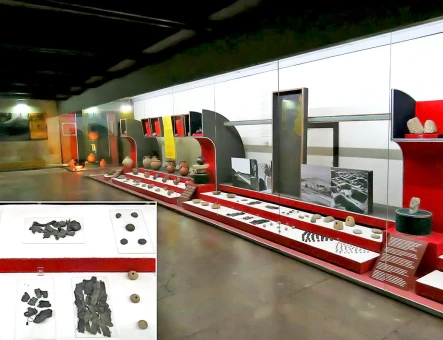
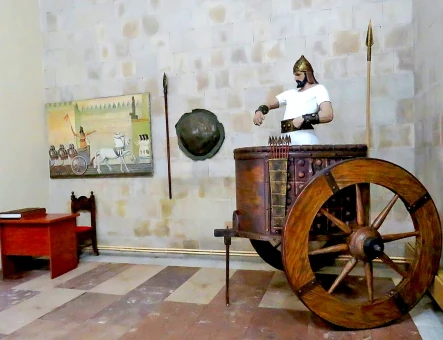
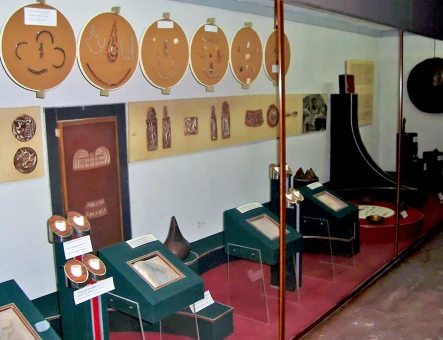
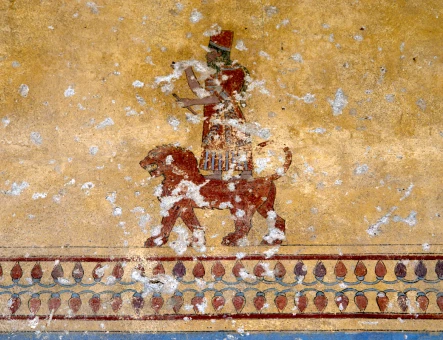
Every discovery from weapons and ceramics to jewelry revives the life of the ancient citadel.

Today, these artifacts are preserved and displayed in the Erebuni Museum at the foot of the hill, where the story of the fortress continues for modern travelers.

3. Tsitsernakaberd Memorial
15-20 min
Attraction page
Tsitsernakaberd Memorial Tsitsernakaberd Memorial Tsitsernakaberd Memorial Tsitsernakaberd Memorial Tsitsernakaberd Memorial Tsitsernakaberd Memorial Tsitsernakaberd Memorial Tsitsernakaberd Memorial Tsitsernakaberd Memorial Tsitsernakaberd Memorial Tsitsernakaberd Memorial Tsitsernakaberd Memorial Tsitsernakaberd Memorial Tsitsernakaberd Memorial Tsitsernakaberd Memorial Tsitsernakaberd Memorial Tsitsernakaberd Memorial Tsitsernakaberd Memorial Tsitsernakaberd Memorial Tsitsernakaberd Memorial Tsitsernakaberd Memorial Tsitsernakaberd Memorial Tsitsernakaberd Memorial Tsitsernakaberd Memorial
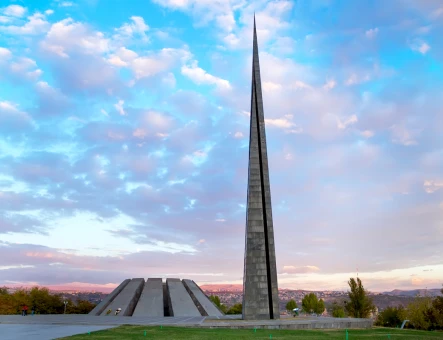
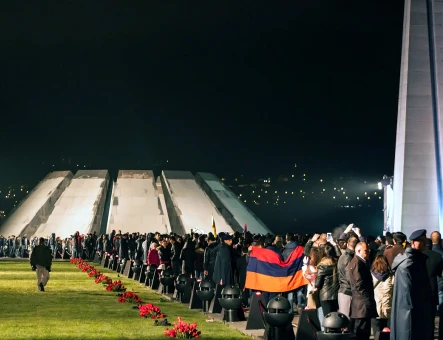
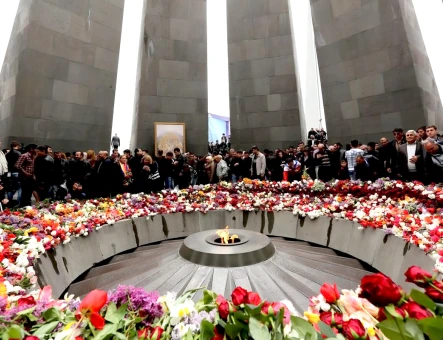
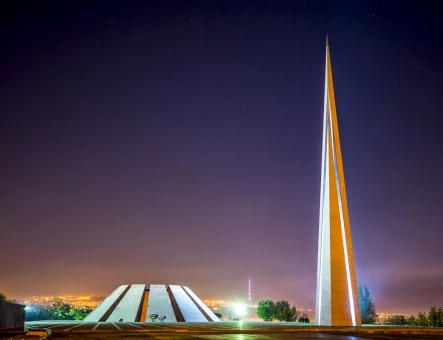
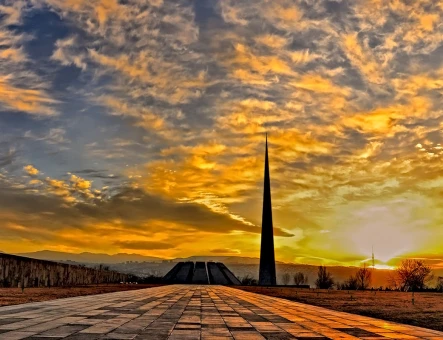
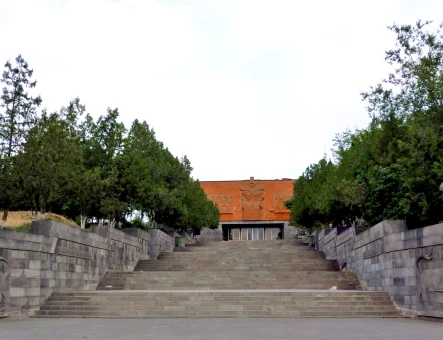
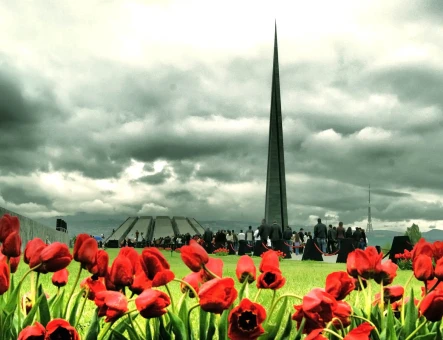
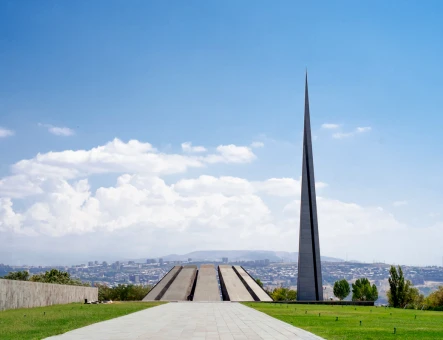
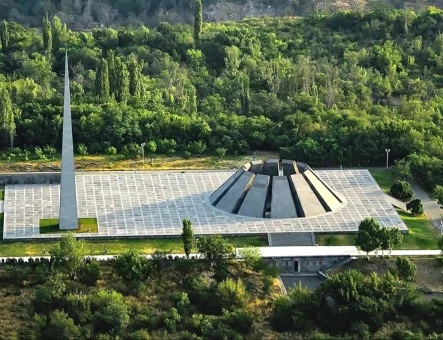
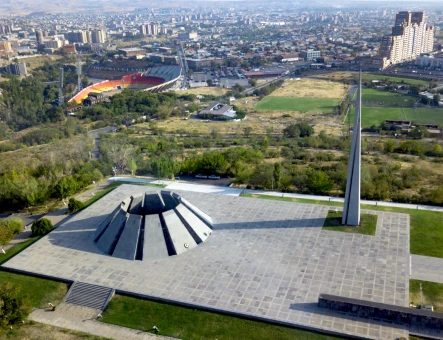
On the right bank of the Hrazdan River stands Tsitsernakaberd Hill, which is translated as "swallow's fortress" from Armenian. According to local folklore, these beautiful birds were love messengers of the Armenian pagan gods Vahagn and Astghik and lived on this hill.

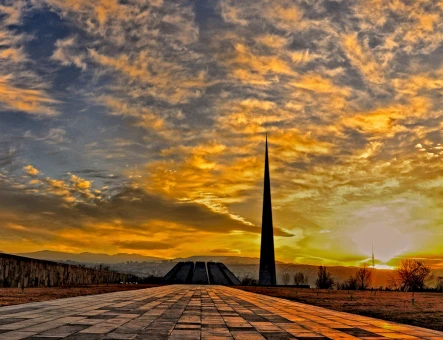
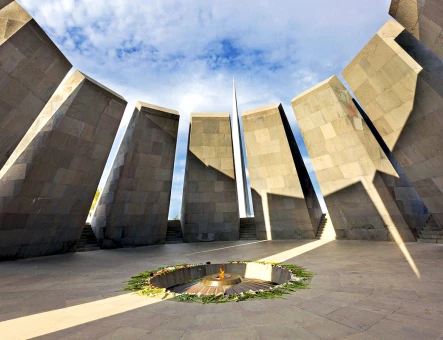
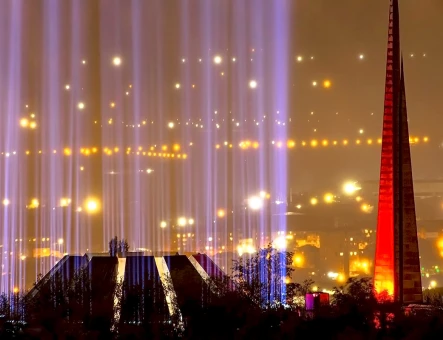
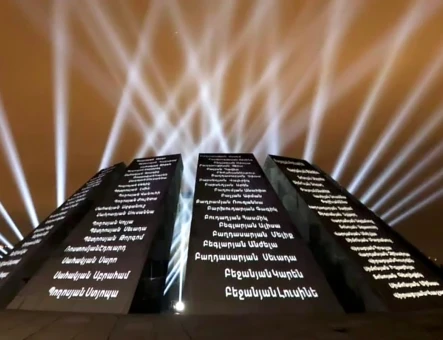
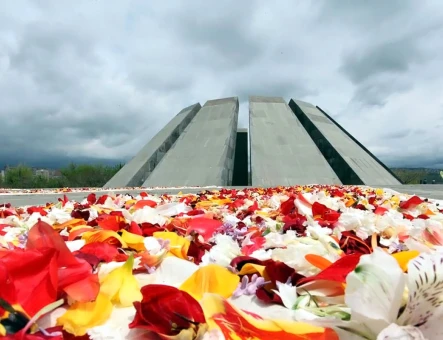
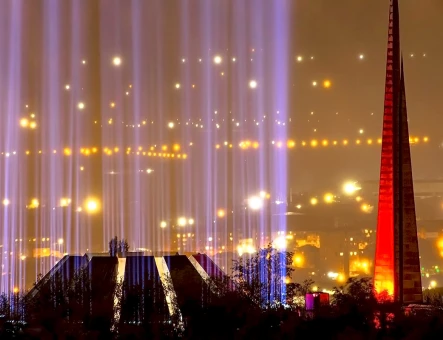
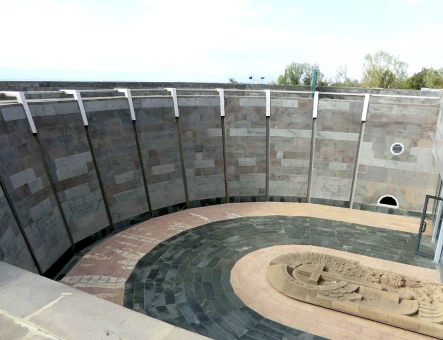
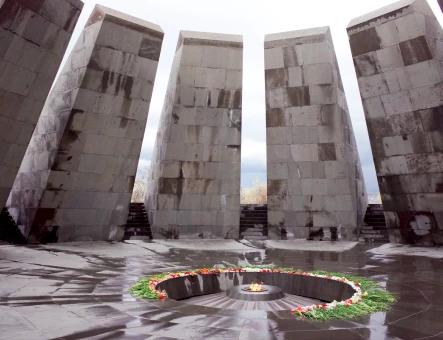
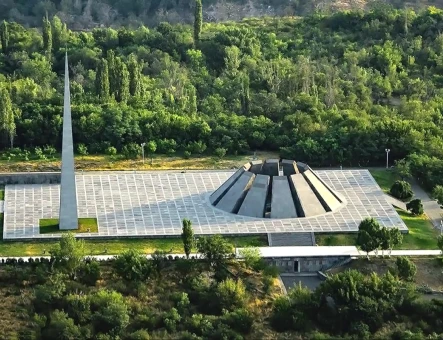
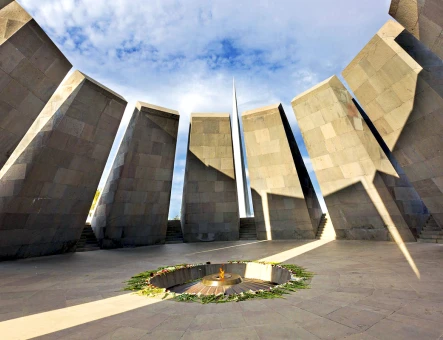
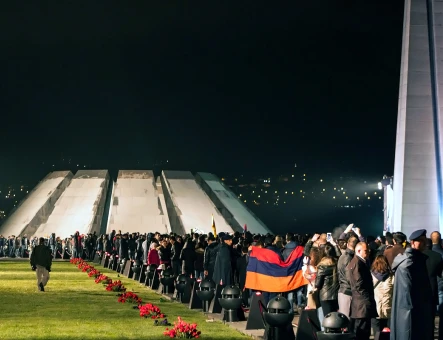
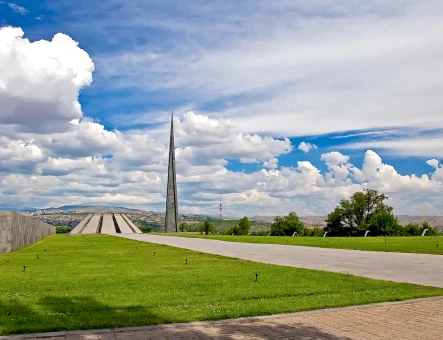
At this misterious place, where the sky seems to bow toward the earth, stands the memorial dedicated to the victims of the Armenian Genocide of 1915. Its austere lines and solemn forms appear as an extension of grief itself, carved forever in stone. The tall obelisk, rising upward, symbolizes not only the sorrow of loss but also the rebirth of a nation that rose from the ashes of tragedy.

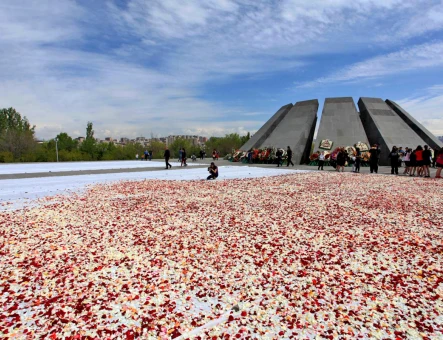
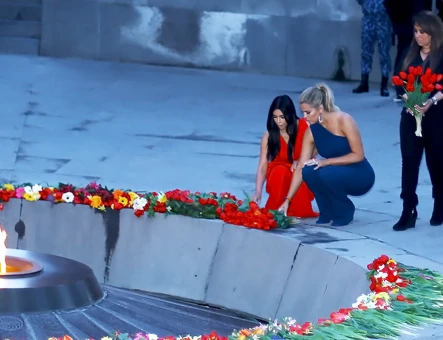
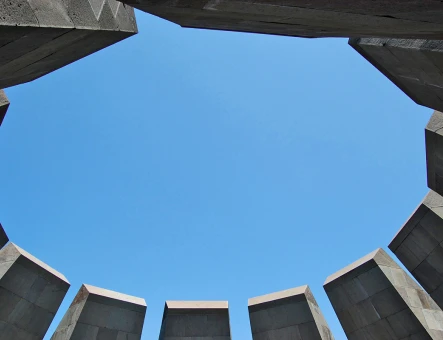
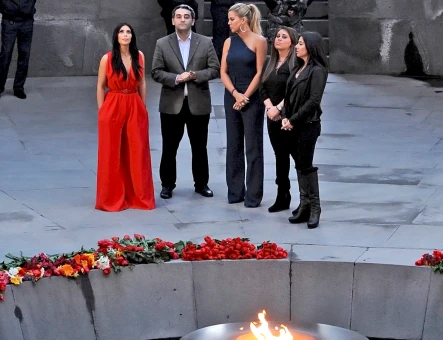
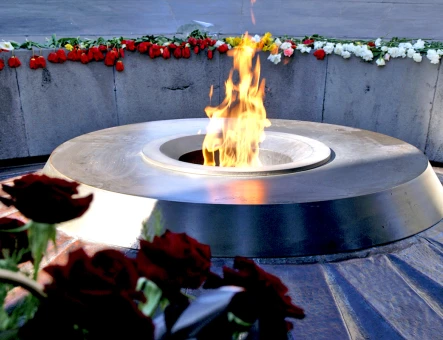
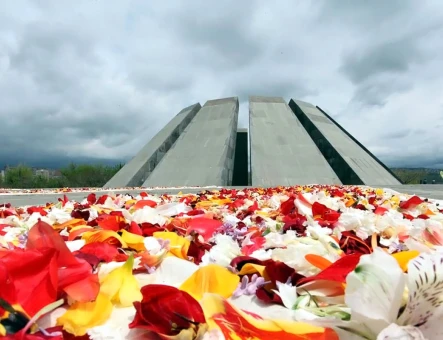
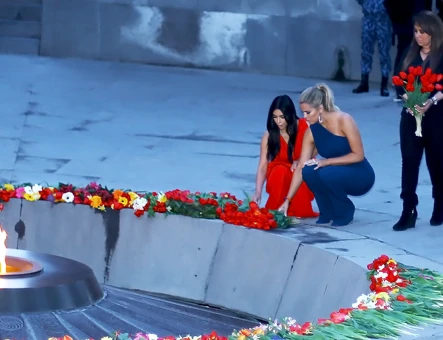
At the heart of the monument burns the eternal flame, sheltered beneath twelve leaning pylons that seem to mourn over their people. Each year, on April 24, thousands gather here – descendants of survivors and those who carry their memory – to lay flowers and unite in silence. On that day, the hill becomes covered with a red carpet of carnations and silence speaks louder than any words.

Tsitsernakaberd is not merely a monument, but the living heart of remembrance, resonating with pain, love and an undying hope. Here, every step is a reminder: time may pass, but memory remains eternal.

4. Armenian Genocide Museum
80-90 min
Attraction page
Armenian Genocide Museum Armenian Genocide Museum Armenian Genocide Museum Armenian Genocide Museum Armenian Genocide Museum Armenian Genocide Museum Armenian Genocide Museum Armenian Genocide Museum Armenian Genocide Museum Armenian Genocide Museum Armenian Genocide Museum Armenian Genocide Museum Armenian Genocide Museum Armenian Genocide Museum Armenian Genocide Museum Armenian Genocide Museum Armenian Genocide Museum Armenian Genocide Museum Armenian Genocide Museum Armenian Genocide Museum
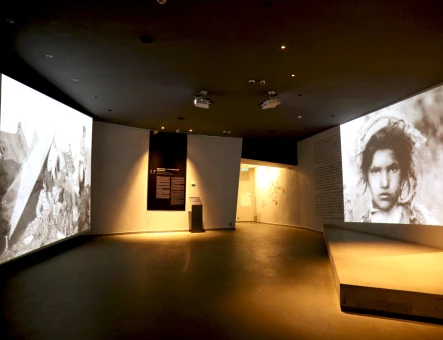
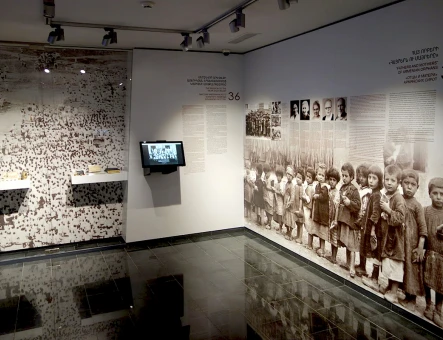
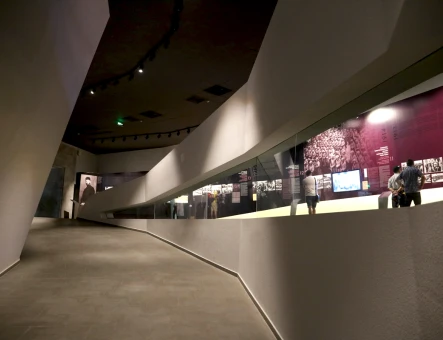
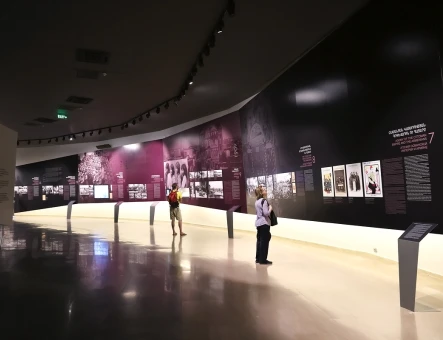
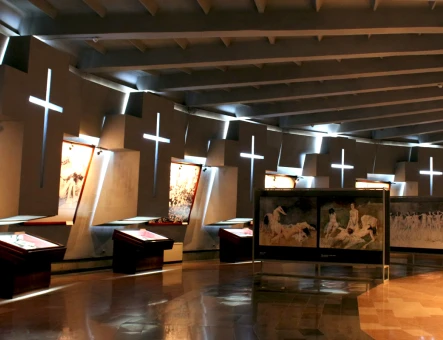
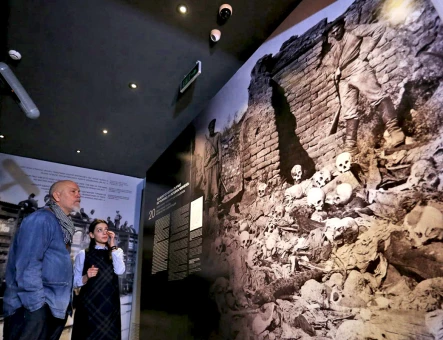
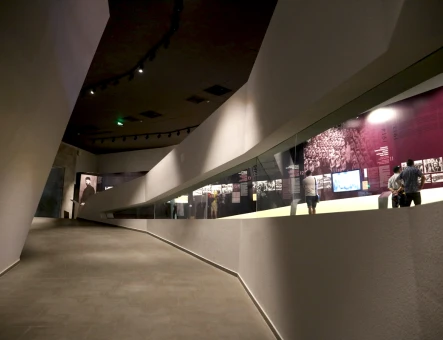
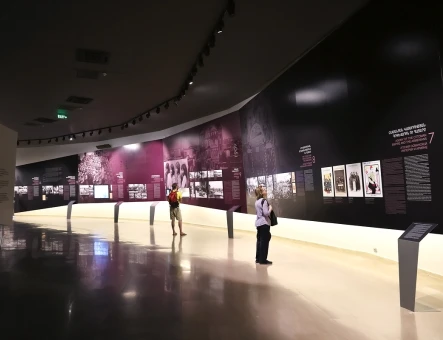
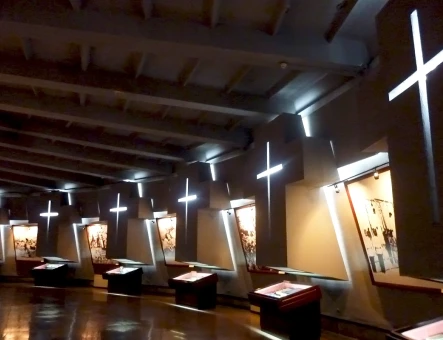
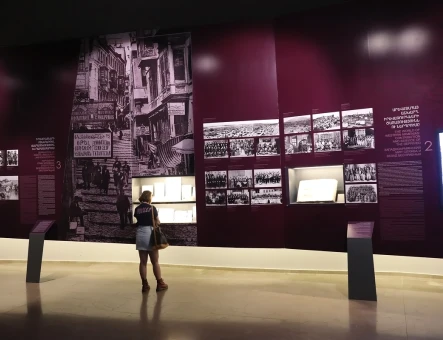
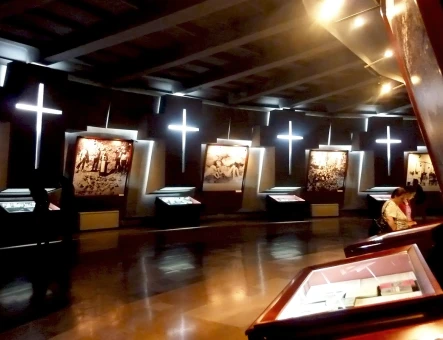
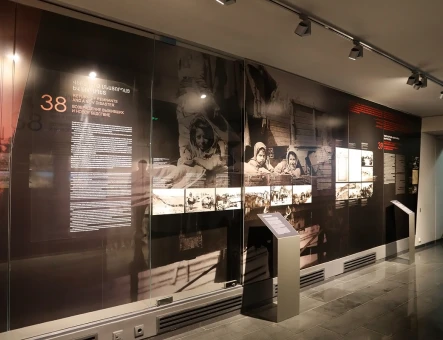
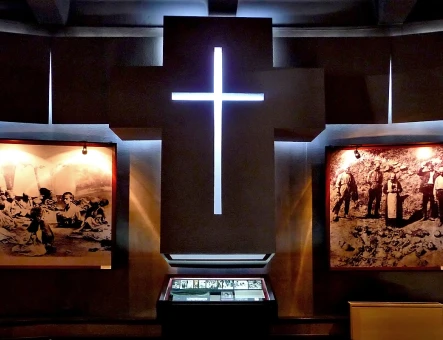
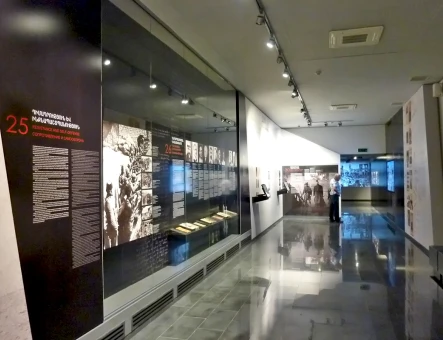
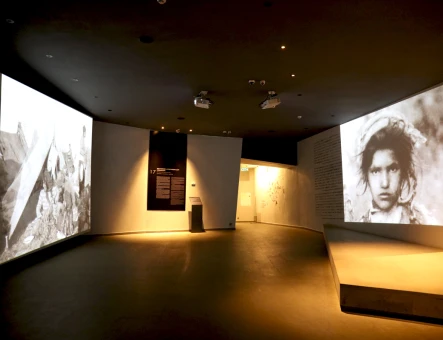
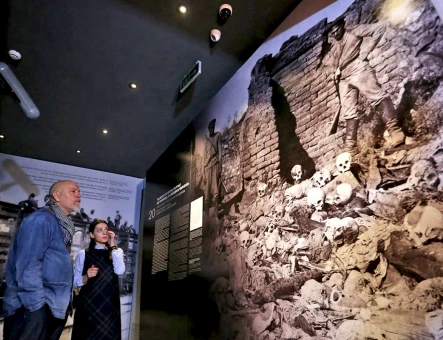
The Armenian Genocide Museum is an integral part of the Tsitsernakaberd Memorial Complex and plays a vital role in preserving historical memory. Its exhibitions reveal the tragic pages of 1915 through unique testimonies, photographs and documents collected from around the world.

Visitors can see images taken by eyewitnesses, letters, archival materials and rare publications that convey the scale and depth of the catastrophe. The museum halls also feature documentary films as well as original international resolutions and parliamentary decisions from various countries that have condemned the genocide. Each exhibit becomes the voice of innocent victims, whose memory remains alive and demands to be heard.

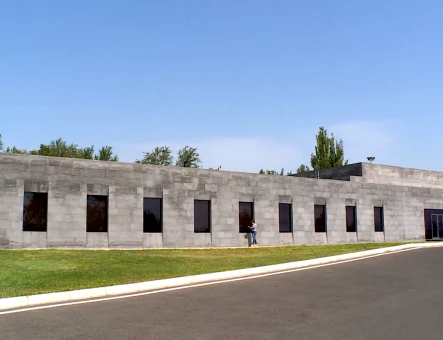
The atmosphere profoundly moves visitors, who leave with a sense of shared responsibility and a deep understanding of the importance of remembrance for the future. The building itself, with its austere architecture harmonizing with the memorial, reinforces the impression of dignity and grief.

The museum is not only a guardian of facts but also carries the mission of reminding humanity of the inadmissibility of repeating such tragedies. A visit here is both an unforgettable history lesson and an act of remembrance that unites generations.

5. Sergey Parajanov Museum
50-60 min
Attraction page
Sergey Parajanov Museum Sergey Parajanov Museum Sergey Parajanov Museum Sergey Parajanov Museum Sergey Parajanov Museum Sergey Parajanov Museum Sergey Parajanov Museum Sergey Parajanov Museum Sergey Parajanov Museum Sergey Parajanov Museum Sergey Parajanov Museum Sergey Parajanov Museum Sergey Parajanov Museum Sergey Parajanov Museum Sergey Parajanov Museum Sergey Parajanov Museum Sergey Parajanov Museum Sergey Parajanov Museum Sergey Parajanov Museum Sergey Parajanov Museum Sergey Parajanov Museum Sergey Parajanov Museum Sergey Parajanov Museum Sergey Parajanov Museum
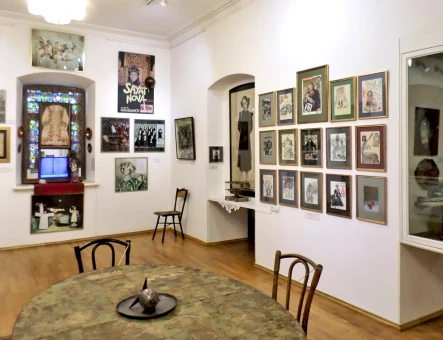
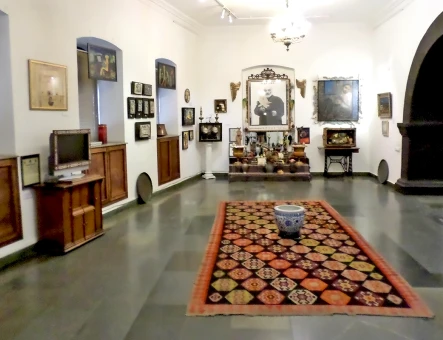
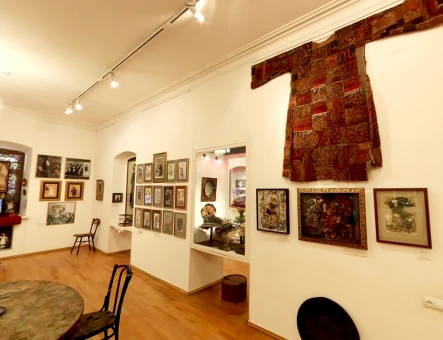
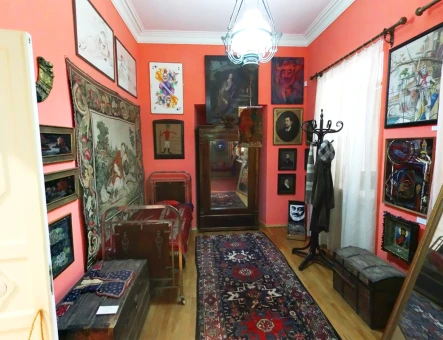
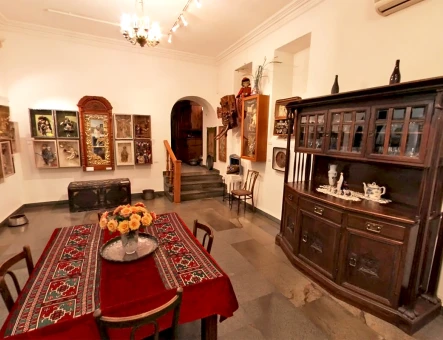
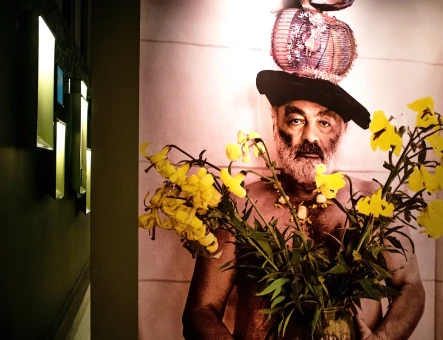
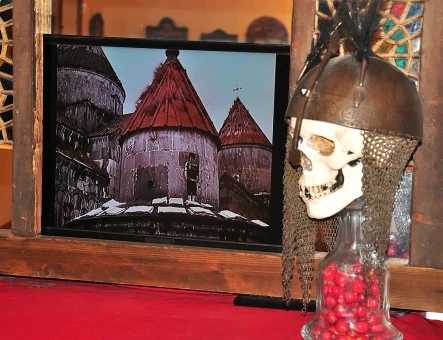
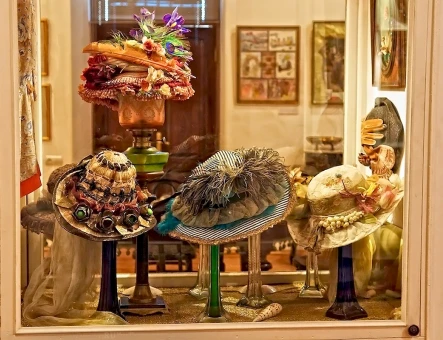
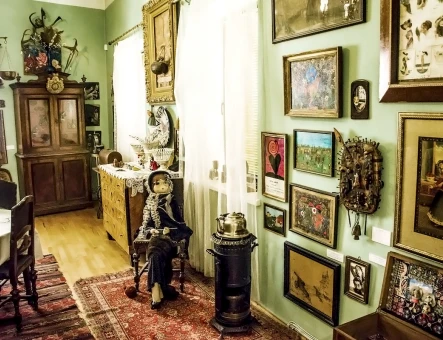
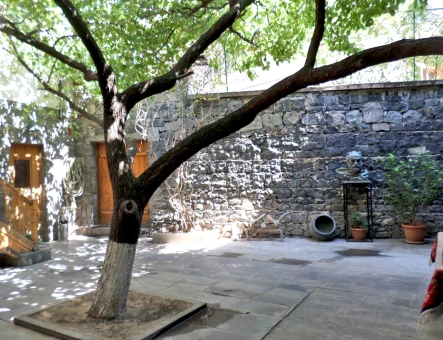
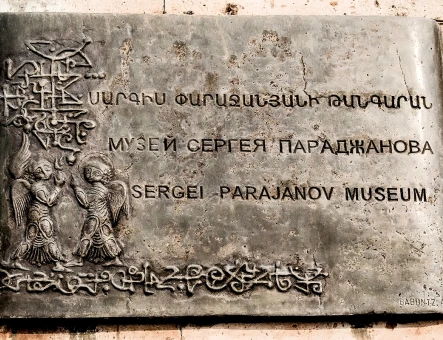
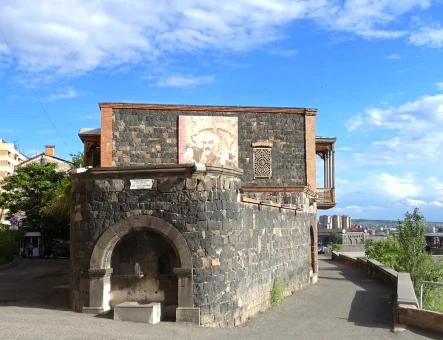
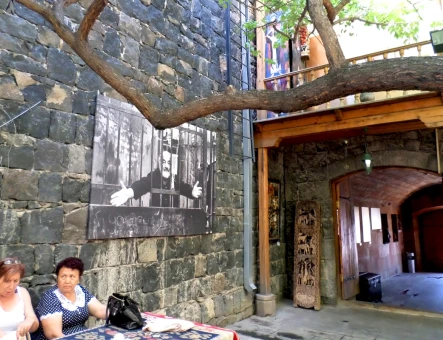
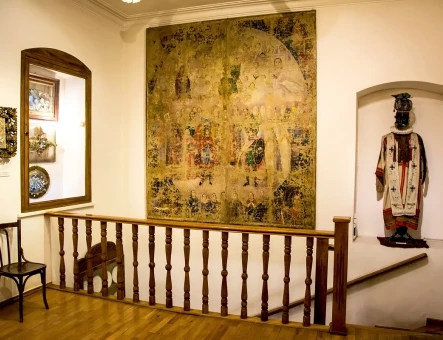
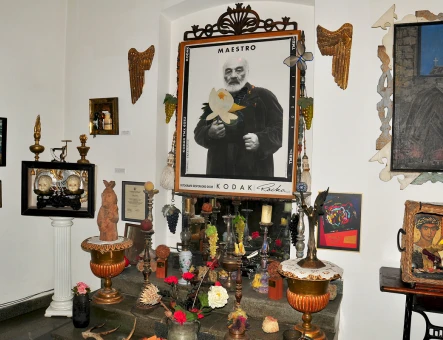
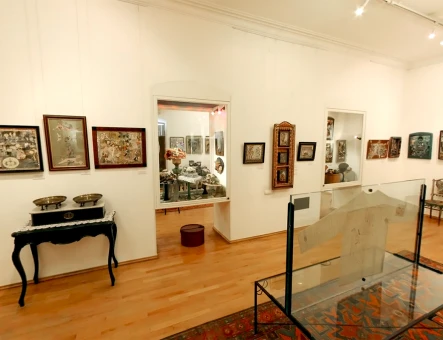
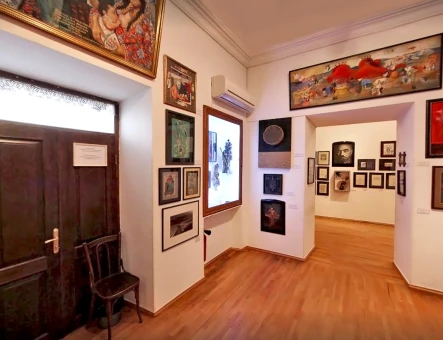
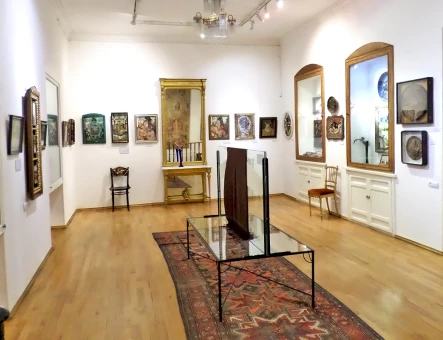
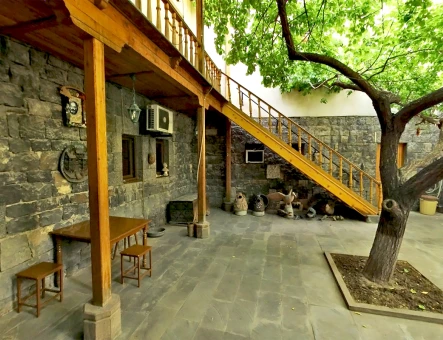
The Sergey Parajanov Museum opened its doors in 1991 and has since become one of Yerevan's most unusual and inspiring cultural centers. Here unfolds the many-sided world of the great director, whose name is celebrated far beyond the borders of Armenia.

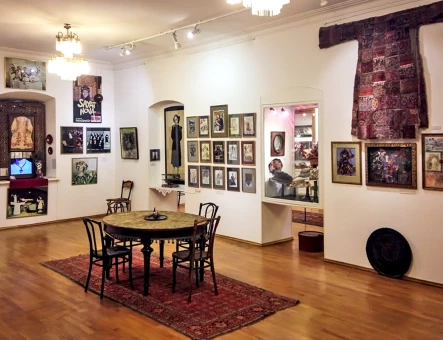
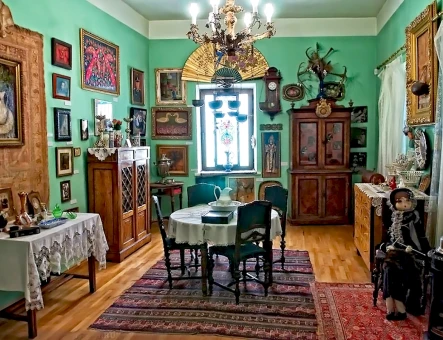
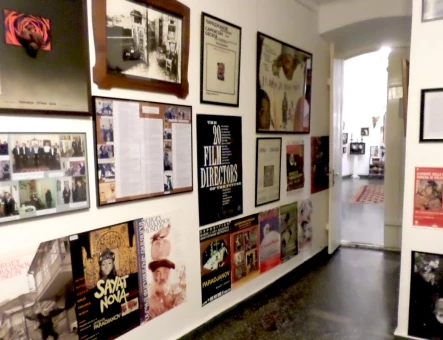
The museum's collection includes drawings, sketches and collages that reveal Parajanov not only as a master of cinema but also as an original artist with a distinctive style. A special part of the exhibition is dedicated to international reviews of his films, published in leading world journals, reflecting the global recognition of his genius.

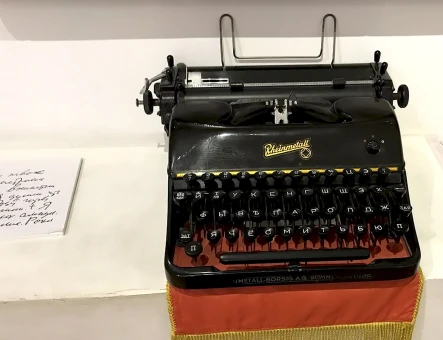
Visitors can also see the director's personal belongings, household items and rare materials, each piece breathing life into his complex and unique personality. Every exhibit unveils a new facet of Parajanov – a man of rare individuality and a challenging life path.

The museum blends an atmosphere of creativity, boldness and freedom – the very qualities that defined Parajanov himself. A visit here becomes more than an encounter with an artist; it is an immersion into an entire era that he managed to capture and translate through his art.

Inclusions

  • Professional drivers

  • Air-conditioned vehicles

  • Bottled water

  • Free pick-up & drop-off within Yerevan

  • Vehicle & passengers insurance

  • Extra stops on the route upon request

Exclusions

  • Significant deviations from the route

  • Alcoholic beverages if lunch option selected

  • Audio guides

  • Wi-Fi in the vehicles

Booking conditions

Cancellation & modification

Meet our Guides

Raffi Halajian

Raffi Halajian

HY EN AR

I'm Raffi, and I'm happy to meet you and be your friend during your tour in Armenia. Being born Armenian and having lived in Syria, my work as a tour guide holds special meaning for my guests. I share the experiences of Armenians living abroad and how they have managed to preserve their heritage there.

Anush Gevorgyan

Anush Gevorgyan

HY EN ES

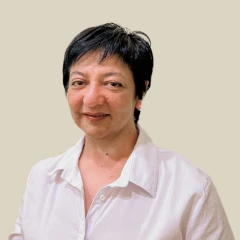
With a deep love for my country and a true passion for storytelling, I bring every tour to life through enthusiasm and local insights. Whether it's uncovering hidden gems or sharing fascinating history, I make every experience unforgettable. Join me on a journey filled with culture, adventure, and authentic moments – you'll leave with amazing memories and a new appreciation for this beautiful destination!

Liana Karapetyan

Liana Karapetyan

HY IT

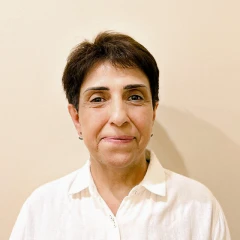
I am Liana Karapetyan – for Italians, Liliana. I have many years of experience as a tour guide and even longer experience as an Italian language translator. Why choose me? If you want to create unforgettable memories from your trip to Armenia, I am ready to help you do so.

Anna Martirosyan

Anna Martirosyan

HY EN

Hi everyone! I'm Anna, and I've been working as a tour guide since 2013. If you're ready to discover Armenia, I'll turn it into an exciting and unforgettable journey. My tours offer a full immersion into the culture, history, religion, and traditions of the Armenian people. My goal is that by the end of your trip, you'll fall in love with Armenia and want to come back again!

map