Private tour: Garni Temple, Geghard Monastery, Tsaghkadzor Ropeway, Kecharis Monastery

Must-see places

Arch of Charents, Garni Temple, Geghard Monastery, Tsaghkadzor, Tsaghkadzor Ropeway, Kecharis Monastery

1. Arch of Charents
15-20 min
Attraction page
Arch of Charents Arch of Charents Arch of Charents Arch of Charents Arch of Charents Arch of Charents
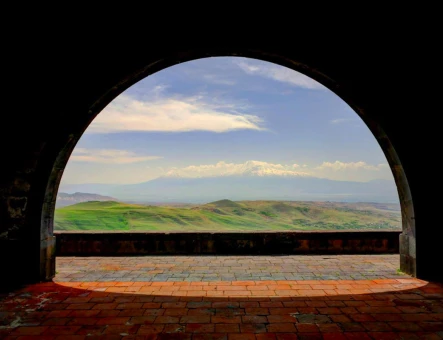
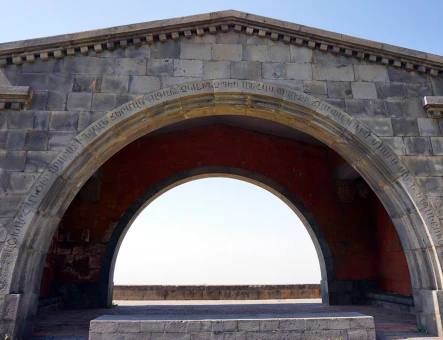
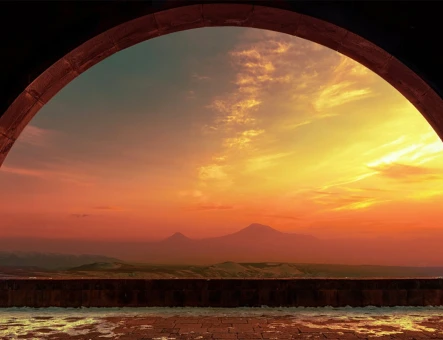
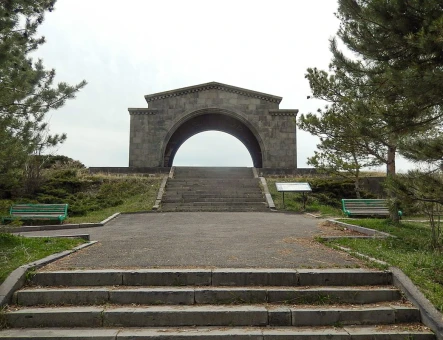
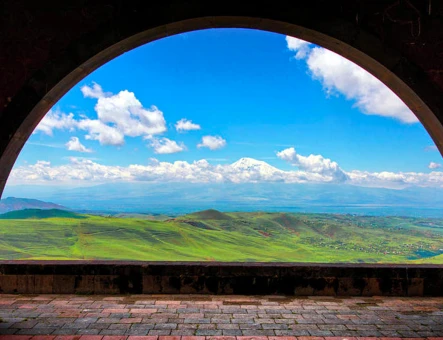
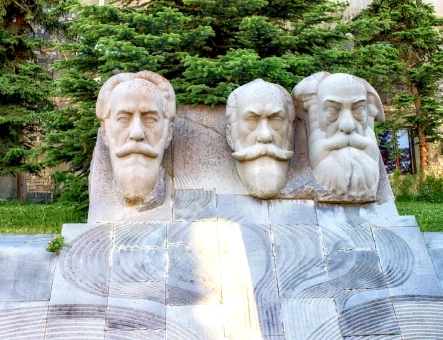
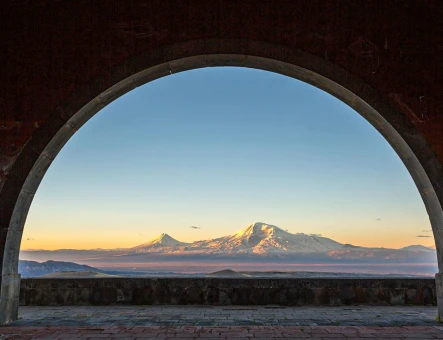
The monument "Arch of Charents" was created by architect Raphael Israelyan. One day on his way to Garni he stopped at this place and, noticing that a picturesque view opens from there to the Mount Ararat, he decided to build an arch as a "temple" to Ararat. The Arch was constructed in 1957, on occasion of the 60th anniversary of the great Armenian poet Yeghishe Charents. It is said, that the poet was also fond of walking around this place. It is like a picture frame, from where a mesmerizing view opens to the Ararat valley with Masis floating in distance. The following words completing Charents' famous poem are carved on the front aperture along the arch:
"There is no summit as snow-white as that of lofty Ararat;
Like an inaccessible path to glory, I love my Mount Masis!"

You can make here stunning pictures against the backdrop of the Arch and Mountain Ararat, only the weather should be clear.

2. Garni Temple
60-70 min
Attraction page
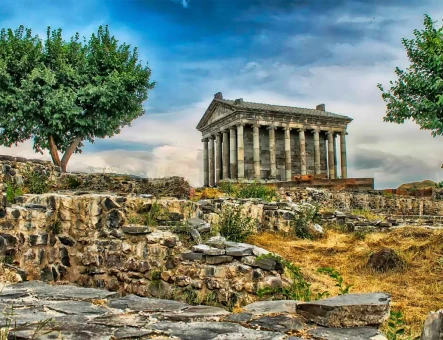
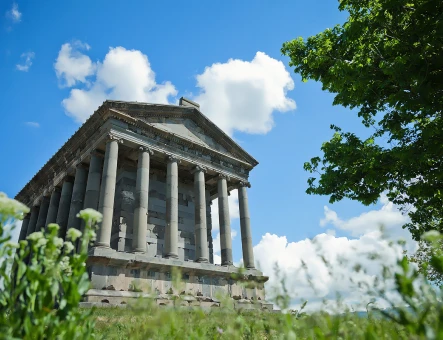
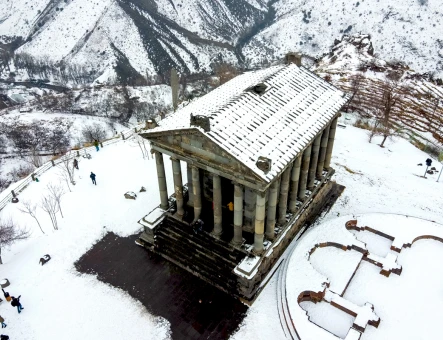
Garni Temple Garni Temple Garni Temple Garni Temple Garni Temple Garni Temple Garni Temple Garni Temple Garni Temple Garni Temple Garni Temple Garni Temple Garni Temple Garni Temple Garni Temple Garni Temple Garni Temple Garni Temple Garni Temple Garni Temple Garni Temple Garni Temple Garni Temple Garni Temple Garni Temple Garni Temple
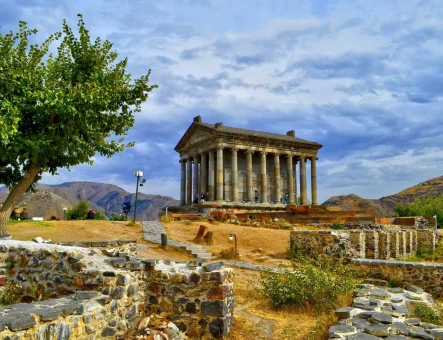
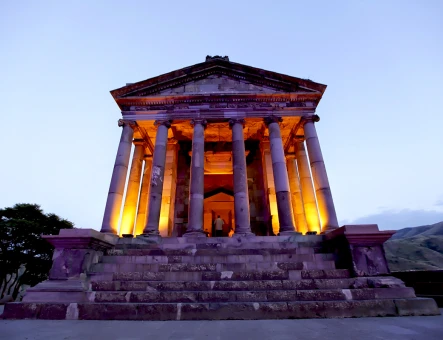
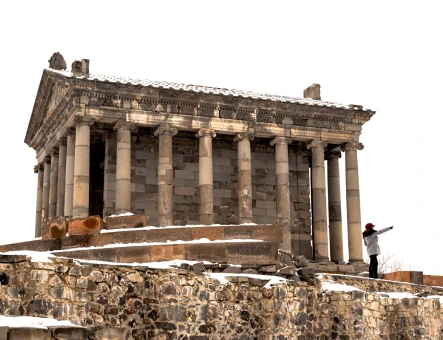
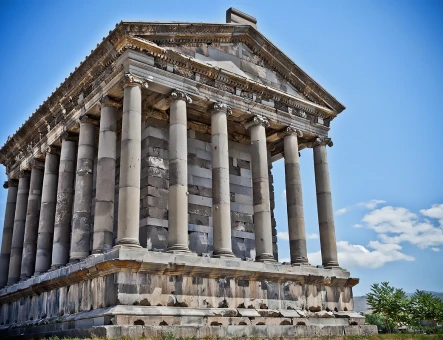
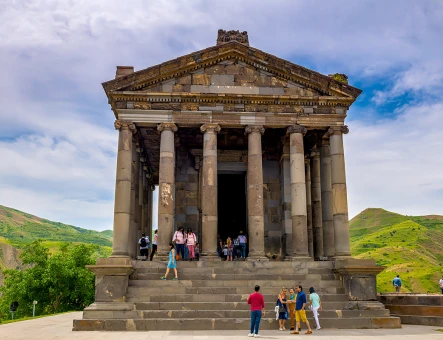
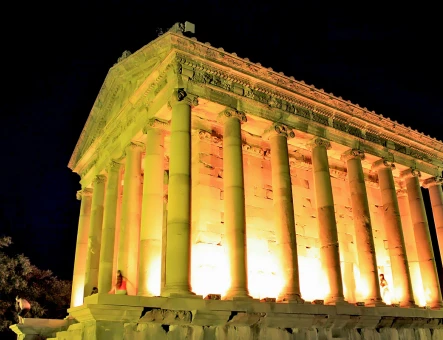
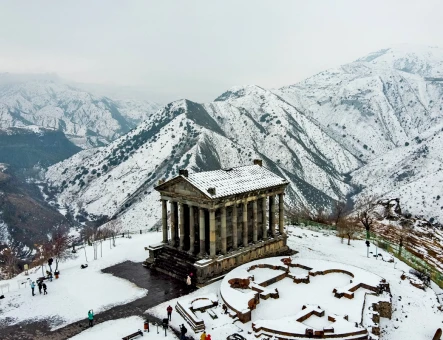
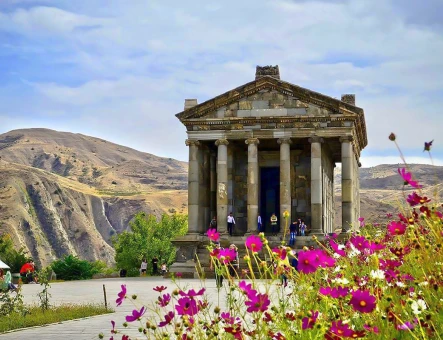
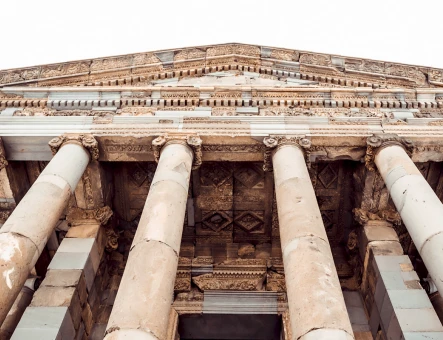
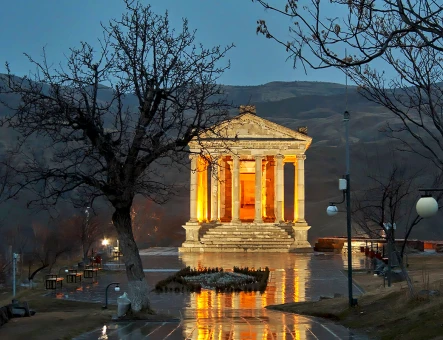
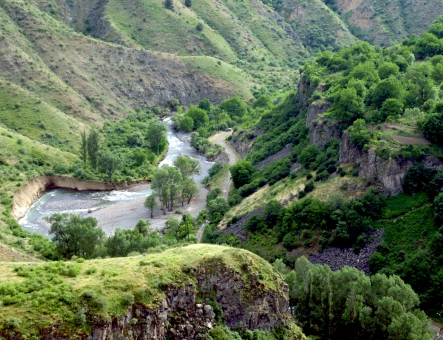
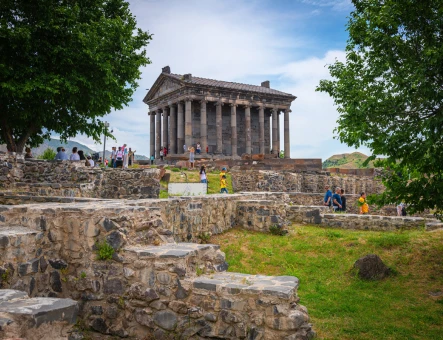
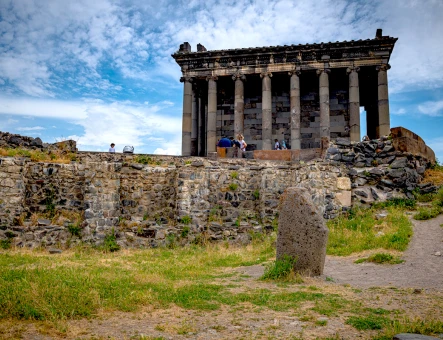
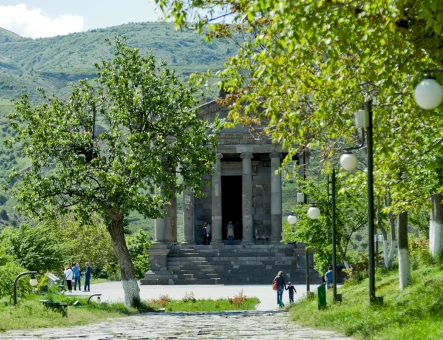
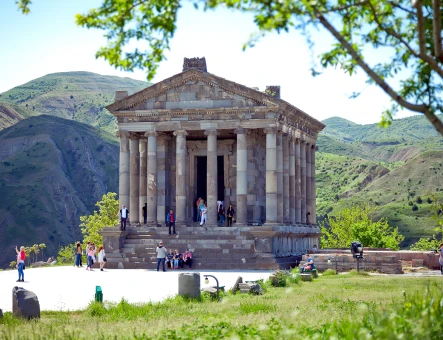
On the edge of a triangular cliff, high above the roaring waters of the Azat River, rises the pagan temple of Garni the sole guardian of Armenia's classical heritage that has survived the centuries. Its elegant columns, turned toward the sun, seem to continue their silent homage to Mihr, the solar god to whom the temple was dedicated.

In the 1st century AD, King Tiridates I ordered a sanctuary to be built here, from which endless views of mountains and gorges unfolded, as if the Sun itself blessed these lands. When Christianity reached Armenia, the ancient rites fell silent and Garni became a royal summer residence, where the echoes of prayers gave way to music, leisure and inspiration.

In 1679, the earth shook and the temple collapsed into a pile of stones, as though history itself had closed a chapter. For nearly three centuries it slept in ruins, until the 20th‑century restoration returned Garni to its classical splendor.

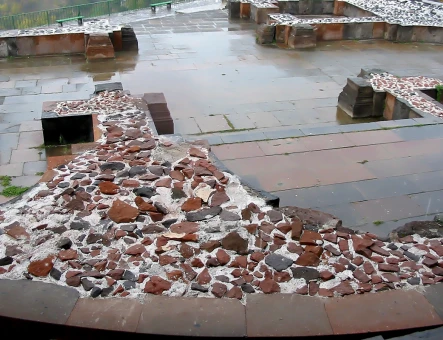
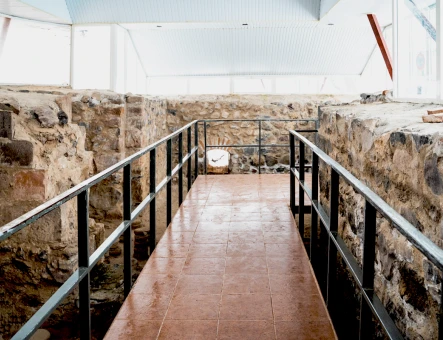
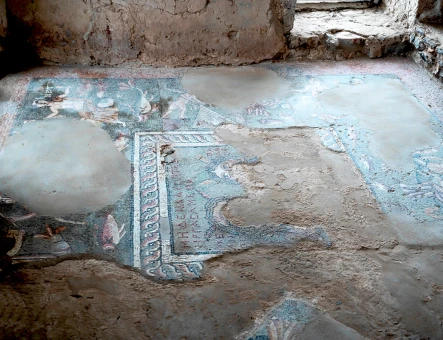
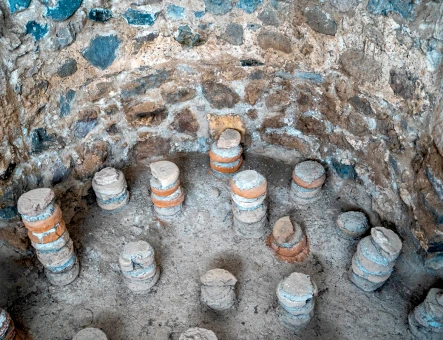
Today, visitors can see traces of the fortress and the royal palace, as well as the mosaics in the king's bathhouse one of which bears the enigmatic inscription: "We worked and got nothing." This suggests that the building and the masterpiece of art were a gift to the Armenian king. Today, once every four years, a fire is lit in the temple as a symbol of the Pan-Armenian Games that bring together in homeland Armenian youth from around the world.

Standing on the edge of the cliff, you may feel the wind carrying the echo of priestly hymns, the footsteps of kings and the breath of ancient Armenia, where legend and history become one.

3. Geghard Monastery
60-70 min
Attraction page
Geghard Monastery Geghard Monastery Geghard Monastery Geghard Monastery Geghard Monastery Geghard Monastery Geghard Monastery Geghard Monastery Geghard Monastery Geghard Monastery Geghard Monastery Geghard Monastery Geghard Monastery Geghard Monastery Geghard Monastery Geghard Monastery Geghard Monastery Geghard Monastery Geghard Monastery Geghard Monastery Geghard Monastery Geghard Monastery Geghard Monastery Geghard Monastery Geghard Monastery Geghard Monastery Geghard Monastery Geghard Monastery Geghard Monastery Geghard Monastery Geghard Monastery Geghard Monastery Geghard Monastery
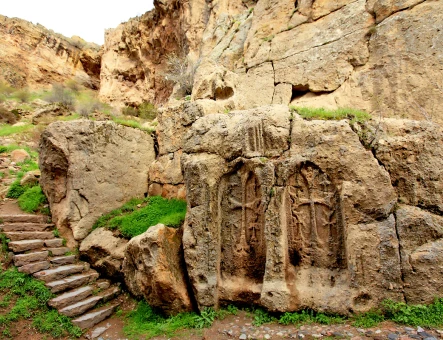
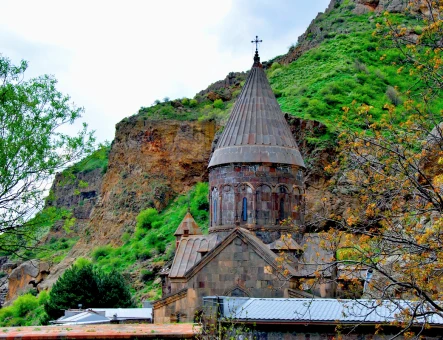
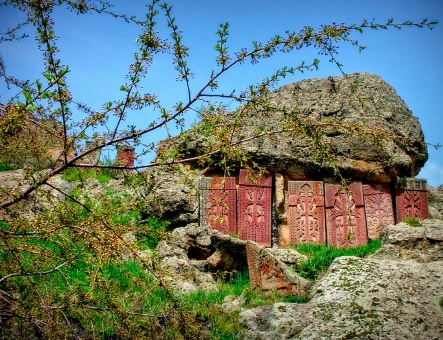
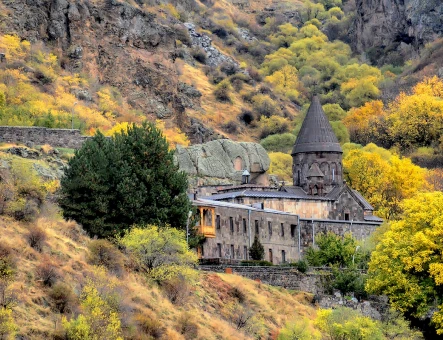
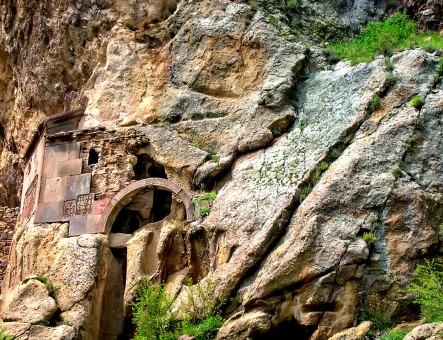
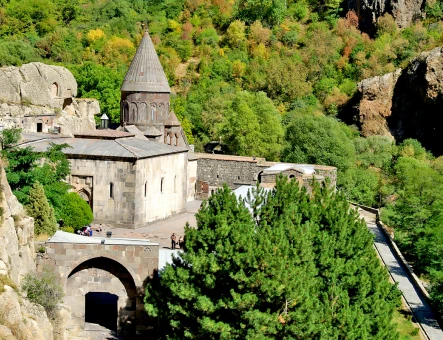
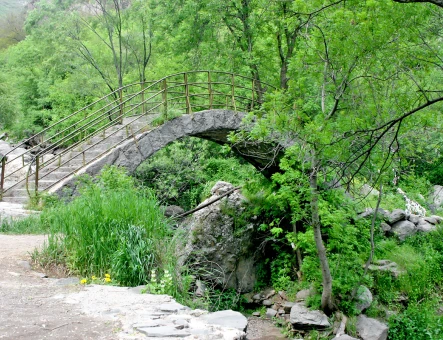
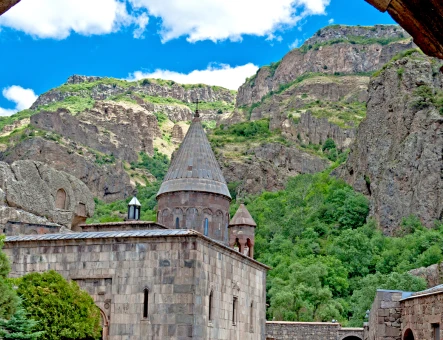
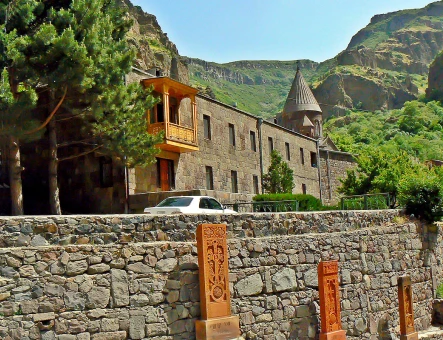
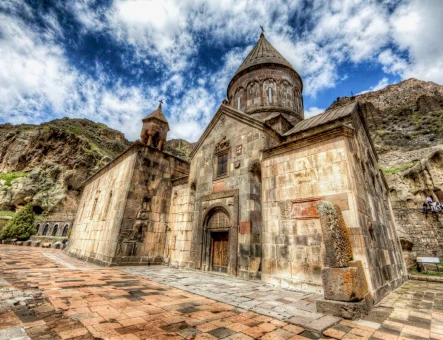
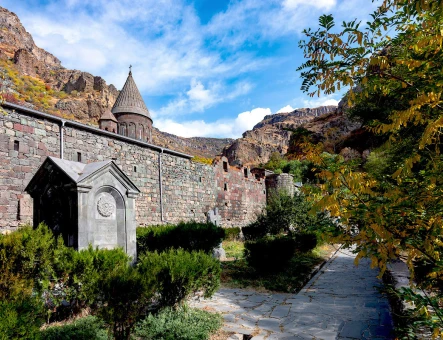
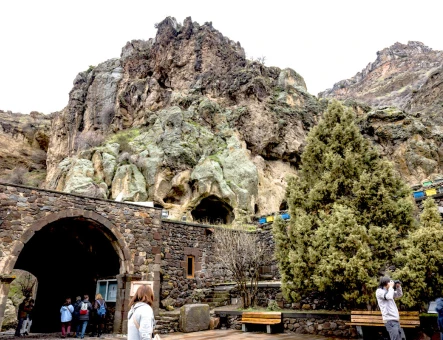
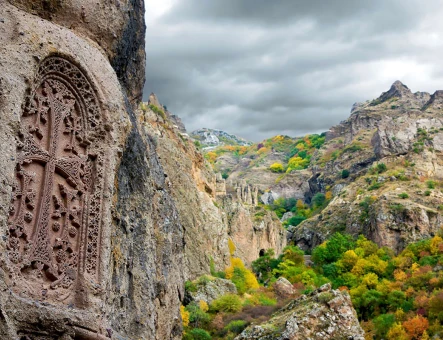
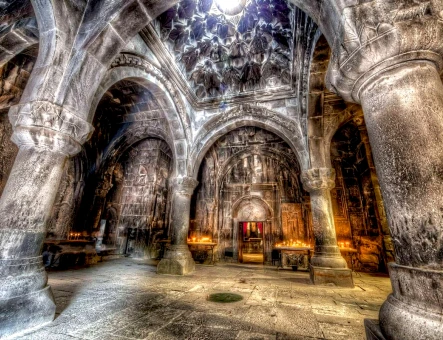
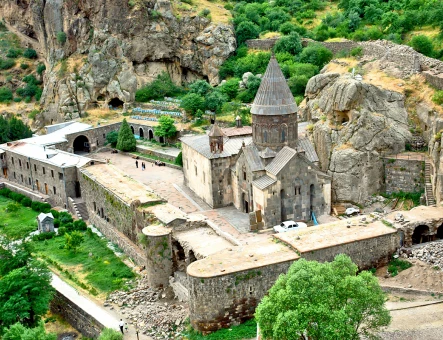
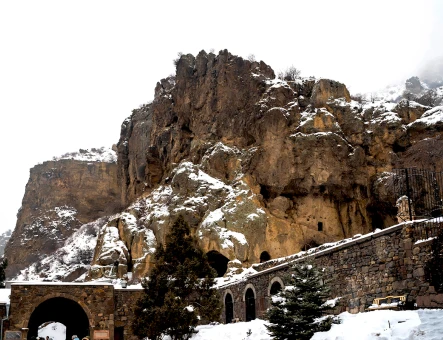
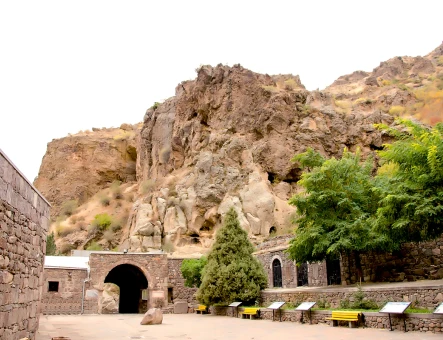
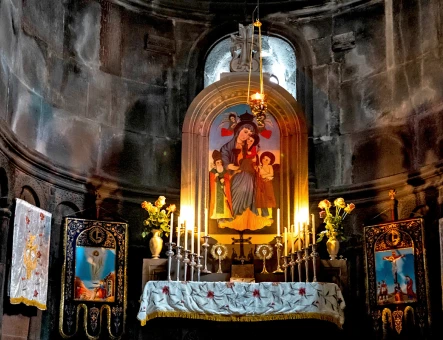
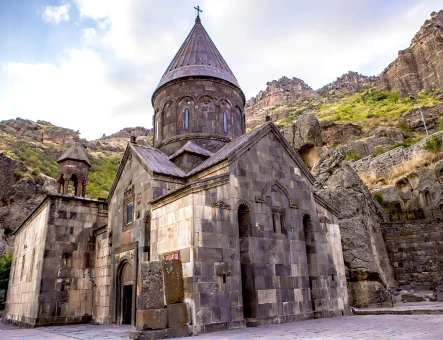
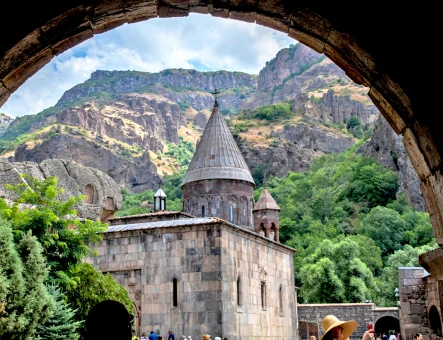
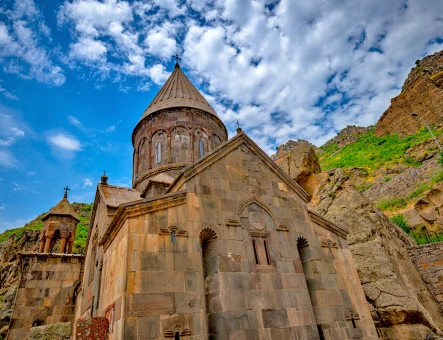
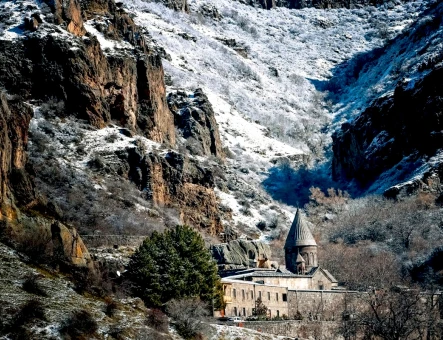
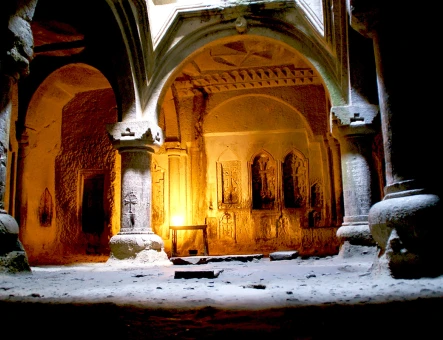
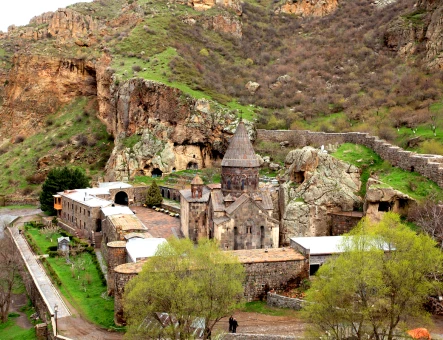
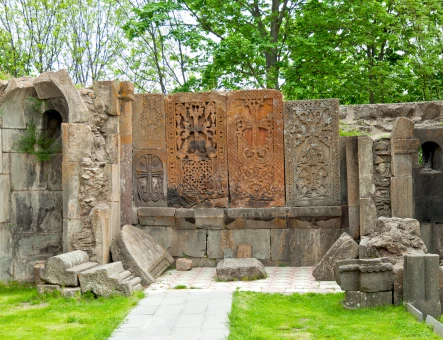
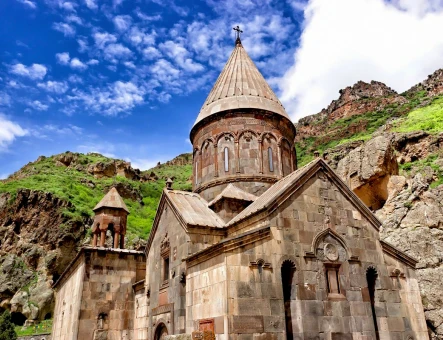
Amid the wild cliffs of Kotayk Gorge, where the wind carries the scent of stone and pine, the Monastery of Geghard appears as if the mountain itself had carved a sanctuary for eternity. Its walls, half fortress and half cave, rise from the rock like a prayer solidified in stone. Here, silence is alive filled with the soft echo of centuries‑old hymns.

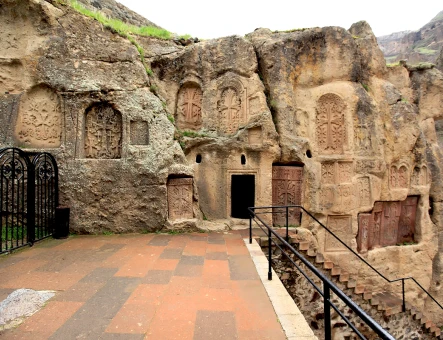
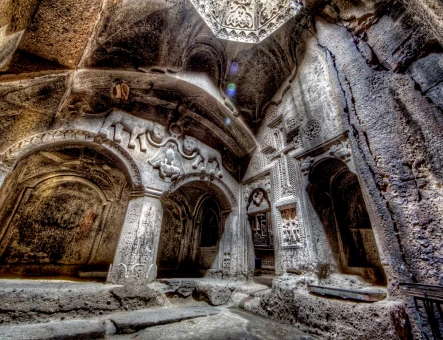
In the 12th-13th centuries, monks shaped a world unlike any other. They dug churches and cells straight into the mountainside, creating a hidden realm first known as Ayrivank, the "Cave Monastery". Later, the site took the name Geghard the "Spear" in honor of the sacred relic said to have pierced Christ's body.

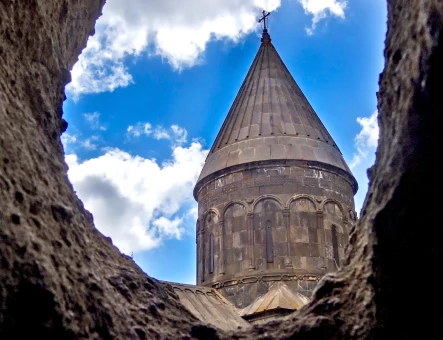
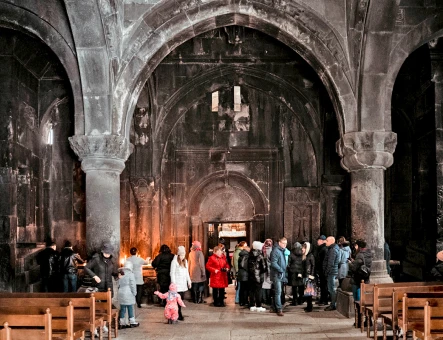
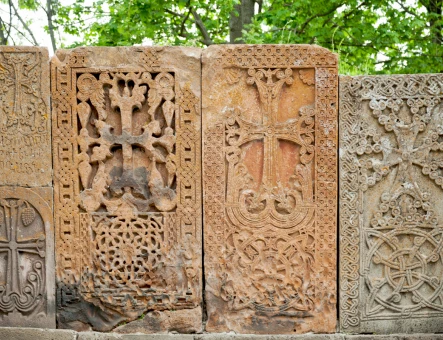
The ensemble is a dialogue between earth and heaven: the main Katoghike Church, its shadowed narthex, the secretive cave chapels, a small oratory and the Church of the Holy Mother of God, the eldest of the stones. The cool halls cut into the heart of the mountain feel alive, keeping the breath of pilgrims who once arrived barefoot, whispering prayers into the darkness. Among the rock-cut monasteries and cells, medieval Armenian heraldry stands out, demonstrating the power of Armenian princely families, the charm of palace architecture and dazzling weavings and ornaments long before the Renaissance.

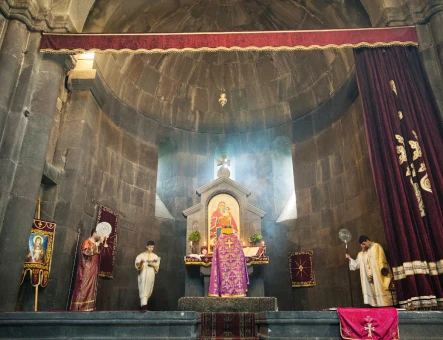
Today, Geghard is not just a monument on the UNESCO World Heritage List it is a living miracle. Step through the rock‑hewn archways and time bends. Shafts of light slip through narrow openings, turning the cavern walls to gold and for a heartbeat, the earthly and the divine are one.

4. Tsaghkadzor
5-10 min
Attraction page
Tsaghkadzor Tsaghkadzor Tsaghkadzor Tsaghkadzor Tsaghkadzor Tsaghkadzor Tsaghkadzor Tsaghkadzor Tsaghkadzor Tsaghkadzor Tsaghkadzor Tsaghkadzor Tsaghkadzor Tsaghkadzor Tsaghkadzor Tsaghkadzor Tsaghkadzor Tsaghkadzor Tsaghkadzor Tsaghkadzor Tsaghkadzor Tsaghkadzor
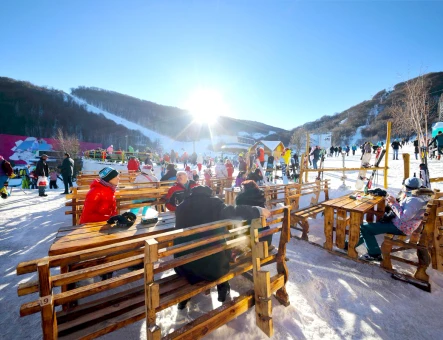
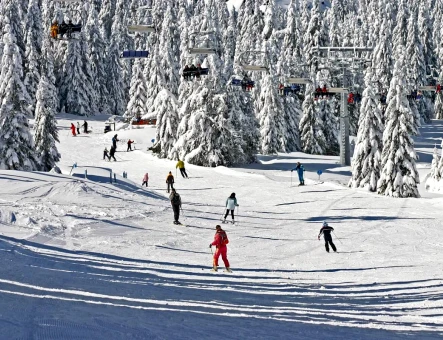
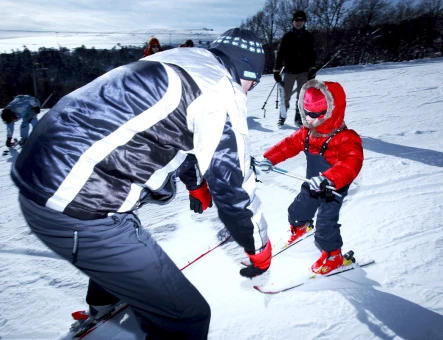
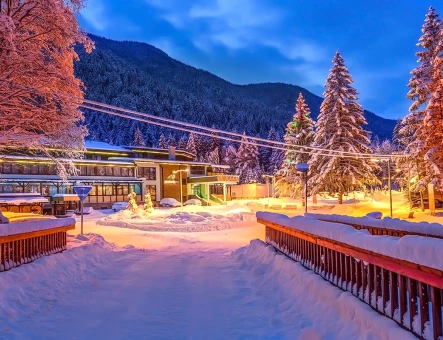
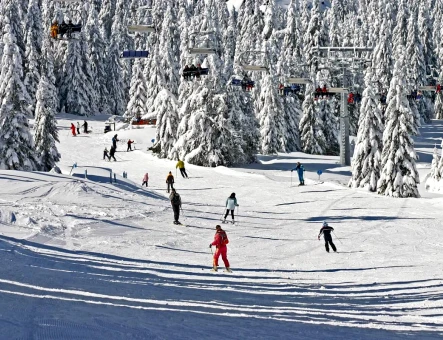
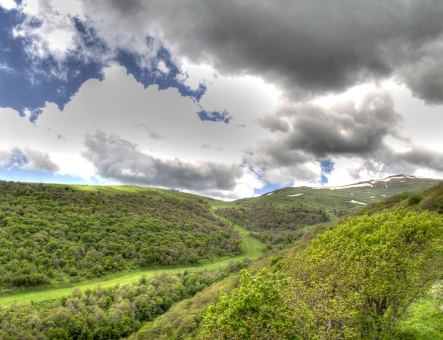
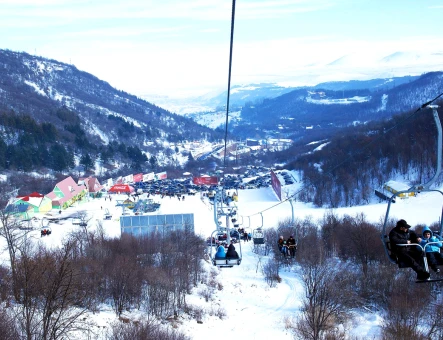
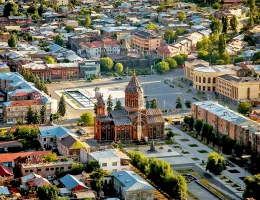
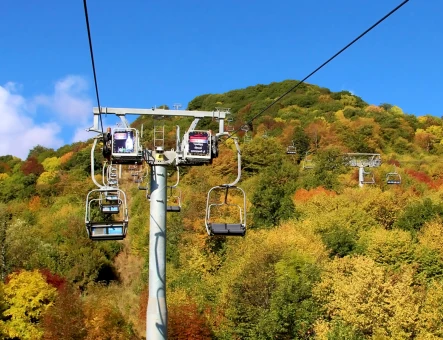
Nestled in the very heart of Armenia, just 60 kilometers from Yerevan and soaring 1845 meters above sea level, lies Tsaghkadzor a modern ski paradise and one of the nation's most breathtaking retreats. Its name, meaning "Valley of Flowers", feels like a poetic promise that nature has kept in full: in summer, emerald slopes ripple with wild blooms, while winter cloaks the peaks in a dazzling gown of snow and ice.

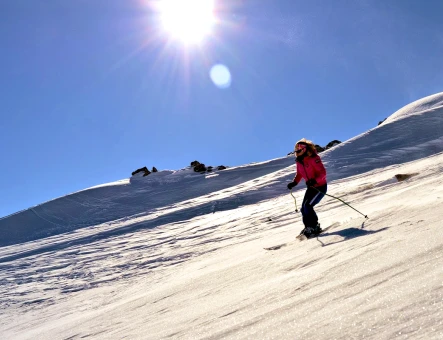
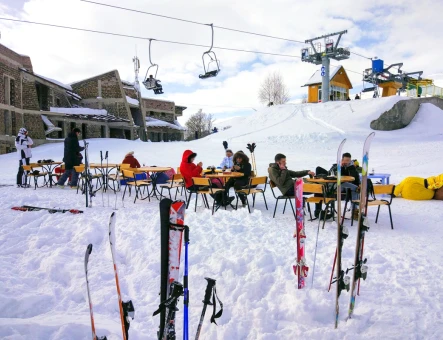
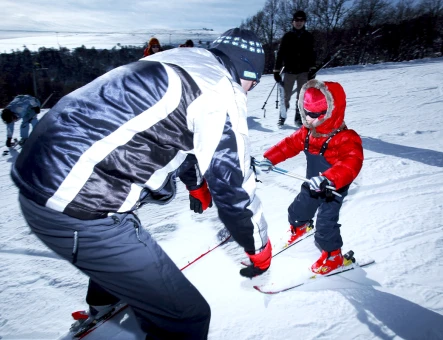
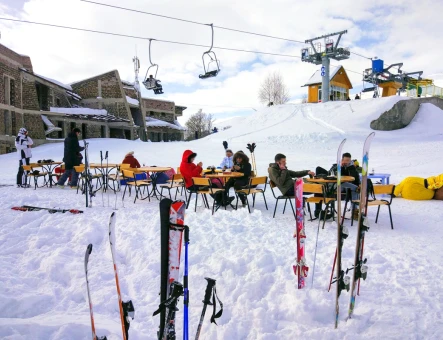
Tsaghkadzor greets its guests with warmth and energy, offering every delight for the active traveler from cutting-edge ski rentals and lessons led by seasoned instructors to charming restaurants, welcoming cafés and lively leisure venues. The ski season here stretches for nearly five months, from mid-November to mid-April, giving visitors a generous span of time to carve their way down sparkling slopes.

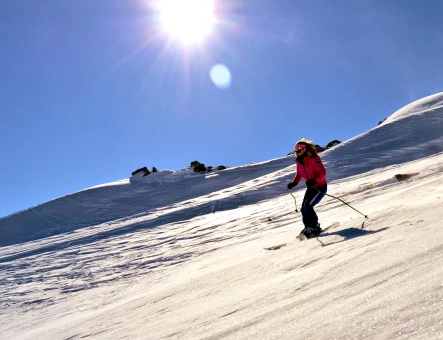
The crisp mountain air invigorates the spirit and every descent feels like a flight through pure freedom. From the highest points, the view is nothing short of a masterpiece endless mountain ranges fading into the horizon, where sunlight dances across snow crystals like scattered diamonds.

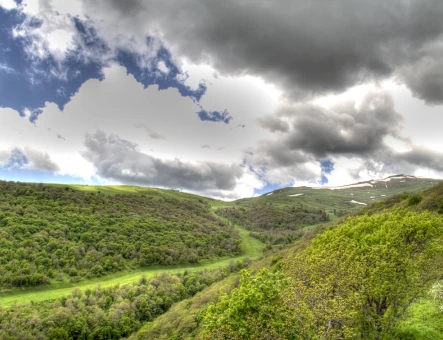
Yet Tsaghkadzor is far more than a playground for winter sports. It is a sanctuary of calm where you can wander through fragrant pine forests, sip steaming tea beside a crackling fire and listen to the gentle whisper of wind weaving through the mountain passes. Here, in every season, the harmony between man and nature unfolds like a living symphony, calling travelers to return again and again.

5. Tsaghkadzor Ropeway
50-60 min
Attraction page
Tsaghkadzor Ropeway Tsaghkadzor Ropeway Tsaghkadzor Ropeway Tsaghkadzor Ropeway Tsaghkadzor Ropeway Tsaghkadzor Ropeway Tsaghkadzor Ropeway Tsaghkadzor Ropeway Tsaghkadzor Ropeway Tsaghkadzor Ropeway Tsaghkadzor Ropeway Tsaghkadzor Ropeway Tsaghkadzor Ropeway Tsaghkadzor Ropeway Tsaghkadzor Ropeway Tsaghkadzor Ropeway
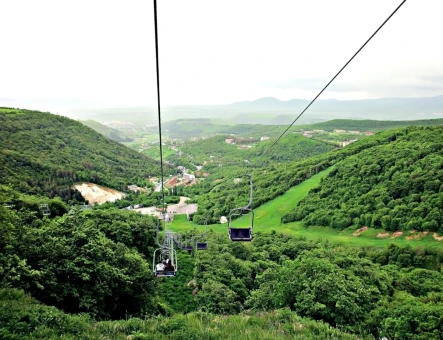
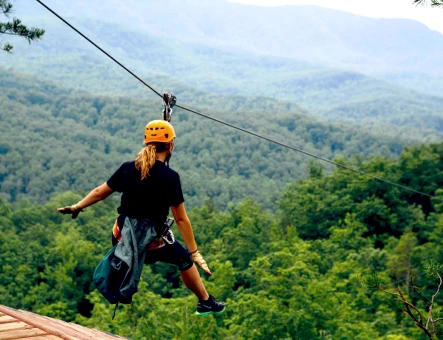
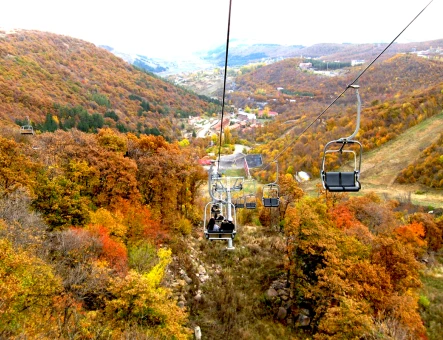
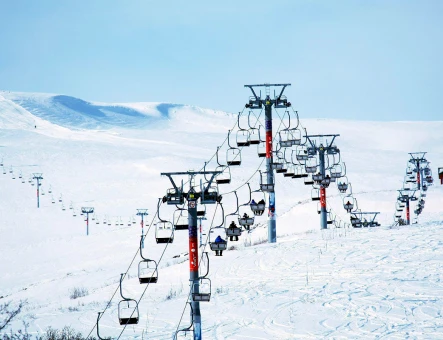
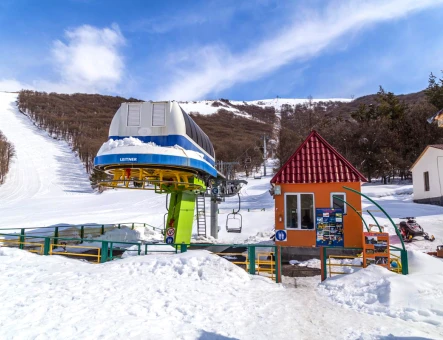
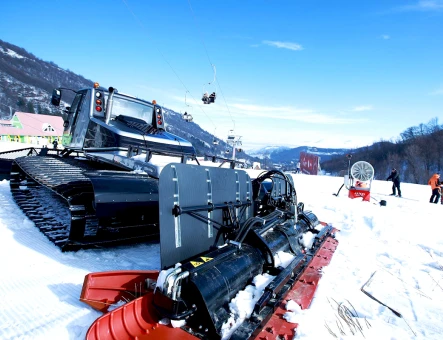
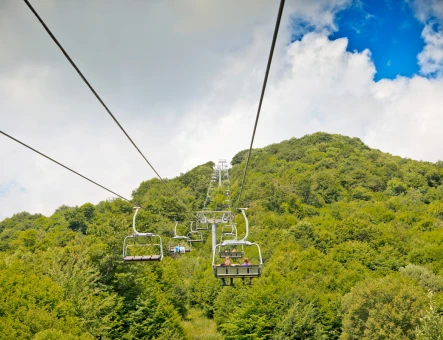
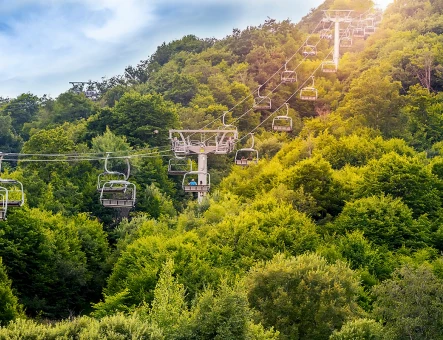
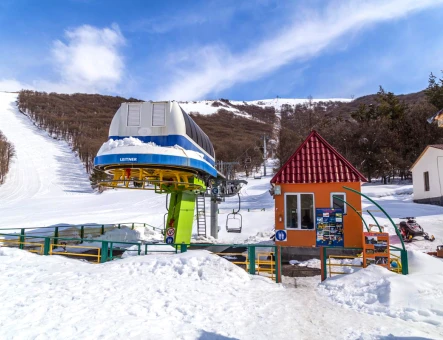
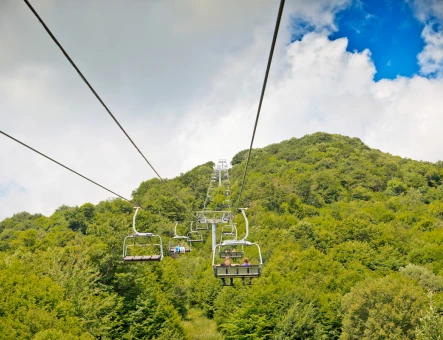
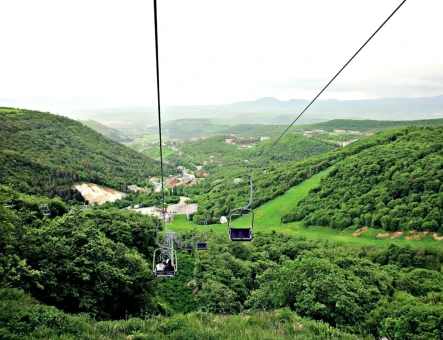
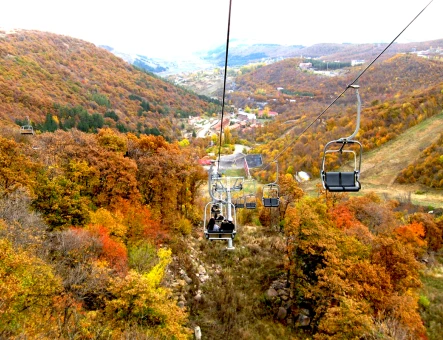
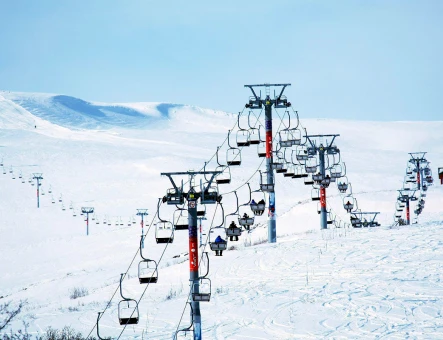
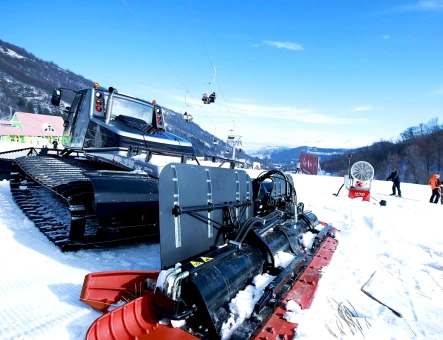
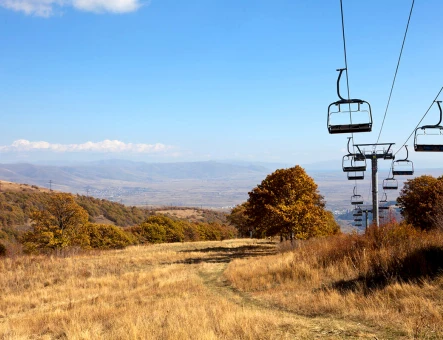
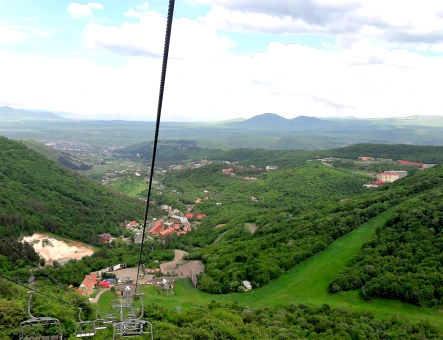
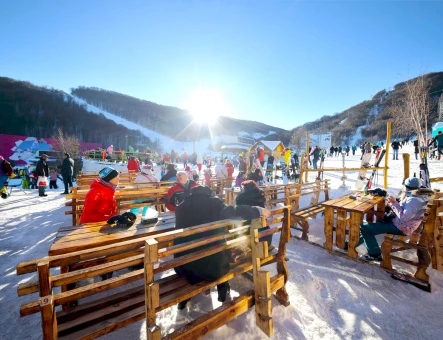
In the heart of Tsaghkadzor the jewel of Armenia's mountain resorts stretches a cableway that has become both a landmark of leisure and a gateway to adventure. Running along the eastern slope of Mount Teghenis, it links five stations and gives access to more than a dozen ski trails of varying levels. Its story began in 1967, when the first lifts started carrying visitors and athletes toward the snowy heights.

The highest point of the route rises 2819 meters above sea level. In just over half an hour, the cabins glide skyward, revealing sweeping panoramas of majestic ridges. On clear days, even the biblical silhouette of Mount Ararat appears on the horizon, standing as a timeless symbol of strength.

The original lift was replaced in 2004 with a modern system and in 2017 it was further upgraded, turning into one of the safest and most comfortable ski lifts in the region. Today, it is more than a technical achievement it is a journey in itself: each ascent feels like a flight, a moment of communion with the mountains and the sky.

The Tsaghkadzor cableway is not just a route to the summit it is a passage into a world where the mountains draw near, the air is sharper and every moment carries a spark of wonder.

6. Kecharis Monastery
20-30 min
Attraction page
Kecharis Monastery Kecharis Monastery Kecharis Monastery Kecharis Monastery Kecharis Monastery Kecharis Monastery Kecharis Monastery Kecharis Monastery Kecharis Monastery Kecharis Monastery Kecharis Monastery Kecharis Monastery Kecharis Monastery Kecharis Monastery Kecharis Monastery Kecharis Monastery Kecharis Monastery Kecharis Monastery
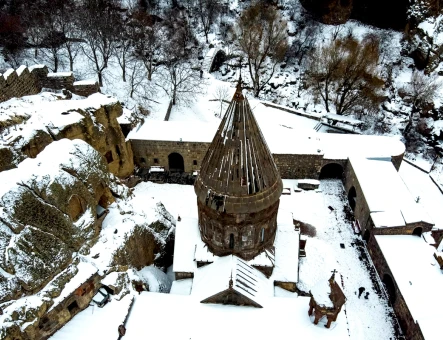
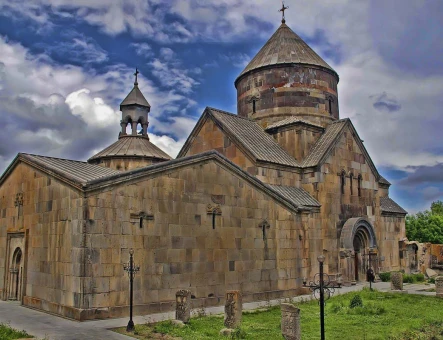
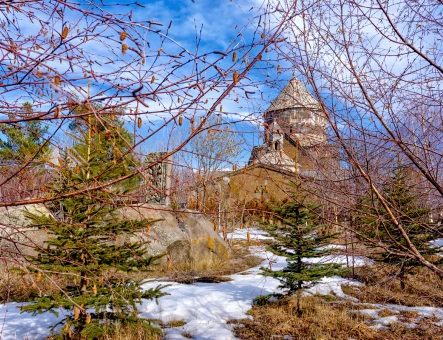
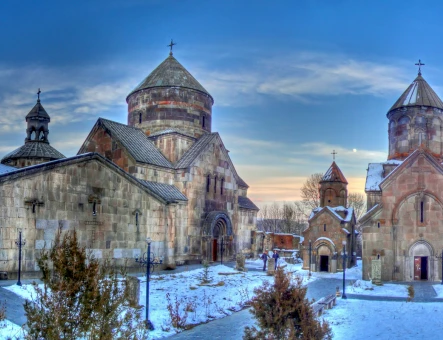
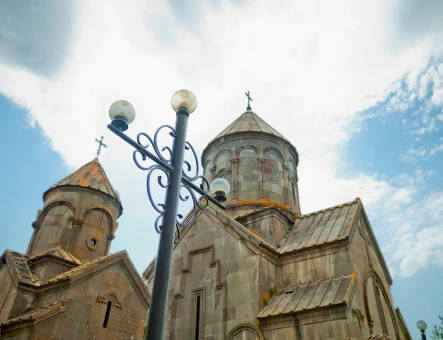
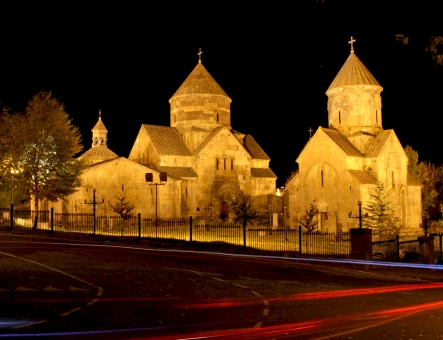
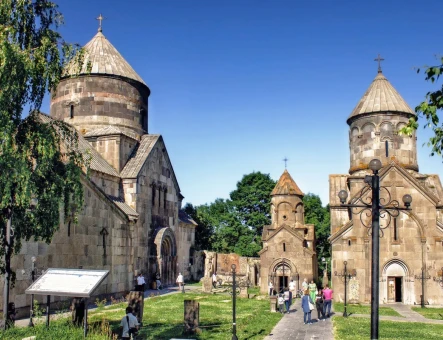
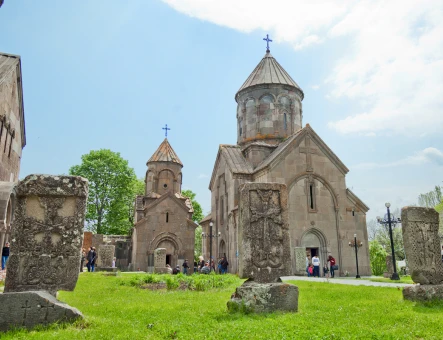
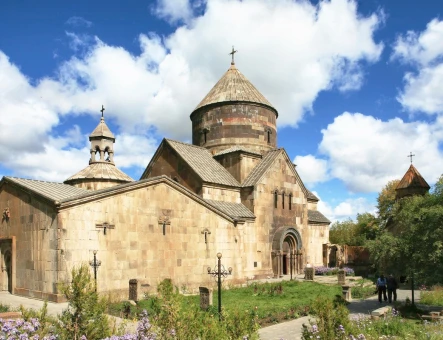
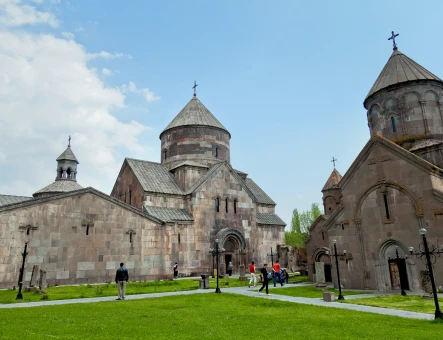
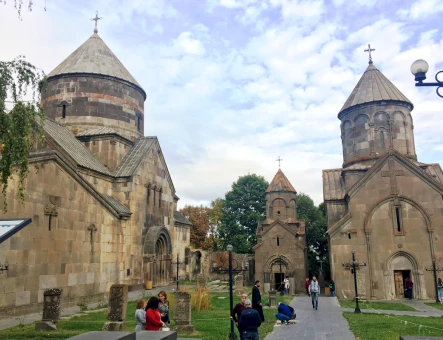
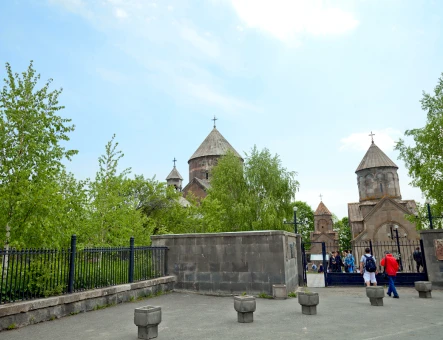
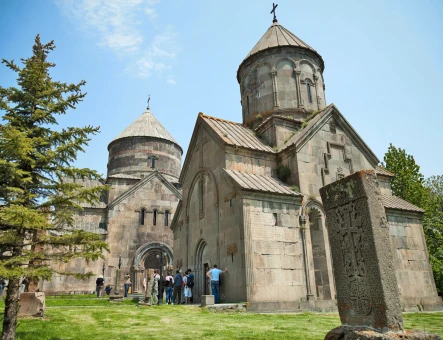
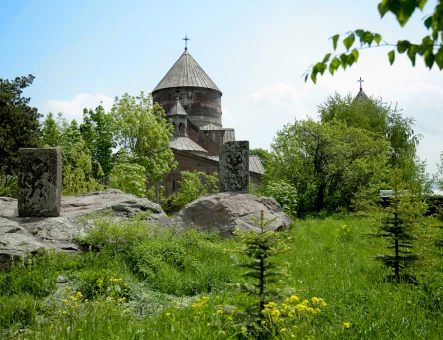
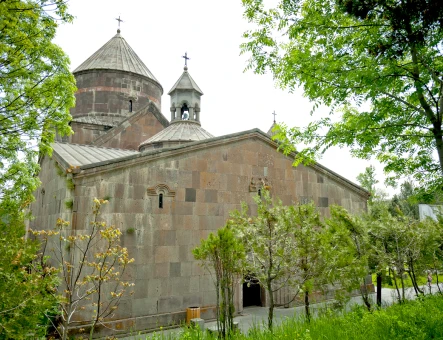
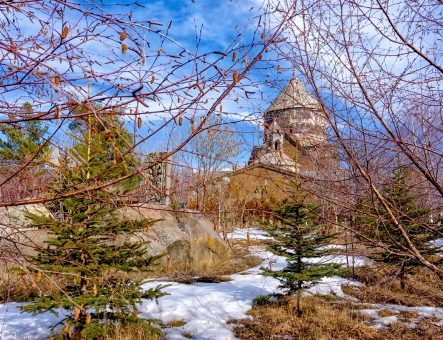
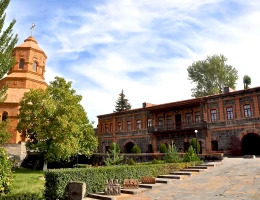
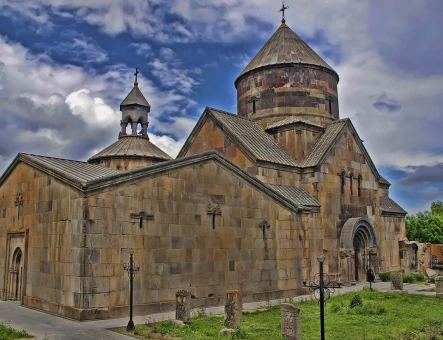
In the northwestern part of Tsaghkadzor, embraced by mountain peaks and evergreen forests, stands Kecharis Monastery – a spiritual treasure of medieval Armenia. Its origins date back to the 11th-13th centuries, when this grand complex rose in the mountains as a beacon of faith and learning. The ensemble includes four churches and two narthexes, each bearing the mark of centuries and the craftsmanship of master builders. One of the narthexes became the resting place of Magister Grigor Pahlavuni – the distinguished statesman and founder of the monastery, whose name remains etched in Armenian history.

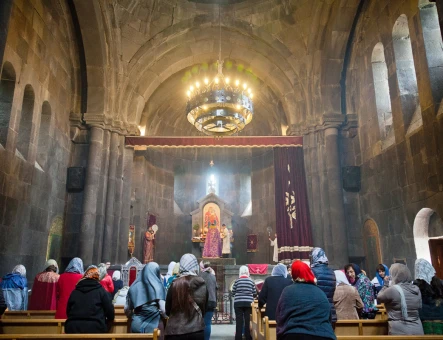
The monastery's austere stone walls and domes blend seamlessly with the surrounding nature, while in the quiet courtyard only the whisper of the wind and the chime of bells can be heard. In its vibrant past, Kecharis was alive with spiritual activity: manuscripts were copied, theological debates were held and pilgrims from across the land found shelter and solace.

Today, surrounded by green slopes and mountain air, Kecharis welcomes travelers with the same serenity it has offered for centuries. Crossing its threshold, one feels time slow down, as if inviting a touch of the eternal roots of faith.

Inclusions

  • Professional drivers

  • Air-conditioned vehicles

  • Bottled water

  • Free pick-up & drop-off within Yerevan

  • Vehicle & passengers insurance

  • Extra stops on the route upon request

Exclusions

  • Significant deviations from the route

  • Alcoholic beverages if lunch option selected

  • Audio guides

  • Wi-Fi in the vehicles

Booking conditions

Cancellation & modification

Meet our Guides

Hasmik Manukyan

Hasmik Manukyan

RU DE

My name is Hasmik Manukyan. I have extensive experience and hold a tour guide license. I conduct excursions in two languages – Russian and German. I completed guide-interpreter courses in Yerevan, advanced training courses at the Institute for Continuing Education in Moscow and participated in an international training program, for which I hold certificates. I love my job and meeting new people. Every time, I’m delighted to introduce guests to the beauty and landmarks of my country, striving to ensure they leave satisfied, in love with Armenia and eager to return again.

Gayane Harutyunyan

Gayane Harutyunyan

HY EN IT

Armenia should be visited with an open heart. As your guide, I don’t just offer tours – I create meaningful experiences that connect you deeply with Armenia’s history, culture, and people. With genuine love for my country, passion for its stories, and local insight, I make every journey personal, engaging and unforgettable – turning every place into a living memory you’ll carry with you.

Manya Gevorgyan

Manya Gevorgyan

RU HY EN

I have been a tour guide since 2015. To this day, every excursion is a great source of positive energy for me. During the tours, you will not only get acquainted with the sights, the country's history, and its architectural features, but also feel the full charm of the Armenian emotional mindset and lifestyle.

Anahit Aslanyan

Anahit Aslanyan

RU

Education – musical-pedagogical and cultural studies. I have worked in the fields of tourism, education, and culture in Russia and Armenia. Currently, I work as a guide at the Armenian Genocide Museum-Institute and in the company "Hyur Service". As a person with a humanities education and a cultural studies mindset, I strive to present my homeland as comprehensively as possible so that visitors gain a general impression of the history and art of the Armenian people. I pay special attention to mental and cultural characteristics to make every visitor's stay in Armenia comfortable and positive. I continue to study and share new knowledge.

map