


Armenian Cuisine: 10 Traditional Dishes to Try in Armenia
 02 Aug, 2026
 7-8 min
 675 times
Rating: 5
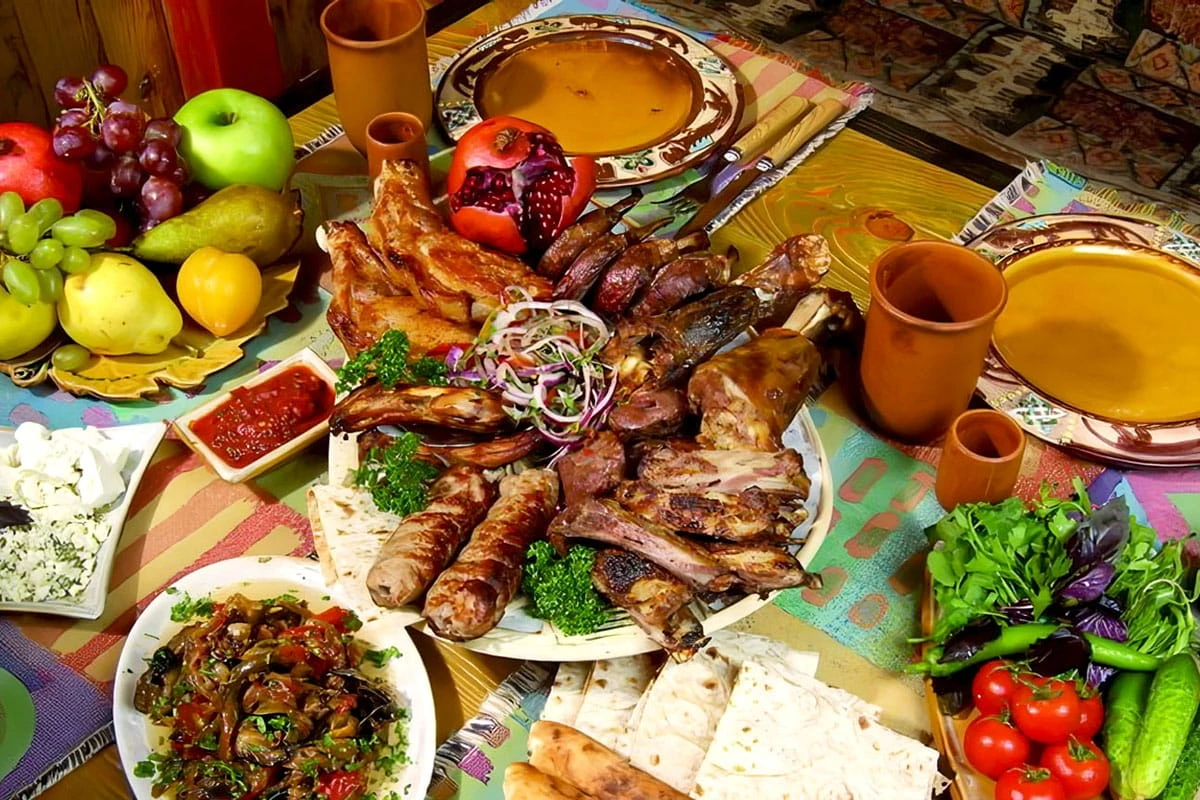
Food in Armenia is hospitality, heritage and celebration all on one table. Rooted in ancient traditions, Armenian cuisine blends fresh ingredients, bold flavors and slow cooking methods that have been passed down through generations. For travelers, trying local dishes is one of the best ways to understand Armenia's culture and spirit.
So, what are the must-try dishes when visiting Armenia? Let's explore some of the classics.
Khorovats (Armenian Barbecue)
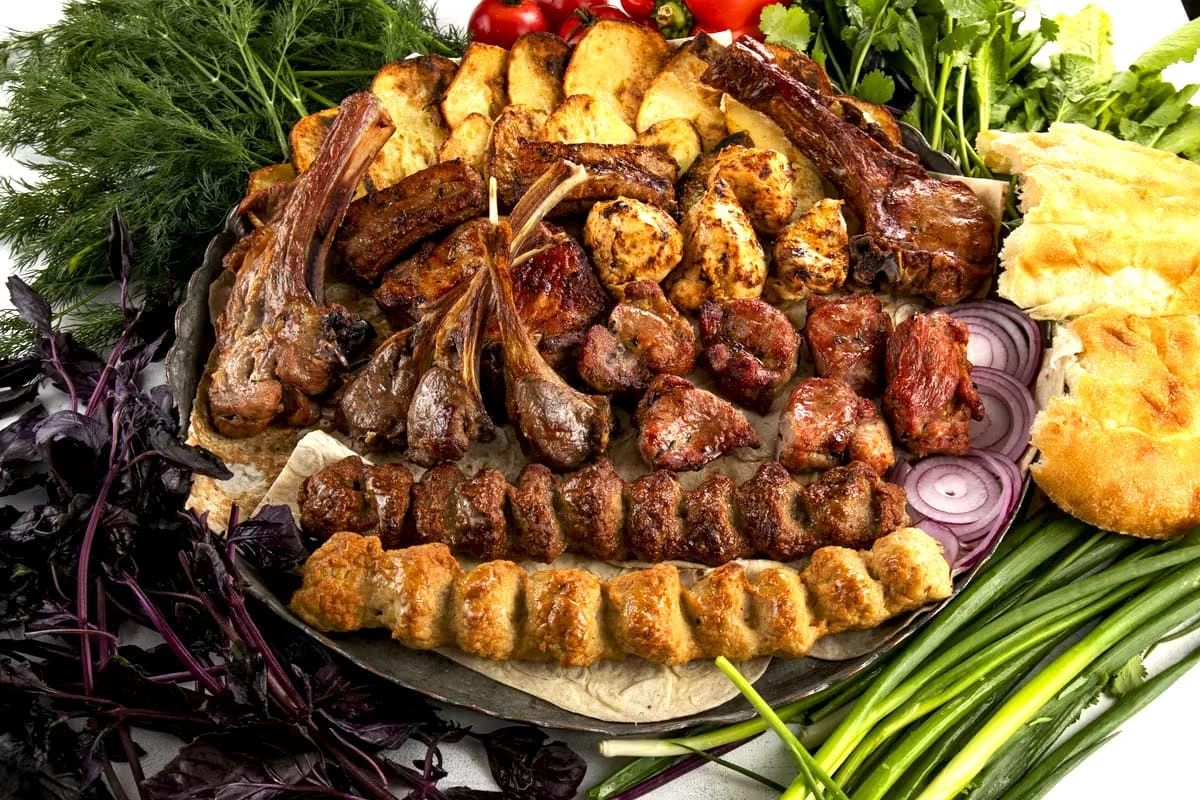
Khorovats – The Heart of the Armenian Table
No Armenian gathering is complete without khorovats – skewered and grilled meat cooked over an open fire.
Pork, lamb or chicken is seasoned with herbs and spices, then grilled slowly until smoky and tender. In summer, the smell of khorovats fills the air at roadside restaurants and family yards. Different regions of Armenia take pride in their own style of khorovats. In Tavush, pork khorovats is especially popular, often seasoned with wild thyme from local forests. In Goris and the wider Syunik region, lamb khorovats is a specialty, known for its tender, smoky flavor. Around the Ararat Valley, chicken khorovats paired with fresh vegetables and herbs is a classic. These regional touches make khorovats not only a national dish but also a culinary map of Armenia.
Travel Tip: For an authentic taste, try khorovats at almost any Armenian restaurant in Yerevan or in regional towns. From casual taverns to upscale eateries, it's one of the dishes you can always count on being prepared with care.
Tolma
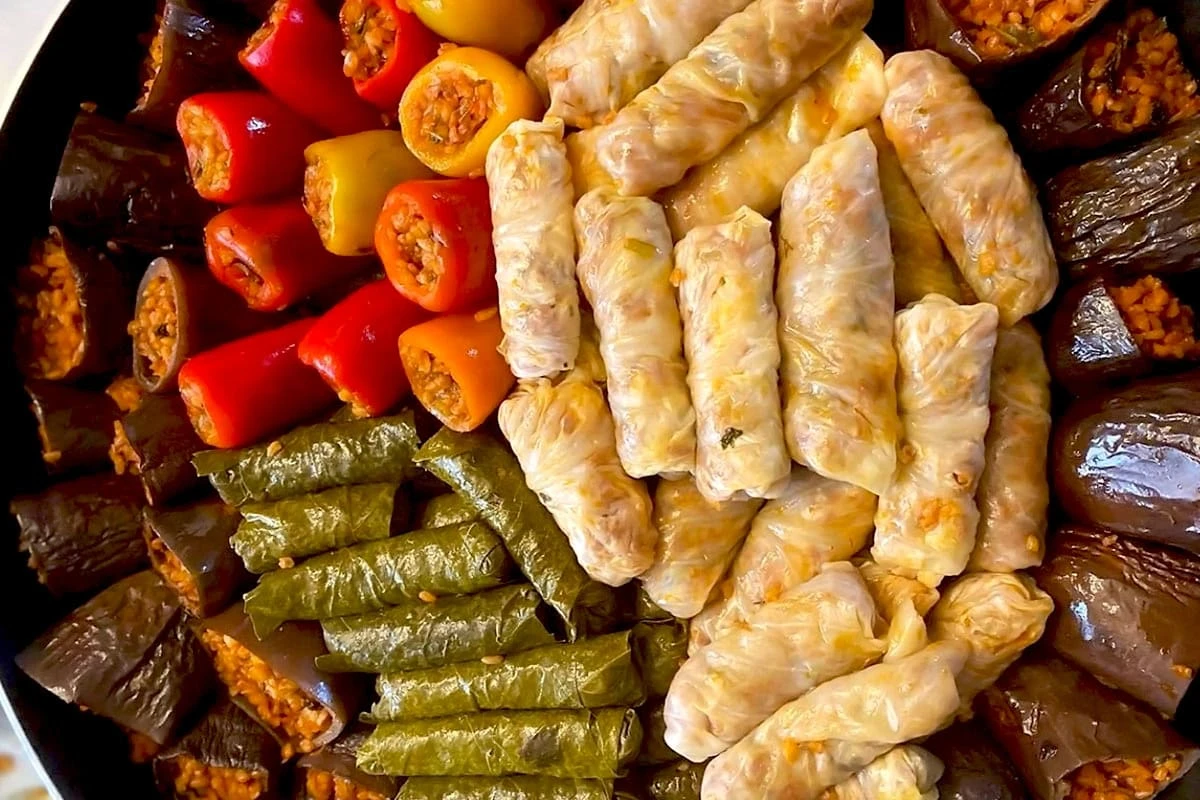
Tolma in All Its Varieties
Tolma is one of Armenia's most beloved dishes. Traditionally, grape leaves are stuffed with minced meat, rice, onions, and herbs, then simmered until tender. Other versions are wrapped in cabbage leaves or prepared with stuffed eggplants, peppers or tomatoes.
In historic Western Armenia, tolma held a central place in feasts and gatherings. Families would often prepare huge portions, with neighbors helping to wrap dozens of grape leaves while sharing stories and songs. Special occasions, such as weddings or Easter, featured "summer tolma" made with fresh vegetables, while "winter tolma" relied more on cabbage leaves preserved from the previous harvest. These traditions emphasized not only the taste of the dish but also the spirit of community and togetherness.
Did you know? Every May, Armenia celebrates a Tolma Festival, where chefs compete to create the most delicious and creative versions of the dish.
Harisa
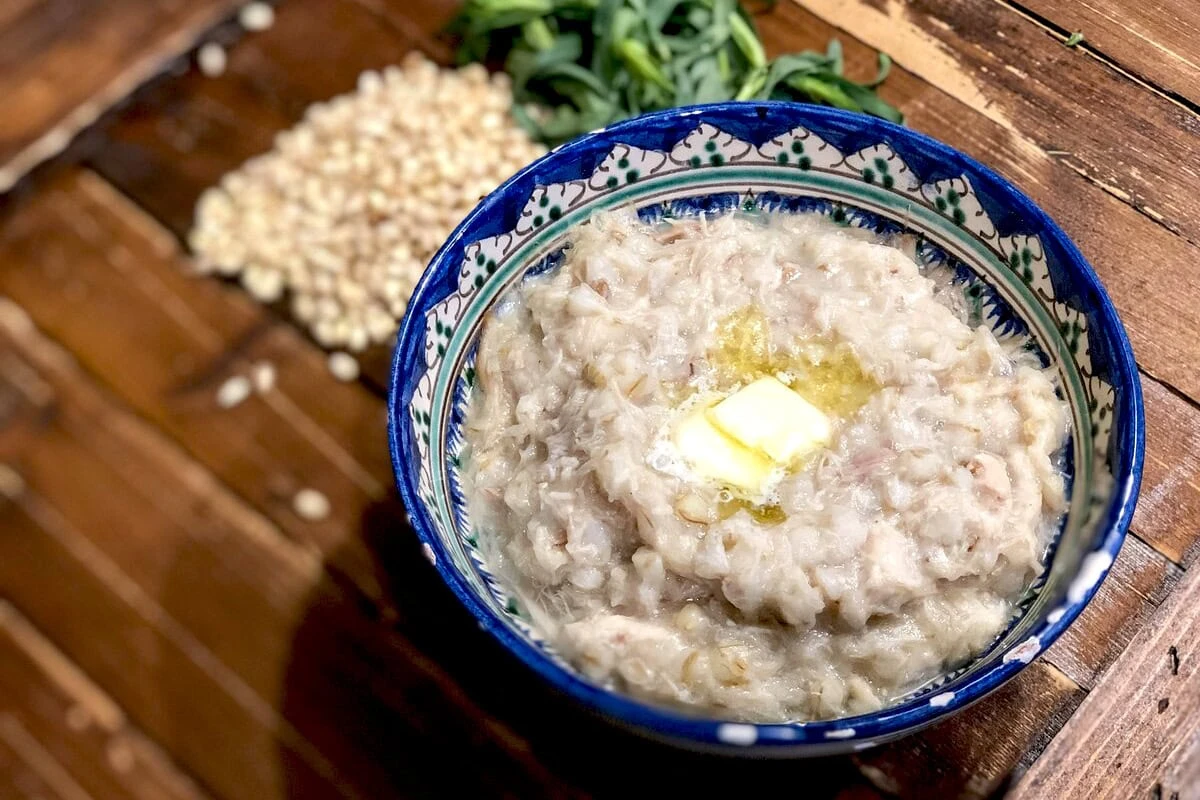
Warm Harisa with Butter
Harisa is a dish with deep historical roots: a slow-cooked porridge of wheat and chicken (or lamb), simmered for hours until creamy.
It is especially tied to religious and commemorative occasions, symbolizing resilience and unity.Harisa is forever linked with the survival of Armenians during times of hardship. One of the most famous stories comes from the Musa Ler resistance in 1915, when Armenian villagers, under siege, cooked wheat and meat together in large cauldrons to feed the entire community. This simple but nourishing dish sustained them until they were rescued. Ever since, harisa has carried not just flavor but a message of endurance and solidarity.
Lavash
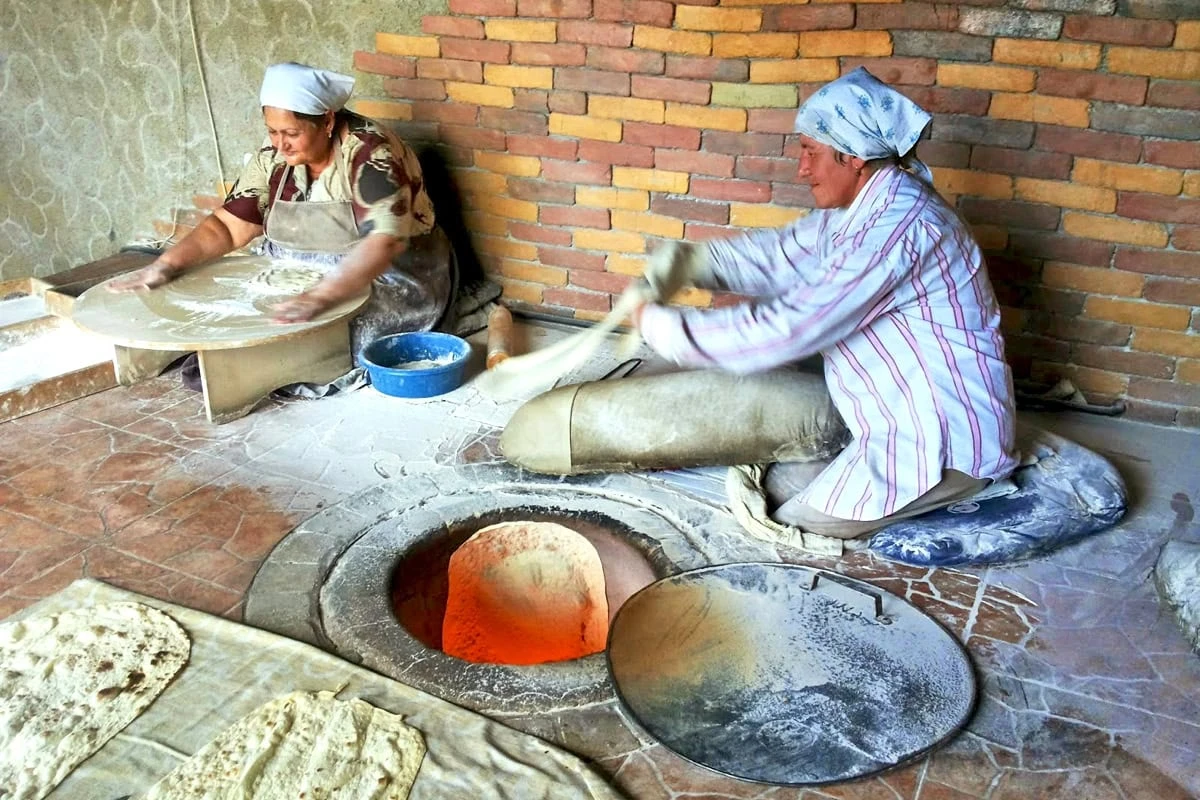
The Tradition of Lavash Baking
Lavash is a thin flatbread baked in an underground clay oven called a "tonir". UNESCO inscribed "Lavash, the preparation, meaning and appearance of traditional bread as an expression of culture in Armenia" on the Representative List of the Intangible Cultural Heritage of Humanity, recognizing it as an important symbol of Armenian cultural identity.
Soft when fresh and crisp when dried, it's the foundation of every Armenian table. It's used to wrap khorovats, eaten with cheese and herbs, or served alongside any dish.Lavash carries strong symbolic meaning in Armenian culture. At weddings, a sheet of lavash is placed on the shoulders of the bride and groom as a blessing for abundance.
Families traditionally baked stacks of lavash to last through the winter, drying and storing them carefully. Before meals, the dried sheets were sprinkled with water to soften them. Baking was also a communal ritual. Women gathered together to prepare dough, roll it out, and slap it against the hot walls of the "tonir" (underground clay oven), turning the process into both work and celebration.
Travel Tip: Visit a village bakery or a restaurant with a working "tonir" (underground clay oven) to watch lavash baking and even try baking it yourself.
Ghapama
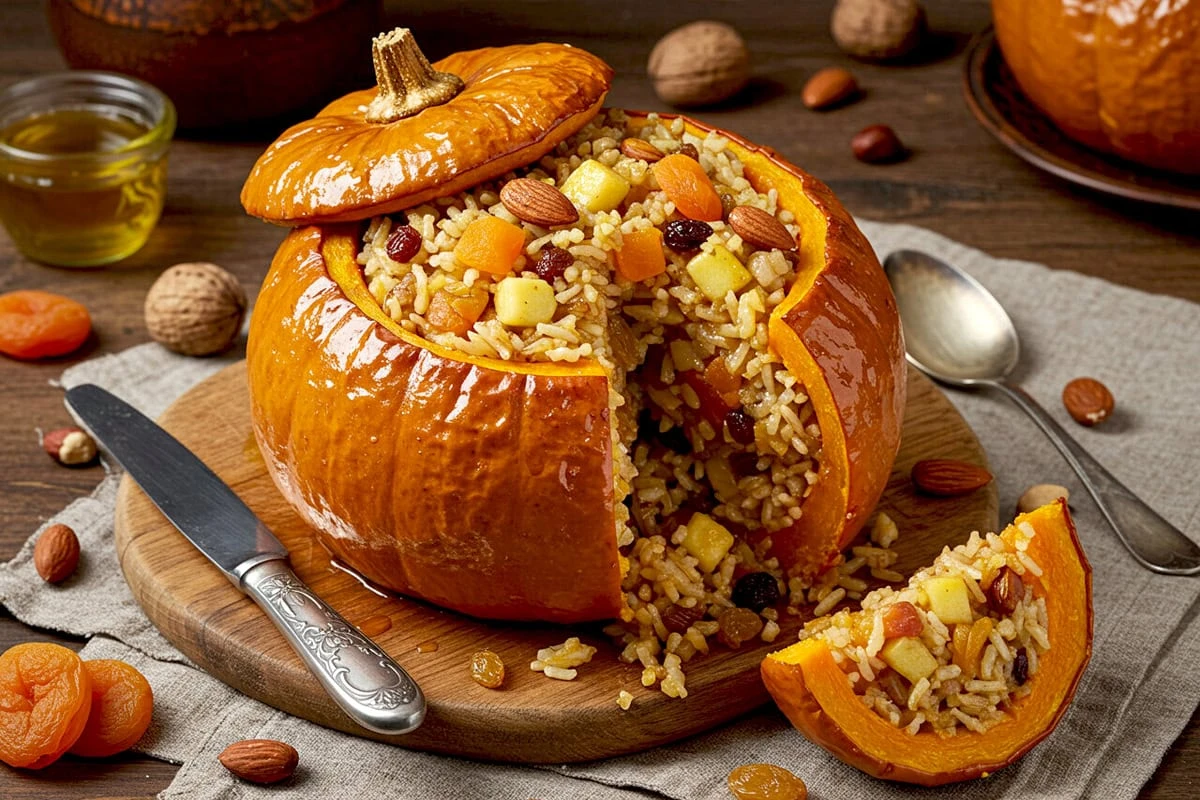
Ghapama – A Festive Centerpiece
A festive favorite, ghapama is a pumpkin stuffed with rice, dried fruits, nuts, and honey, then baked.
It's especially popular during holidays like Christmas and New Year, but it can also appear at weddings or large family gatherings as a symbol of joy and prosperity.Preparing ghapama is a celebration and a family affair, with everyone helping to clean, stuff and decorate the pumpkin before it goes into the oven. When brought to the table, it is often accompanied by the cheerful folk song "Hey Jan, Ghapama", sung as the pumpkin is sliced and shared. The song itself has become part of the tradition, turning the serving of ghapama into a festive performance.
Spas (Yogurt Soup)
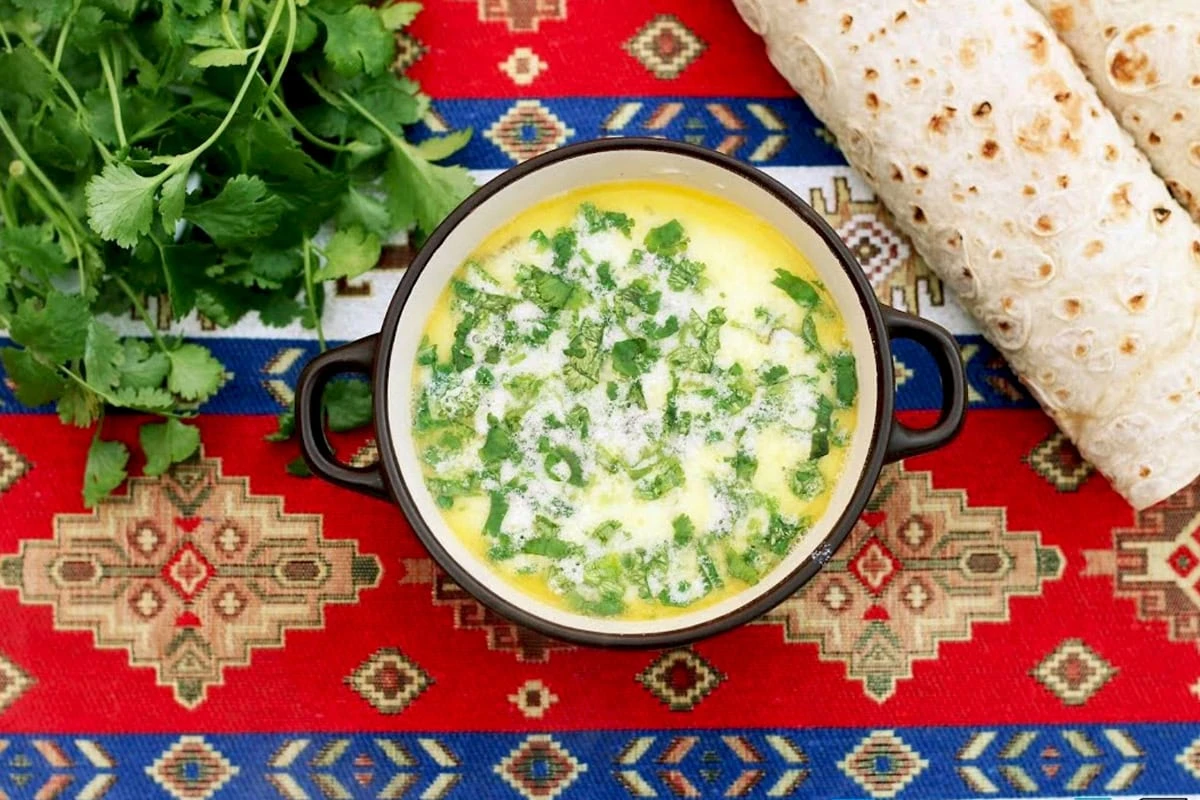
Spas – Comfort in a Bowl
Spas is one of Armenia's most comforting traditional dishes – a tangy yogurt-based soup mixed with herbs and grain.
Depending on the season, it can be served either warm (perfect for cold winters) or chilled (refreshing in summer), making it a versatile year-round favorite.Beyond its taste, spas reflects the importance of dairy and grains in traditional Armenian cooking. For centuries, villagers relied on matsoun (fermented yogurt) not only as food but also as a way to preserve milk for long periods. Mixed with grains and flavored with mint or cilantro, spas became both a nourishing meal and a practical way to use simple local ingredients.
Travel Tip: Try spas in traditional taverns across Yerevan or in rural guesthouses. In many places, it's still prepared according to family recipes passed down through generations.
Khash
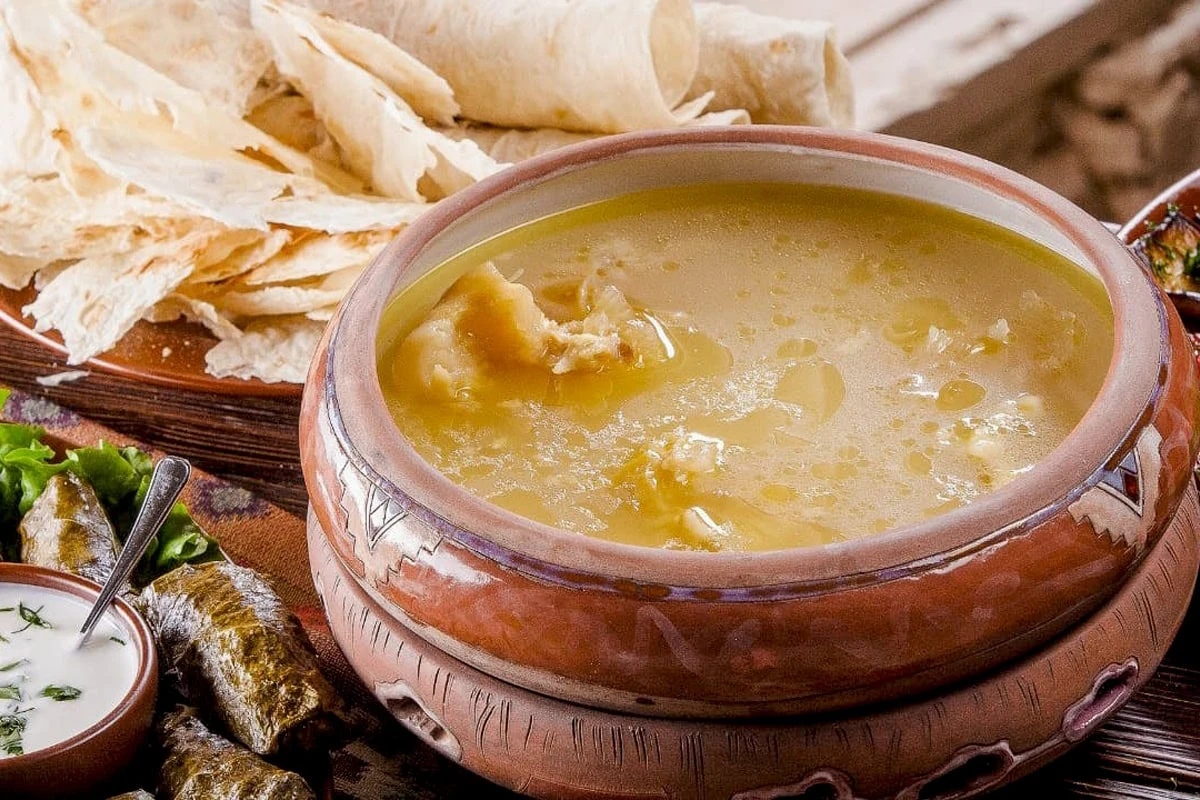
Khash – A Taste of Winter Mornings
Perhaps the most iconic winter dish, khash is more than food – it's a ritual.
Made by simmering beef feet overnight until the broth becomes rich and hearty, it is traditionally eaten in the early morning hours during the cold season.Khash is served steaming hot with plenty of garlic, radishes and piles of dried lavash, which is crumbled into the broth. It is often accompanied by vodka and long toasts, turning the meal into a social event. For Armenians, khash is as much about friendship and hospitality as it is about nourishment.
One of the most famous places for khash is the area around Mount Aragats, where locals and travelers alike head to mountain restaurants in winter. Eating steaming bowls of khash while surrounded by snow-covered landscapes has become a beloved tradition.
Travel Tip: The best time to try khash is from late autumn to early spring, when many restaurants across Armenia hold "khash mornings" where guests gather as early as 7 AM.
Sweet treats: Gata, Sujukh, and Pakhlava
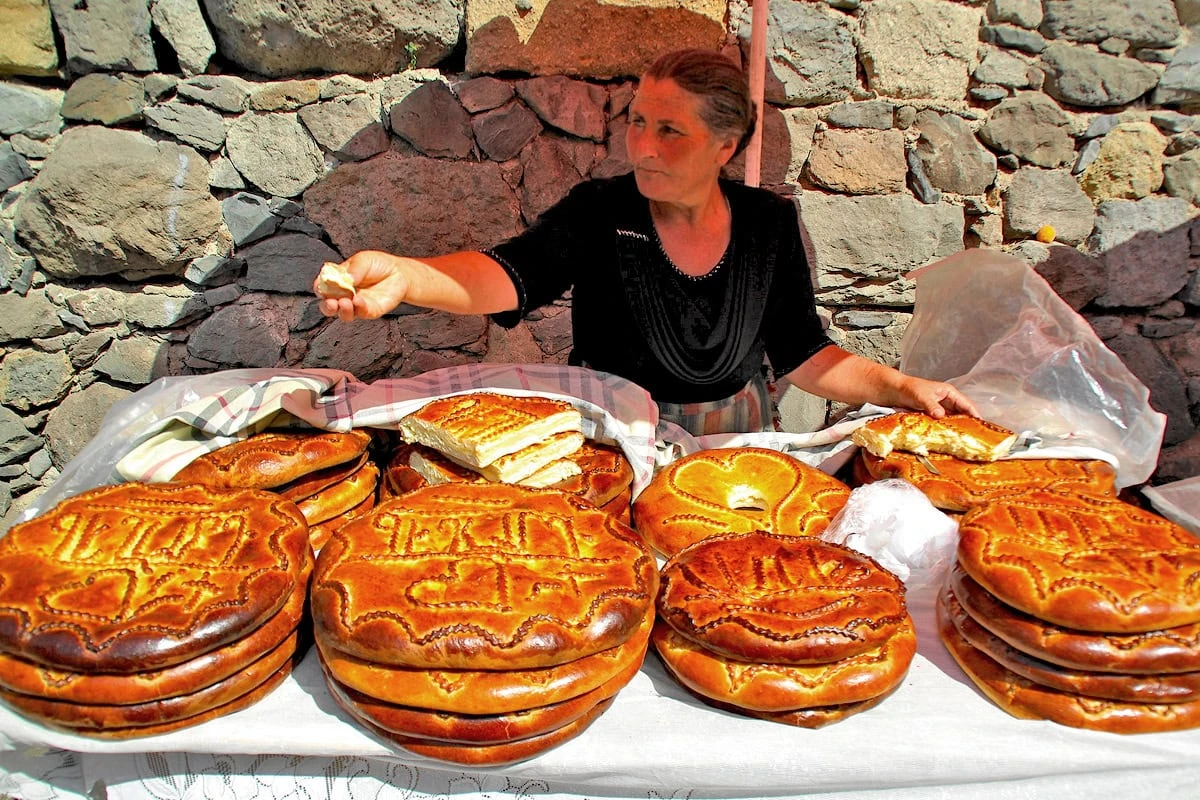
Fresh Gata in Garni
No Armenian meal ends without something sweet. Gata, a layered pastry filled with a buttery sugar mixture called "khoriz", is found in different variations across Armenia.
In Garni, gata is baked large and round with decorative patterns on top, while in Goris, smaller folded versions are popular, each carrying its own local flavor and texture.
Travel Tip: When visiting Garni Temple, don't miss the chance to buy freshly baked gata from the roadside vendors. Watching the bakers prepare it and tasting it warm from the oven has become a favorite tradition for travelers.
Sujukh is a string of walnuts dipped in thickened grape juice, then dried into an energy-rich snack.

Sujukh – A Sweet Blend of Grapes and Walnuts
Its roots are tied to the winemaking regions of the Ararat Valley and Vayots Dzor, where grapes are abundant. Sujukh is prepared in autumn as part of the harvest season. Families hang the strings to dry in their yards, turning them into both a sweet treat and a symbol of plenty for the coming winter.Another classic is pakhlava, Armenia's version of a layered pastry made with nuts, butter and syrup.
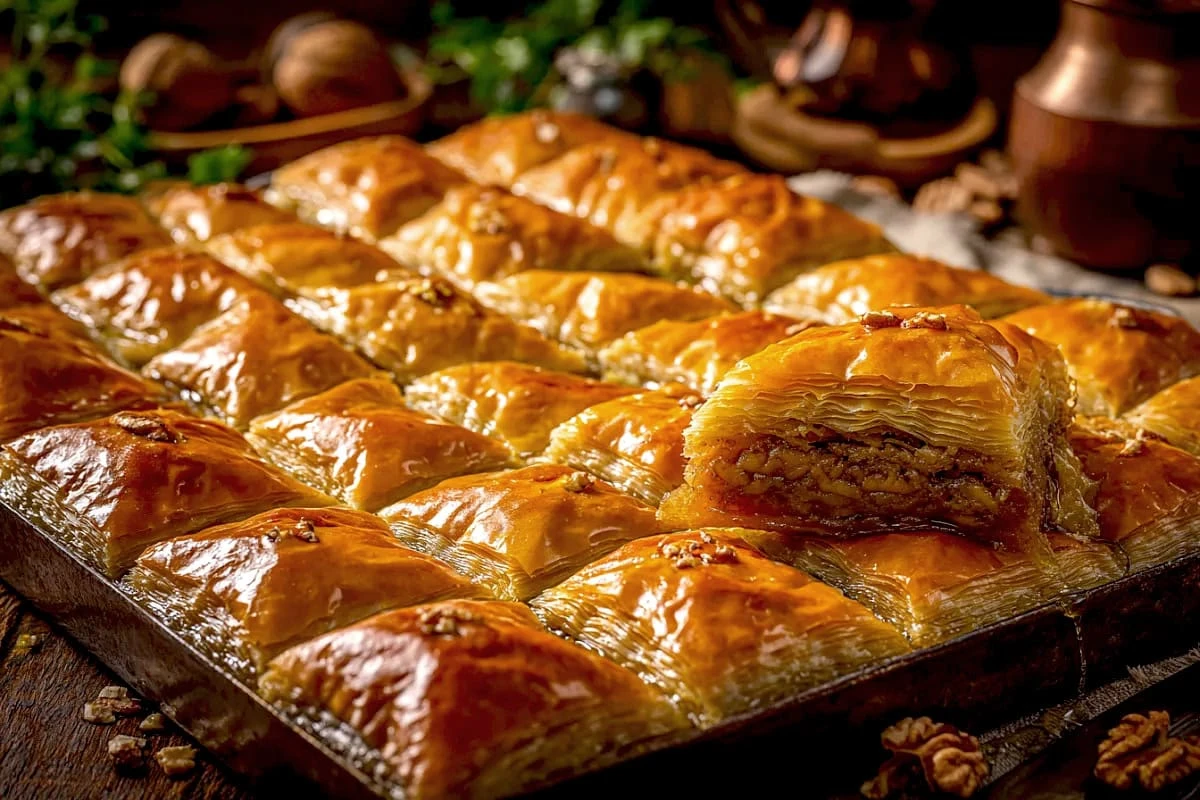
Golden Layers of Pakhlava
Armenian pakhlava is often flavored with cinnamon and cloves, giving it a warm, spiced aroma. It is especially tied to festive occasions like Easter and Christmas, when families prepare trays of it to share with relatives and neighbors. Some regions also decorate pakhlava with crosses or patterns on top, turning it into both a dessert and a symbol of blessing. In the Gegharkunik region, for example, pakhlava is often prepared in large quantities for weddings and shared with neighbors.Together, gata, sujukh and pakhlava reveal the sweet side of Armenian hospitality. They are best enjoyed with Armenian coffee or tea, making the end of a meal as memorable as the beginning.
Armenian cuisine is a feast of flavors, aromas, and stories. From smoky khorovats to sweet gata, every dish carries a sense of place and history. For travelers, tasting these foods is an invitation to share in Armenian hospitality.So, when you sit down at an Armenian table, come hungry and curious. The dishes will tell their own story, and the experience will stay with you long after the meal is over.

Related services


-
 31 Aug, 2026
3-4 min
124 times
31 Aug, 2026
3-4 min
124 times
How to Explore Armenia: Group Tour or Private Experience?
Traveling to Armenia means discovering a land of mountains, monasteries and millennia-old culture. Whether it's your first time here or a return visit, one of the first decisions you'll face is how to explore: should you join a group tour or book a private one? Where to go in Armenia Useful Information -
 25 Sep, 2026
9-10 min
123 times
25 Sep, 2026
9-10 min
123 times
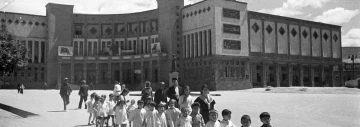
Soviet Yerevan: A Walk Through 20th Century Architecture
Yerevan is often introduced as a city of ancient churches and pink tuff stone facades, but much of what travelers see today in modern Yerevan was created in the last century. After Soviet rule was established in Armenia in 1920, the capital was transformed into a showcase of socialist urban planning. Wide avenues, monumental squares and futuristic cultural centers appeared, reshaping the city's identity. Yerevan: City guide -
Latest
 22 Oct, 2026
5-7 min
3 times
22 Oct, 2026
5-7 min
3 times
Best Time to Visit Tsaghkadzor: A Guide for Every Season
Tsaghkadzor is one of Armenia's best-loved mountain resorts, but the experience here changes completely with the seasons. Located about 60 km from Yerevan, it can be a snowy ski destination in winter, a cool mountain escape in summer and a peaceful retreat during the quieter months of spring and autumn. Nature & Adventures Where to go in Armenia Family & Wellness Getaways
Armenia
-

Travel Guide
Planning a trip to Armenia? At Hyur Service, we believe every traveler arrives as a guest and leaves as a friend. To help you navigate your adventure with ease, we've gathered the most essential tips, local secrets and practical answers to the questions travelers ask most often – from visas, safety and transportation to food, culture, costs and the best places to visit. For specific details on how to book our tours, payment methods and reservation policies, please visit our Frequently Asked Questions (FAQ) page. Whether you are searching for the perfect view of Mount Ararat, wondering where to find the best local khorovats, or simply want to know what to expect before you arrive, this guide is designed to help you plan with confidence and explore Armenia like a local. -
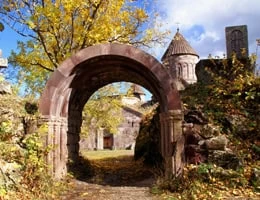
Attractions & Activities
Explore the best places to visit in Armenia with one guide to the country's top attractions and activities. From Yerevan sightseeing, Garni Temple, Geghard Monastery, Lake Sevan and Tatev Monastery to waterfalls, mountains, museums, wine experiences and UNESCO-listed sites, this page helps you discover both must-see landmarks and lesser-known gems across Armenia. Use the filters to browse by region, category, distance from Yerevan, popularity and admission fee, then check opening hours, ticket prices and map location to plan your trip and build your itinerary with ease. -
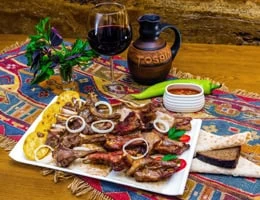
Restaurants & Clubs
Discover the best restaurants, bars and clubs in Armenia in one guide to the country's top dining and nightlife venues. From traditional Armenian cuisine and cozy restaurants in Yerevan to wine houses, cafes, beerhouses and stylish spots across the regions, this page helps you find where to eat, drink and enjoy a memorable night out in Armenia. Use the filters to browse venues by region, type, cuisine and amenities, then check working hours, address and map location to plan your culinary experience with ease. -
Festivals & Holidays
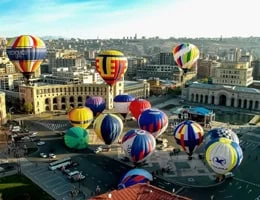
Festivals, holidays and cultural events are among the best ways to experience Armenia's traditions, food and local spirit throughout the year. From "Yerevan Wine Days", Yerevan Color Festival and music events to berry festivals, harvest celebrations and other local traditions, this page helps you find the most interesting festivals and events across Armenia and choose the best time for your visit. Browse by date and check practical details such as location, event date, start time and participation fee to plan your trip with ease.