


Live the Land: Ecotourism in Farms, Vineyards & Villages of Armenia
 28 Apr, 2026
 10-12 min
 496 times
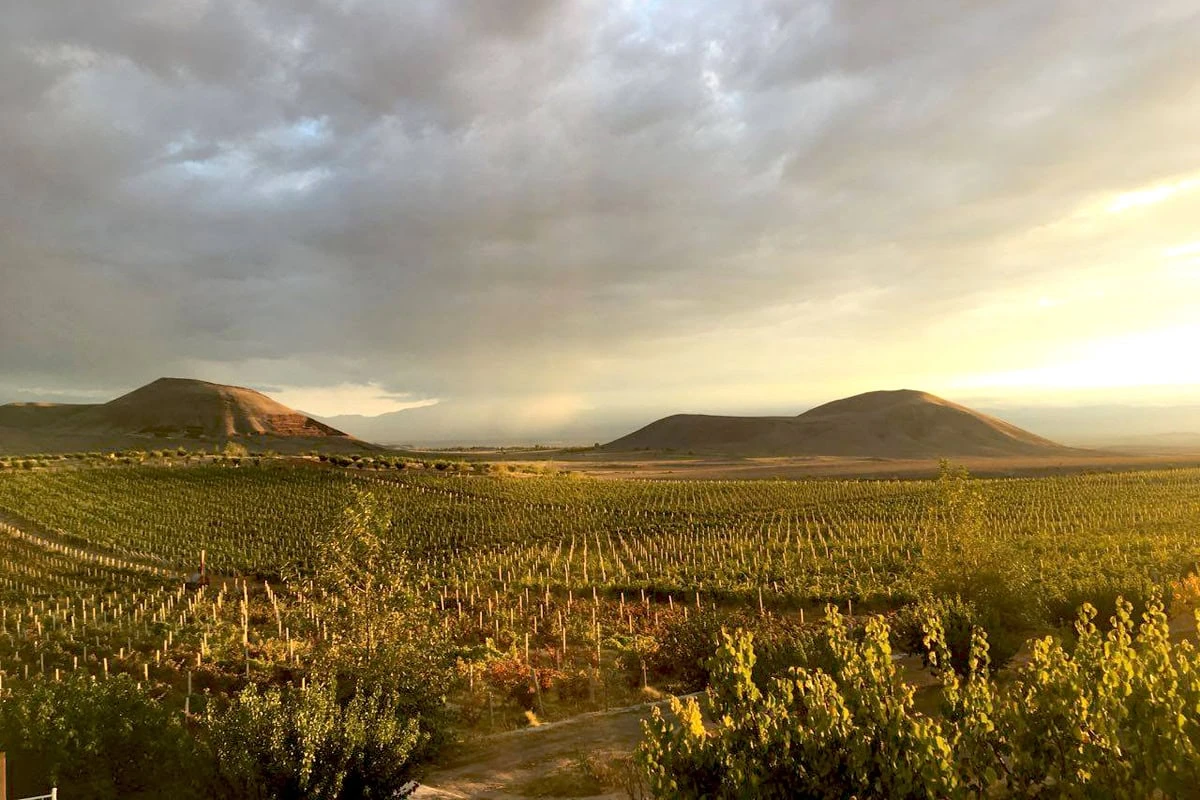
The Soul of a Nation: What is "Living the Land" in Armenia?
More Than a Vacation: A Connection to the Earth- Ecotourism: This is all about communion with nature. It's about hiking through pristine national parks, spotting rare wildlife in their natural habitats, and contributing to the preservation of Armenia's raw, untamed beauty.
- Agrotourism: Ready to get your hands dirty? This is your chance. Agrotourism invites you to stay on family-run farms, participate in the harvest, learn to make cheese from scratch, and experience the profound journey from soil to plate.
- Rural Tourism: This is the cultural heart of your journey. It's about slowing down to soak in the rhythm of authentic village life, sharing meals with local families, listening to their stories, and understanding the traditions that have shaped this land for millennia.
In Armenia, you don't have to choose. On any given day, you can hike through a protected forest (ecotourism), have lunch at a farm that grew everything on your plate (agrotourism), and spend the evening learning a traditional dance in a nearby village (rural tourism). It's all woven together, offering a connection to the earth you can't find anywhere else.
The Sanctuaries of Nature (Ecotourism Hotspots)
Where the Wild Things Are: Armenia's Natural TreasuresArmenia's landscape is a masterpiece of contrasts, from lush forests and serene lakes to dramatic canyons and ancient highlands. Each sanctuary offers a unique conversation with nature.
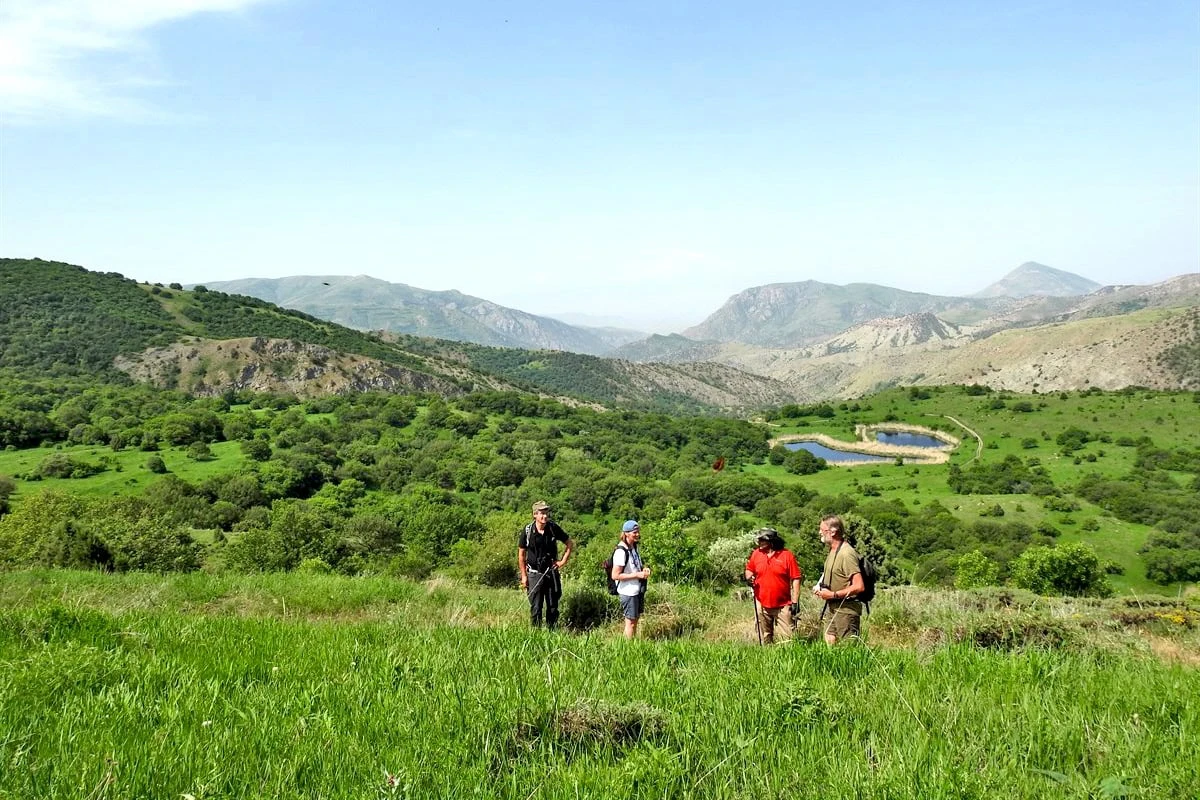
Hikers exploring the vast, green mountain landscapes of Armenia
The Lush Forests: Dilijan National Park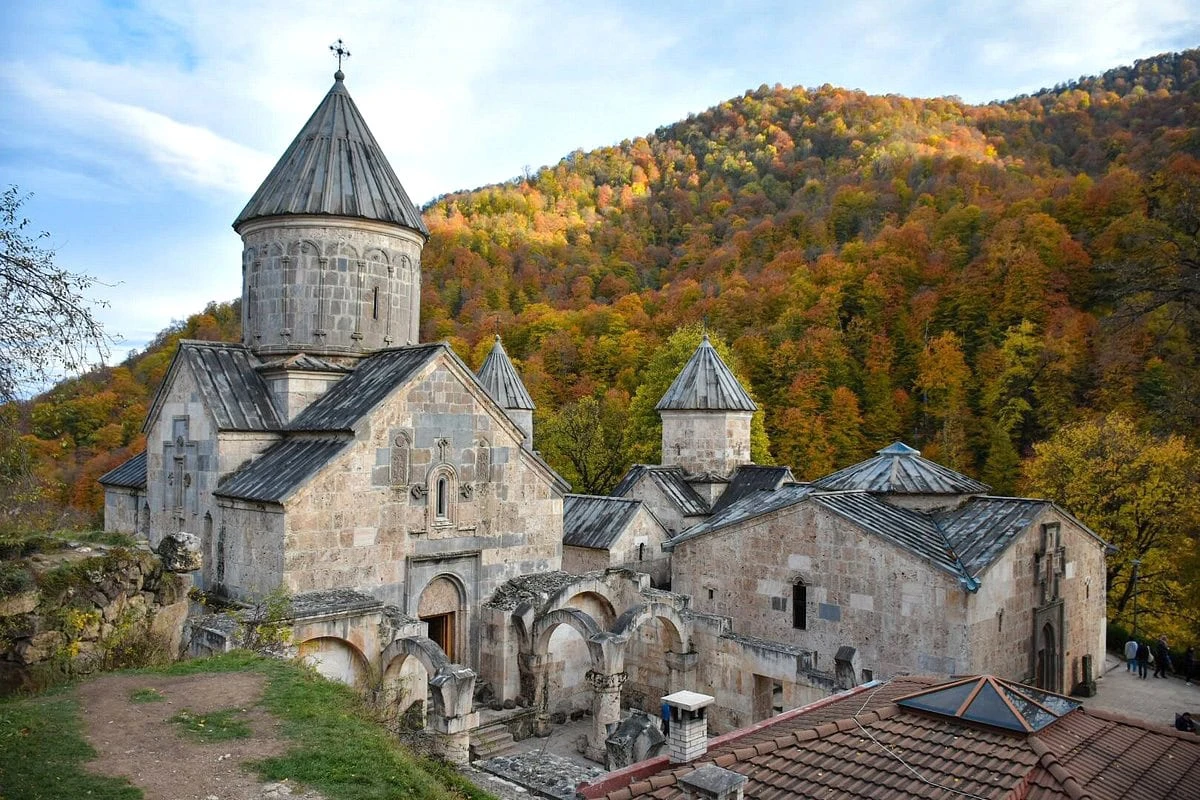
Haghartsin Monastery surrounded by autumn foliage in Dilijan National Park
The Ancient Wildlands: Khosrov Forest & Caucasus Wildlife RefugeStep back in time in the Khosrov Forest State Reserve, one of the oldest protected areas in the world. Allegedly established in the 4th century by King Khosrov III as a private hunting ground, walking these paths feels like entering an ancient, untouched world.
The landscape is rugged and dramatic, a mosaic of arid mountains and juniper forests. It's a place where you can truly hear the silence, broken only by the wind or the call of a raptor. Keep your eyes peeled for Bezoar goats navigating impossible cliffs or the shadow of a Syrian brown bear.
For a more modern and direct conservation experience, visit the Caucasus Wildlife Refuge (CWR). This pioneering project is where your tourism dollars directly fund the protection of the region's biodiversity, including the endangered Caucasian leopard. Stay in their incredible solar-powered eco-lodges, join a ranger to check camera traps, and become an active participant in the preservation of Armenia's wild soul.
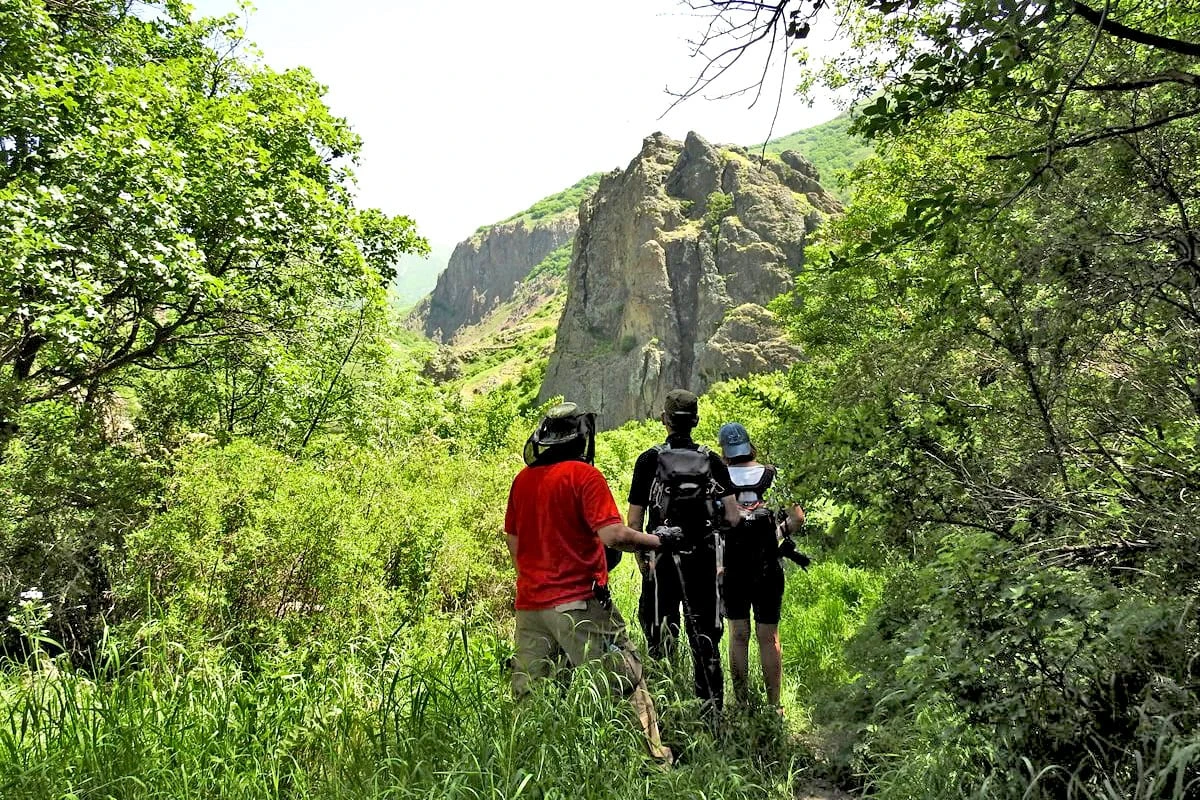
Hikers admiring the lush gorges and majestic rocky peaks of Armenia
The Great Lakes: Sevan & ArpiFor those seeking even wilder solitude, the more remote Lake Arpi in the north is a protected wetland and a paradise for serious birders, where you can spot Dalmatian pelicans and Armenian gulls in a place of profound, untouched peace. The Dramatic Canyons: Debed Gorge & The Symphony of Stones
Armenia's volcanic soul is on full display in its canyons. In the north, the Debed Gorge carves a deep, lush wound through the Lori province. Clinging to its cliffs are two of the most magnificent UNESCO World Heritage monasteries, Haghpat and Sanahin. These were not just places of worship but brilliant centers of medieval science, medicine, and philosophy.
Further south, bordering the Khosrov Reserve in the Azat River Gorge, you'll find the awe-inspiring "Symphony of Stones", a natural marvel where immense, perfectly hexagonal basalt columns hang like a giant stone organ a soundless, powerful concert for the eyes.
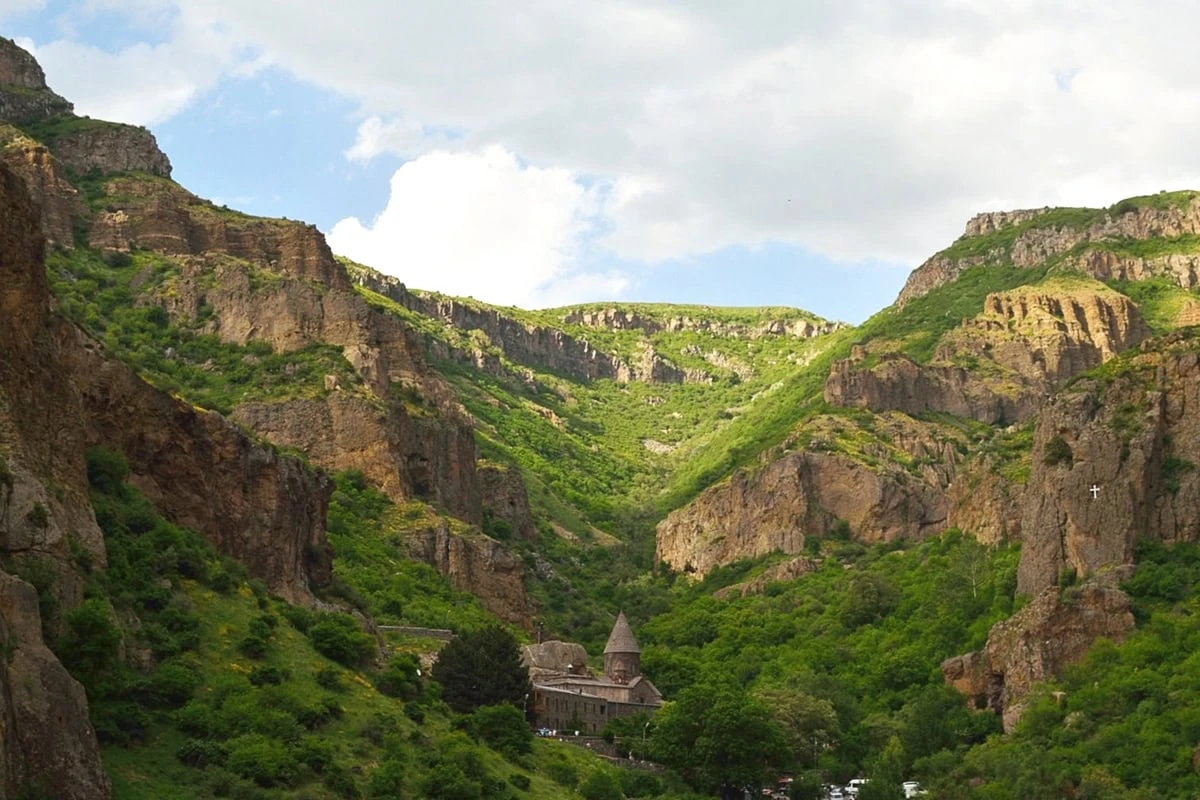
Geghard Monastery nestled within the dramatic cliffs of the Azat River Gorge
The Healing Waters of JermukNestled amidst forested mountains is the spa town of Jermuk, a destination centered on wellness and nature. For centuries, people have come here to experience the rejuvenating power of its natural mineral waters, each with a different temperature and mineral content.
Beyond the elegant gallery where you can taste the warm, effervescent water, you'll find beautiful hiking trails leading to a spectacular 72 m cascading waterfall, whose legend speaks of a princess transformed into its flowing waters.
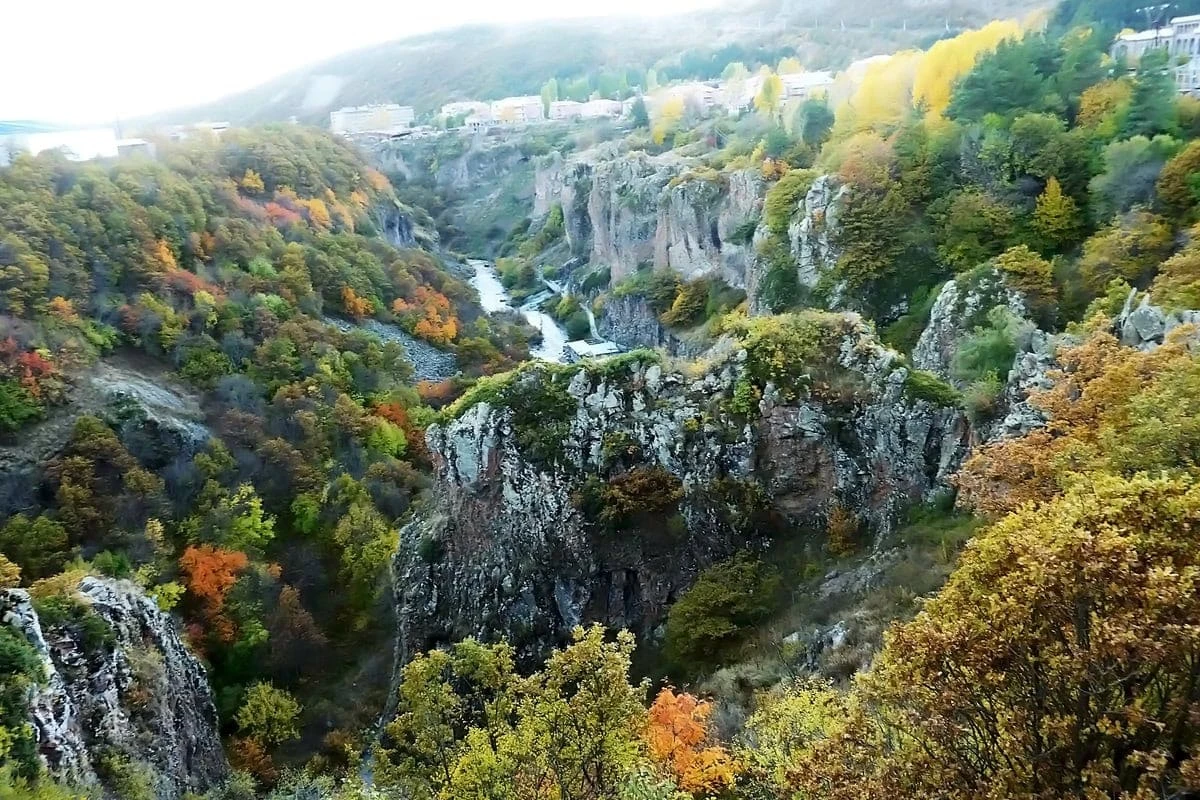
The rocky gorge and cityscape of Jermuk surrounded by vibrant autumn colors
The Fruit of the Vine: A Journey into Armenia's Wine Country
Uncorking 6000 Years of History in the Areni Wine RegionLong before Bordeaux or Tuscany, there was Armenia. The Vayots Dzor province, particularly the Areni region, isn't just a place to drink wine – it's the very cradle of winemaking.
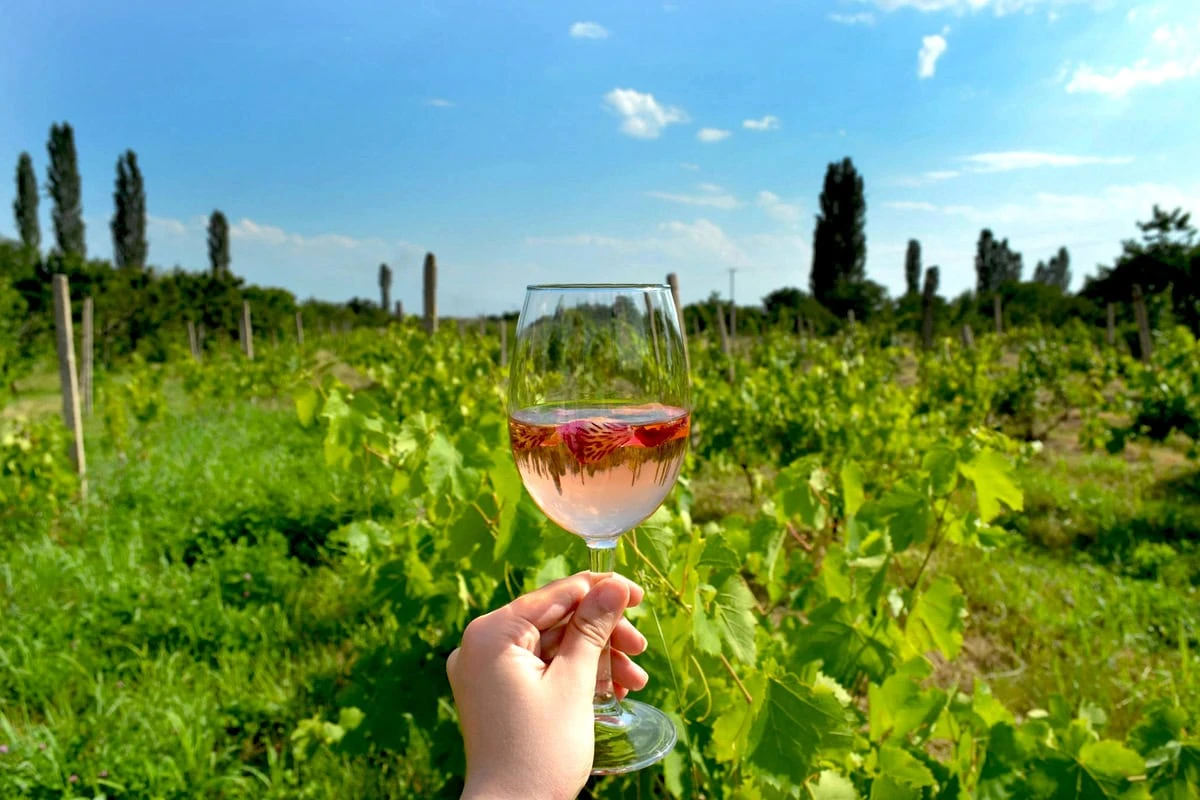
Enjoying a glass of local wine in the sunlit vineyards of Armenia
Your journey starts at the Areni-1, where archaeologists unearthed the world's oldest known winery, dating back 6100 years. Standing in that cave is a humbling, awe-inspiring experience. But the story didn't end there. Today, the region is buzzing with passionate, family-run vineyards.You can find incredible hospitality in the guesthouses of nearby villages like Yeghegis, making it a perfect base for exploring the wineries and the region's stunning red-rock landscapes.
The Heartbeat of the Land: Authentic Farm & Village Stays
Wake Up to More Than an Alarm ClockImagine waking up not to the sound of traffic, but to a rooster crowing. The air smells of freshly baked bread and mountain herbs. This is the magic of agrotourism, and it's where you'll find the true heartbeat of Armenia.
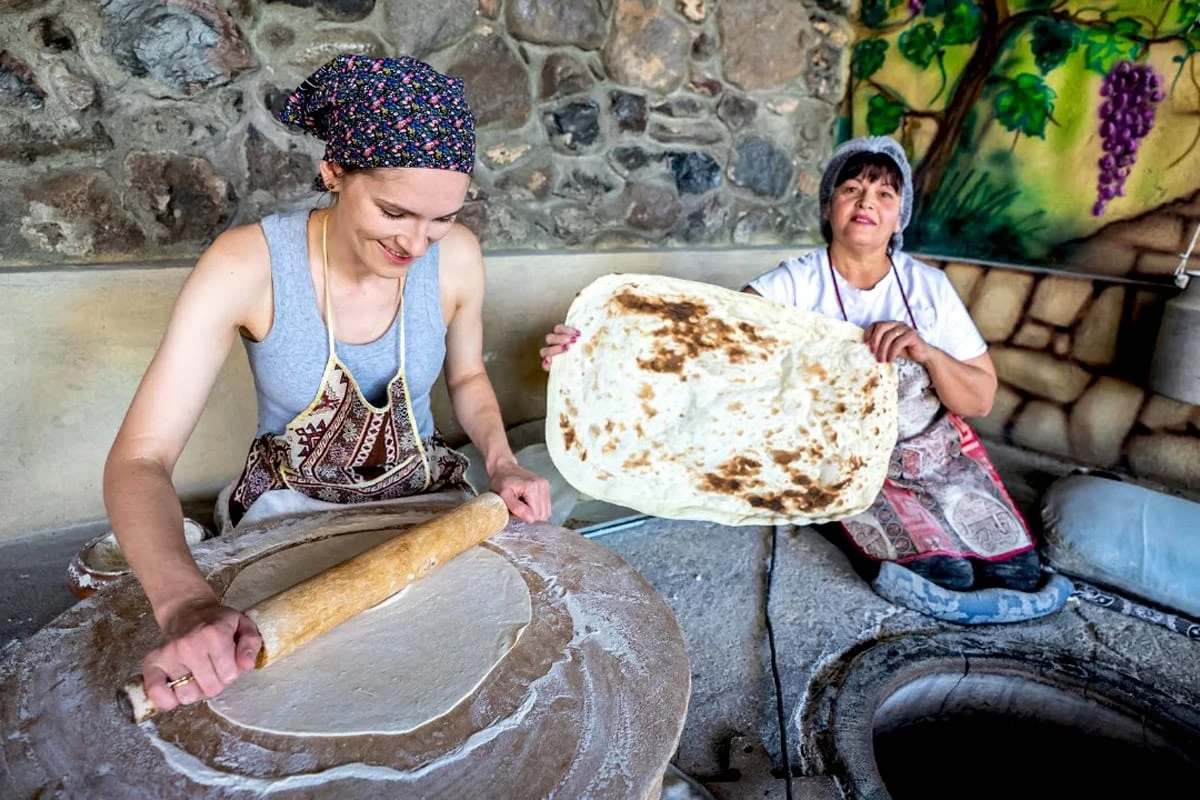
Agrotourism experience: learning to bake traditional Armenian lavash in a tonir
Hands-On Experiences That Feed the SoulThe best part of a farm stay is the chance to participate. This isn't a spectator sport!
- The Ritual of Lavash: This is a mesmerizing, UNESCO-recognized art form. You'll watch your host expertly stretch the dough paper-thin over a cushion, then with a deft movement, slap it onto the searing hot wall of the tonir, the traditional underground clay oven. In seconds, it bubbles and bakes. The feeling of pulling that first hot, fragrant sheet from the oven and sharing it is a moment of pure connection.
- The Art of Armenian Cheese: Here, you'll learn the ancient rhythm of cheese-making. You'll help warm the fresh milk, learn the secrets of separating the curds and whey using natural rennet, and press it into a simple mold. The taste of cheese you helped create, served just hours later with fresh herbs and tomatoes, is a revelation.
- Honey, Herbs and Harvests: Walk the meadows to gather wild thyme, visit an apiary, or, depending on the season, help harvest world-famous apricots and grapes.
A Tapestry of Village Life
While every village has its charm, different regions offer unique flavors. The area around Garni, with its stunning Greco-Roman temple, is perfect for experiencing rural life just a short drive from Yerevan. Head south to the Syunik province, and you'll enter a world of honey and berries. Time your visit for early July, and you can join the annual Mulberry Festival, a sweet and joyous celebration of the region's bounty.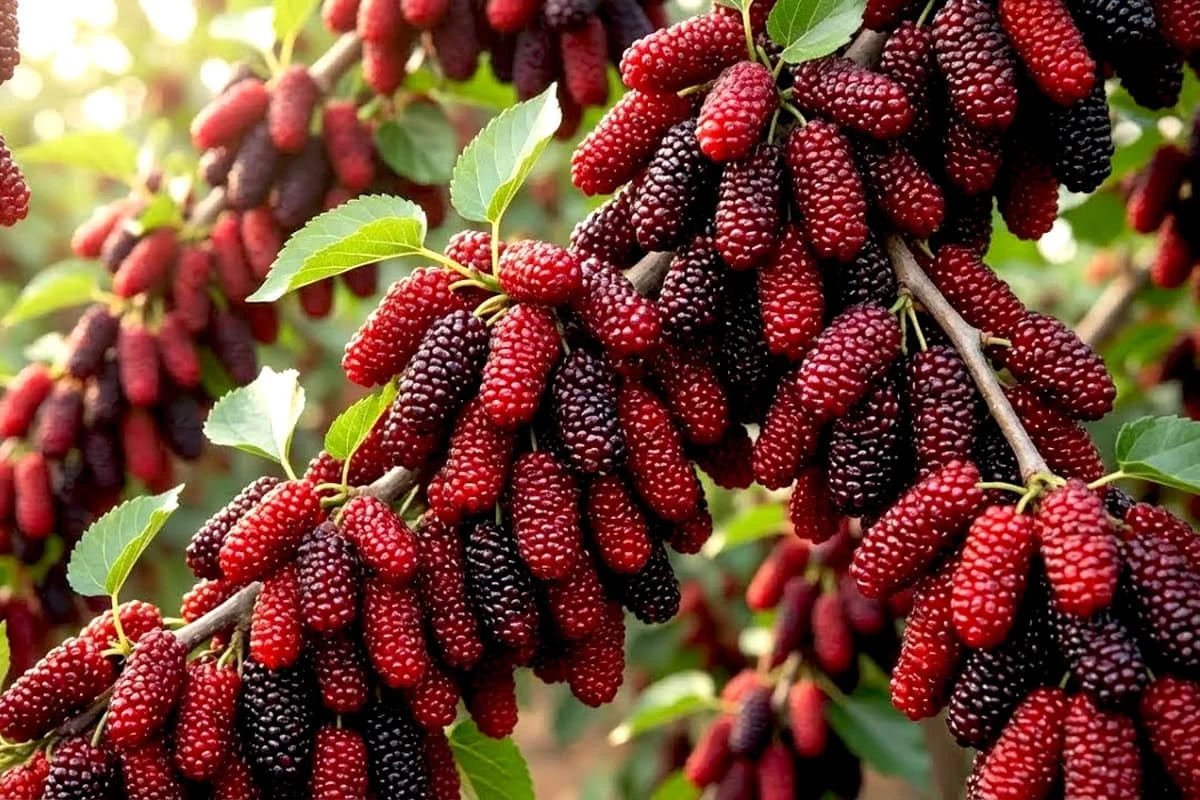
The sweet bounty of Armenian orchards: ripe mulberries ready for the harvest
The Artisan's Touch: Keeping Traditions AliveWatching a carver transform a slab of volcanic tufa into an intricate lacework of stone is to witness a sacred tradition in action. For a deeper dive, visit Gyumri, a city with a resilient soul, famous for its talented metalworkers, painters, and ceramicists who work from charming 19th-century studios.
The Ultimate Ecotourism FAQ
Here you'll find detailed answers to the most common questions about planning your sustainable adventure in Armenia.1. What's the real difference between ecotourism and agrotourism?
Ecotourism is focused on observing and preserving nature (hiking, birdwatching, visiting national parks). Agrotourism is focused on participating in nature's bounty (staying on a farm, making cheese, harvesting grapes). In Armenia, they overlap beautifully.
2. Which regions are absolute must-visits for a first-timer?
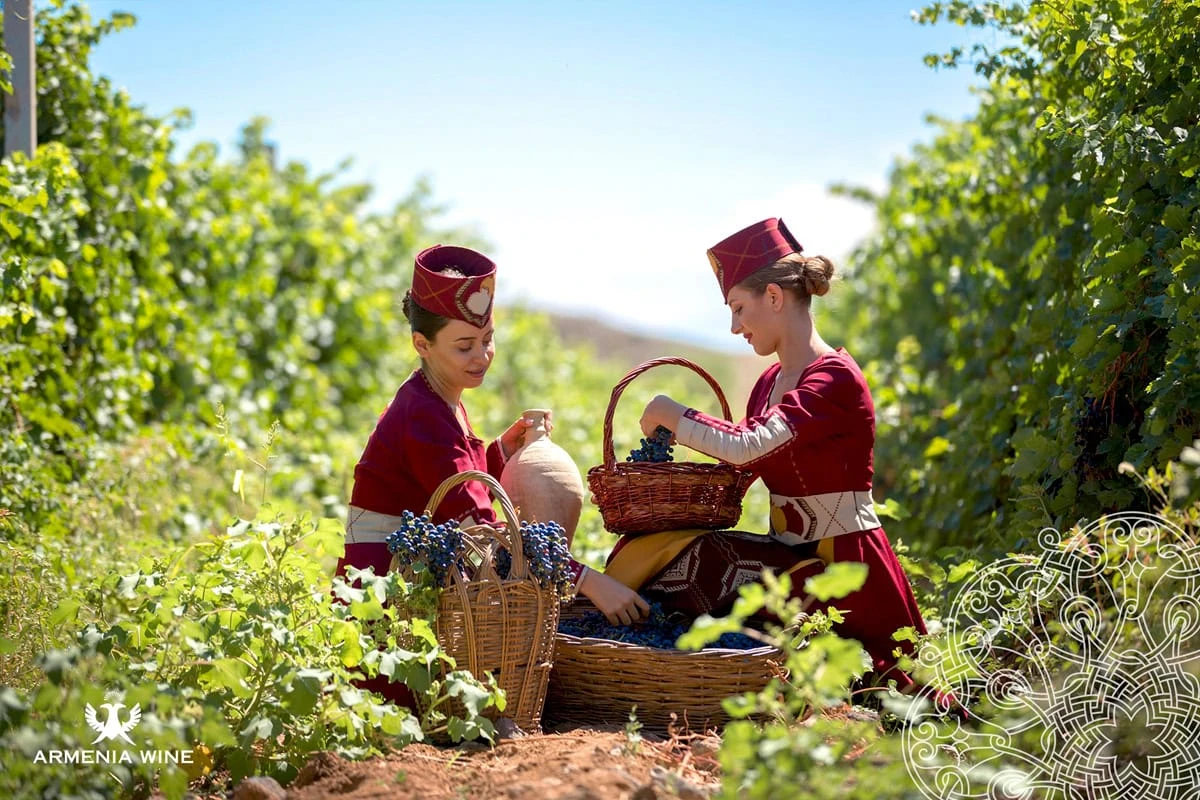
Traditional Armenian grape harvest
- For Vineyards: Vayots Dzor (especially the Areni region) is non-negotiable for wine lovers.
- For Forests & Hiking: Dilijan National Park is a must.
- For Ancient Wildlands: Khosrov Forest State Reserve offers a rugged, historic landscape.
- For High-Mountain Lakes: Lake Sevan is iconic; Lake Arpi is for wild solitude.
- For a Mix of Everything: The regions around Garni offer history, food, and nature, all close to Yerevan.
3. What are the best hands-on activities to try?
The top experiences are lavash baking, cheese-making, participating in a fruit harvest (apricots in summer, grapes in autumn), and taking a local cooking class to learn how to make dishes like tolma (stuffed grape leaves).
4. When is the best time to visit for specific activities?
- Spring (April-June): Best for hiking, as the hills are green and covered in wildflowers.
- Summer (July-August): Perfect for the fruit harvest and for high-altitude destinations like Mount Aragats.
- Autumn (September-October): The ultimate season for wine lovers (grape harvest, wine festivals) and for beautiful fall colors.
5. I'm an experienced hiker. What are the most challenging treks?
For a serious challenge, summiting Mount Aragats, Armenia's highest peak (4090 m), is a classic multi-day trek requiring proper acclimatization. For a true off-the-beaten-path adventure, a 4x4 journey to see the prehistoric Ukhtasar Petroglyphs near a remote mountain lake is an unforgettable expedition.
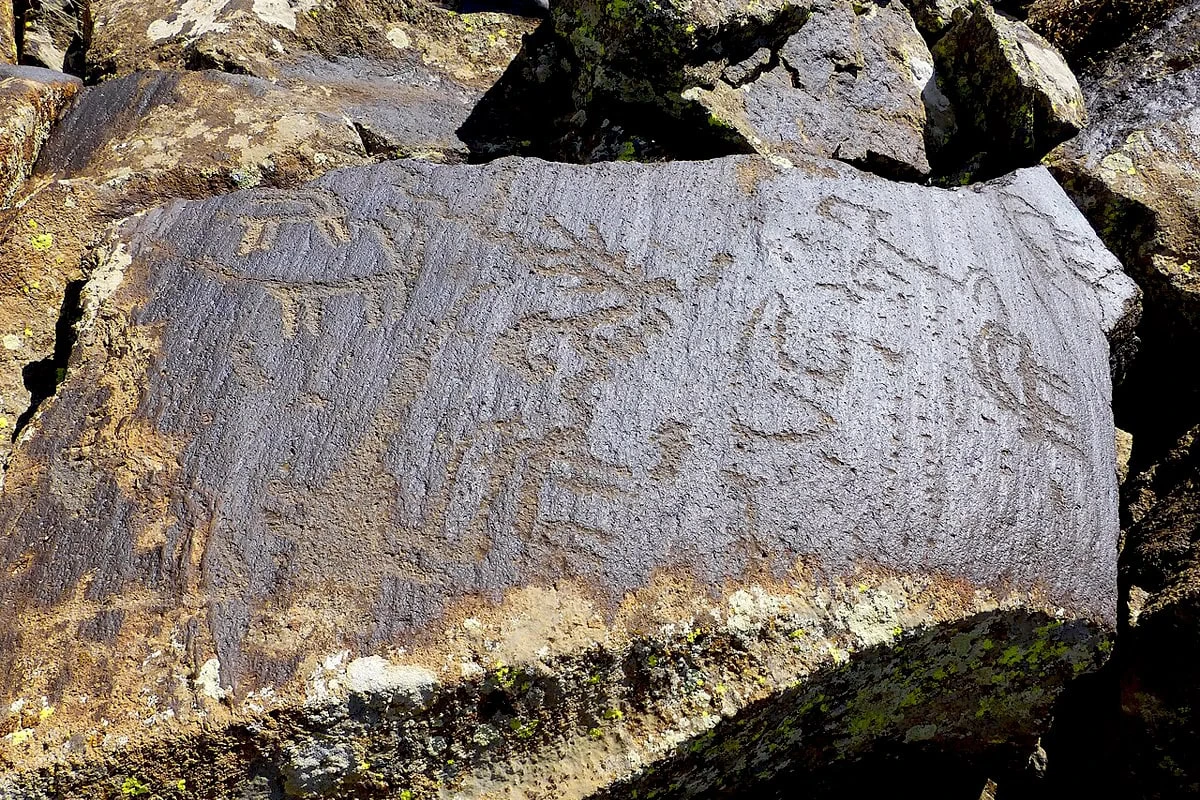
Ancient petroglyphs of Ughtasar in Armenia
6. Where can I see Armenia's famous cave dwellings?The most impressive examples are in the south. Visit Goris, a town famous for its dramatic rock formations, and the nearby village of Old Khndzoresk, where you can cross a swinging suspension bridge to explore a vast, ancient cave city carved into the soft rock.
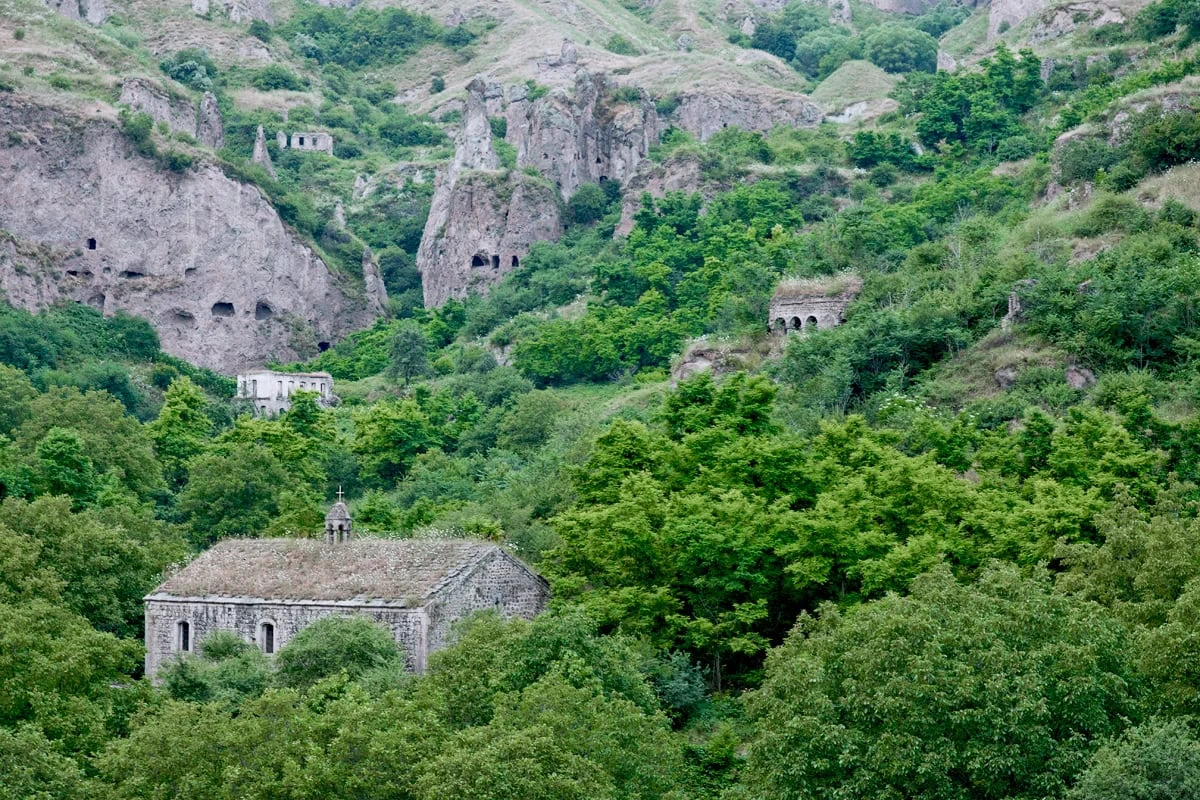
Old Khndzoresk cave village in Armenia.
7. What is the food like in rural areas? What if I'm vegetarian?Rural Armenian food is fresh, seasonal, and delicious. Expect lots of grilled meats, fresh cheeses, yogurts, and bread. However, vegetarians will be delighted! Armenian cuisine is rich in vegetable dishes (salads, roasted vegetables), bean dishes, and countless preparations of lentils, eggplant, and peppers. To be clear, you can say "Yes busaker em" (I am a vegetarian) or "Yes mis chem utum" (I don't eat meat).
8. What is the etiquette for visiting a local family? Should I bring a gift?
Hospitality is a sacred duty in Armenia. You will be welcomed with immense warmth. It's polite to accept at least a small taste of whatever is offered. Bringing a small, thoughtful gift from your home country (like local sweets, a souvenir, or photos) is a wonderful and deeply appreciated gesture.
9. Can I do this trip with my family and children?
Absolutely! Agrotourism is fantastic for kids. They'll love seeing the farm animals, picking fresh fruit, and learning to make lavash. Most guesthouses are very family-friendly. The main consideration would be keeping travel times between regions manageable for younger children.
10. Are there volunteer or conservation opportunities?
Yes. Organizations like the Foundation for the Preservation of Wildlife and Cultural Assets (FPWC), which runs the Caucasus Wildlife Refuge, and the Transcaucasian Trail Association sometimes have volunteer opportunities related to trail maintenance, cleanups, and conservation work. It's best to contact them well in advance of your trip.
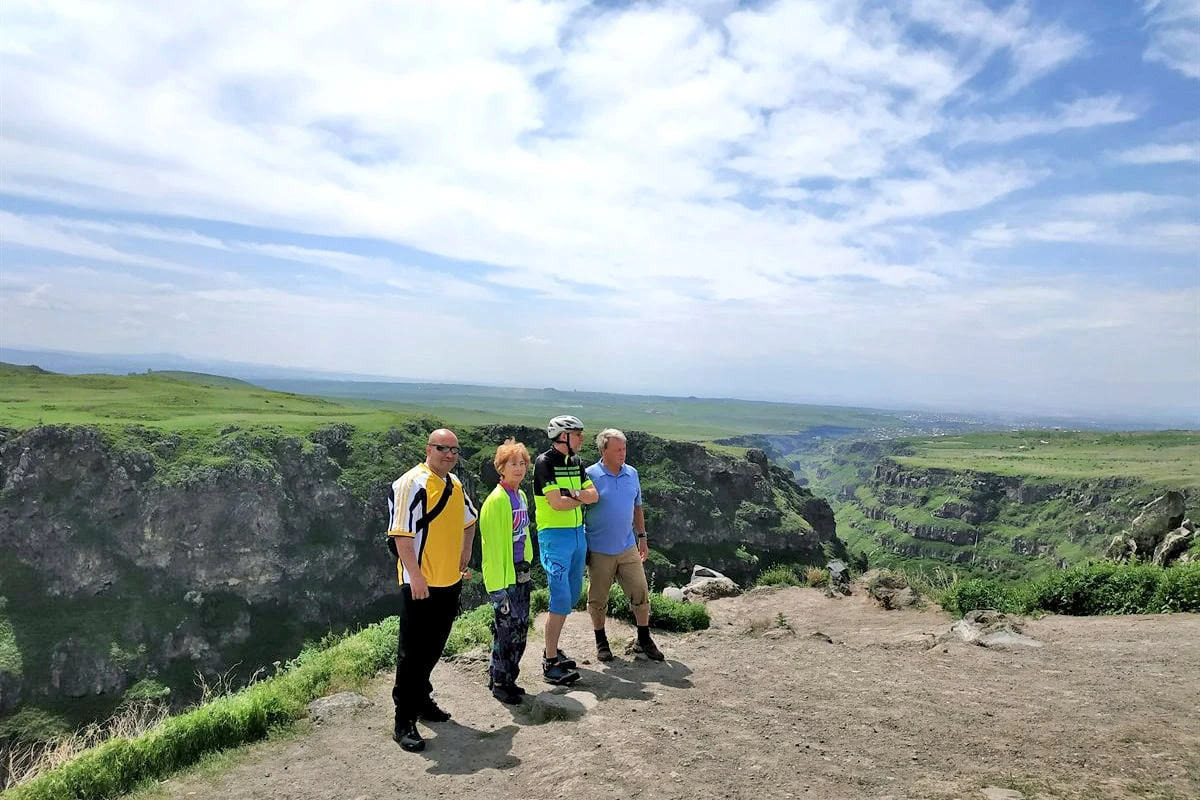
Tourists at the edge of a scenic gorge in Armenia
11. How do I choose a responsible tour operator?Look for operators that prioritize community-owned guesthouses, hire local guides, and operate in small groups.
12. How does my visit actually help local communities?
When you stay in a family guesthouse, buy cheese from a farmer, or hire a local guide, you're supporting local livelihoods and helping small communities benefit from tourism in a very real way. This provides a sustainable income, empowers rural communities (especially women), and creates a financial incentive to preserve both their natural landscapes and their cultural traditions.
Your Invitation to Armenia's Countryside Awaits
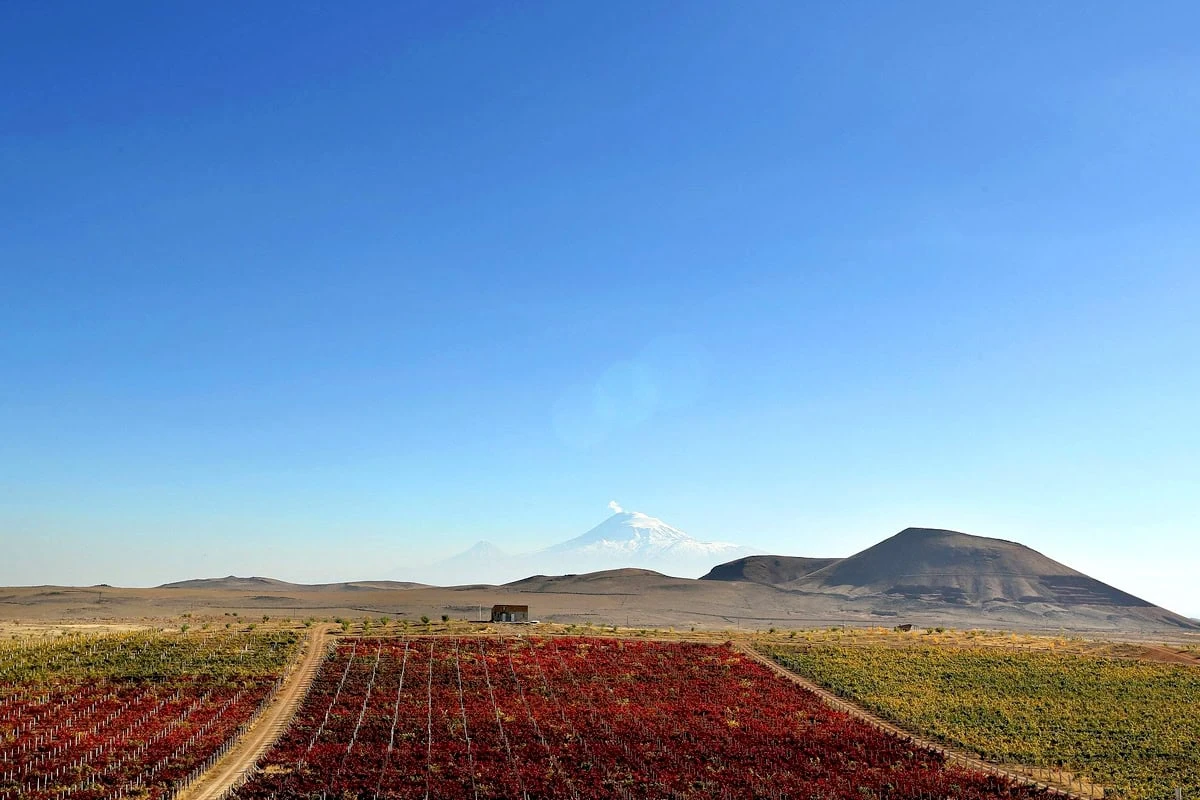
Autumn vineyards against the backdrop of Mount Ararat

Related services


-
 26 May, 2026
15-17 min
493 times
26 May, 2026
15-17 min
493 times
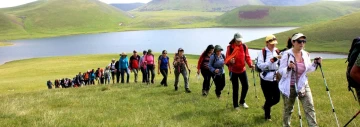
Forget the Alps: Why is Armenia Your Next Hiking Trip?
Tired of the same old trails? The ones where the path is more crowded than a city sidewalk and the views, while beautiful, feel… expected? You crave something more. An adventure that seeps into your soul. A land that offers not just a hike, but a story. Where to go in Armenia Nature & Adventures -
 23 Jun, 2026
4-5 min
304 times
23 Jun, 2026
4-5 min
304 times
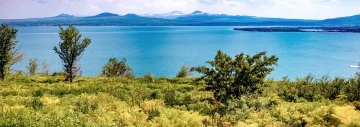
Lake Sevan: Things to Do Beyond Swimming
Sevan, often called the "Blue Pearl of Armenia", is one of the country's most beloved treasures. Stretching across 1200 sq km at an altitude of about 2000 m, it is one of the world's largest freshwater high-altitude lakes. Family & Wellness Getaways Nature & Adventures Where to go in Armenia -
 15 Jul, 2026
4-5 min
901 times
15 Jul, 2026
4-5 min
901 times
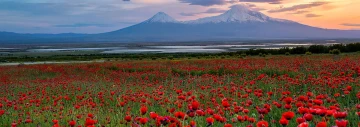
Mount Ararat – Symbol of Armenia: Best Places to Admire the View
For anyone visiting Armenia, the first unforgettable sight is often Mount Ararat rising above the horizon. Its snowcapped peaks dominate the skyline of Yerevan and the surrounding valleys, visible from countless corners of the country. Depending on the season and time of day, the mountain shifts in character from glowing pink at sunrise, golden at sunset, or shimmering white against a winter sky. Nature & Adventures Where to go in Armenia
Armenia
-

Travel Guide
Planning a trip to Armenia? At Hyur Service, we believe every traveler arrives as a guest and leaves as a friend. To help you navigate your adventure with ease, we've gathered the most essential tips, local secrets and practical answers to the questions travelers ask most often – from visas, safety and transportation to food, culture, costs and the best places to visit. For specific details on how to book our tours, payment methods and reservation policies, please visit our Frequently Asked Questions (FAQ) page. Whether you are searching for the perfect view of Mount Ararat, wondering where to find the best local khorovats, or simply want to know what to expect before you arrive, this guide is designed to help you plan with confidence and explore Armenia like a local. -
Attractions & Activities
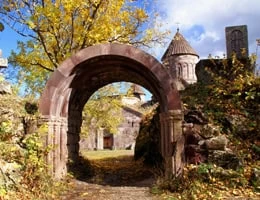
Explore the best places to visit in Armenia with one guide to the country's top attractions and activities. From Yerevan sightseeing, Garni Temple, Geghard Monastery, Lake Sevan and Tatev Monastery to waterfalls, mountains, museums, wine experiences and UNESCO-listed sites, this page helps you discover both must-see landmarks and lesser-known gems across Armenia. Use the filters to browse by region, category, distance from Yerevan, popularity and admission fee, then check opening hours, ticket prices and map location to plan your trip and build your itinerary with ease. -
Restaurants & Clubs
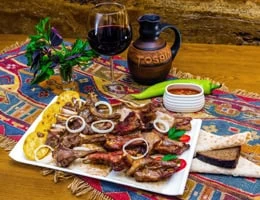
Discover the best restaurants, bars and clubs in Armenia in one guide to the country's top dining and nightlife venues. From traditional Armenian cuisine and cozy restaurants in Yerevan to wine houses, cafes, beerhouses and stylish spots across the regions, this page helps you find where to eat, drink and enjoy a memorable night out in Armenia. Use the filters to browse venues by region, type, cuisine and amenities, then check working hours, address and map location to plan your culinary experience with ease. -
Festivals & Holidays
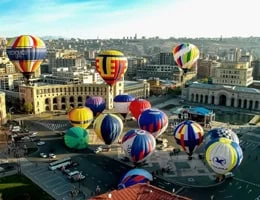
Festivals, holidays and cultural events are among the best ways to experience Armenia's traditions, food and local spirit throughout the year. From "Yerevan Wine Days", Yerevan Color Festival and music events to berry festivals, harvest celebrations and other local traditions, this page helps you find the most interesting festivals and events across Armenia and choose the best time for your visit. Browse by date and check practical details such as location, event date, start time and participation fee to plan your trip with ease.