Private tour: St. Hripsime, St. Gayane, Echmiadzin Mother Cathedral, Zvartnots, Garni, Geghard
St. Hripsime Church, St. Gayane Church, Echmiadzin Mother Cathedral, Zvartnots Temple, Arch of Charents, Garni Temple, Geghard Monastery
1. St. Hripsime Church
20-30 min
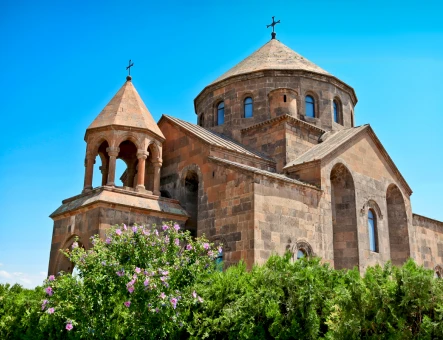
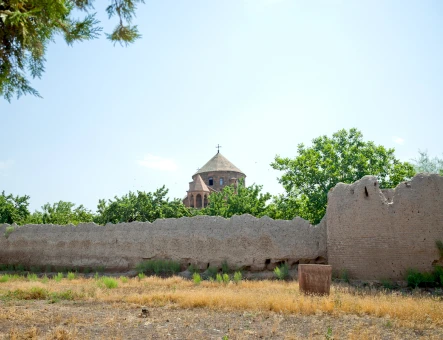
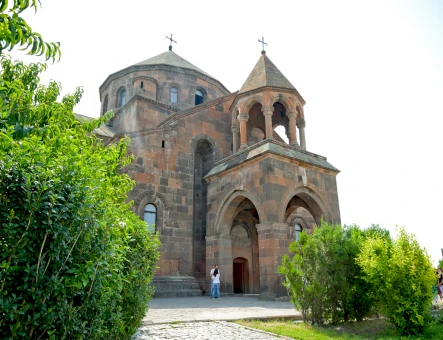
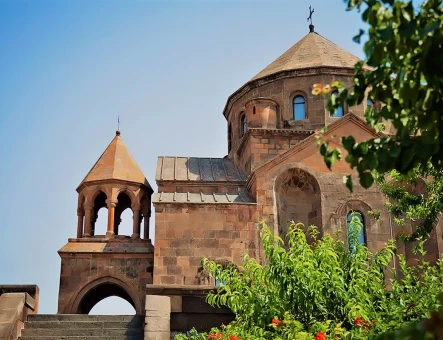
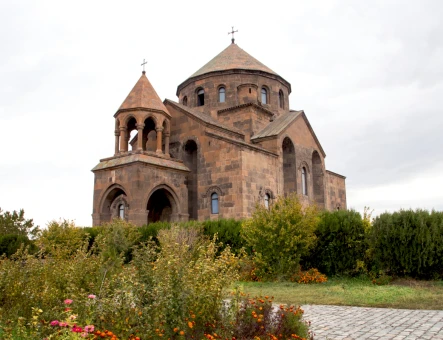
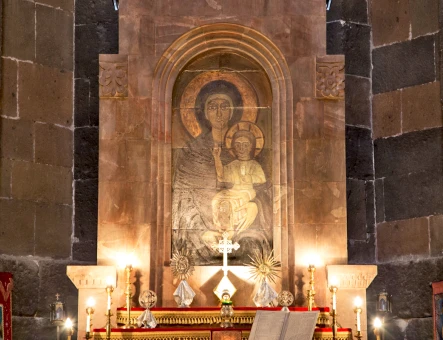
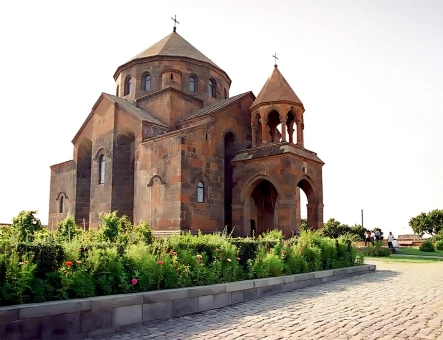
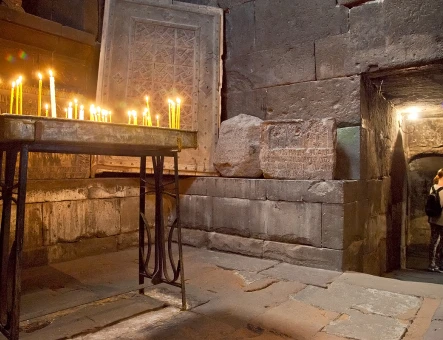
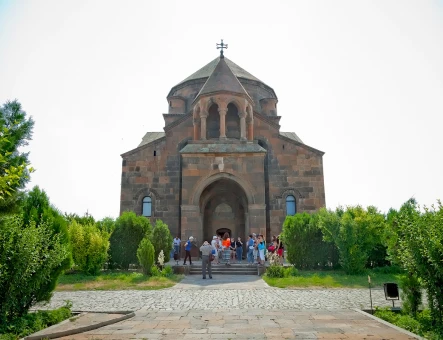
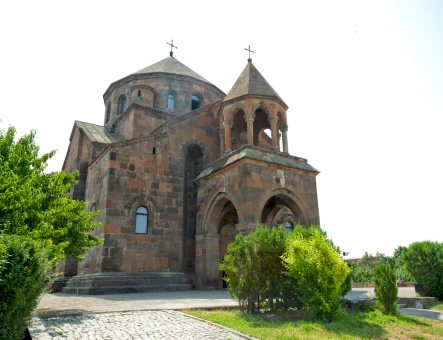
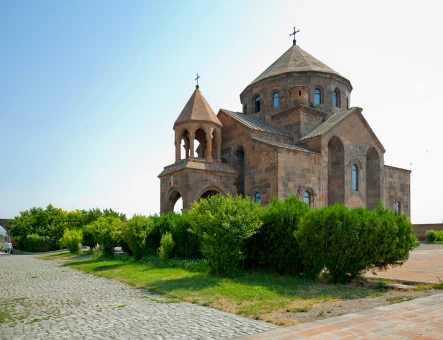
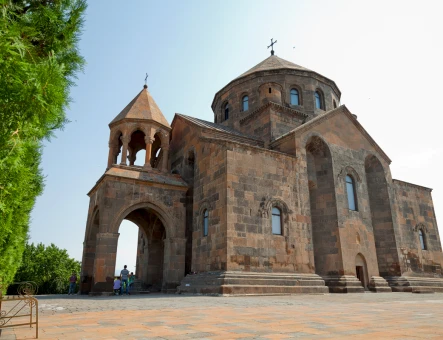
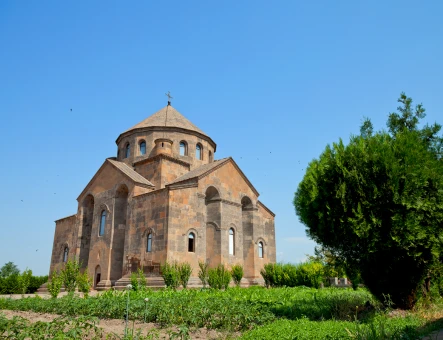
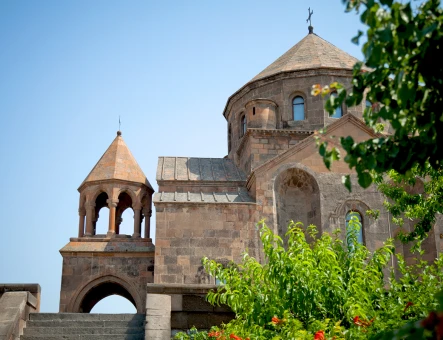
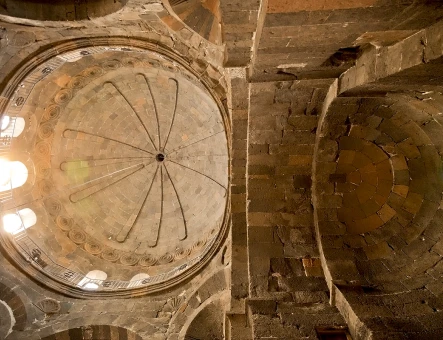
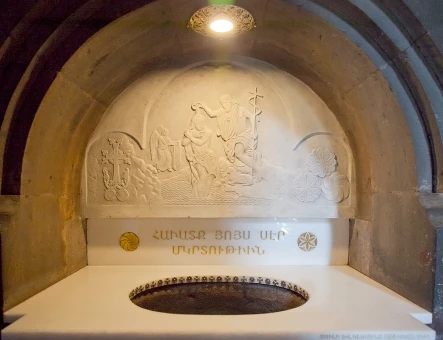
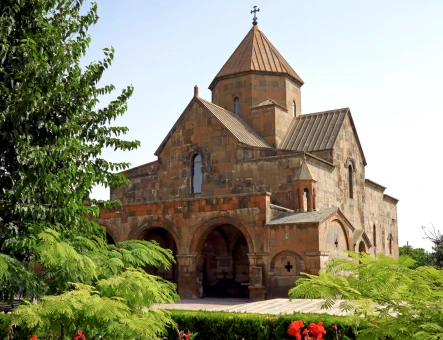
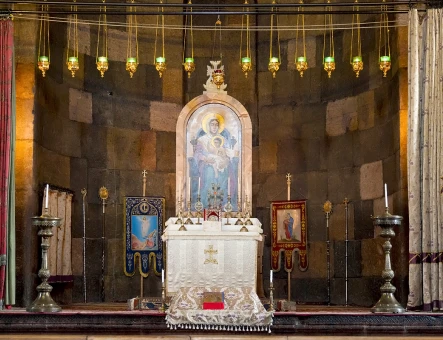
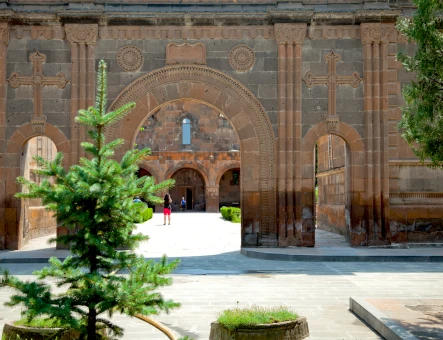
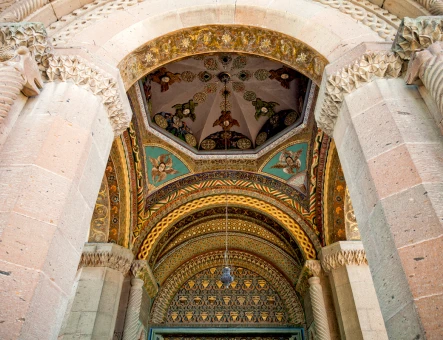
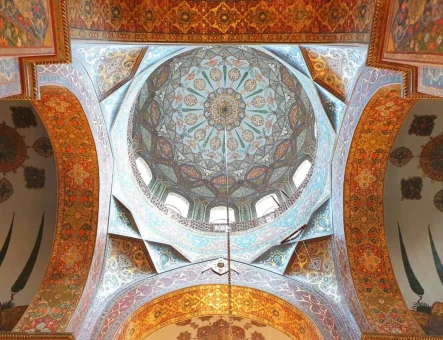
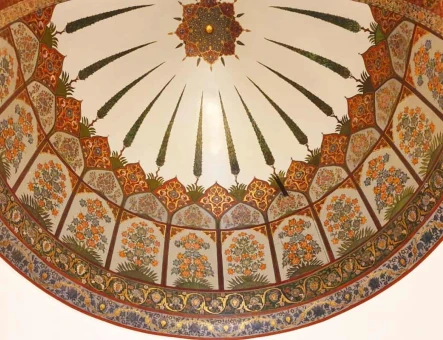
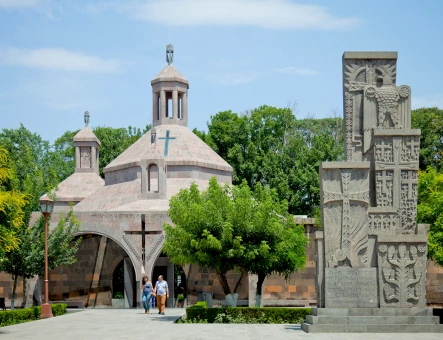
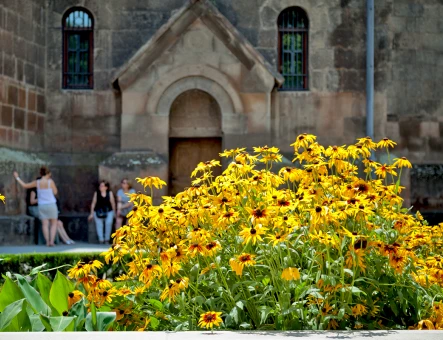
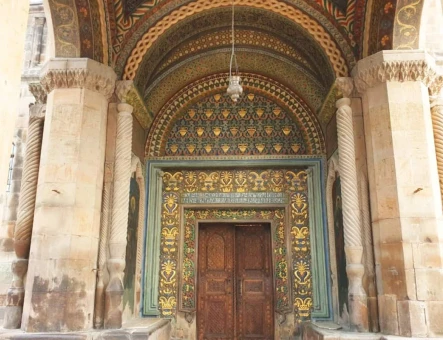
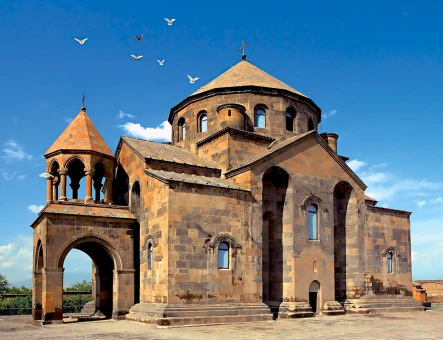
In the 7th century, a church was built here to guard her memory and eternal rest. Its massive stone walls reflect the grandeur of cross-domed Armenian architecture, and its austere silhouette, visible from afar, seems to call travelers toward it. Inside, beneath the altar, rest the relics of the martyr, and all who kneel here in prayer feel the power of her spirit.
Whether pilgrim or wanderer, each person leaves with the sense of having touched something eternal. Today, listed as a UNESCO World Heritage Site, the Church of Saint Hripsime remains a beacon of faith and an enduring symbol of unwavering devotion to the ideals for which she gave her life.
2. St. Gayane Church
20-30 min
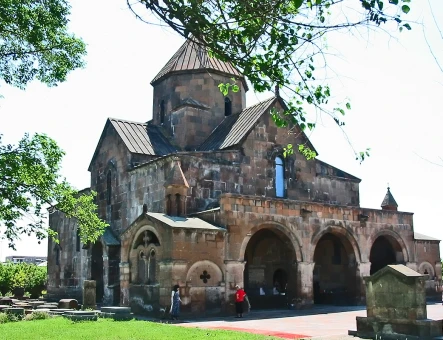
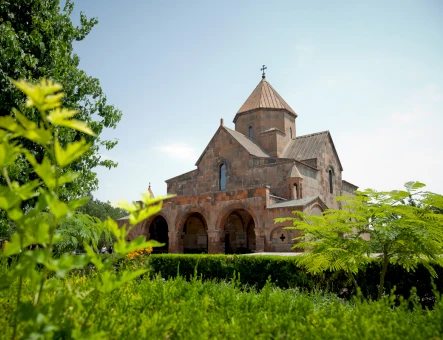
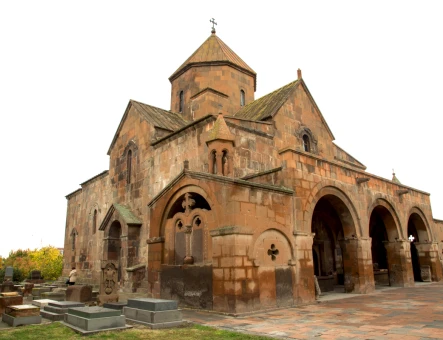
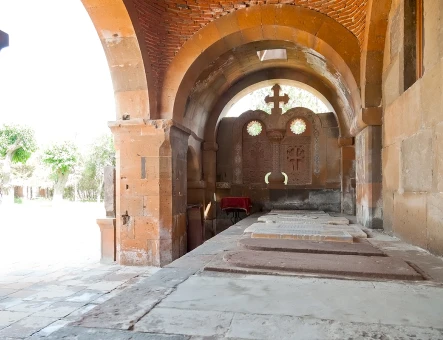
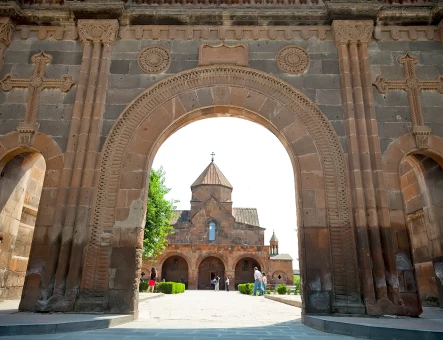
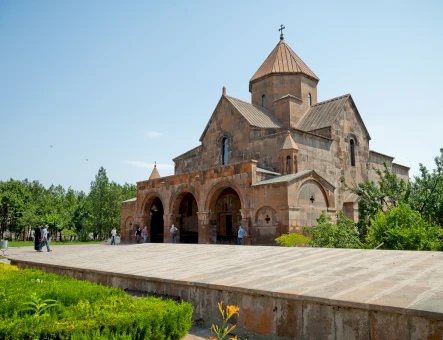
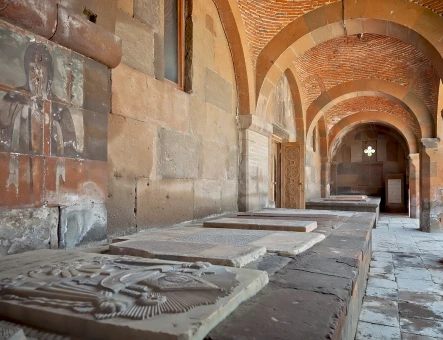
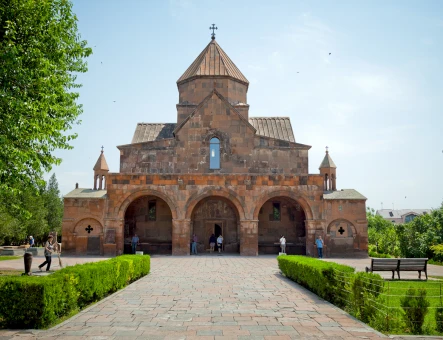
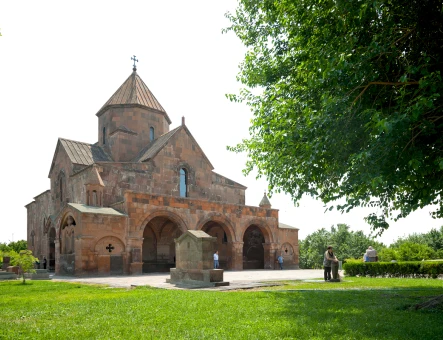
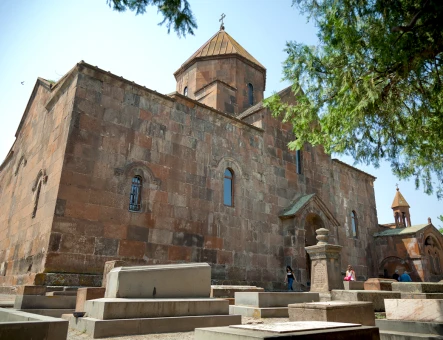
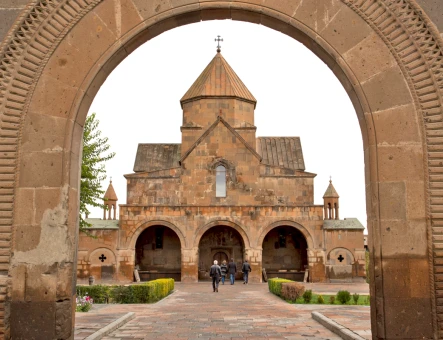
In 630 AD, Catholicos Ezr ordered the construction of this church to honor the steadfast woman whose courage became a symbol of early Christianity in Armenia. Its architecture is serene and harmonious – a domed basilica that has endured through centuries. In 1652, it underwent a careful restoration, retaining its noble simplicity, and later, a funerary gallery for high‑ranking clergy was added to the western façade, where every stone seems to breathe history.
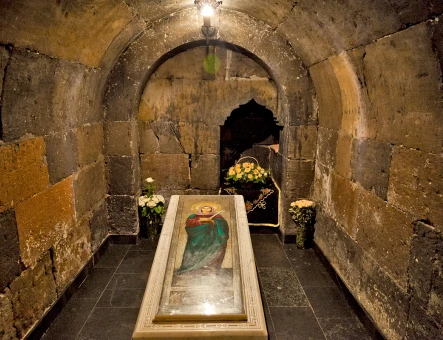
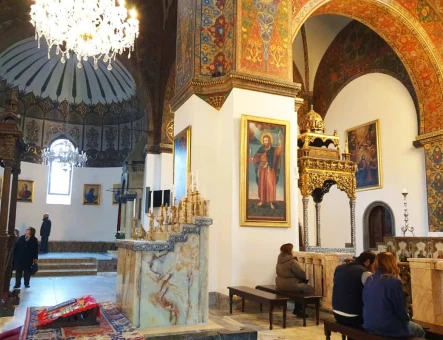
Inside, the southern chapel near the altar enshrines the relics of Saint Gayane, and the profound silence of the church feels like a veil over her eternal rest. Sunlight streaming through narrow windows dances across the ancient walls, creating the sense that time has stopped within.
This church is not only a spiritual symbol but also a part of world heritage: it is inscribed on the UNESCO World Heritage List, and every visit here feels like a pilgrimage to the very roots of Armenian faith.
3. Etchmiadzin Mother Cathedral
50-60 min
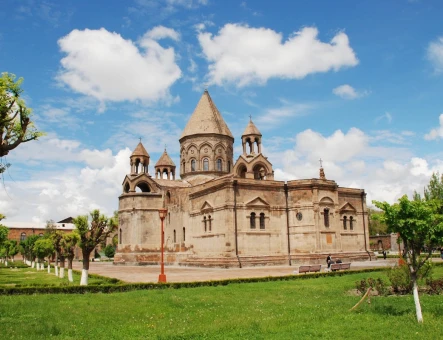
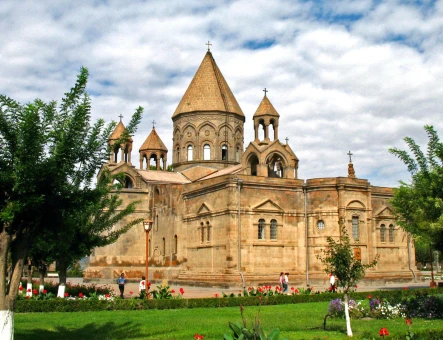
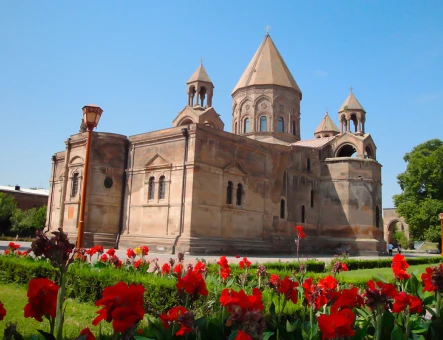
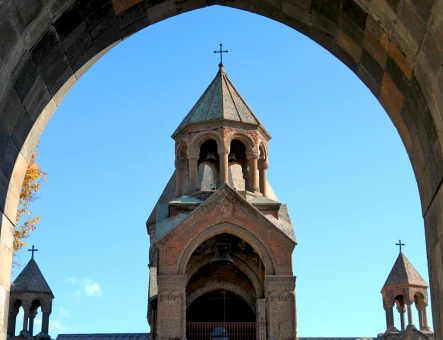
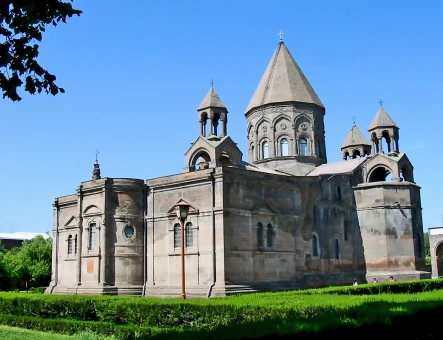
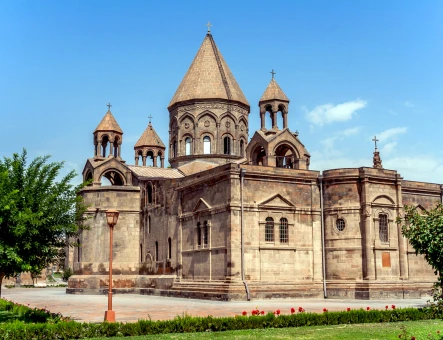
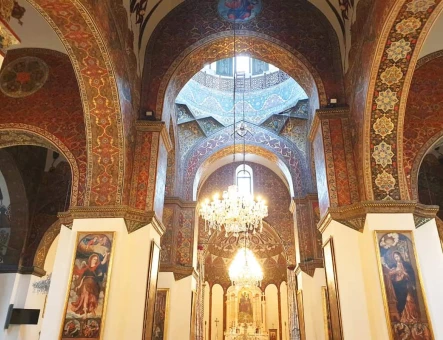
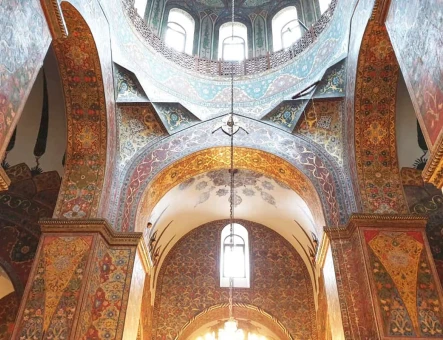
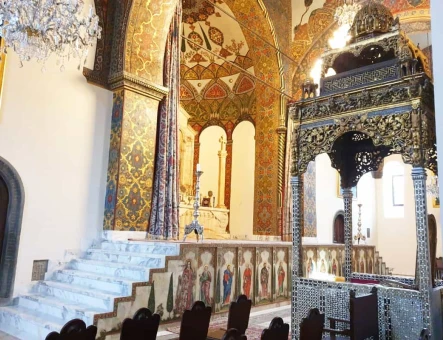
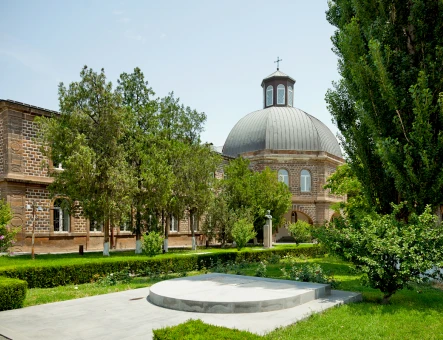
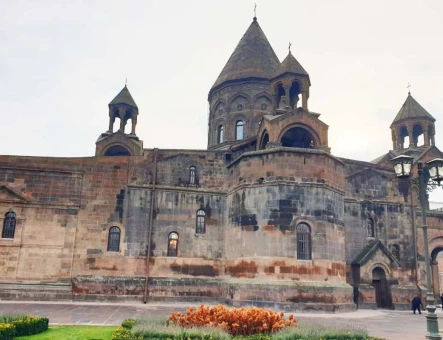
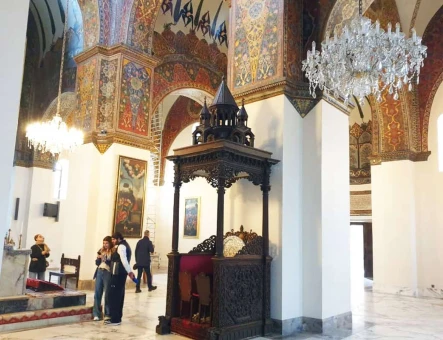
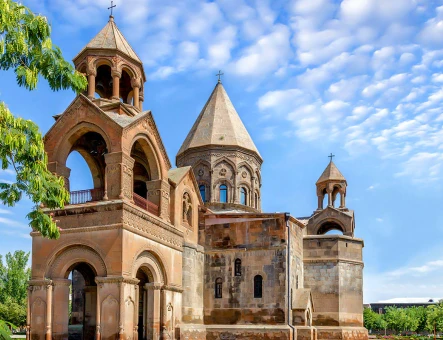
Erected in the 4th century, soon after Armenia became the first nation to adopt Christianity as its state religion, it has stood as a symbol of faith and everlasting hope. Its walls have witnessed coronations and mourning rites, heard the prayers of kings and humble pilgrims alike, and each stone carries the breath of centuries.
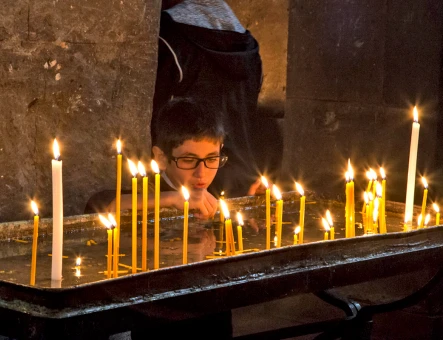
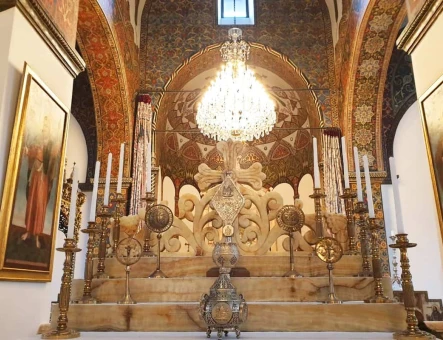
Surrounding the cathedral stand three churches Saint Hripsime, Saint Gayane, and Saint Shoghakat built in honor of martyred virgins whose sacrifice consecrated this land. Inside, the air is infused with the scent of incense, the gentle glow of oil lamps, and the murmurs of age-old prayers. Here, time loses its grip, and one feels part of a greater story, where faith, sacrifice, and love are bound together.
Today, included in the UNESCO World Heritage List, Etchmiadzin continues to shine as a spiritual beacon guiding countless hearts.
4. Zvartnots Temple
30-40 min
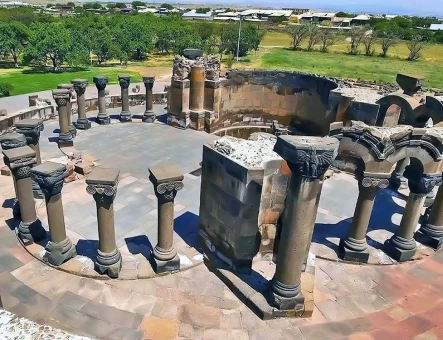
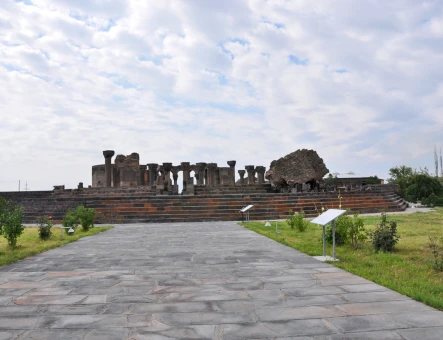
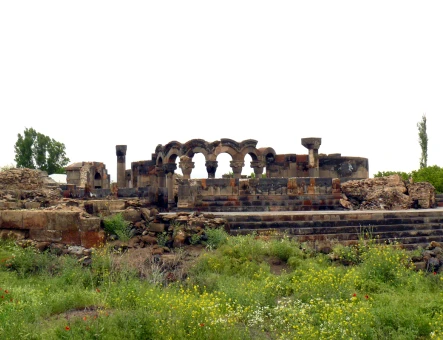
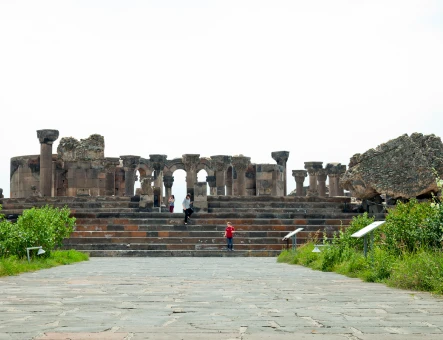
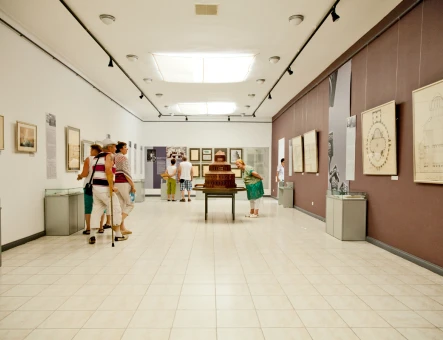
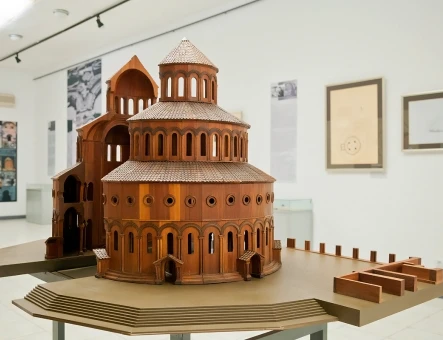
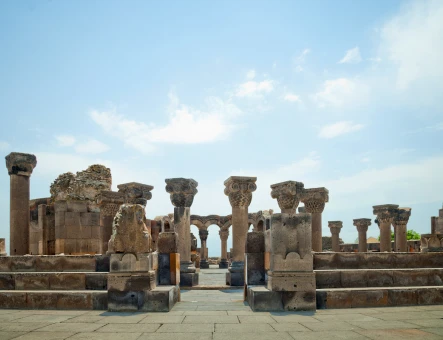
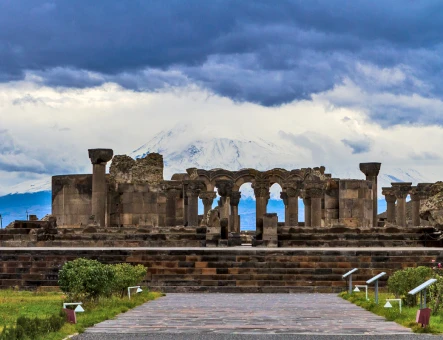
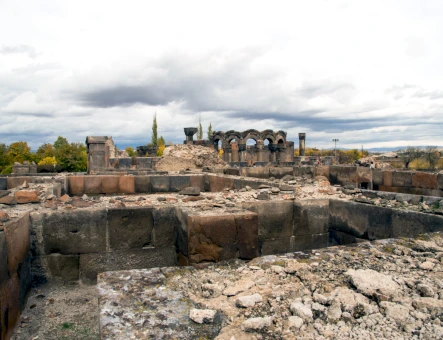
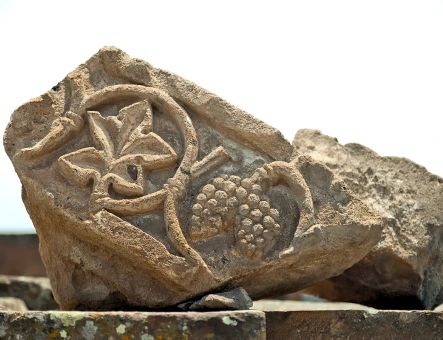
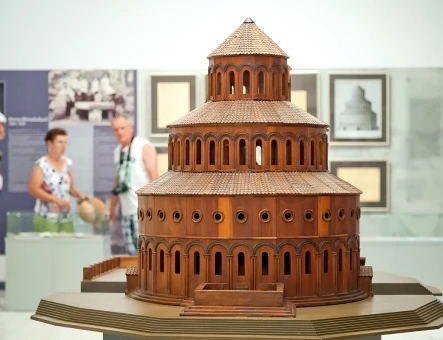
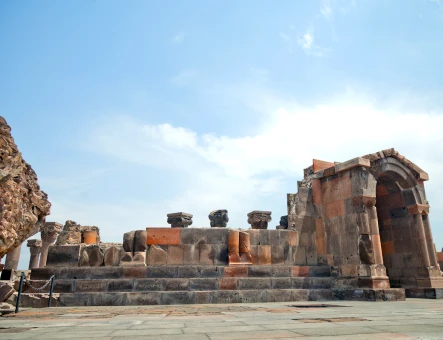
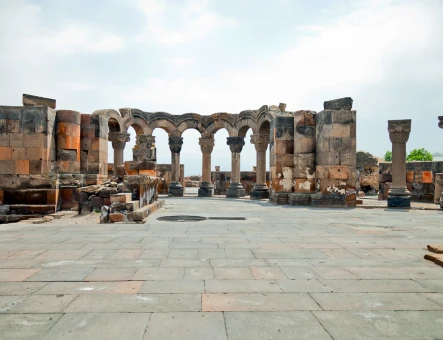
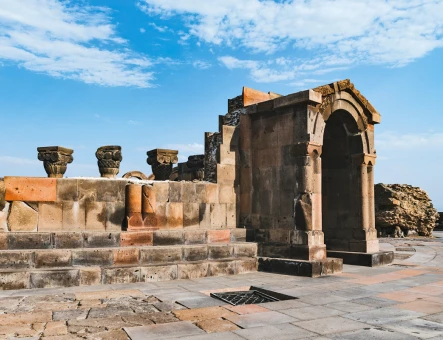
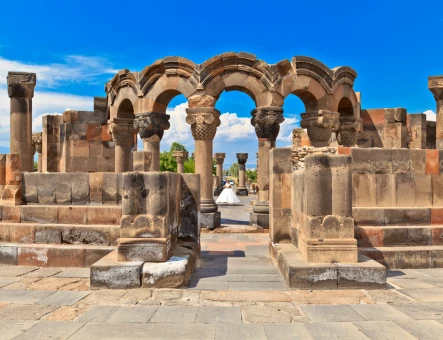
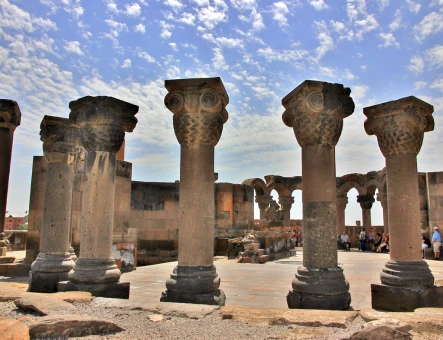
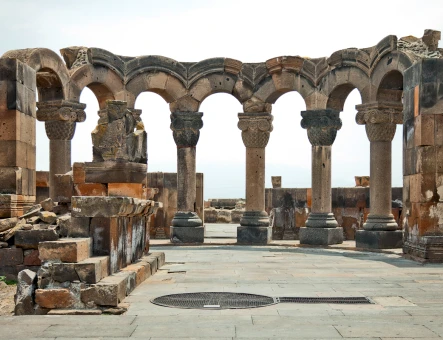
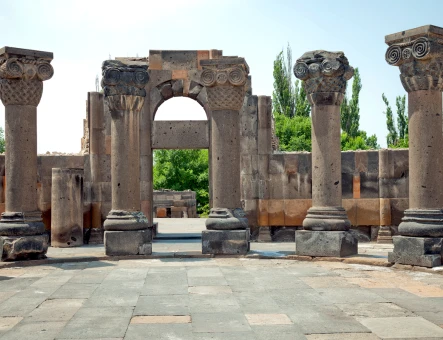
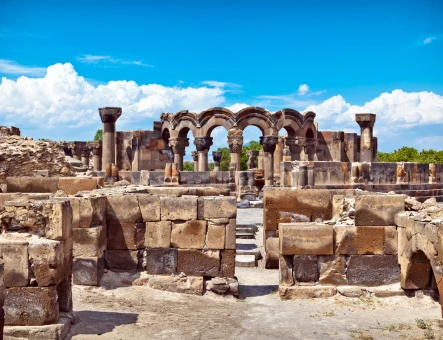
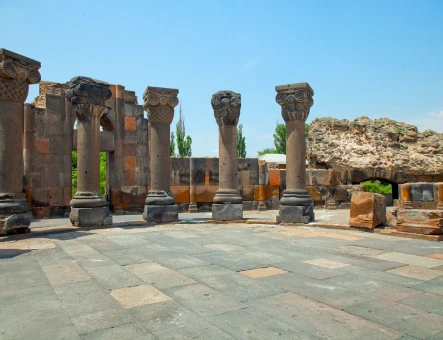
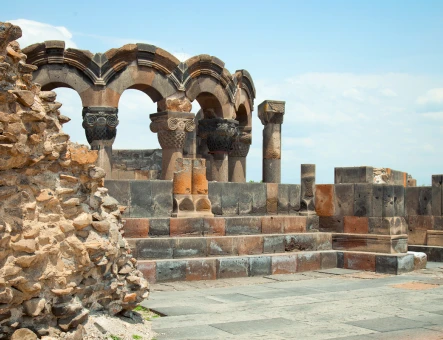
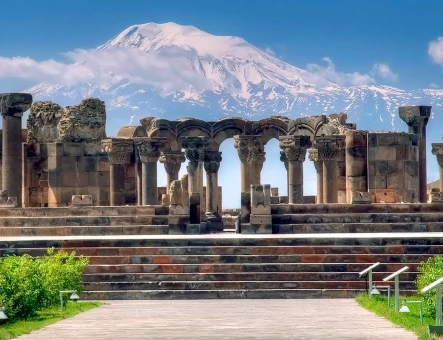
It wasn't until the early 20th century that renowned architect Toros Toramanian, during archaeological excavations, pieced together its image from scattered fragments, offering a daring reconstruction. Many scholars of the era doubted such a monumental structure could have been built in the 7th century. The unexpected proof came from France: a relief in Paris's Sainte-Chapelle depicting Zvartnots with Noah's Ark in the background, perfectly matching Toramanian's vision.
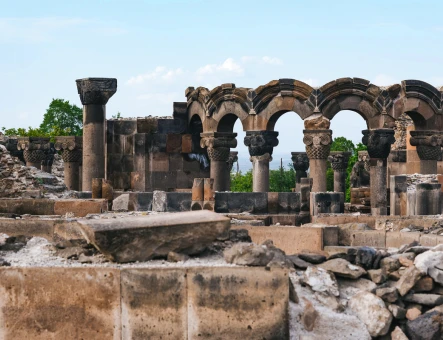
Its name means "Temple of the Vigilant Angels" – and even now, in ruins, it preserves the majesty of its age. Recognized as a UNESCO World Heritage Site, Zvartnots remains a place where stones whisper stories, and the imagination rebuilds a miracle lost to time.
5. Arch of Charents
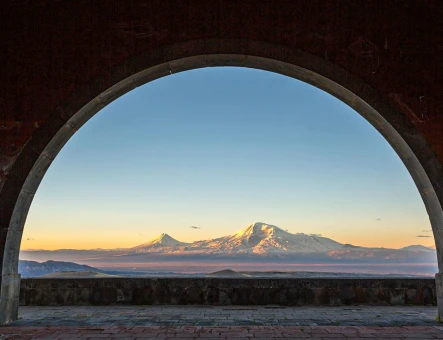
15-20 min
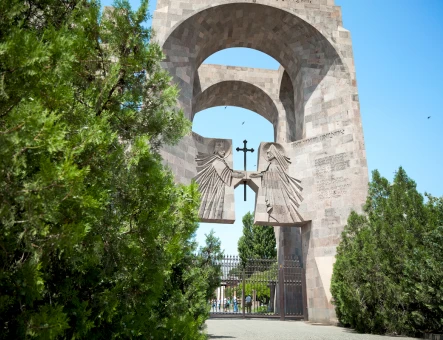
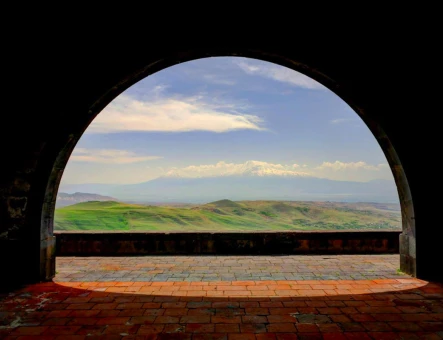
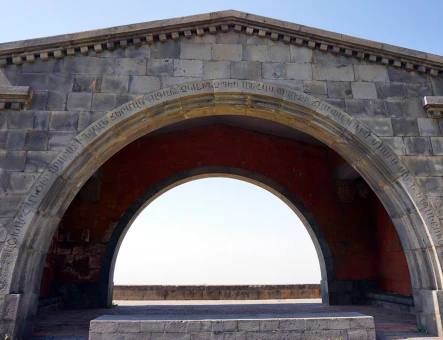
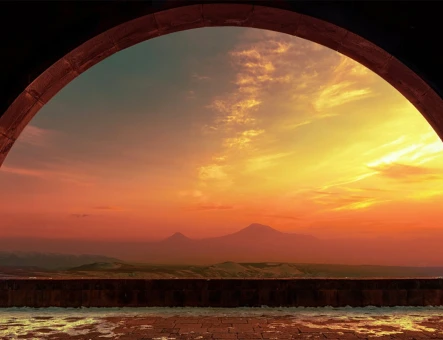
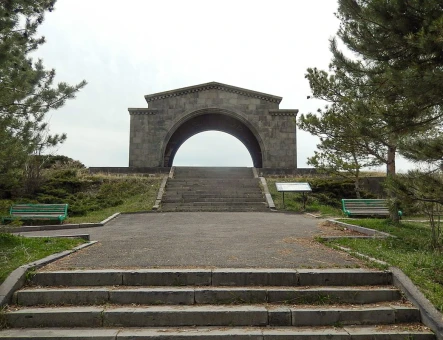
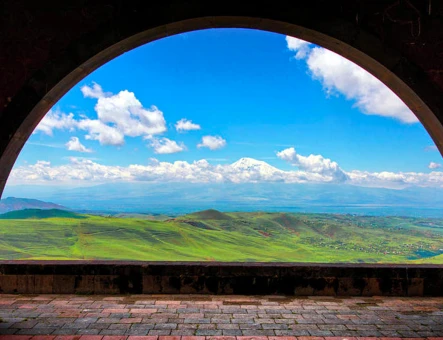
You can make here stunning pictures against the backdrop of the Arch and Mountain Ararat, only the weather should be clear.
6. Garni Temple
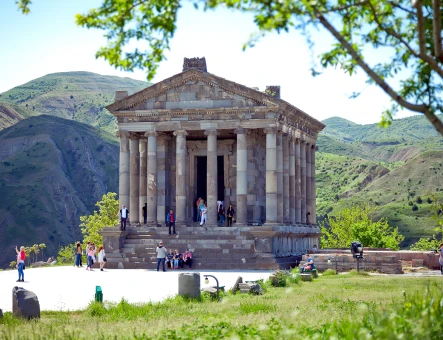
60-70 min
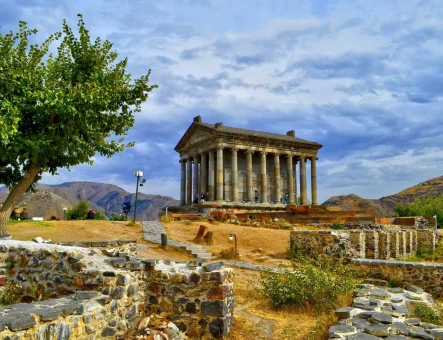
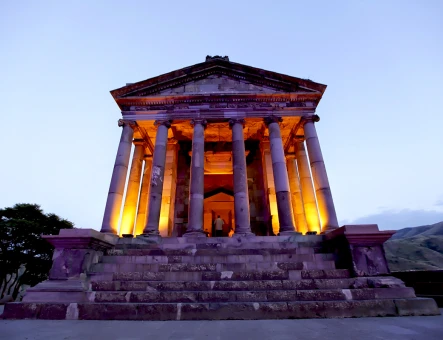
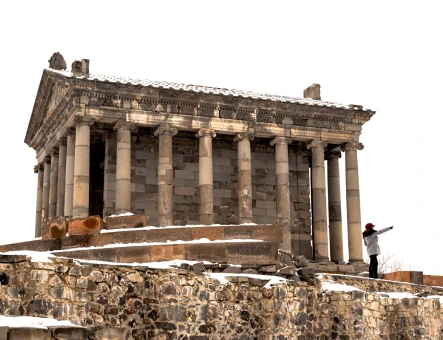
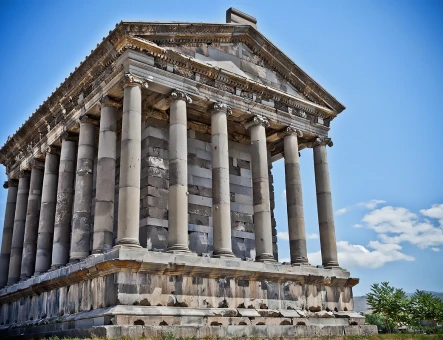
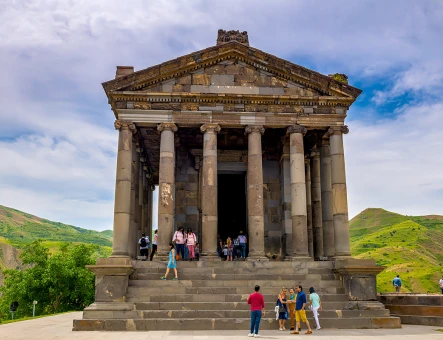
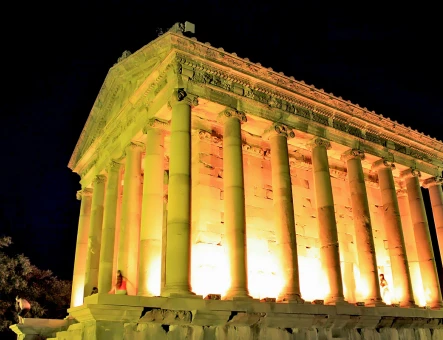
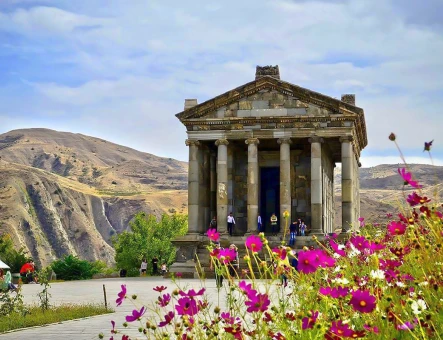
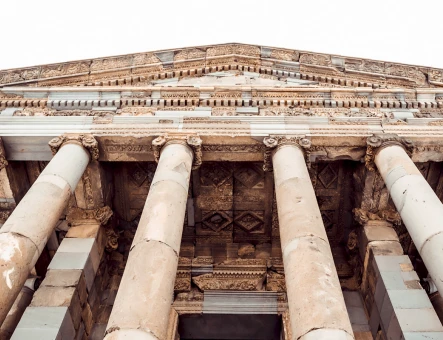
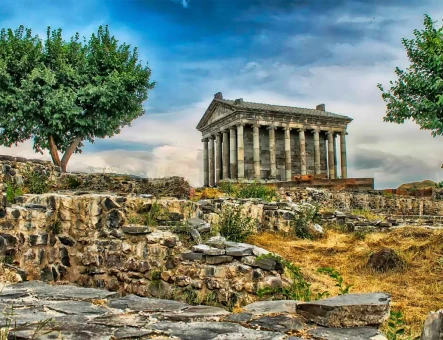
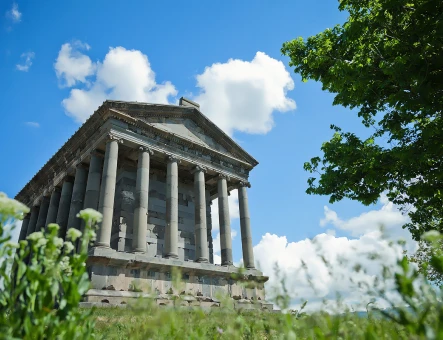
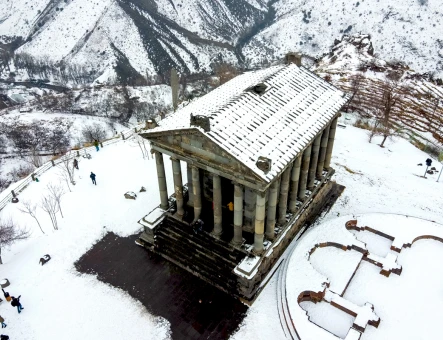
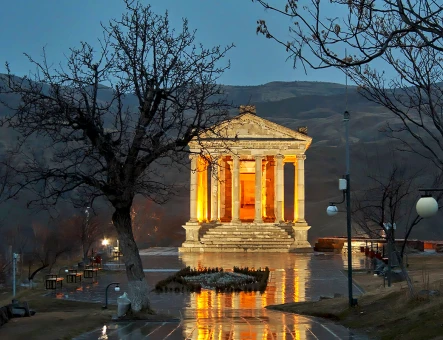
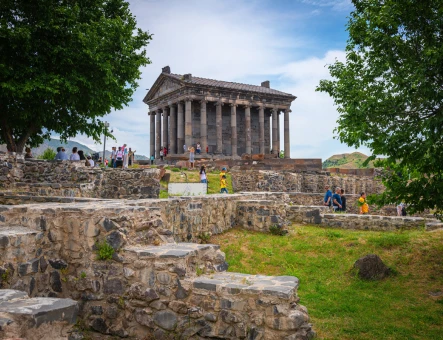
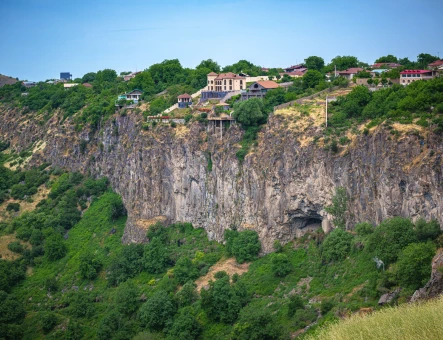
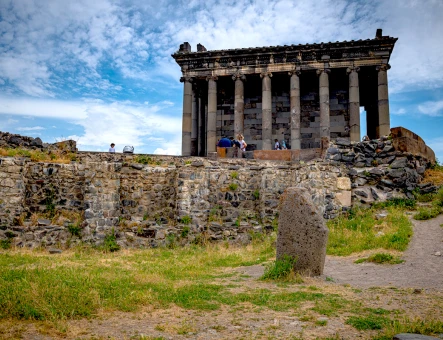
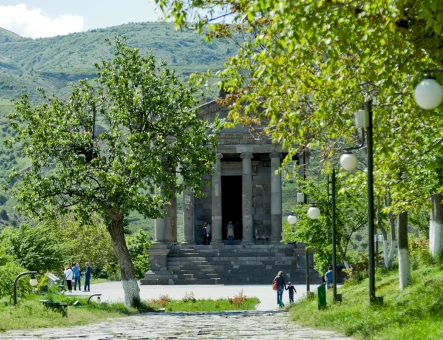
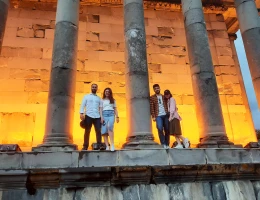
In the 1st century AD, King Tiridates I ordered a sanctuary to be built here, from which endless views of mountains and gorges unfolded, as if the Sun itself blessed these lands. When Christianity reached Armenia, the ancient rites fell silent, and Garni became a royal summer residence, where the echoes of prayers gave way to music, leisure, and inspiration.
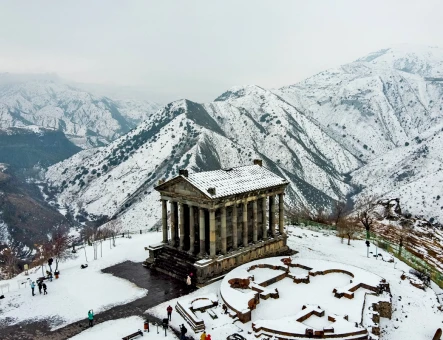
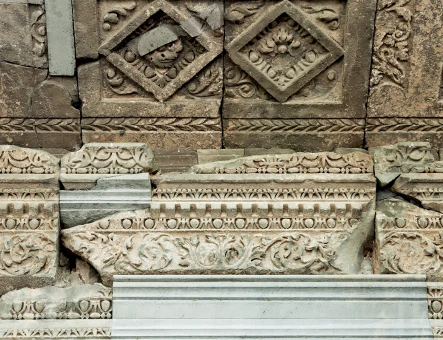
In 1679, the earth shook, and the temple collapsed into a pile of stones, as though history itself had closed a chapter. For nearly three centuries it slept in ruins, until the 20th‑century restoration returned Garni to its classical splendor.
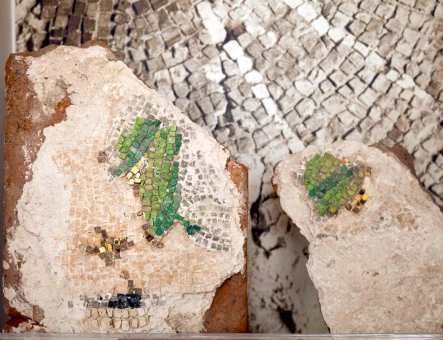
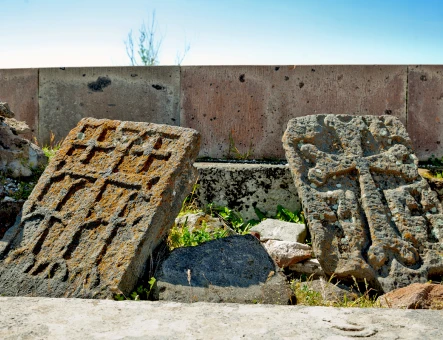
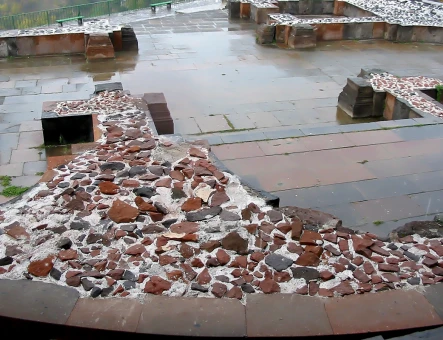
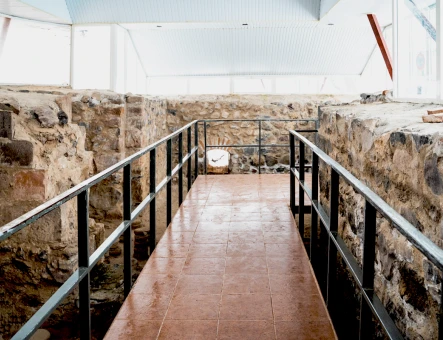
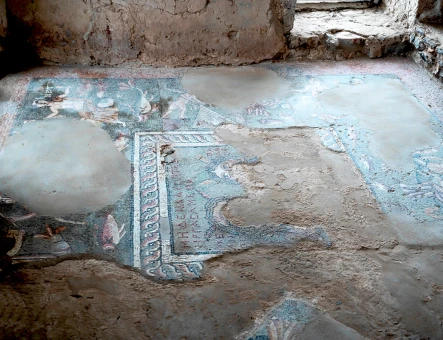
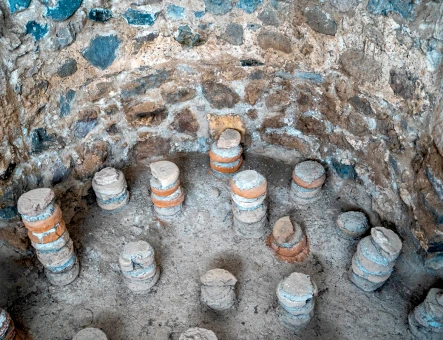
Today, visitors can see traces of the fortress and the royal palace, as well as the mosaics in the king's bathhouse one of which bears the enigmatic inscription: "We worked and got nothing." This suggests that the building and the masterpiece of art were a gift to the Armenian king. Today, once every four years, a fire is lit in the temple as a symbol of the Pan-Armenian Games that bring together in homeland Armenian youth from around the world.
Standing on the edge of the cliff, you may feel the wind carrying the echo of priestly hymns, the footsteps of kings, and the breath of ancient Armenia, where legend and history become one.
7. Geghard Monastery
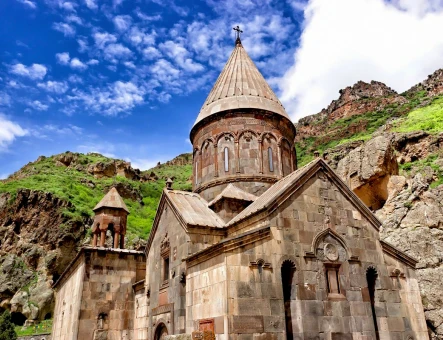
60-70 min
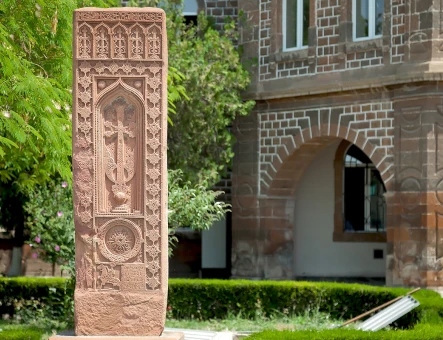
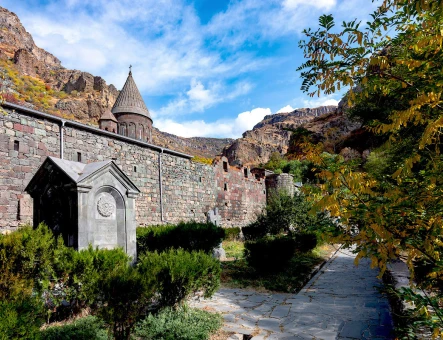
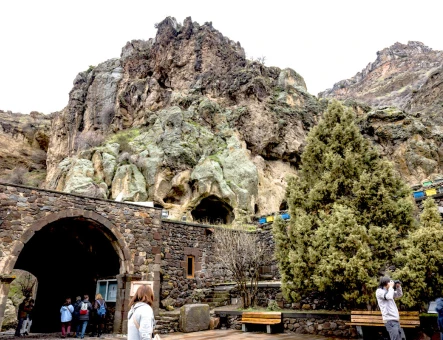
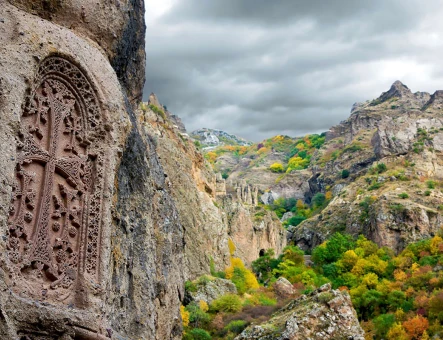
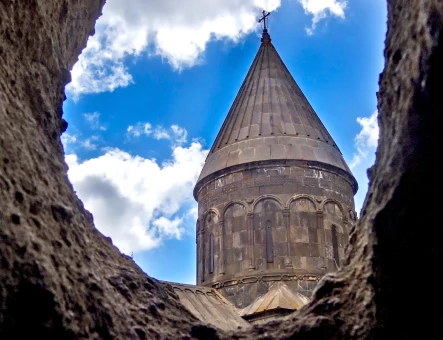
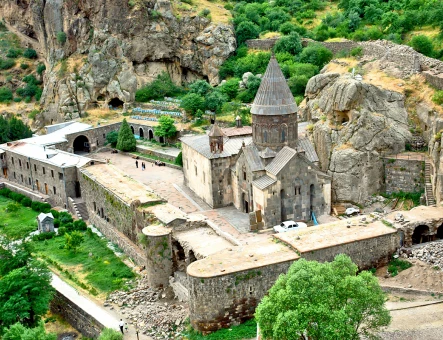
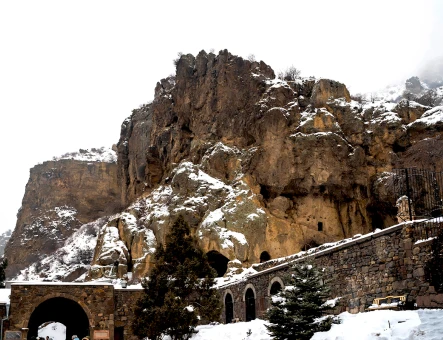
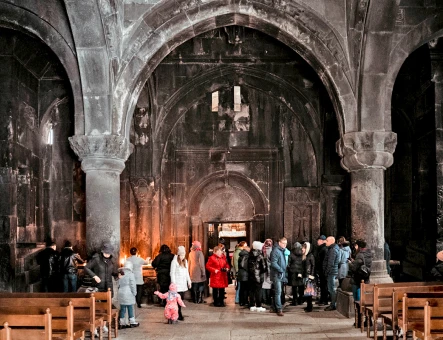
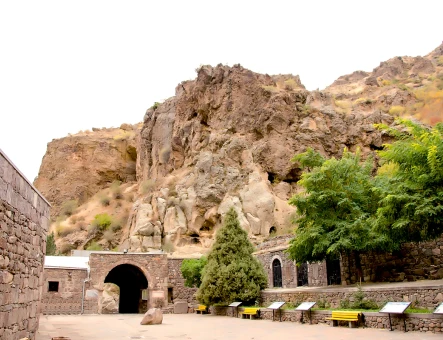
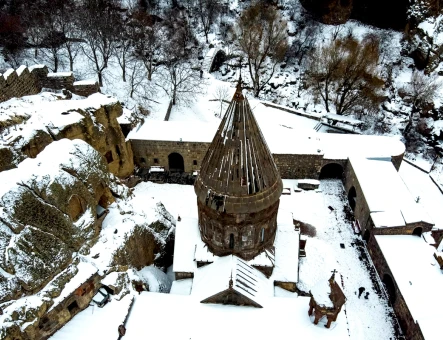
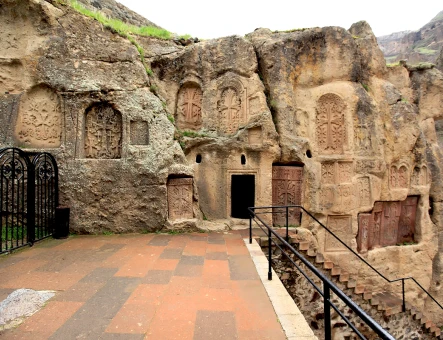
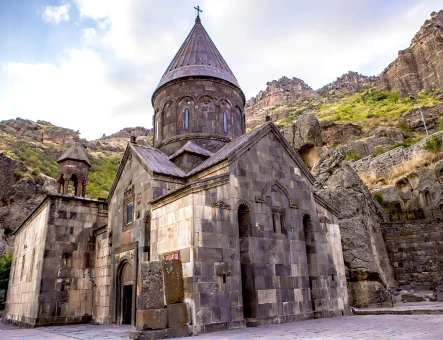
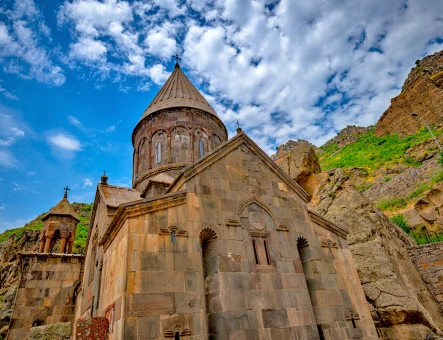
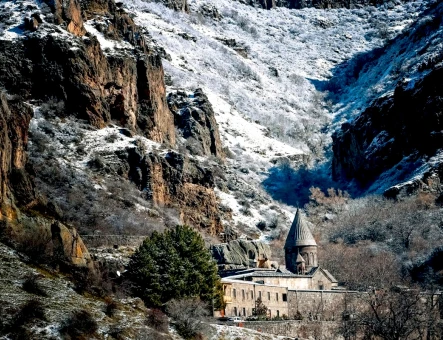
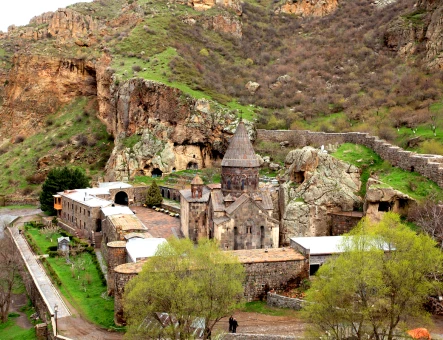
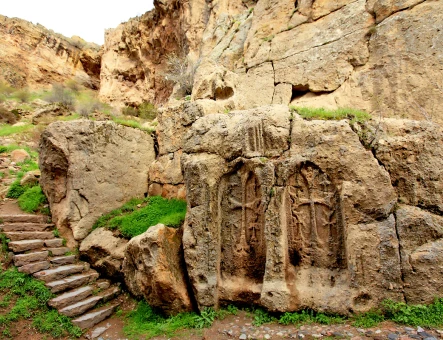
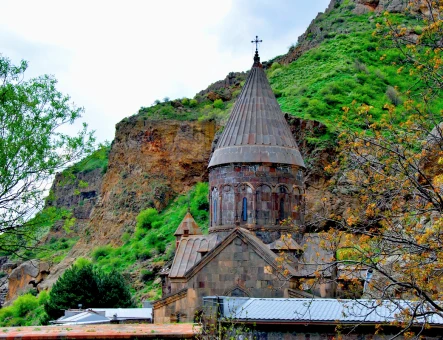
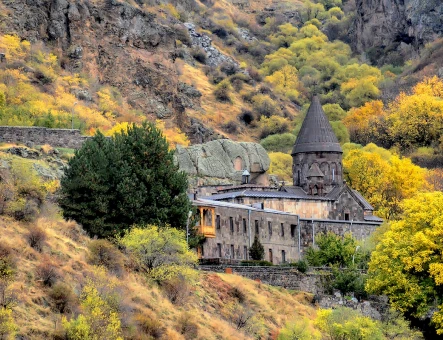
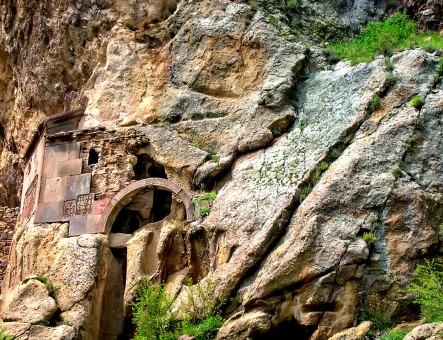
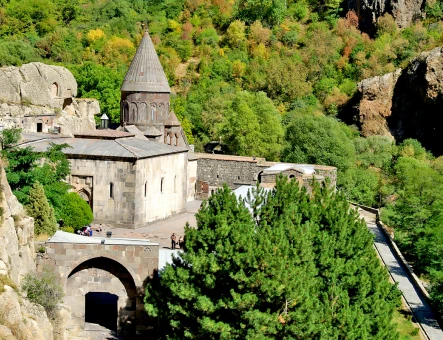
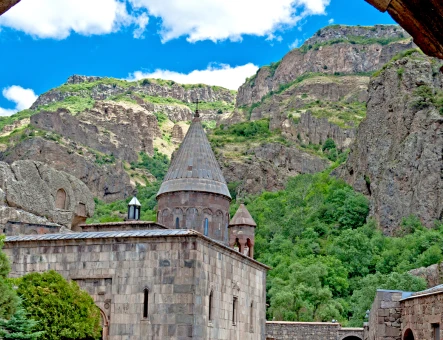
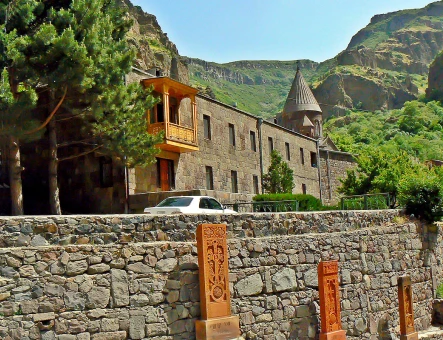
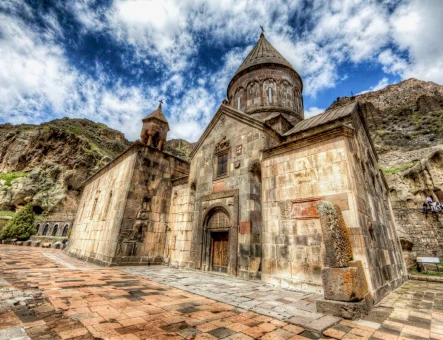
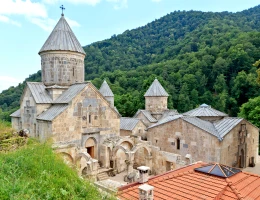
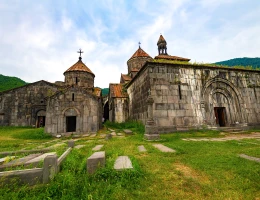
In the 12th-13th centuries, monks shaped a world unlike any other. They dug churches and cells straight into the mountainside, creating a hidden realm first known as Ayrivank, the "Cave Monastery". Later, the site took the name Geghard the "Spear" in honor of the sacred relic said to have pierced Christ's body.
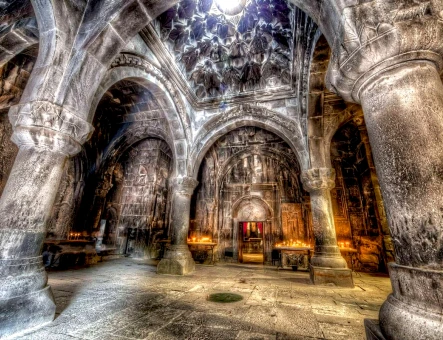
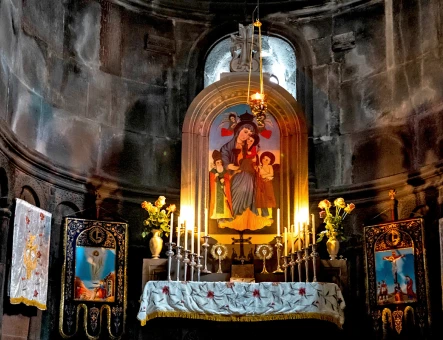
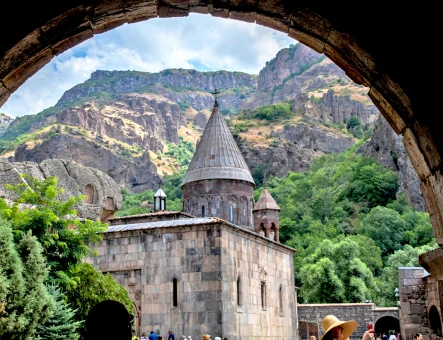
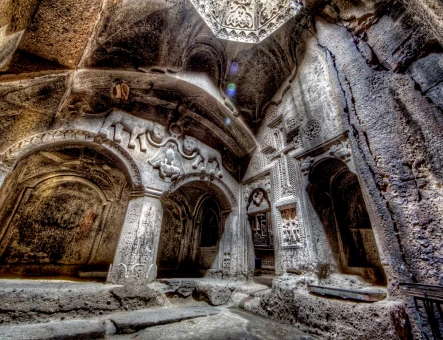
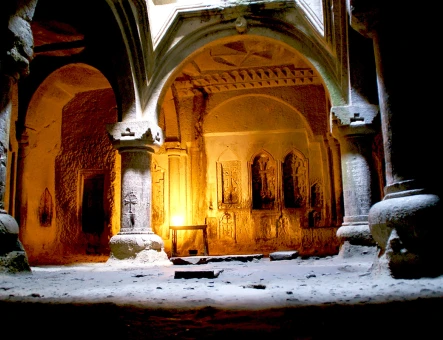
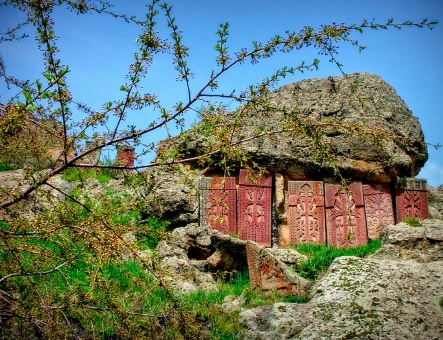
The ensemble is a dialogue between earth and heaven: the main Katoghike Church, its shadowed narthex, the secretive cave chapels, a small oratory, and the Church of the Holy Mother of God, the eldest of the stones. The cool halls cut into the heart of the mountain feel alive, keeping the breath of pilgrims who once arrived barefoot, whispering prayers into the darkness. Among the rock-cut monasteries and cells, medieval Armenian heraldry stands out, demonstrating the power of Armenian princely families, the charm of palace architecture, and dazzling weavings and ornaments long before the Renaissance.
Today, Geghard is not just a monument on the UNESCO World Heritage List it is a living miracle. Step through the rock‑hewn archways, and time bends. Shafts of light slip through narrow openings, turning the cavern walls to gold, and for a heartbeat, the earthly and the divine are one.
Inclusions
-
Professional drivers
-
Air-conditioned vehicles
-
Bottled water
-
Free pick-up & drop-off within Yerevan
-
Vehicle & passengers insurance
-
Extra stops on the route upon request
Exclusions
-
Significant deviations from the route
-
Alcoholic beverages if lunch option selected
-
Audio guides
-
Wi-Fi in the vehicles
What to expect
- Explore incredible UNESCO World Cultural Heritage sites
- See the very first Christian cathedral in the World
- Visit the 1st century pagan temple
- Discover the legends of St. Lance used by the roman soldier to sting Jesus Christ's side
Booking conditions
Cancellation & modification
Meet our Guides

Armine Julhakyan
Hello! I'm Armine, your guide in Armenia. With me, you'll discover not only the famous landmarks but also the hidden gems of my country.
Arpine Khalatyan
My name is Arpi. With experience in guiding since 2015, fluency in English and Russian, and a wealth of knowledge in history and culture, I offer engaging and informative tours during which you'll explore Armenia and feel the greatest vibes ever.
Davit Hasratyan
I'm Davit, a history teacher, amateur actor, and since 2010, a guide at "Hyur Service"! I love my country and strive to make every tour I conduct leave an unforgettable impression on our guests, making them want to come back again and again!
Karen Khachatryan
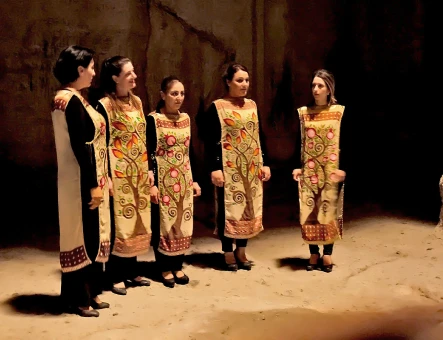
Dear friends, my name is Karen, and I am your guide through the amazing Armenia. My many years of experience allow me to conduct fascinating tours to the most popular and interesting places in the country. I bring history to life, sing psalms in ancient churches, and tell captivating legends, making your journey unforgettable. With me, you can expect a safe, informative, and vibrant trip!