


Armenian Carpets: History and Symbolism of Patterns
 02 Feb, 2026
 7-9 min
 1159 times
Rating: 4.8
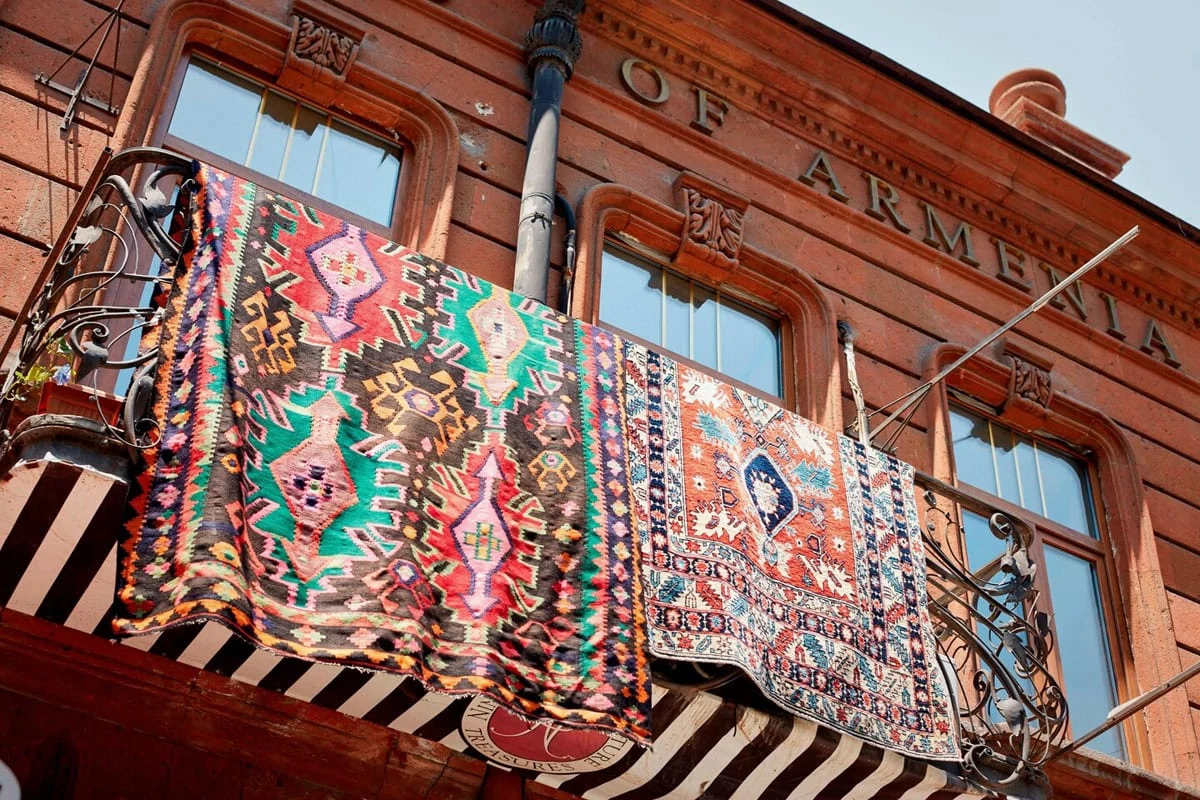
Carpet weaving in Armenia is a tradition that stretches back thousands of years. Each carpet is a canvas of colors and motifs, carrying the memory of families, regions and beliefs. Patterns that may look decorative to the casual eye often carry meaning, from wishes of prosperity to symbols of protection.
Exploring Armenian carpets opens a door into the cultural identity of the nation. They were once essential parts of homes, treasured dowries for brides and goods traded across empires. Today, travelers can still see these carpets in museums, monasteries and workshops, where the art of weaving continues.By following the path of Armenian carpets, we can uncover a tradition that is as much about history and faith as it is about art and beauty.
Early Roots
Armenia's connection to carpets reaches deep into antiquity. Excavations at archaeological sites have uncovered woven fragments dating back to the early centuries BC, showing that the region was already part of the great carpet-weaving traditions of the Near East. Medieval manuscripts and travelers' accounts mention Armenian carpets as valuable trade items carried along the Silk Road.These carpets were prized not only for their durability but also for their artistry. Natural dyes from plants, roots and minerals gave the wool vibrant shades that have endured for centuries. Red, indigo and earthy tones, each with symbolic associations, became characteristic – red for life and energy, blue for protection, green for renewal.
Did you know?
The world's oldest known knotted carpet, the Pazyryk Carpet (5th-4th century BC), is widely believed to have been woven in the Armenian Highlands. It uses the distinctive "Armenian knot" still employed by weavers today. Its imagery of horses and deer reflects motifs common in ancient Armenian art, linking the craft directly to the region's earliest traditions.
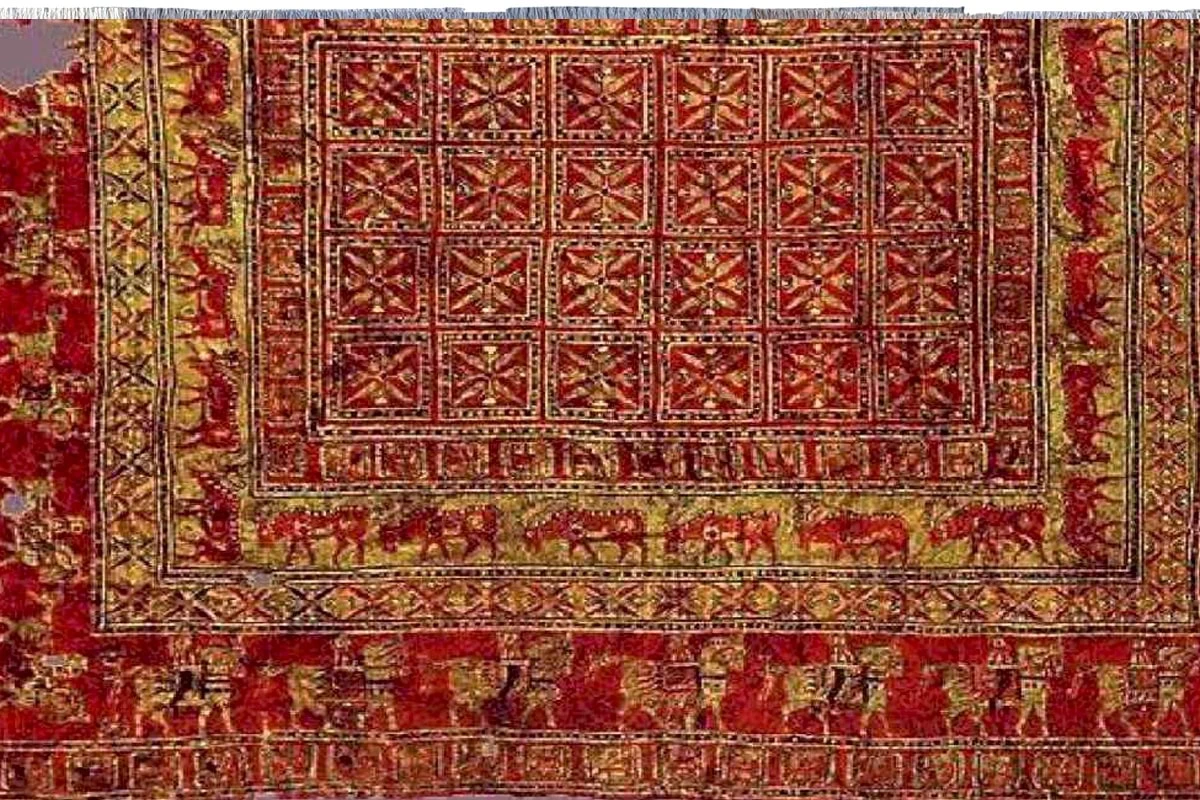
The ancient Pazyryk carpet – preserved in the Hermitage Museum
Making Carpets
Carpets were woven by hand on vertical looms, usually set up inside homes. Wool was the primary material, shorn in spring and dyed with plants, roots and minerals found in the surrounding landscape. Each family had its own recipes for shades of red, blue and gold and dyeing was often a communal task before weaving began.
Weaving itself demanded patience. Women, sometimes joined by children, tied knot after knot, gradually building up the design. A large carpet could take months or even years and the result was meant to last for generations. Every piece carried not only patterns but also the memory of the hands that created it.
Travel Tip: In some weaving workshops today, such as the Megerian Carpet factory-museum, travelers can see the traditional dyeing process and even try tying a knot on the loom themselves.
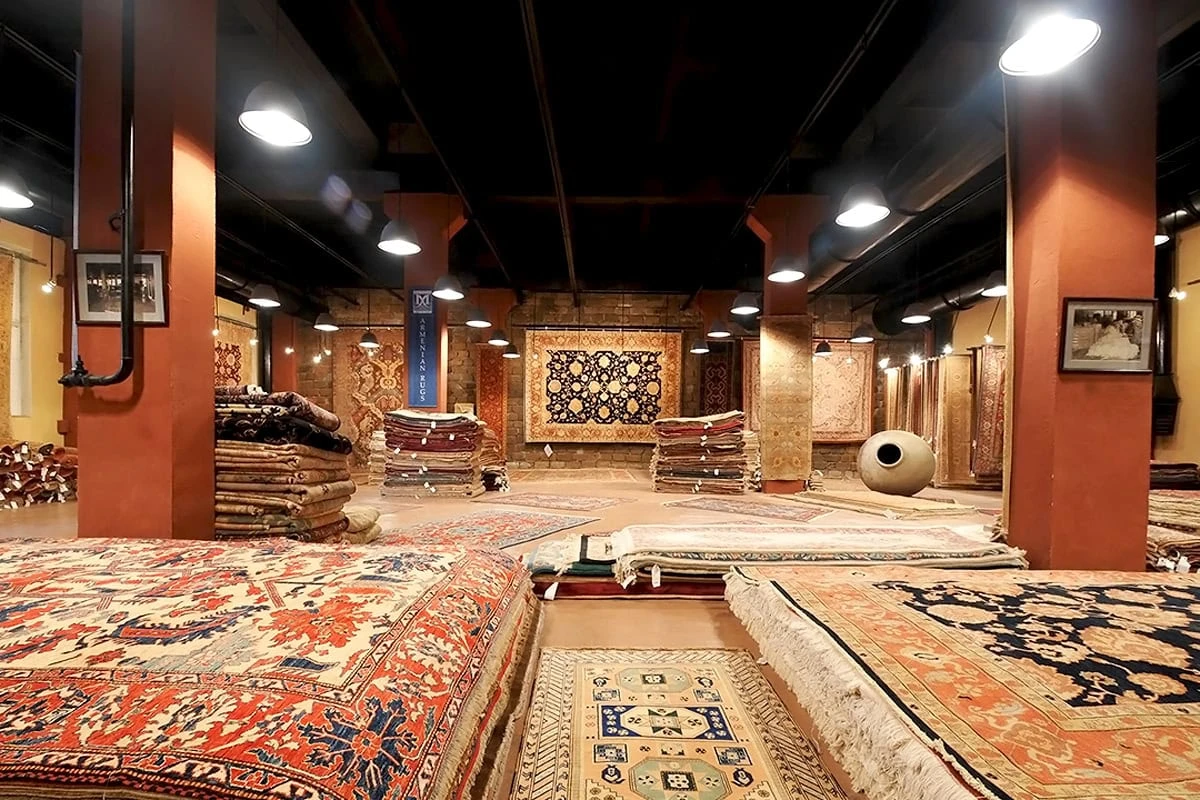
Megerian Carpet factory-museum
Everyday Use
Carpets played many roles in Armenian households. They insulated stone walls, covered tables and beds and were laid on floors during gatherings. Some were kept for prayer, while others were displayed in living rooms as a mark of pride. In rural areas, families often wove their own carpets, while city markets offered pieces from across the region.
Even during the Soviet period, when large factories produced carpets on an industrial scale, many households continued weaving by hand, which preserved older methods and family traditions at a time when mass production threatened to erase them.
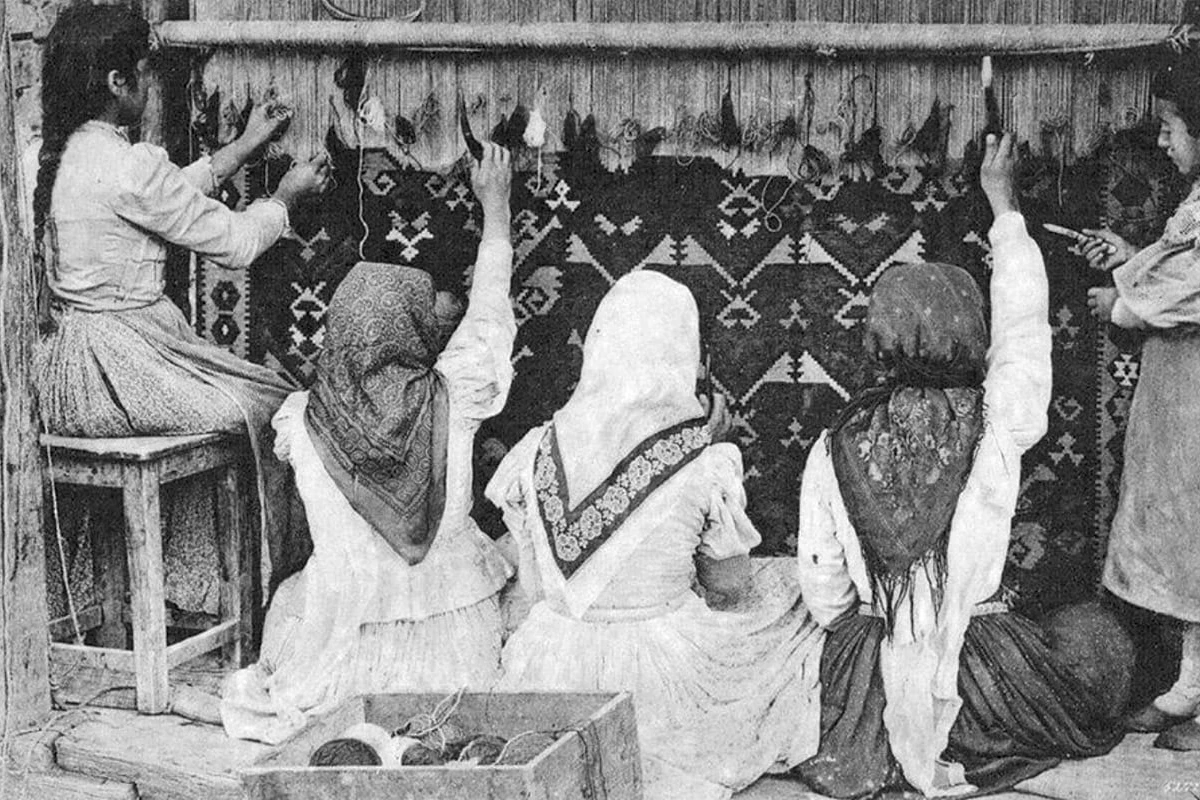
Women Weaving a Handcrafted Rug
Regional Styles
Different parts of Armenia developed their own characteristic styles. Artsakh (Nagorno-Karabagh) was famous for bold geometric medallions, while Syunik often featured animals such as rams or eagles, believed to protect the household. Carpets from the Ararat Valley favored repeating diamonds, a pattern tied to ideas of eternity and unity.These regional differences made carpets as identifiable as dialects. In the marketplace, an experienced eye could trace a piece back to its origin simply by studying its shapes and shades.
Travel Tip: To see this variety under one roof, visit the History Museum of Armenia, which houses carpets alongside other folk art traditions.
Did you know?
By the Middle Ages, Armenian carpets were already world-renowned. Marco Polo described them as "the most beautiful in the world" and examples from Artsakh and Syunik became highly valued trade goods across Europe and Asia.
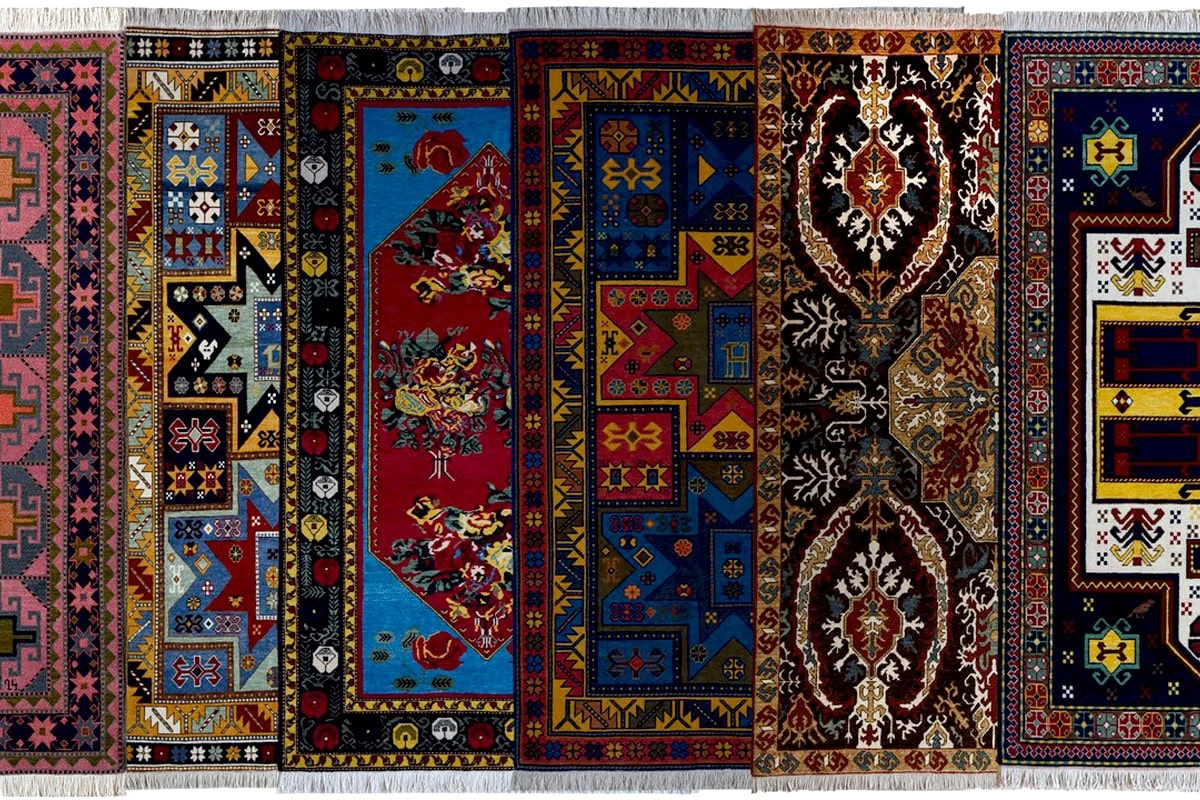
Artsakh Carpets – A Gallery of Traditional Patterns
Symbolic Motifs
Armenian carpets are filled with symbolism, with each motif carrying a meaning understood by generations of weavers.
Designs were rarely random. They blended protective signs, blessings and wishes for prosperity into complex compositions. In this way, a carpet could embody both the values of a community and the story of a family, preserved in wool and color.
Did you know?
Dragons and eagles were symbols of strength and guardianship, cross motifs – Christian faith, stars and diamonds – eternity, harmony and balance, ram's horns – prosperity and fertility and water and wave patterns – life and continuity.
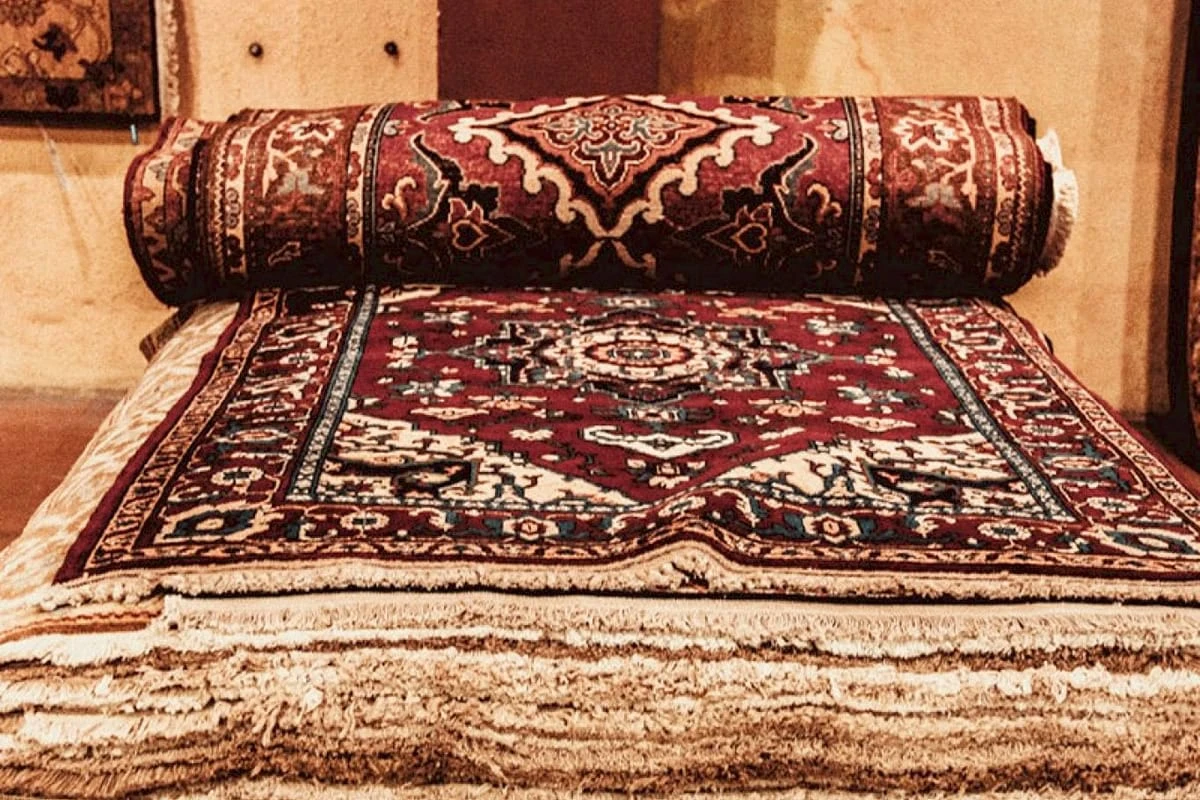
Symbolic Motifs – A Handwoven Armenian Carpet
Icon carpets
Carpets were not limited to homes. Churches and monasteries often used them to warm cold stone floors or mark sacred spaces. Donating a carpet to a church was considered a pious act and many historical examples of carpets have survived in religious collections.The designs in these settings often blended folk motifs with Christian imagery, reminding worshippers of both faith and heritage. Preserved examples in monasteries and museums show how carpets linked domestic craft to spiritual devotion.
Travel Tip: At Etchmiadzin Mother Cathedral, Armenia's spiritual center, donated carpets are displayed among the church's treasures.
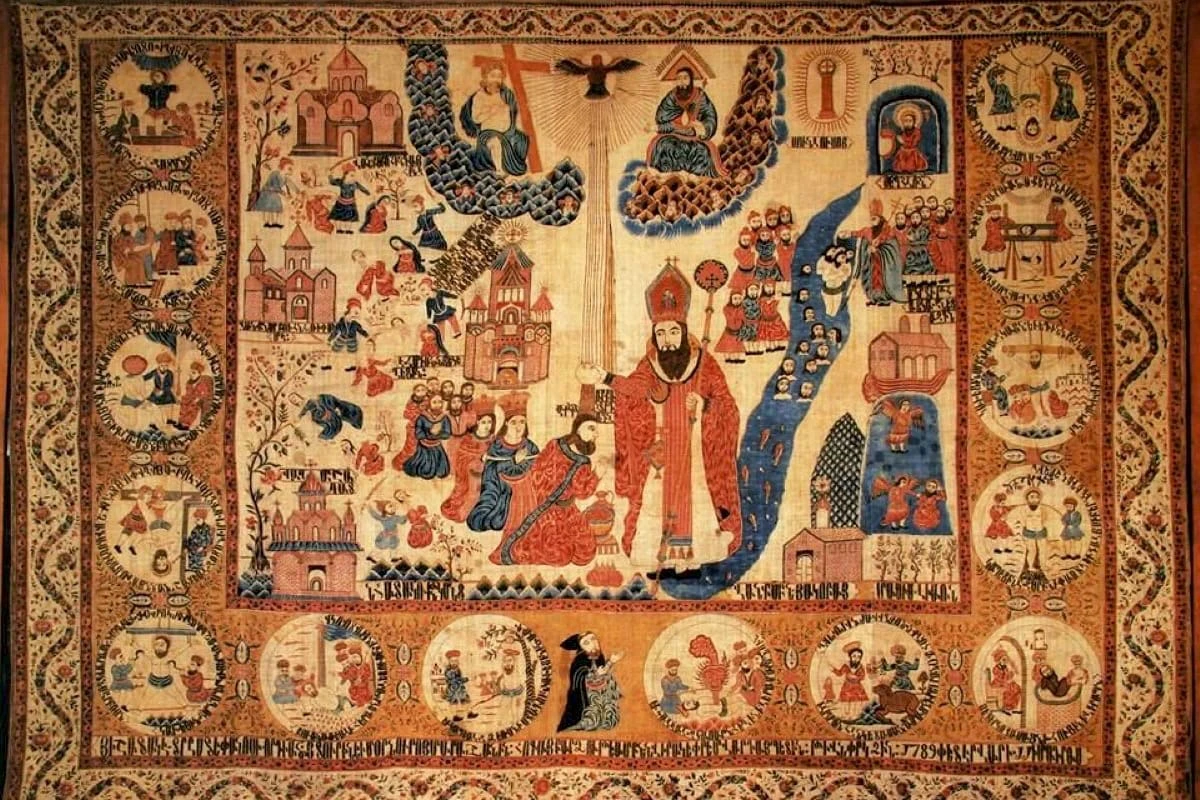
Sacred Storytelling – An Armenian Narrative Carpet
Weaving Today
Despite industrialization and modernization, Armenian carpet weaving remains alive. Workshops in Yerevan and other regions continue to produce handwoven pieces, often using traditional dyes and patterns. Some revive historic designs, while others adapt them into contemporary styles.
For families, weaving is still a way of preserving heritage and teaching younger generations. For visitors, it is a chance to experience an art form that has survived centuries of change and continues to evolve.
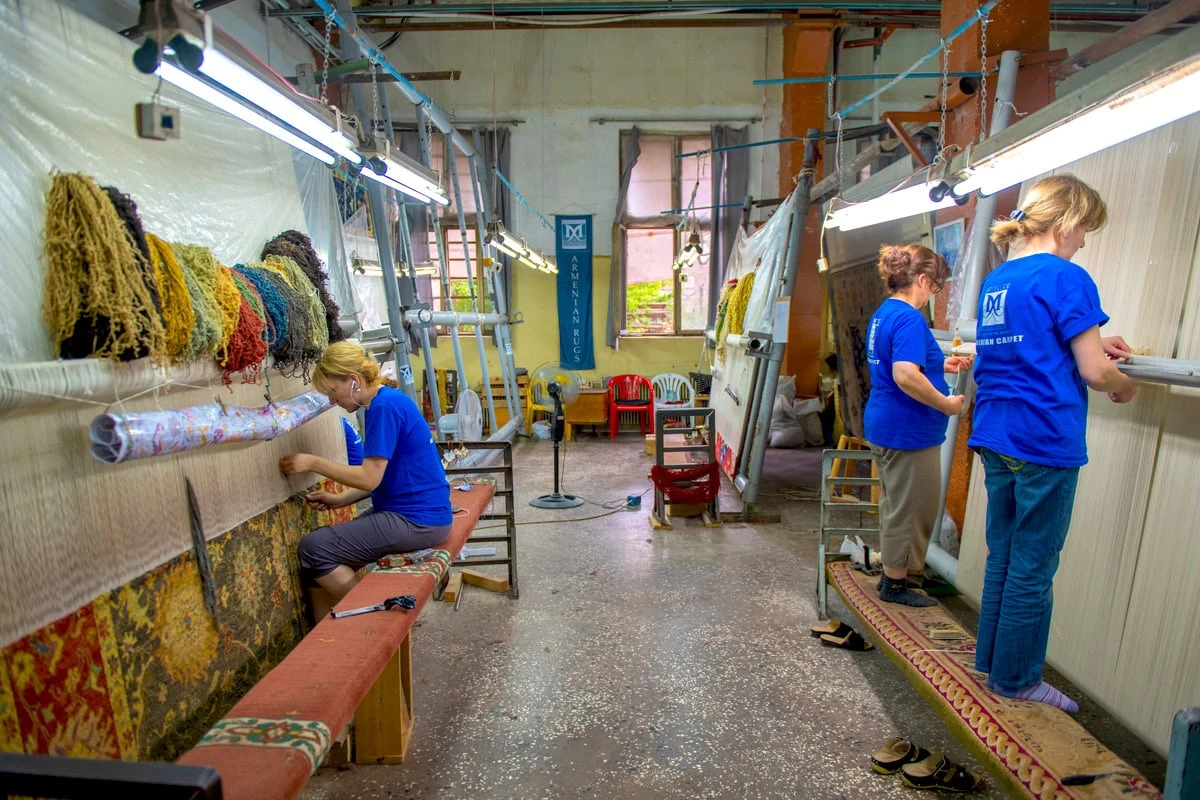
Weaving Today – Inside a Modern Armenian Carpet Factory

Related services

-
 26 Feb, 2026
11-13 min
1529 times
26 Feb, 2026
11-13 min
1529 times
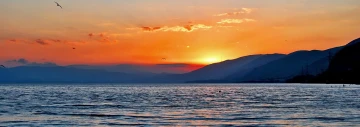
Lake Sevan: the pearl of Armenia – a complete recreation guide
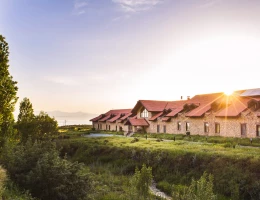
Sevan is often called the Armenian sea, and this is not just a beautiful metaphor. The huge high-altitude lake occupies almost one fifth of the country's territory and is so vast that on its shores it is easy to forget that you are not by the sea. There is special air here, constantly changing water colors, and a sense of openness that you do not expect in the mountains. In summer people come here to swim and sunbathe, in autumn to walk along the shore and watch the sky reflected in the water, and in winter the lake turns into a picture painted by ice and wind. This guidebook brings together all the answers: how to get there, where to stay, what to taste, and which routes to choose so that a vacation at Lake Sevan will be remembered for a long time. Nature & Adventures Family & Wellness Getaways -
 13 Mar, 2026
5-6 min
627 times
13 Mar, 2026
5-6 min
627 times
The best hotels in Armenia 2026: a complete guide to luxury holidays from Yerevan to the mountain resorts
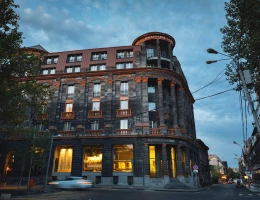
Armenia is gradually becoming part of the global premium tourism map. Just ten years ago there were only a few international-level hotels here, and today the country is confidently competing with European resorts. And it does so in its own way: here, luxury is never separated from culture and nature. In this guide, we have gathered the best hotels in Armenia for 2026 – from Yerevan's urban palaces to mountain eco-retreats. Family & Wellness Getaways -
 10 Apr, 2026
13-15 min
1078 times
10 Apr, 2026
13-15 min
1078 times
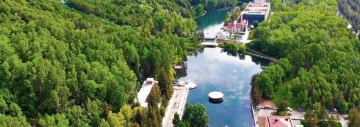
Jermuk, Armenia: A First-Timer's Spa & Wellness Vacation Guide
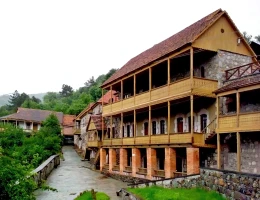
Feeling overwhelmed by the endless hum of daily life? Are you stressed, drained, and longing for a true escape? What if you could journey to a place where the air is crisp, the mountains stand guard, and the very water that flows from the earth is designed to heal you? Nature & Adventures Where to go in Armenia
Armenia
-

Travel Guide
Planning a trip to Armenia? At Hyur Service, we believe every traveler arrives as a guest and leaves as a friend. To help you navigate your adventure with ease, we've gathered the most essential tips, local secrets and practical answers to the questions travelers ask most often – from visas, safety and transportation to food, culture, costs and the best places to visit. For specific details on how to book our tours, payment methods and reservation policies, please visit our Frequently Asked Questions (FAQ) page. Whether you are searching for the perfect view of Mount Ararat, wondering where to find the best local khorovats, or simply want to know what to expect before you arrive, this guide is designed to help you plan with confidence and explore Armenia like a local. -
Attractions & Activities
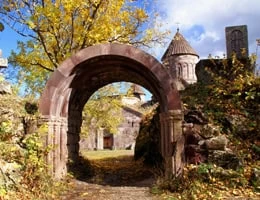
Explore the best places to visit in Armenia with one guide to the country's top attractions and activities. From Yerevan sightseeing, Garni Temple, Geghard Monastery, Lake Sevan and Tatev Monastery to waterfalls, mountains, museums, wine experiences and UNESCO-listed sites, this page helps you discover both must-see landmarks and lesser-known gems across Armenia. Use the filters to browse by region, category, distance from Yerevan, popularity and admission fee, then check opening hours, ticket prices and map location to plan your trip and build your itinerary with ease. -
Restaurants & Clubs
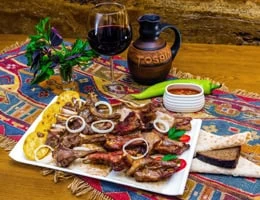
Discover the best restaurants, bars and clubs in Armenia in one guide to the country's top dining and nightlife venues. From traditional Armenian cuisine and cozy restaurants in Yerevan to wine houses, cafes, beerhouses and stylish spots across the regions, this page helps you find where to eat, drink and enjoy a memorable night out in Armenia. Use the filters to browse venues by region, type, cuisine and amenities, then check working hours, address and map location to plan your culinary experience with ease. -
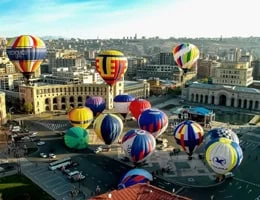
Festivals & Holidays
Festivals, holidays and cultural events are among the best ways to experience Armenia's traditions, food and local spirit throughout the year. From "Yerevan Wine Days", Yerevan Color Festival and music events to berry festivals, harvest celebrations and other local traditions, this page helps you find the most interesting festivals and events across Armenia and choose the best time for your visit. Browse by date and check practical details such as location, event date, start time and participation fee to plan your trip with ease.