Private tour: Epic journey through Armenia in 2 days

Admin's choice

Khor Virap Monastery, Hin Areni wine factory (tour and tasting), Noravank Monastery, Tatev Monastery, Wings of Tatev Ropeway, Goris

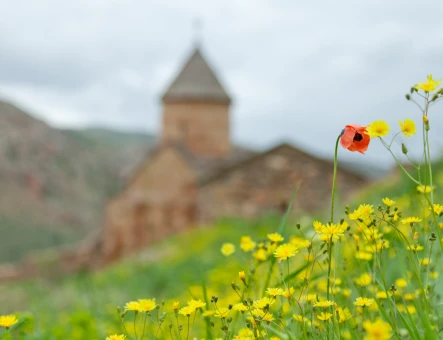
1. Khor Virap Monastery
50-60 min
Attraction page
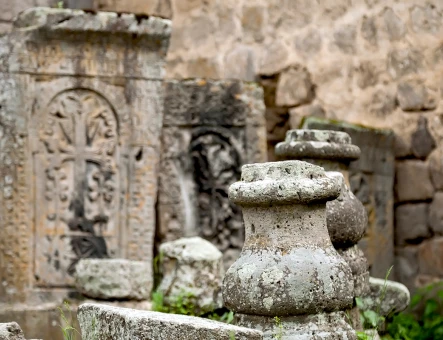
Khor Virap Monastery Khor Virap Monastery Khor Virap Monastery Khor Virap Monastery Khor Virap Monastery Khor Virap Monastery Khor Virap Monastery Khor Virap Monastery Khor Virap Monastery Khor Virap Monastery Khor Virap Monastery Khor Virap Monastery Khor Virap Monastery Khor Virap Monastery Khor Virap Monastery Khor Virap Monastery Khor Virap Monastery Khor Virap Monastery Khor Virap Monastery Khor Virap Monastery Khor Virap Monastery Khor Virap Monastery Khor Virap Monastery Khor Virap Monastery
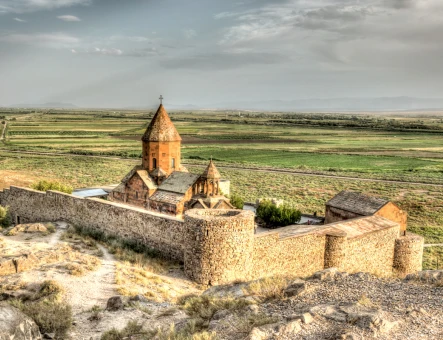
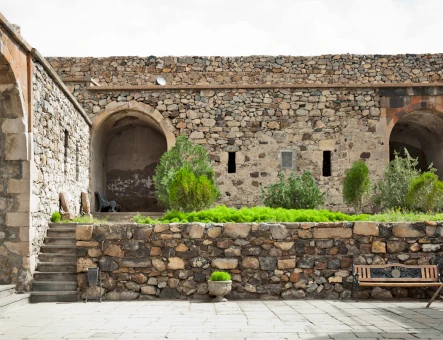
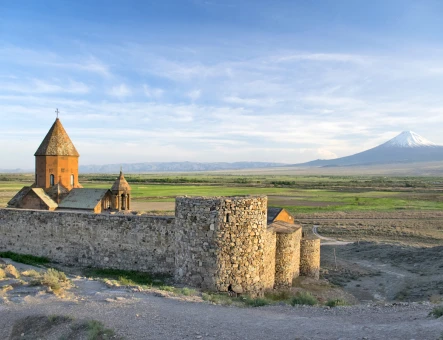
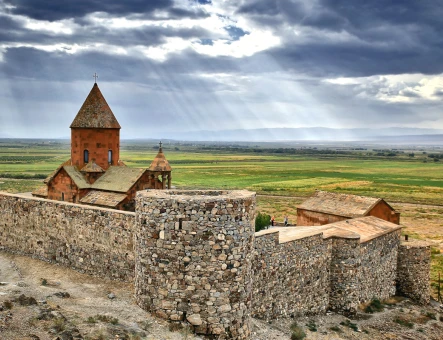
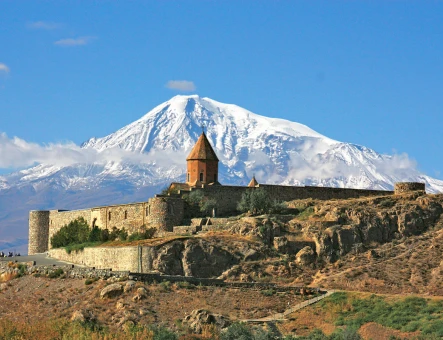
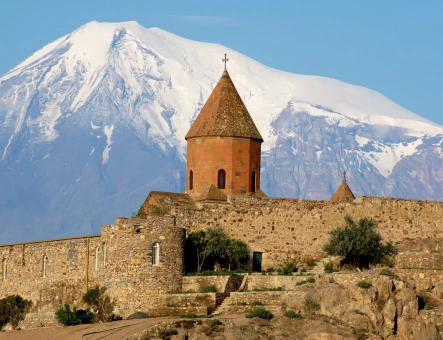
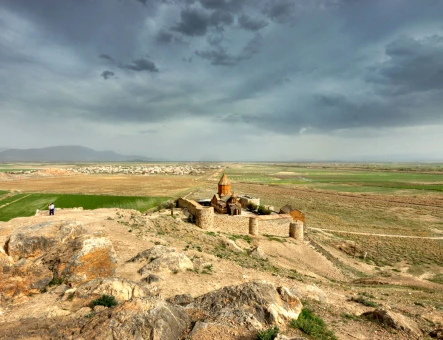
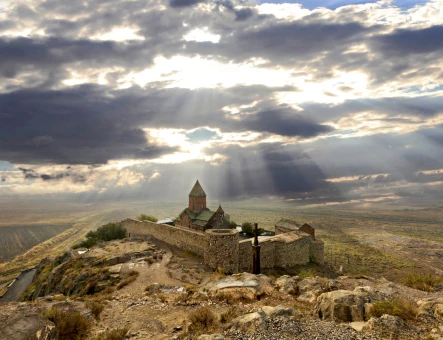
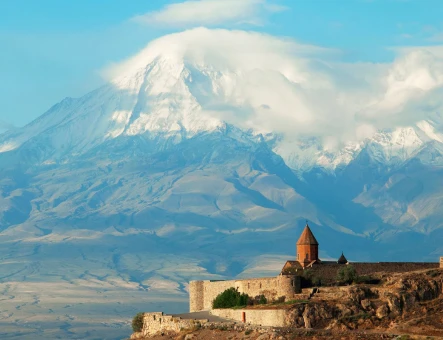
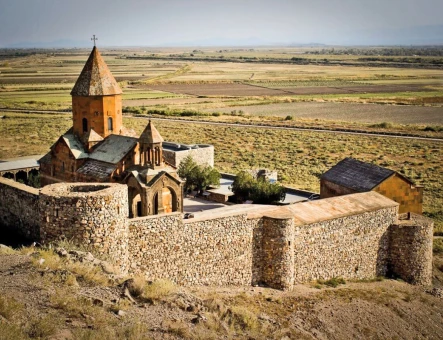
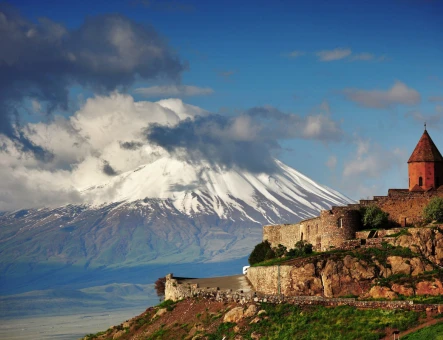
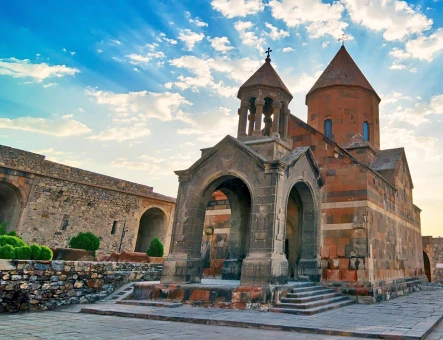
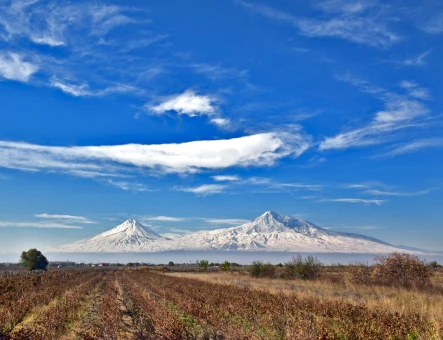
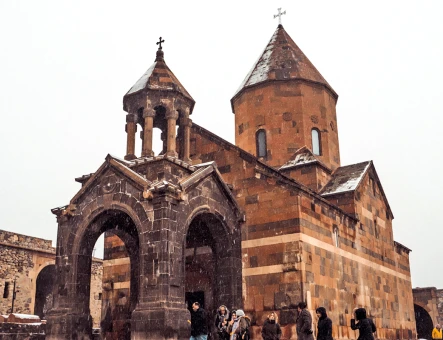
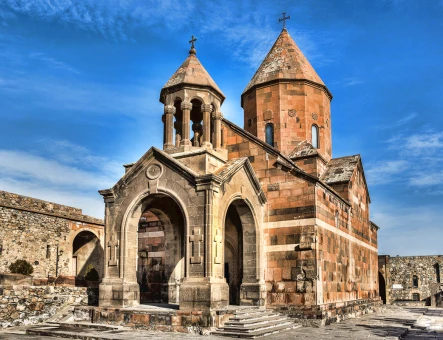
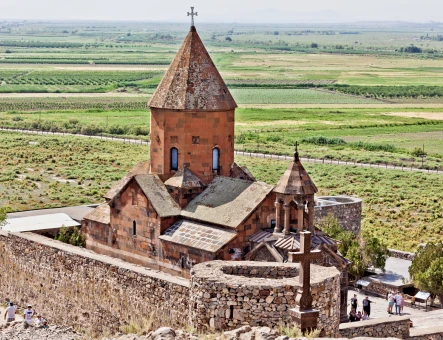
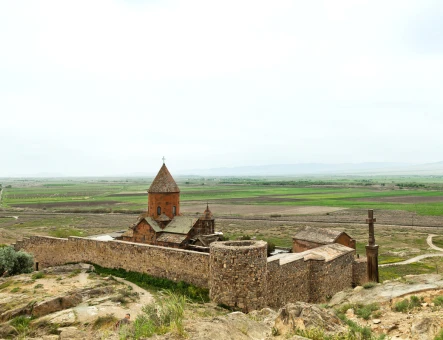
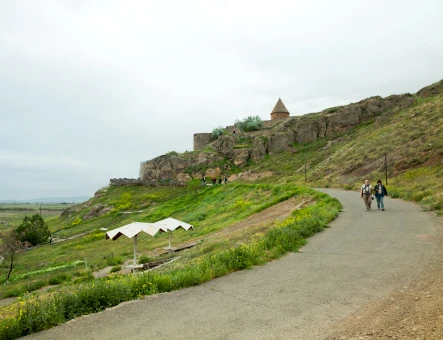
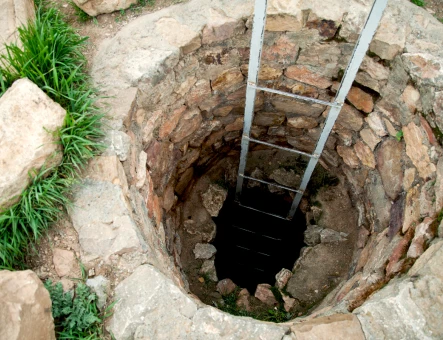
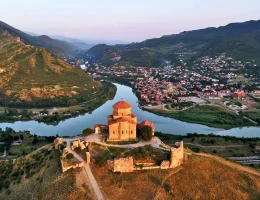
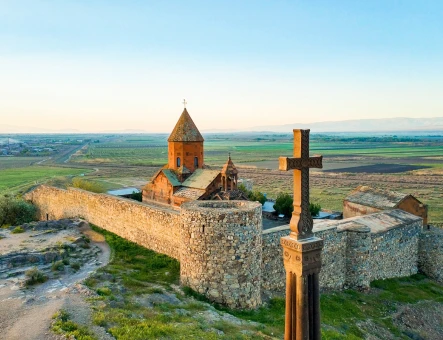
In the wide embrace of the Ararat Valley, where the air shimmers beneath the watchful gaze of a snow-crowned giant, stands Khor Virap – a shrine where legend, faith and the heartbeat of Armenia merge into one. Here, so the story goes, a deep and silent pit held Gregory the Illuminator, condemned by King Tiridates III for daring to preach a new light to his people. Years slipped by in darkness, yet within those stone walls a miracle unfolded: Gregory's hands healed the very king who had ordered his chains. Struck by grace, Tiridates raised the banner of Christianity, making Armenia the first nation to embrace it as a state faith.

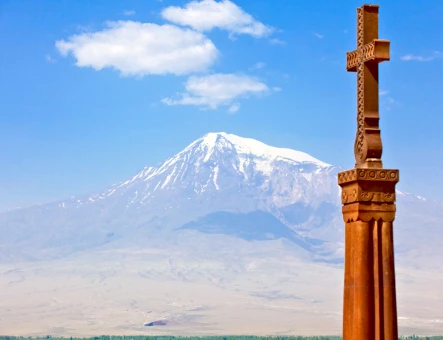
Today, visitors can descend into the same narrow cell, breathing the cool air that still carries the weight of unending prayers. From this hill, Mount Ararat rises so close it feels within reach – its slopes bathed in gold at dawn, then clothed in crimson fire as the sun sinks beyond the horizon. Khor Virap remains a place where time pauses, where the whisper of history lingers in the wind and where the sight of Ararat awakens something eternal within the soul.

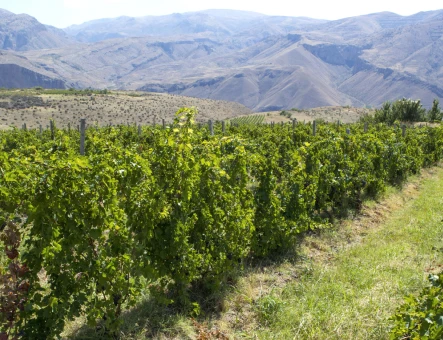
There is a story that Noah landed his ark on the slopes of Masis and planted a grapevine there. In August, when the snow on Mount Sis melts, the grapes give their first harvest in honor of the victory of the patriarch Hayk, which begins the New Year of the Armenian pagan calendar and now it is celebrated as the grape blessing. In October, when the snow covers the slopes of Sis with its sheet, Armenians make a "machar" (young wine) to mark the time for making wine and thus begins the wine festival.

2. Hin Areni wine factory

30-40 min
Attraction page
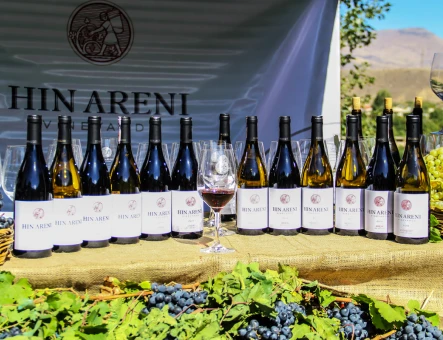
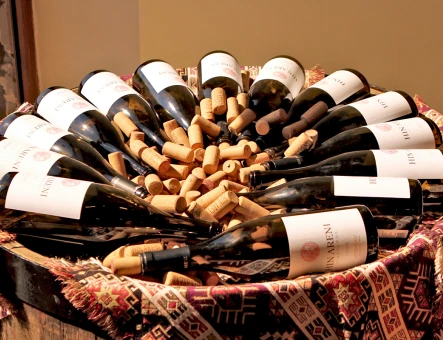
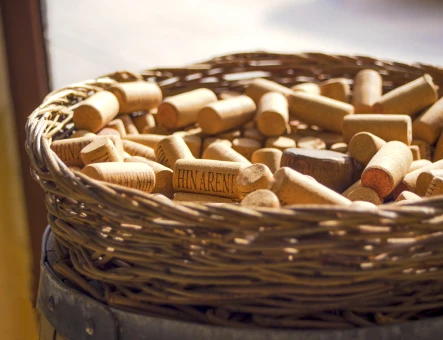
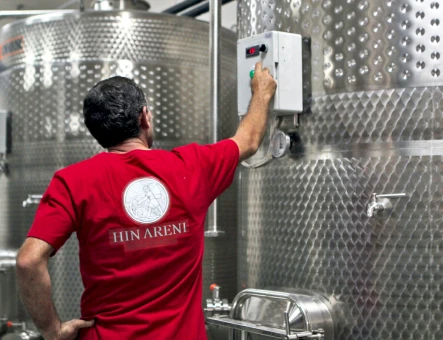
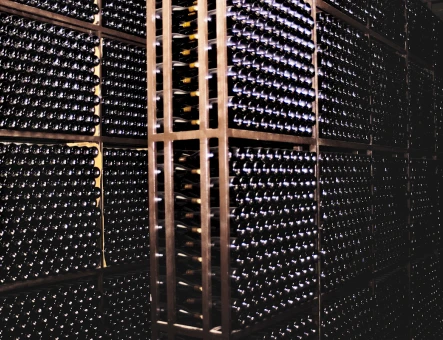
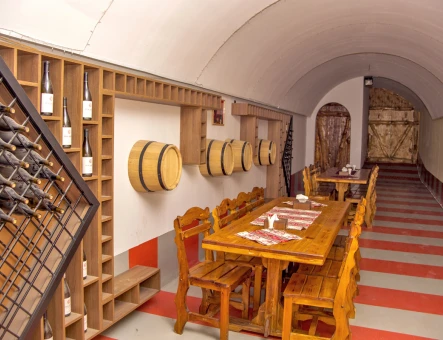
Hin Areni wine factory Hin Areni wine factory Hin Areni wine factory Hin Areni wine factory Hin Areni wine factory Hin Areni wine factory Hin Areni wine factory Hin Areni wine factory Hin Areni wine factory Hin Areni wine factory Hin Areni wine factory Hin Areni wine factory Hin Areni wine factory Hin Areni wine factory Hin Areni wine factory Hin Areni wine factory Hin Areni wine factory Hin Areni wine factory Hin Areni wine factory Hin Areni wine factory Hin Areni wine factory Hin Areni wine factory Hin Areni wine factory
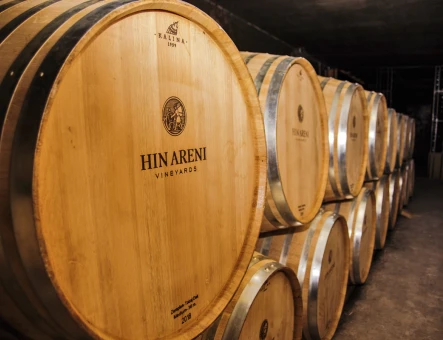
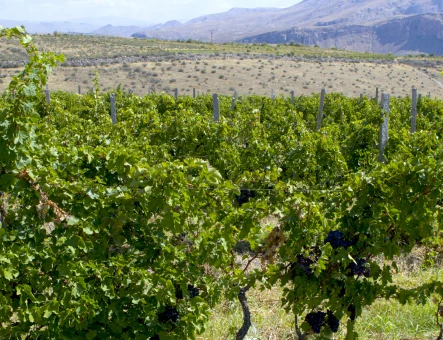
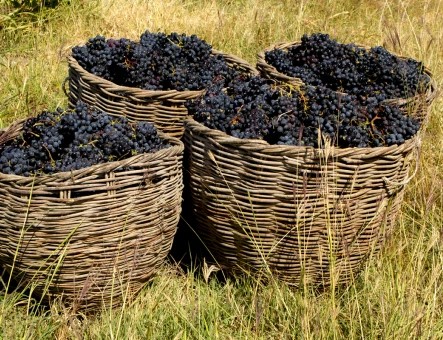
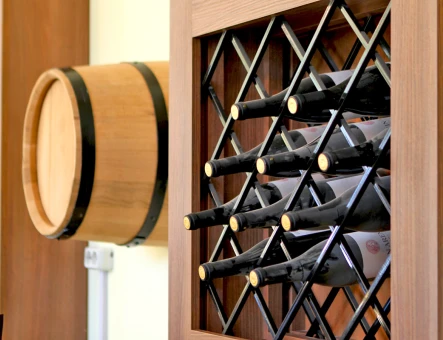
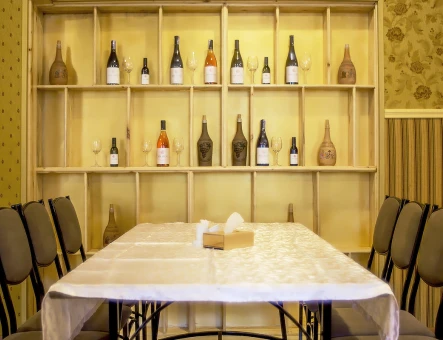
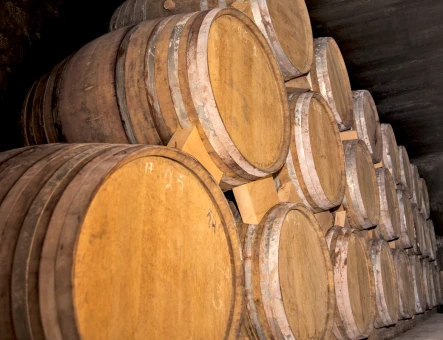
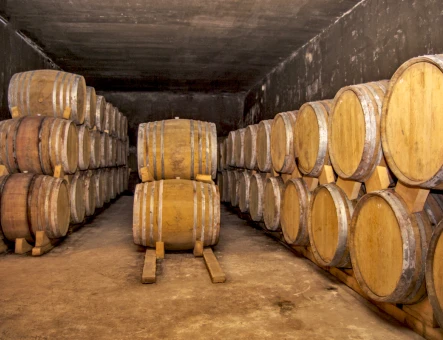
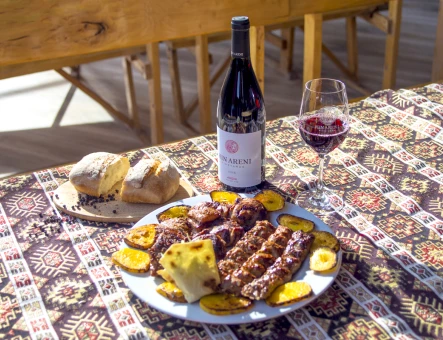
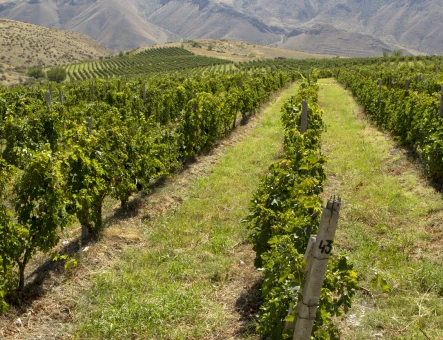
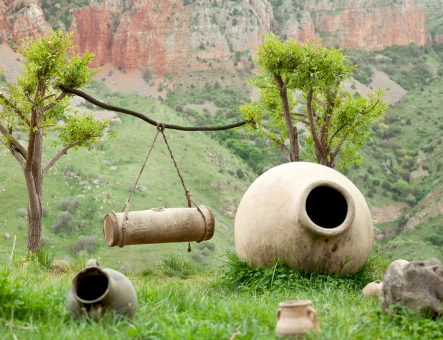
Vayots Dzor is a land where sun and stone have guarded the secret of wine for centuries and the village of Areni became the ancient key to that mystery. Deep within its caves, archaeologists uncovered the world's oldest winemaking complex proof that grape and man were bound together on this land thousands of years ago. Since then, every vine of Areni seems to carry the memory of the ages, offering berries filled with the fragrance of ancient Armenia.

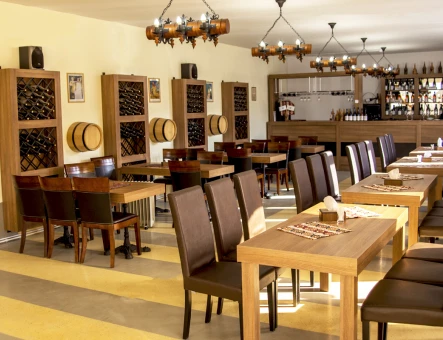
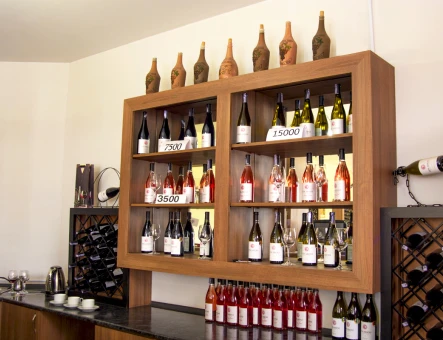
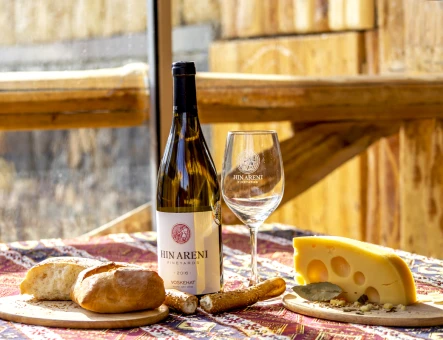
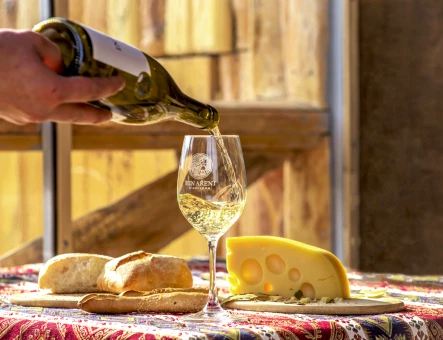
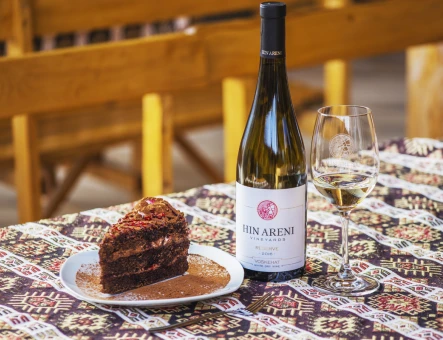
The "Hin Areni" wine factory continues this legend, turning grapes into a living message from both past and future. Here, tradition meets innovation: in halls filled with the aroma of freshly pressed wine, historic grape varieties gain new life with the help of modern technology. Yet despite its impressive capacity of processing over 250 tons of grapes, what you taste in every glass is not scale, but soul.

This wine is more than a drink it is the voice of the land, touched by the sun and winds of Vayots Dzor. Each sip invites you to hear the whisper of ancient caves, to feel the breath of eternity and to understand why Areni is called the cradle of Armenian winemaking.

3. Noravank Monastery
50-60 min
Attraction page
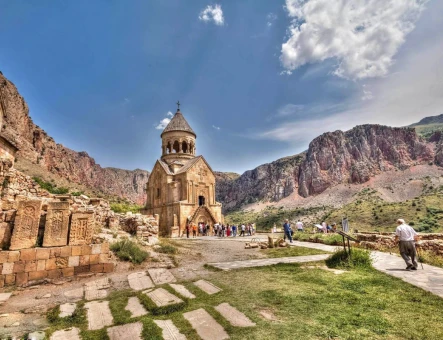
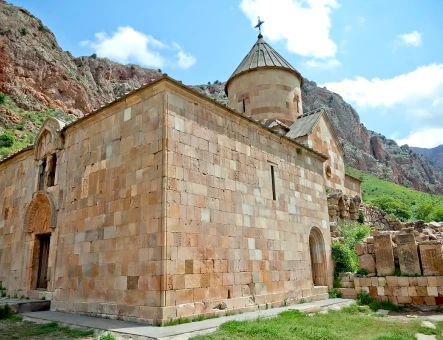
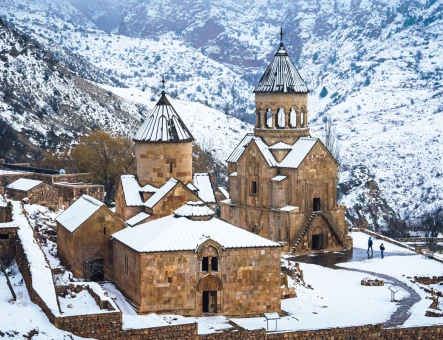
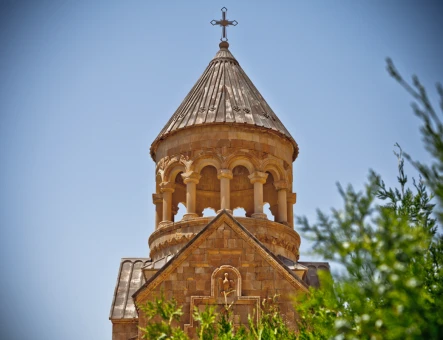
Noravank Monastery Noravank Monastery Noravank Monastery Noravank Monastery Noravank Monastery Noravank Monastery Noravank Monastery Noravank Monastery Noravank Monastery Noravank Monastery Noravank Monastery Noravank Monastery Noravank Monastery Noravank Monastery Noravank Monastery Noravank Monastery Noravank Monastery Noravank Monastery Noravank Monastery Noravank Monastery Noravank Monastery Noravank Monastery Noravank Monastery Noravank Monastery Noravank Monastery Noravank Monastery Noravank Monastery Noravank Monastery
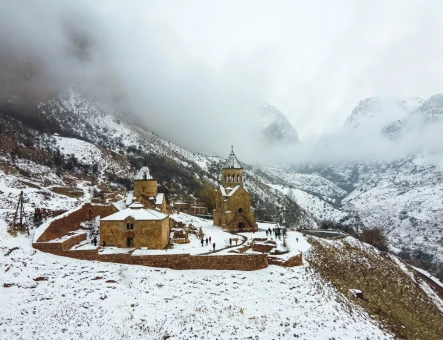
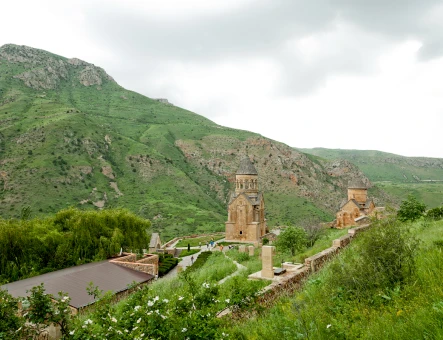
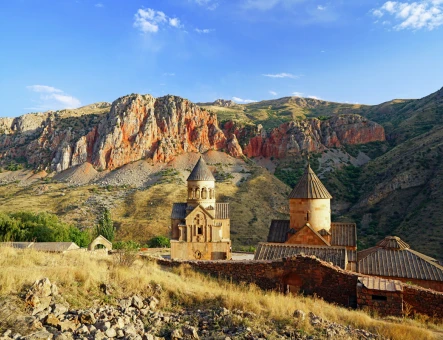
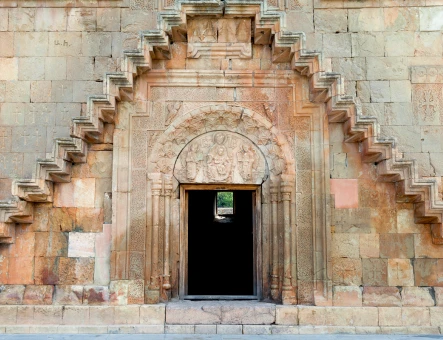
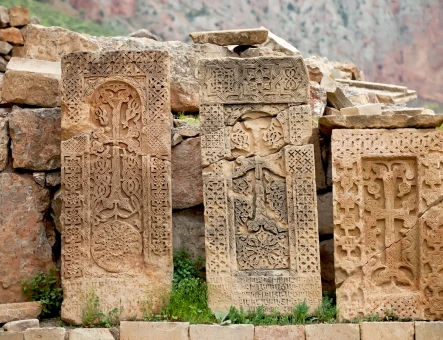
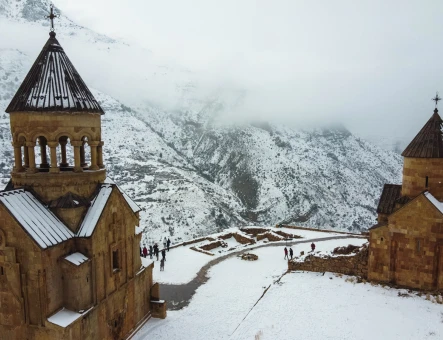
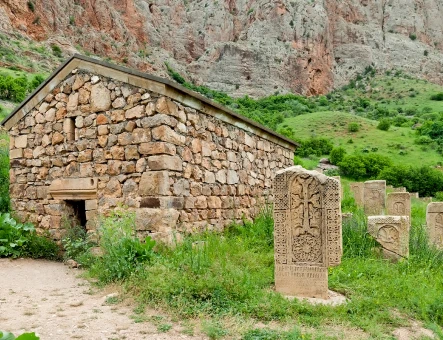
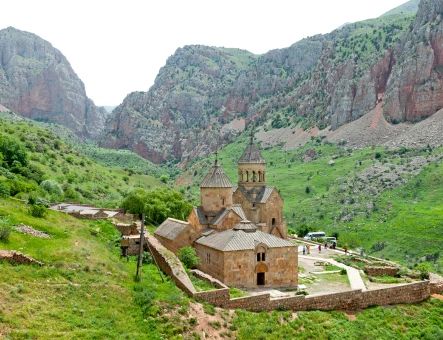
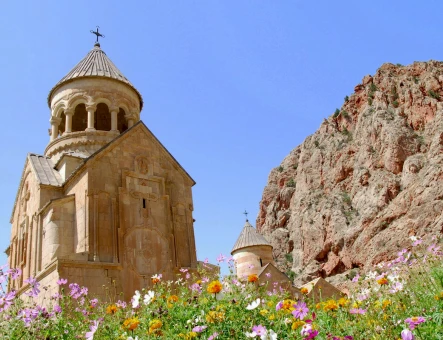
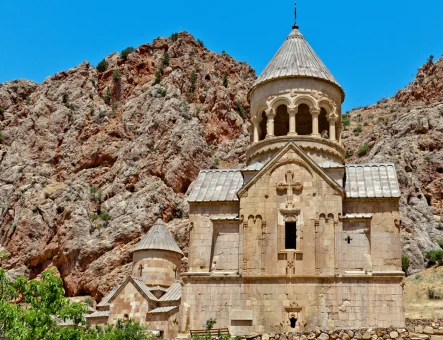
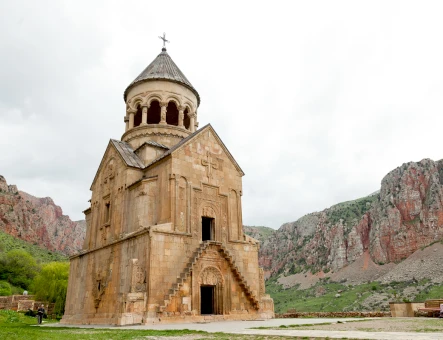
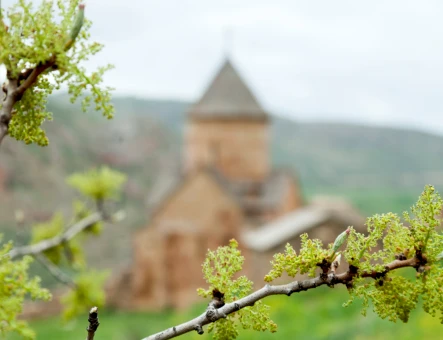
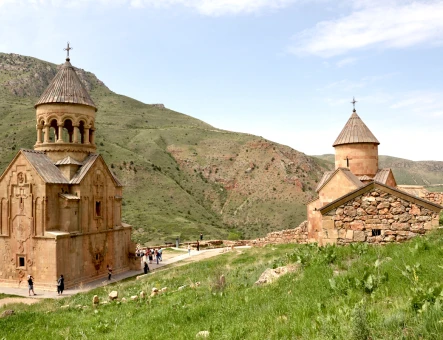
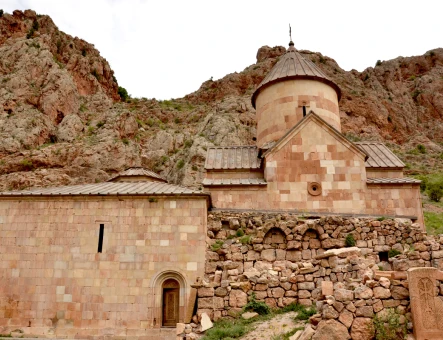
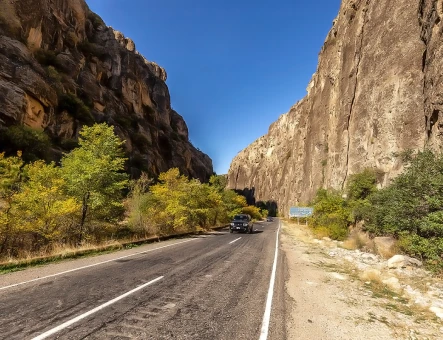
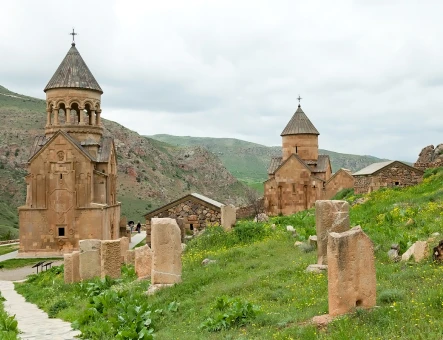
In the very heart of Vayots Dzor, embraced by crimson cliffs that rise like nature's own fortress walls, lies Noravank an ancient monastery that for centuries stood as a beacon of Armenia's spiritual and cultural life. Its walls overlook the picturesque gorge of the Arpa River, where the silence is broken only by the echo of pilgrims' footsteps and the cry of soaring eagles. The latter is known as the Amaghu River Valley, which is a candidate for UNESCO World Heritage Sites in Armenia as a natural monument.

The monastery took shape in the 13th century, with the Church of Saint Karapet (1216-1221) at its core, its stones breathing the centuries. To the north stands the Church of Saint Gregory (1275), while the masterpiece of the complex is the Church of the Holy Mother of God (1339), famed for its striking western façade. A narrow, pyramid-shaped stone staircase leading to the second floor has become Noravank's most iconic feature, admired by architects around the world. These steps, seemingly suspended in air, link earth to sky, turning each ascent into a journey of spiritual elevation.

Through the centuries, the monastery endured wars, earthquakes and abandonment, yet, like a phoenix, it always rose again. Today, Noravank is not only an architectural marvel but also a place of power, where the raw beauty of nature and the grandeur of design merge into a timeless harmony.

4. Tatev Monastery
50-60 min
Attraction page
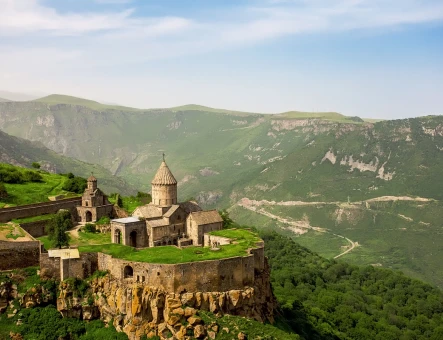
Tatev Monastery Tatev Monastery Tatev Monastery Tatev Monastery Tatev Monastery Tatev Monastery Tatev Monastery Tatev Monastery Tatev Monastery Tatev Monastery Tatev Monastery Tatev Monastery Tatev Monastery Tatev Monastery Tatev Monastery Tatev Monastery Tatev Monastery Tatev Monastery Tatev Monastery Tatev Monastery Tatev Monastery Tatev Monastery Tatev Monastery Tatev Monastery Tatev Monastery Tatev Monastery
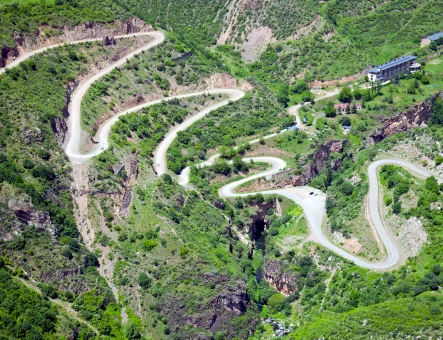
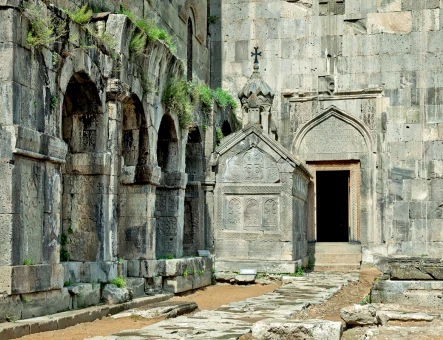
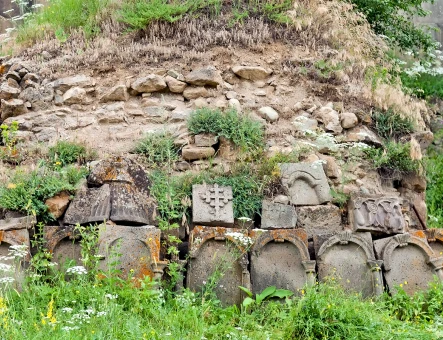
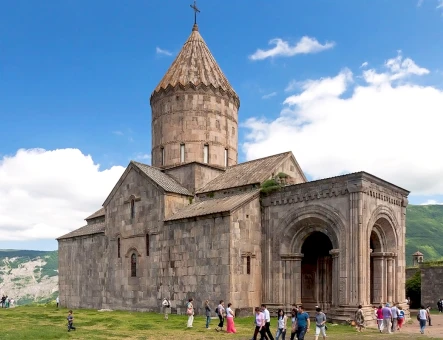
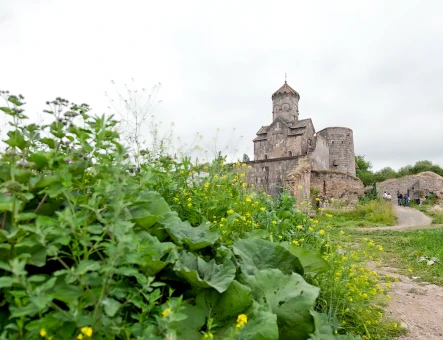
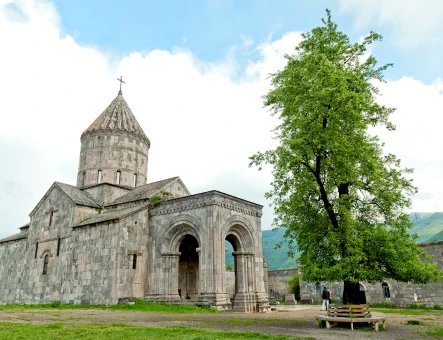
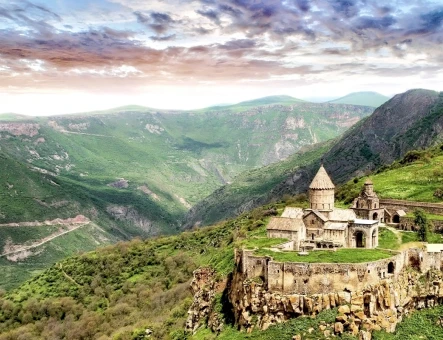
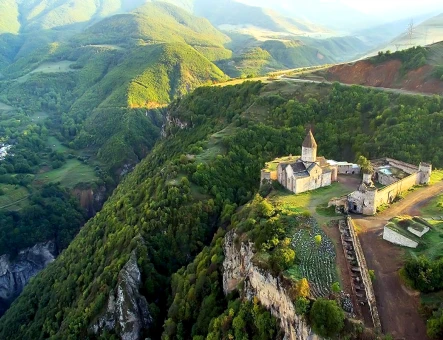
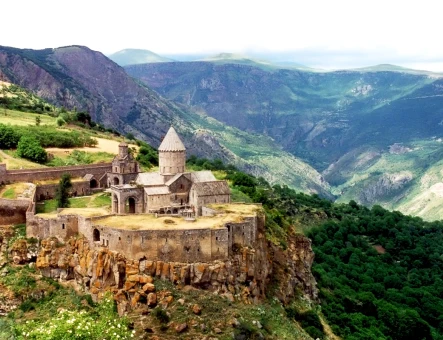
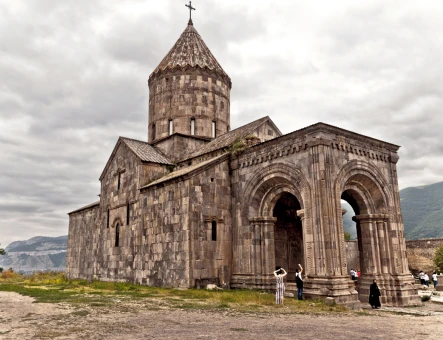
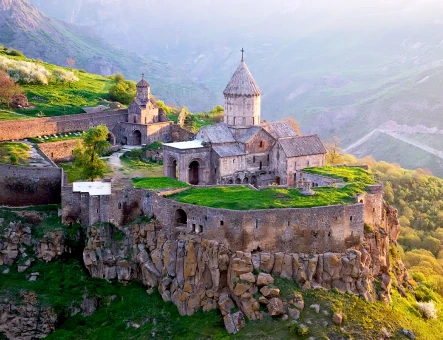
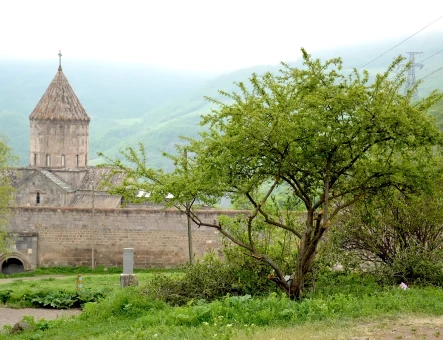
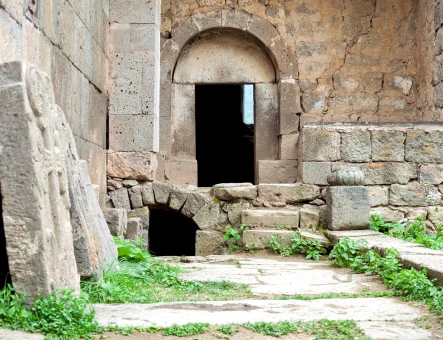
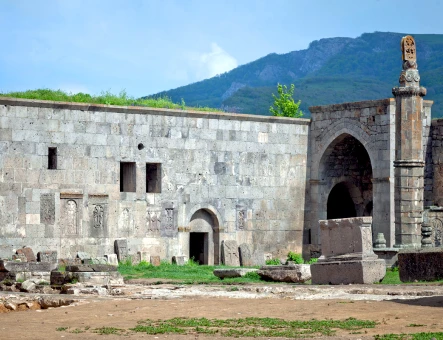
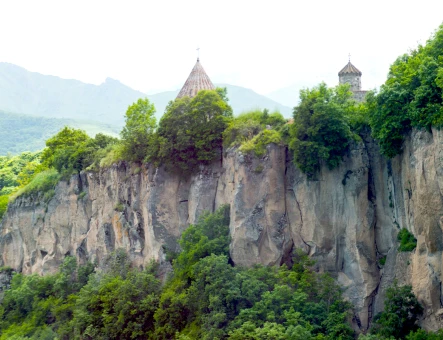
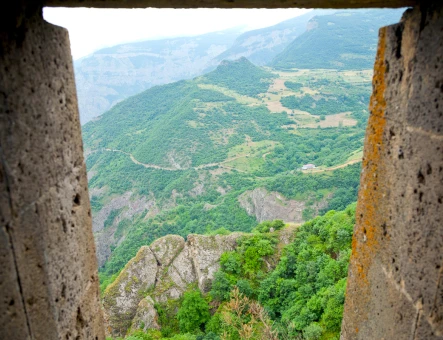
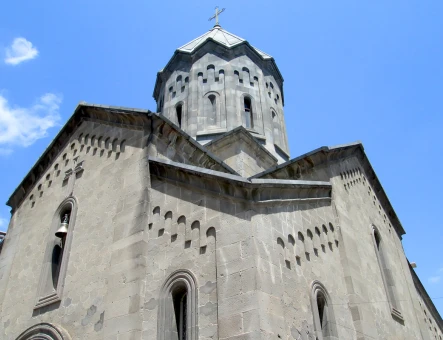
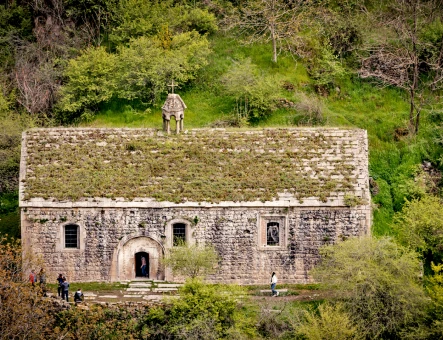
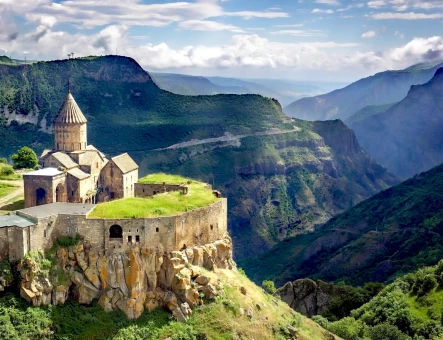
Amid the rugged ridges of Zangezur, high above deep gorges and winding mountain roads, rises the Tatev Monastery – an unrivaled masterpiece of medieval Armenian architecture. Founded in the 9th century on the site of an ancient pagan sanctuary, it became both the spiritual and political heart of the Syunik principality. Perched on the very edge of a cliff, its stone walls merge seamlessly with the mountain massif, while its strategic position made it nearly unreachable for enemies.

In troubled times, the monastery transformed into a fortress, shielded by powerful defenses that guarded not only the lives of the monks but also the treasures of the land. Hidden chambers and underground passages linked the monastery to the outside world, allowing it to withstand sieges. Legends say these secret routes safeguarded relics and manuscripts whenever danger loomed.

Tatev was a place where the undying light of faith intertwined with wisdom and political influence, where its walls echoed both prayers and decisions that shaped the destiny of Syunik.

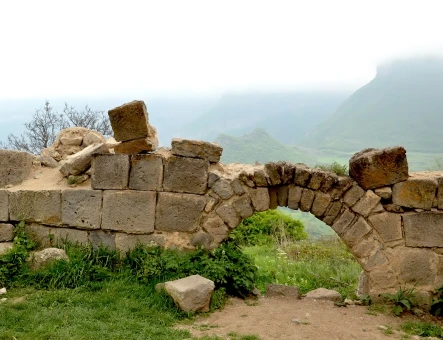
Outside the monastery complex, but within the rocky gorge of the Vorotan river, there are other monasteries and churches that were destroyed during the 1931 Zangezur earthquake. All of this is given a special charm by the Devil's miraculous bridge and the Grand Hermitage of Syunik, located deep in the canyon, at the very bottom of the gorge. The latter was connected to the Tatev Monastery by a more than half-kilometer-long underground railway, which was also damaged by the earthquake and fulfilled with stones.

5. Wings of Tatev Ropeway
10-15 min
Attraction page
Wings of Tatev Ropeway Wings of Tatev Ropeway Wings of Tatev Ropeway Wings of Tatev Ropeway Wings of Tatev Ropeway Wings of Tatev Ropeway Wings of Tatev Ropeway Wings of Tatev Ropeway Wings of Tatev Ropeway Wings of Tatev Ropeway Wings of Tatev Ropeway Wings of Tatev Ropeway Wings of Tatev Ropeway Wings of Tatev Ropeway Wings of Tatev Ropeway Wings of Tatev Ropeway
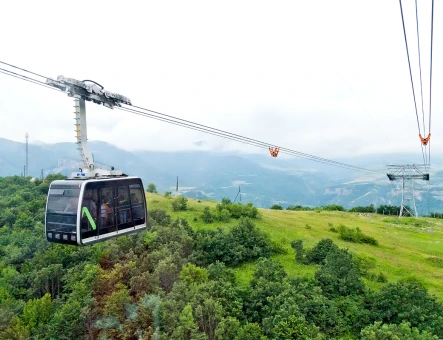
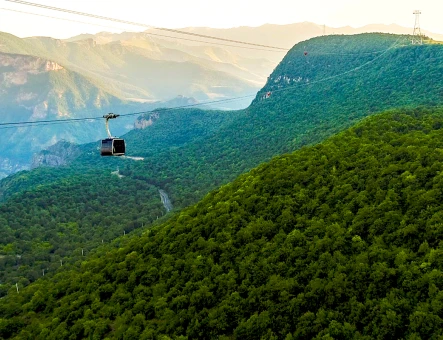
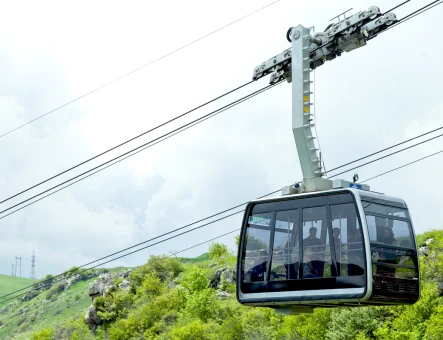
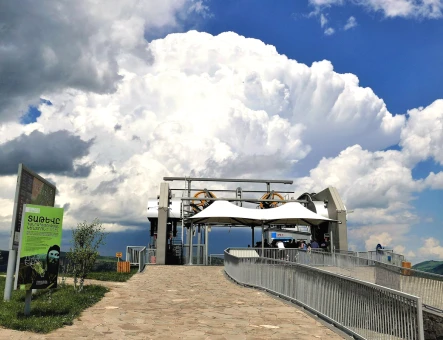
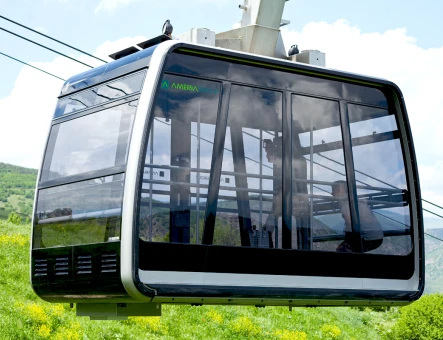
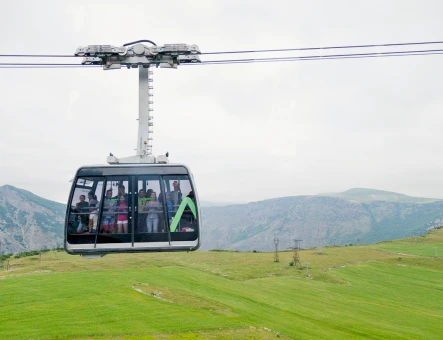
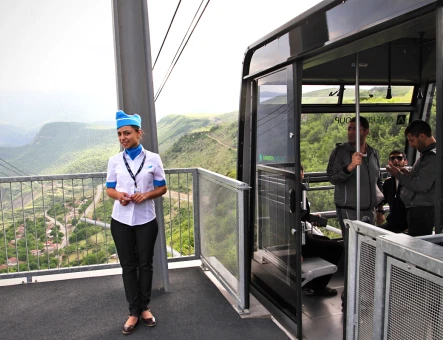
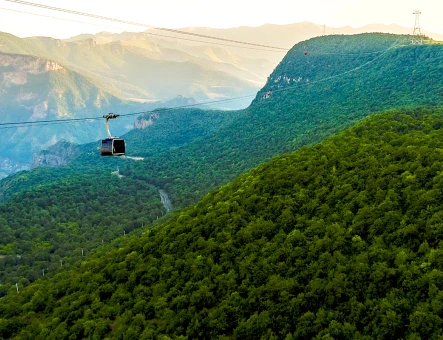
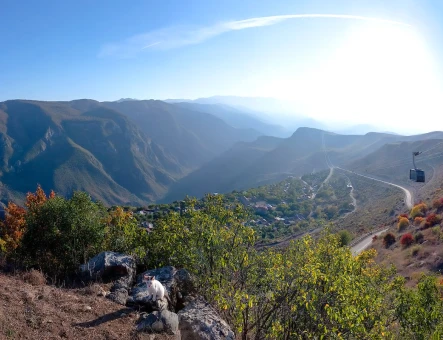
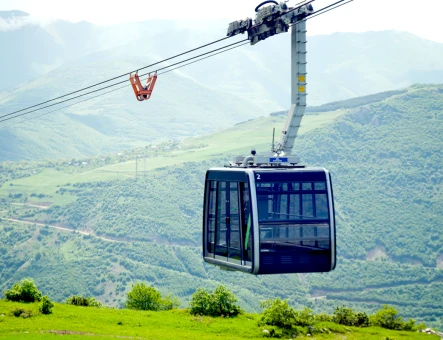
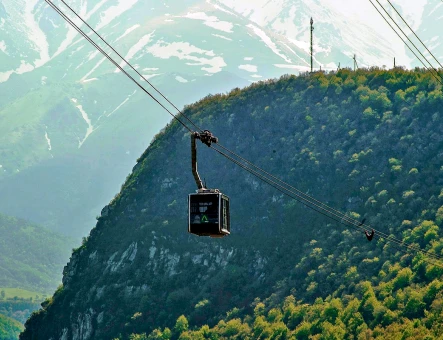
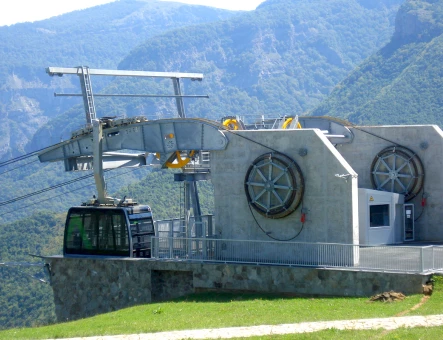
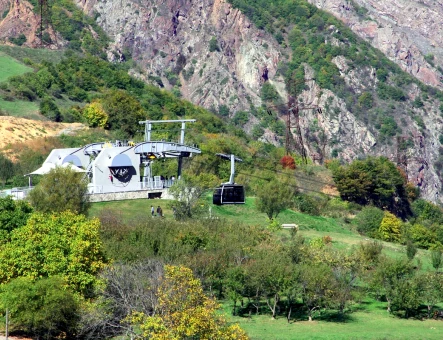
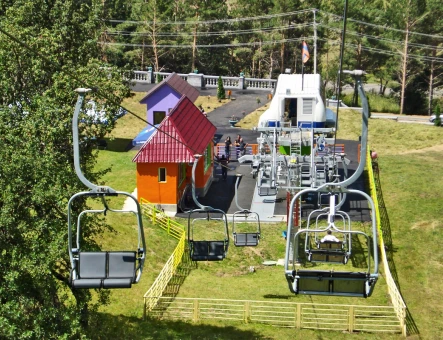
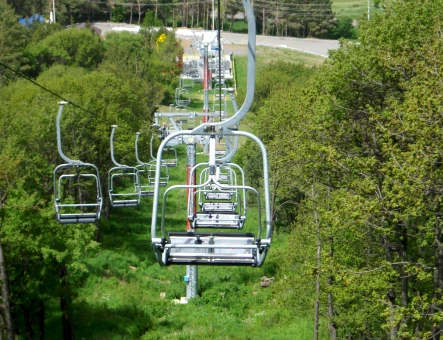
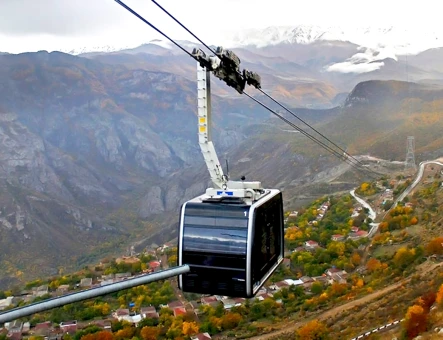
On October 16, 2010, the solemn toll of bells echoed across the Tatev Valley, announcing not only the revival of the medieval monastery complex but also the inauguration of an extraordinary feat of engineering – the "Wings of Tatev" cableway. Stretching 5.7 km, this aerial link connects the village of Halidzor with the ancient monastery and holds the Guinness World Record as the longest reversible cableway on the planet.

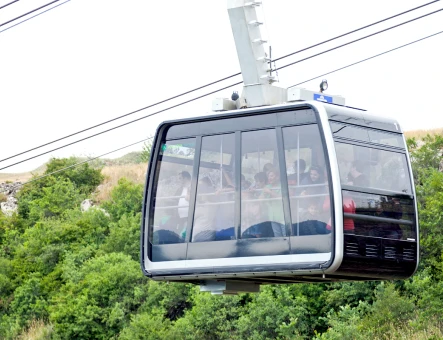
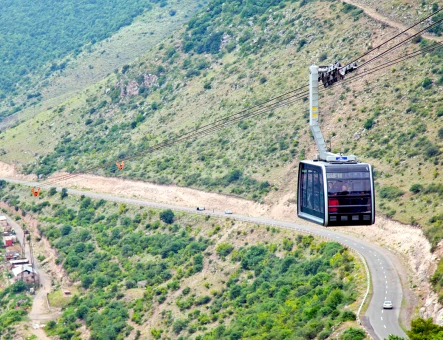
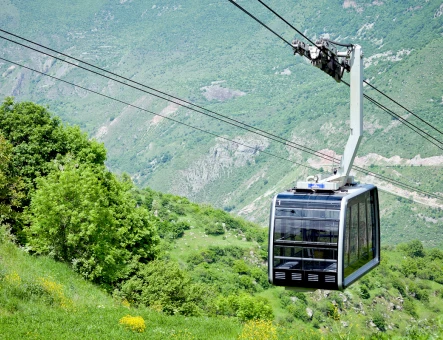
Built in just 11 months, it astonished even the most seasoned travelers: cabins glide effortlessly over the deep Vorotan River Gorge, above hills and forests fading into infinity. Three towering pylons, like stone sentinels, support the cables along which cabins travel simultaneously in opposite directions.

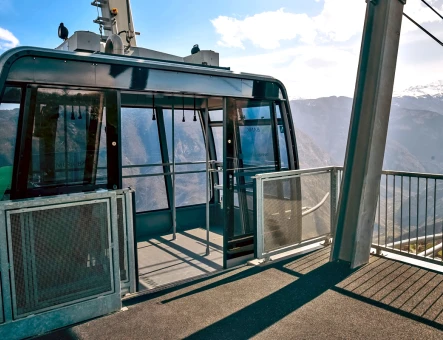
In an 11-minute flight, soaring more than 300 meters above the ground, passengers not only reach the Tatev Monastery but also witness breathtaking panoramas. Each cabin accommodates up to 30 people, while six specially engineered cables ensure a smooth and safe journey.

The "Wings of Tatev" is not merely transportation – it is a gateway to the past, where approaching the monastery feels like time and space weaving into a single tapestry. Here, the flight itself becomes part of the legend leading to the heart of Syunik.

6. Goris
Attraction page
Goris Goris Goris Goris Goris Goris Goris Goris Goris Goris Goris Goris Goris Goris Goris Goris Goris Goris Goris
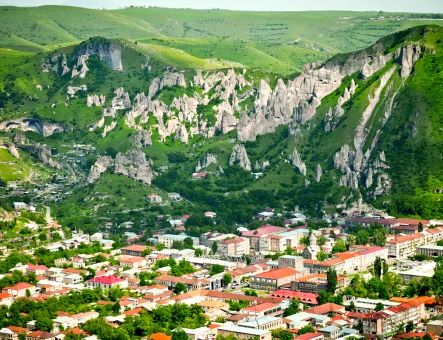
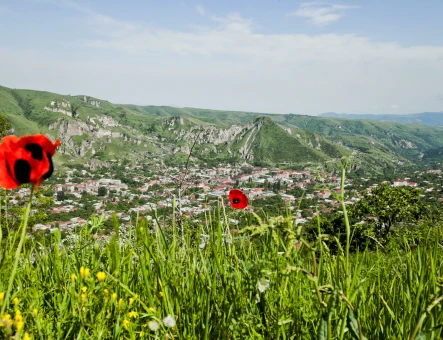
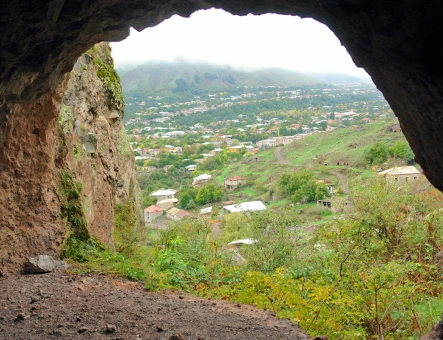
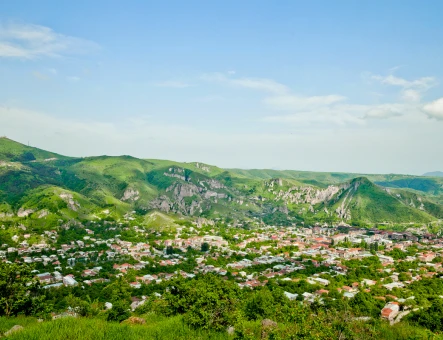
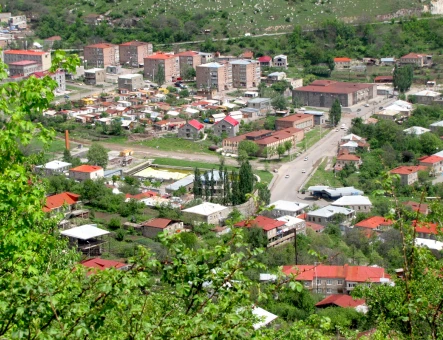
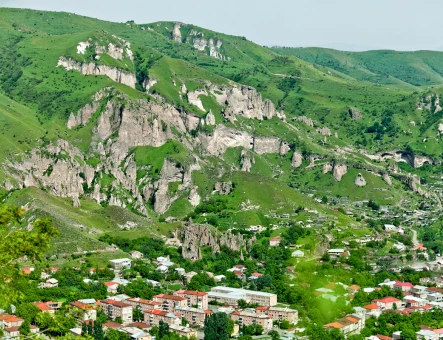
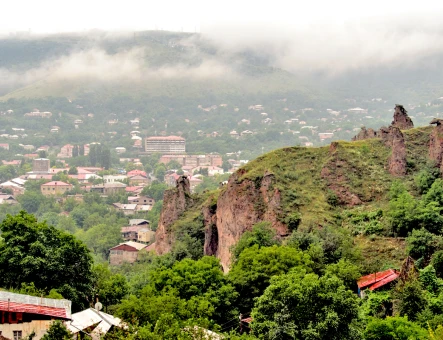
Goris, the beating heart of the Syunik region, rests in a cradle of mountains, as if the earth itself had hidden it away from the world's rush. Since the 19th century, it has been admired as a model town a place where thoughtful planning meets shady avenues and gardens scented with mountain herbs. Around it unfolds a landscape of whimsical cliffs, forested hills and winding gorges, blurring the line between the city and the living nature that embraces it.

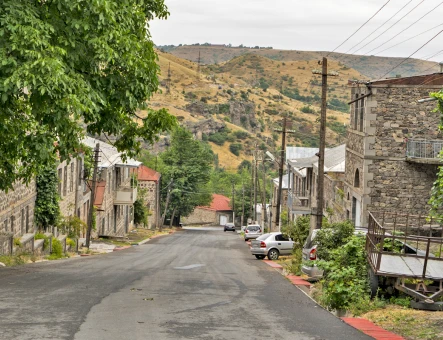
Strolling through its streets, one feels an unusual calm, a rhythm of life that belongs only to this land. Today, Goris remains not only the cultural heart of Syunik, but also a key transport hub linking Armenia with the neighboring Islamic Republic of Iran. Its warm hospitality, rich history and closeness to unique natural and historical sites make it a destination for those seeking inspiration. It can be found in the glow of a mountain sunset, in the quiet charm of old stone houses, or in conversations with locals whose stories carry the spirit of Syunik.

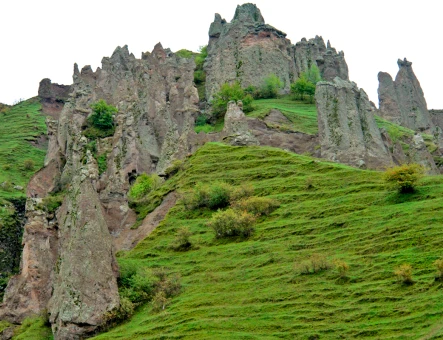
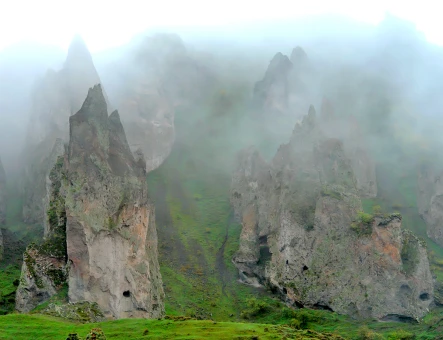
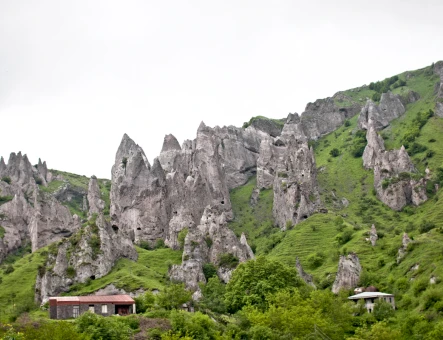
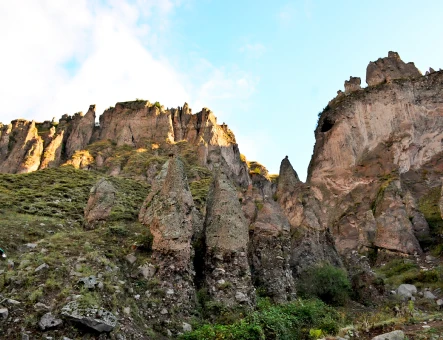
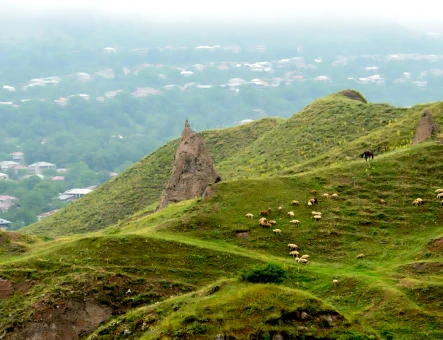
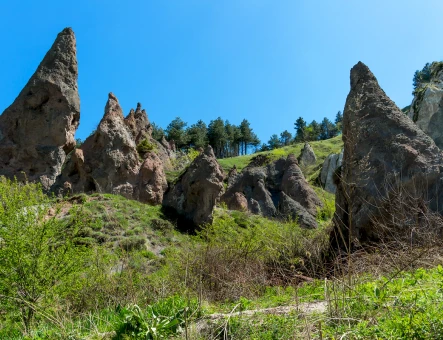
Goris is more than a dot on the map it is the living calling card of southern Armenia, where past and present blend in a rare harmony. Here, the Syunik volcanic plateau and the Zangezur fold-block mountain range seem to merge together and landslides create rock pyramids.

Karahunj (Zorats Karer) Observatory, Jermuk, Orbelian's (Selim) Caravanserai, Lake Sevan, Sevanavank Monastery, Yerevan

1. Karahunj (Zorats Karer) Observatory
20-30 min
Attraction page
Karahunj (Zorats Karer) Observatory Karahunj (Zorats Karer) Observatory Karahunj (Zorats Karer) Observatory Karahunj (Zorats Karer) Observatory Karahunj (Zorats Karer) Observatory Karahunj (Zorats Karer) Observatory Karahunj (Zorats Karer) Observatory Karahunj (Zorats Karer) Observatory Karahunj (Zorats Karer) Observatory Karahunj (Zorats Karer) Observatory Karahunj (Zorats Karer) Observatory Karahunj (Zorats Karer) Observatory Karahunj (Zorats Karer) Observatory Karahunj (Zorats Karer) Observatory Karahunj (Zorats Karer) Observatory Karahunj (Zorats Karer) Observatory Karahunj (Zorats Karer) Observatory
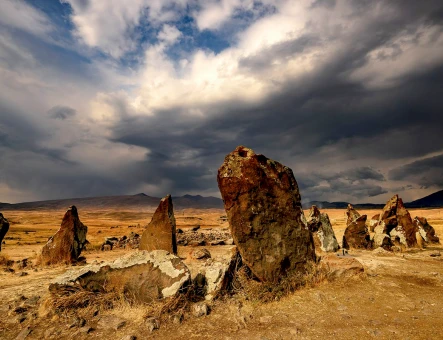
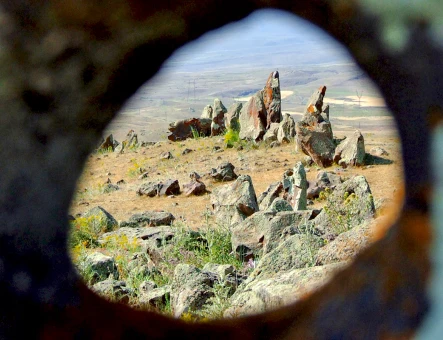
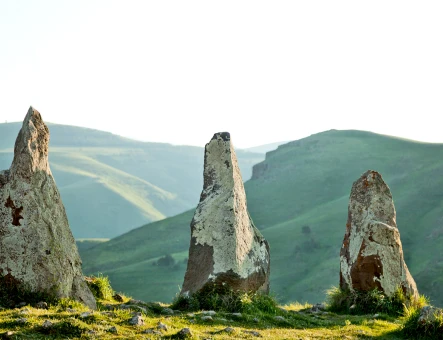
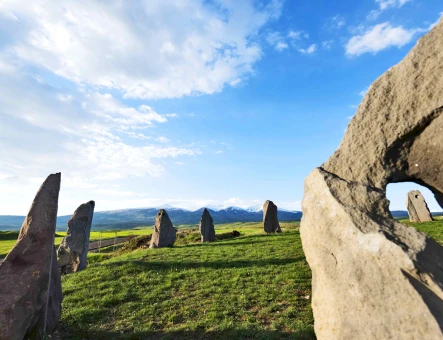
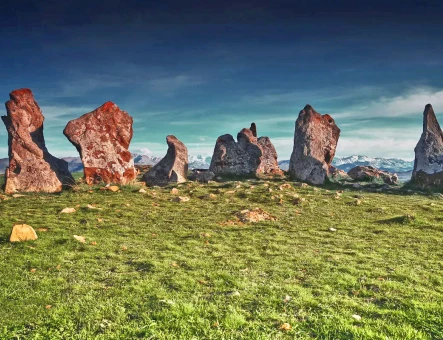
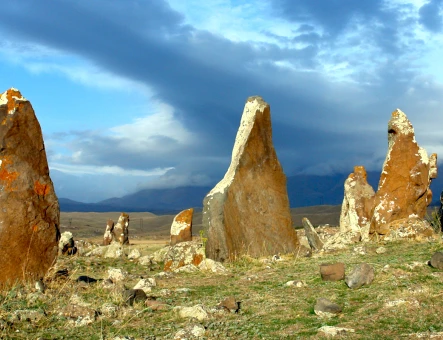
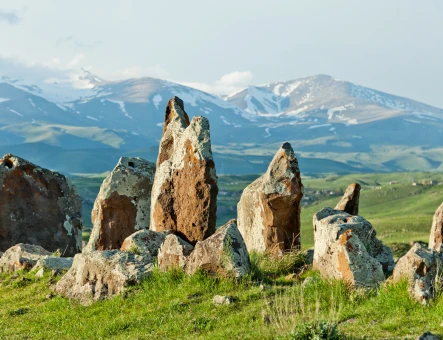
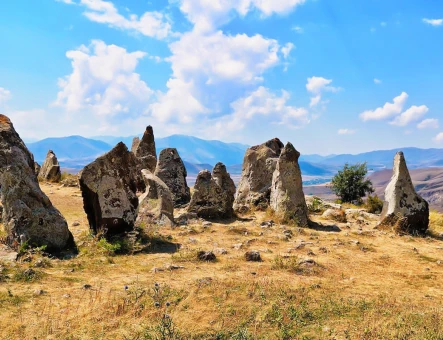
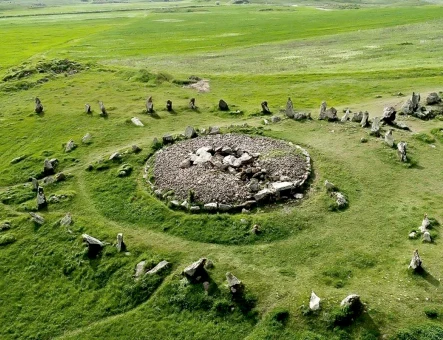
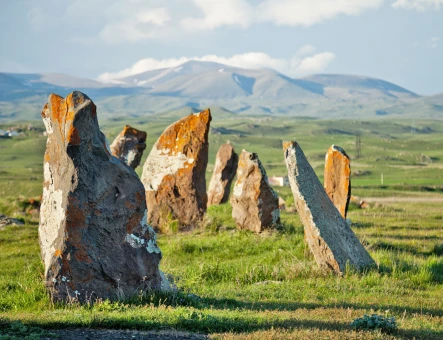
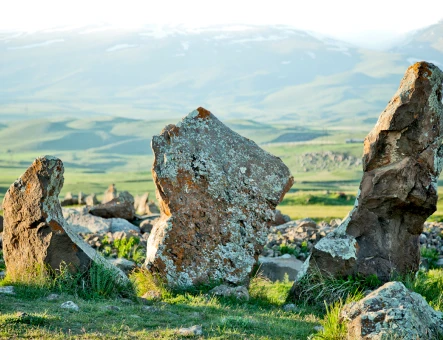
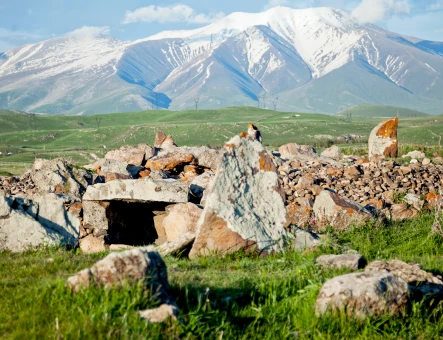
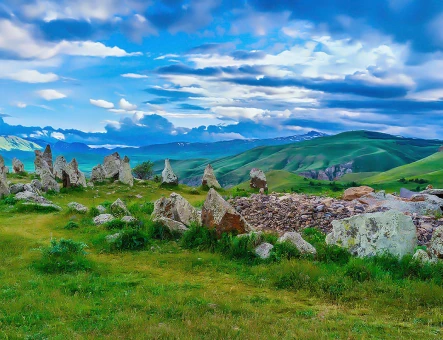
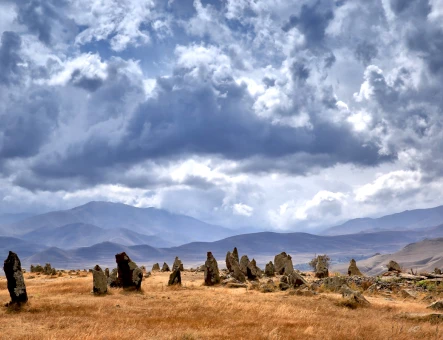
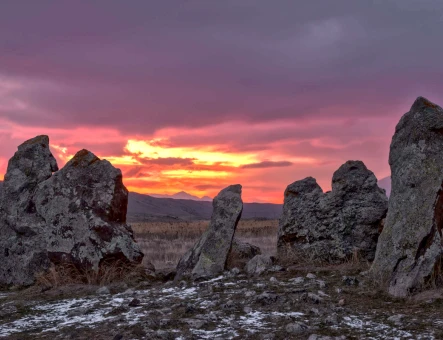
On the windswept plains of Syunik, where rolling hills fade into open steppe, lies the enigmatic Karahunj a place where earth and sky seem to share an endless, silent conversation. This prehistoric historical and cultural reserve is also known as the "Zorats Karer", which translates as "firmly standing stones". Archaeologists date this ancient structure to the 6th-5th millennia BC and although the Armenian government recognized this megalithic structure as an observatory in 2004, other researchers claim it is a burial site.

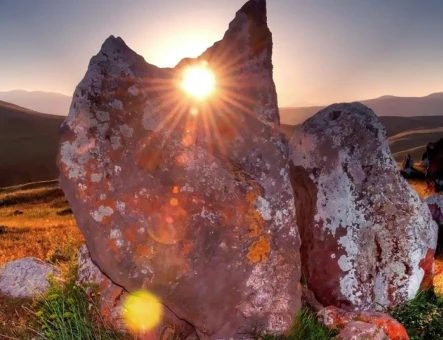
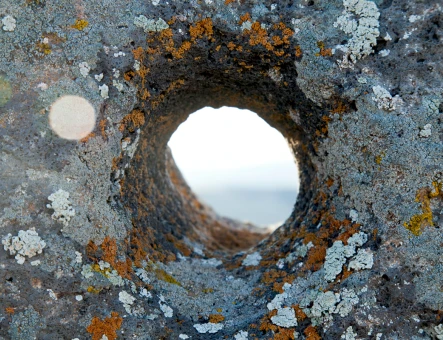
Massive stones, set with astonishing precision, form a mysterious circle and some bear perfectly carved openings. Through these, ancient priests and sky-watchers may have tracked the stars, marked the seasons and perhaps drawn the first celestial maps. Nearby petroglyphs reveal that the people of this land possessed remarkable astronomical knowledge long before writing was born.

At dusk, as the sun sinks behind the ridges and the heavens above Karahunj burst into a blaze of stars, one can almost hear the whispers of those who once searched the cosmos for answers.

Local lore says the stones hold the power of the universe itself, revealing it only to those who arrive with a pure heart. Today, Karahunj is more than an archaeological treasure it is a sacred point where history and the infinite sky merge into a single mystery.

2. Jermuk
50-60 min
Attraction page
Jermuk Jermuk Jermuk Jermuk Jermuk Jermuk Jermuk Jermuk Jermuk Jermuk Jermuk Jermuk Jermuk Jermuk Jermuk Jermuk Jermuk Jermuk Jermuk Jermuk Jermuk Jermuk Jermuk Jermuk Jermuk Jermuk Jermuk
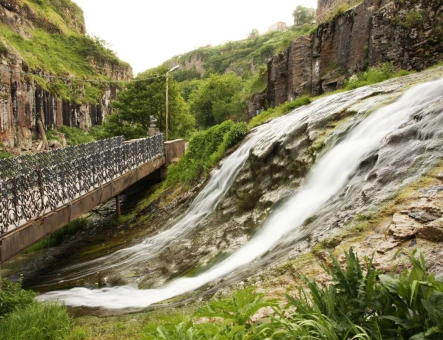
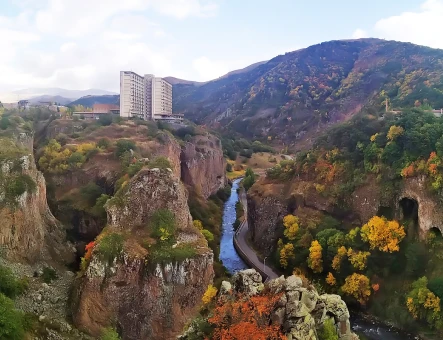
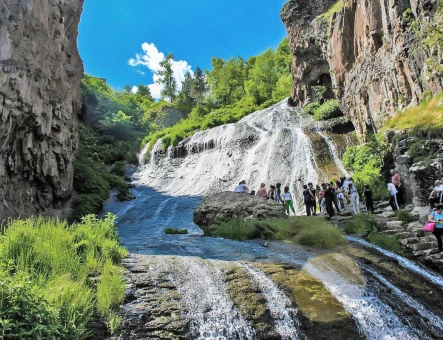
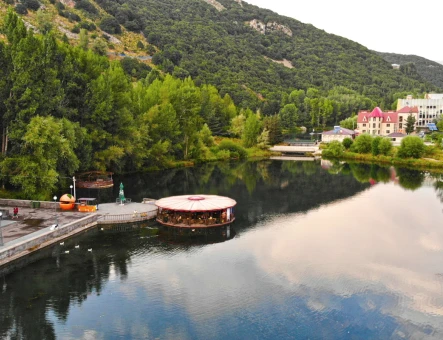
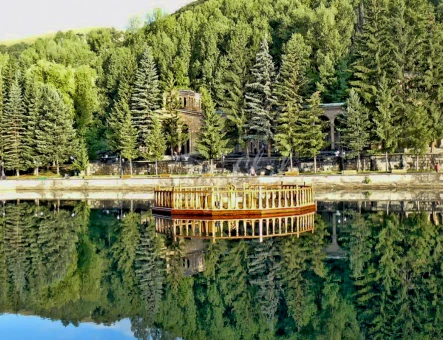
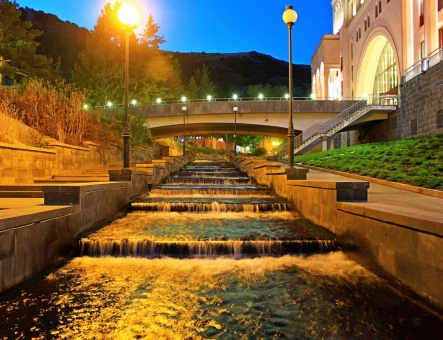
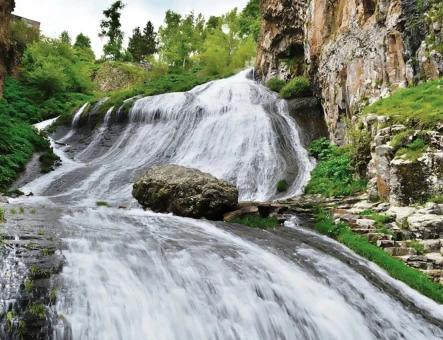
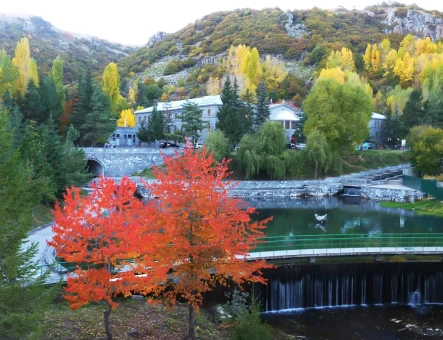
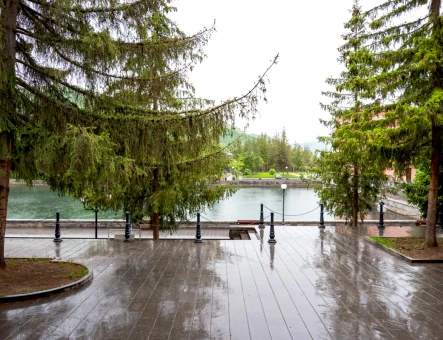
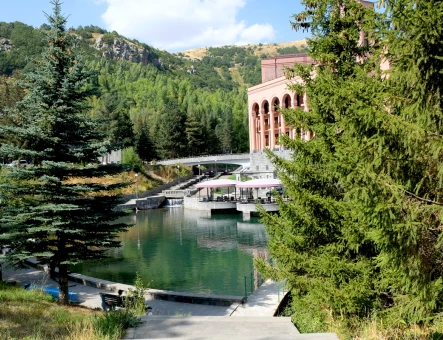
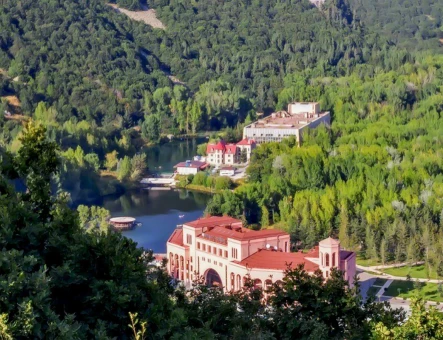
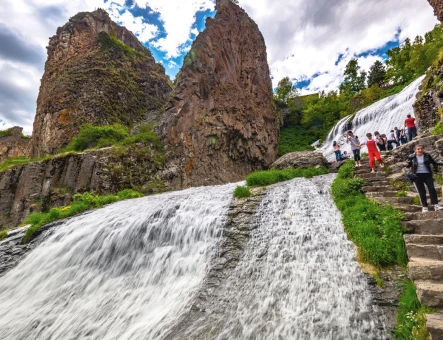
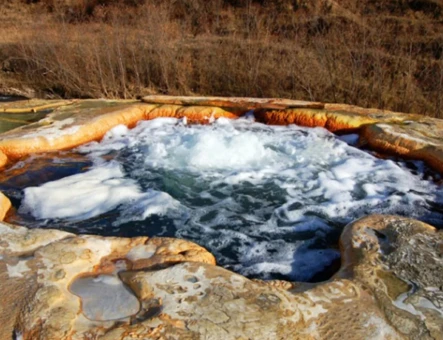
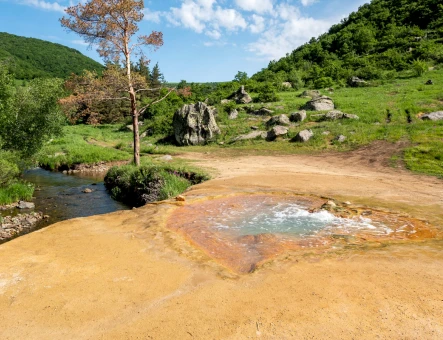
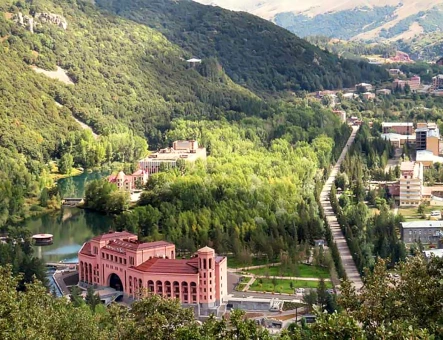
In the northeastern part of Vayots Dzor, cradled by mountain ridges and thick forests, lies Jermuk, a resort town whose name has long been synonymous with well-being and serenity. Here, in the hush of the highlands, springs emerge–each with its own taste and character, ranging from crystal-clear fresh water to mineral-rich flows that for centuries have been used to heal and restore strength.

Jermuk greets visitors with a gentle climate: summers are cool and bright, with crisp, clear days, while winters are snowy yet calm, wrapped in a windless stillness. The mountain air, infused with the scent of pines and wildflowers, feels like a natural elixir. The town's sanatoriums, surrounded by scenic landscapes, offer more than just rest–they invite complete renewal, where body and spirit find perfect harmony.

Legend says that Jermuk's healing springs were first discovered by shepherds who noticed how the waters mended the wounds of their animals. Since then, both common folk and nobles have sought these waters for strength and inspiration.

Today, Jermuk is not only a renowned health retreat but also a place where mountains, water and people exist in rare harmony, offering every guest a deep sense of renewal.

3. Orbelyan's (Selim) Caravanserai
10-20 min
Attraction page
Orbelyan's (Selim) Caravanserai Orbelyan's (Selim) Caravanserai Orbelyan's (Selim) Caravanserai Orbelyan's (Selim) Caravanserai Orbelyan's (Selim) Caravanserai Orbelyan's (Selim) Caravanserai Orbelyan's (Selim) Caravanserai Orbelyan's (Selim) Caravanserai Orbelyan's (Selim) Caravanserai Orbelyan's (Selim) Caravanserai Orbelyan's (Selim) Caravanserai Orbelyan's (Selim) Caravanserai Orbelyan's (Selim) Caravanserai Orbelyan's (Selim) Caravanserai Orbelyan's (Selim) Caravanserai Orbelyan's (Selim) Caravanserai
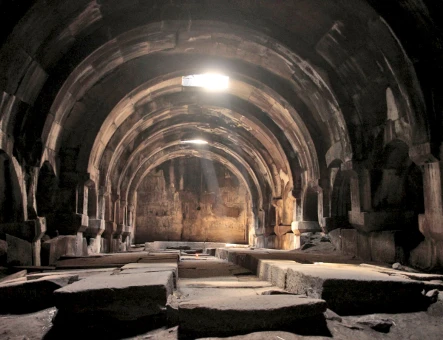
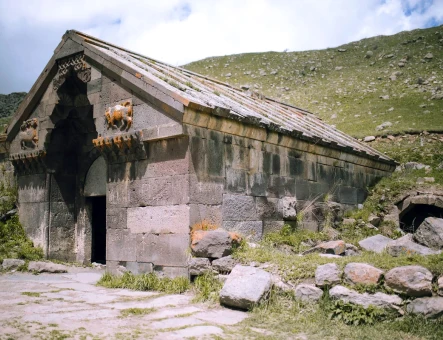
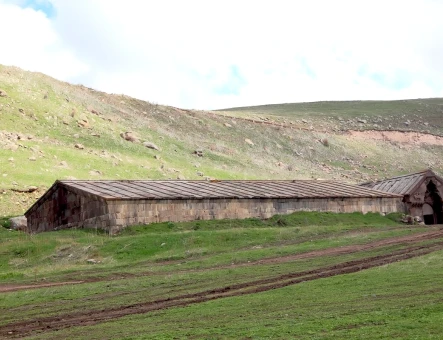
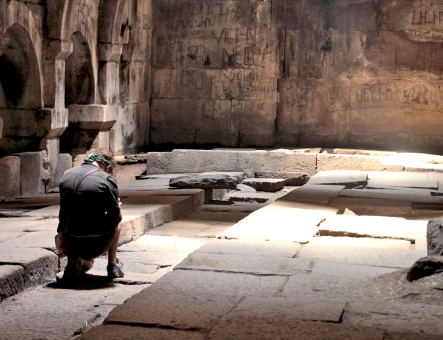
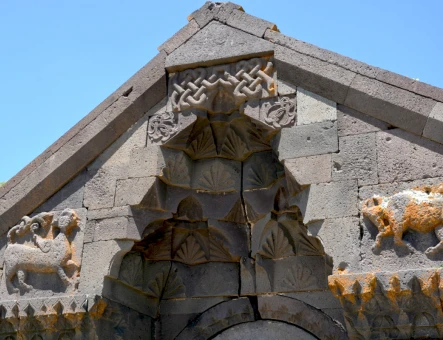
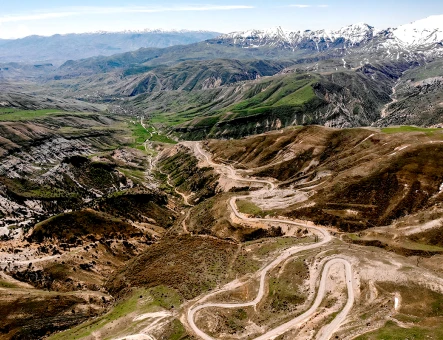
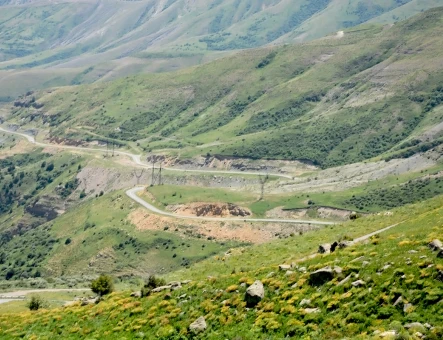
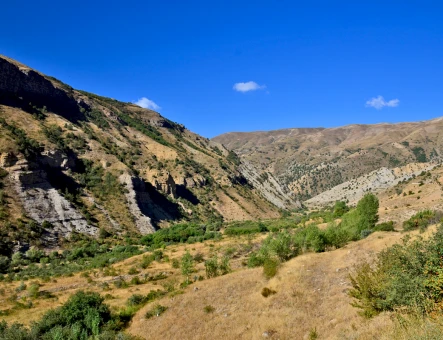
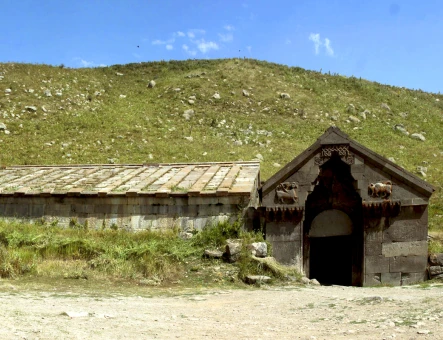
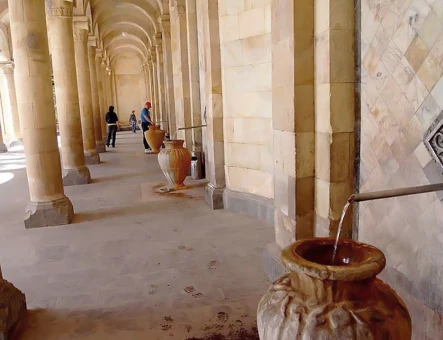
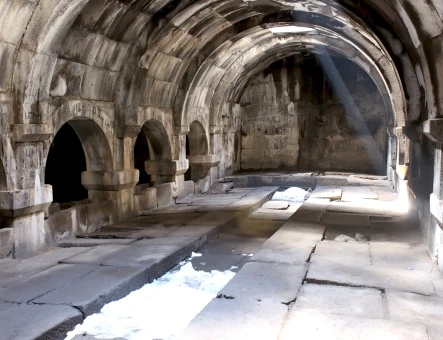
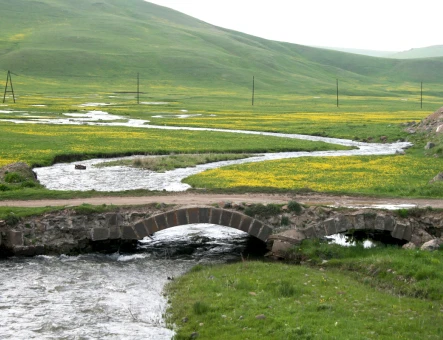
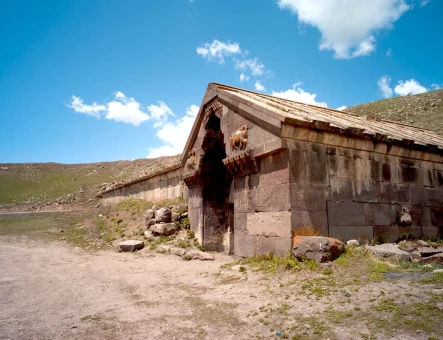
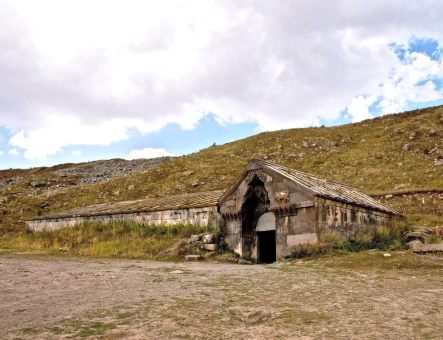
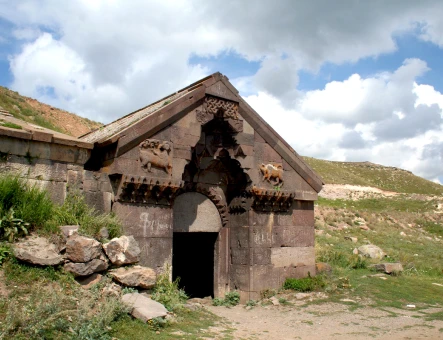
For centuries, the Selim Pass served as a vital link of the Great Silk Road, connecting the bustling markets of Vayots Dzor and Gegharkunik. Along its winding mountain trails, long caravans of camels once moved slowly, loaded with silks, spices and other precious goods bound for the West. Exhausted travelers and their animals desperately needed rest and in 1332 Prince Chesar Orbelyan ordered the construction of a spacious caravanserai at the top of the pass.

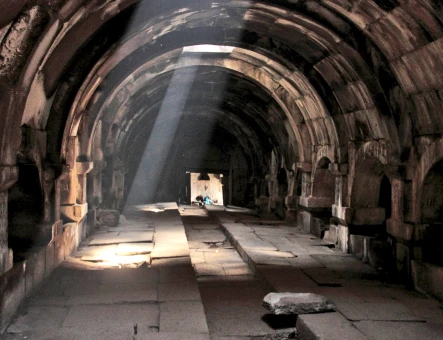
This massive structure, designed as a three-nave hall, still impresses with the austerity and practicality of its plan. Narrow roof openings let in faint streams of light, creating an atmosphere of mysterious twilight while ensuring the safety of those inside. Its thick stone walls offered merchants protection from cold winds, harsh weather and possible attacks. Even today, one can almost hear within its arches the echoes of lively conversations, the clink of coins and the steady steps of camels.

The Selim Caravanserai was more than a shelter – it was a witness to thousands of stories of distant journeys and trade routes linking East and West. Today it still welcomes visitors as a living reminder of the times when the pulse of world commerce passed through this mountain pass.

4. Lake Sevan
Attraction page
Lake Sevan Lake Sevan Lake Sevan Lake Sevan Lake Sevan Lake Sevan Lake Sevan Lake Sevan Lake Sevan Lake Sevan Lake Sevan Lake Sevan Lake Sevan Lake Sevan Lake Sevan Lake Sevan Lake Sevan Lake Sevan Lake Sevan Lake Sevan Lake Sevan Lake Sevan Lake Sevan Lake Sevan
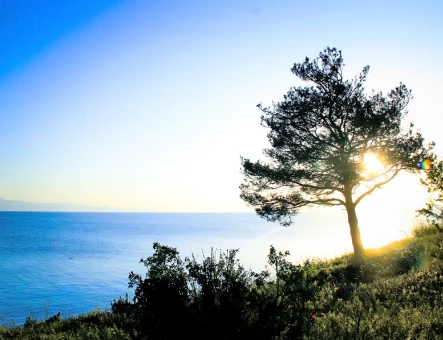
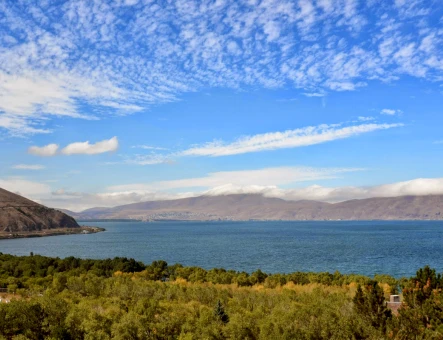
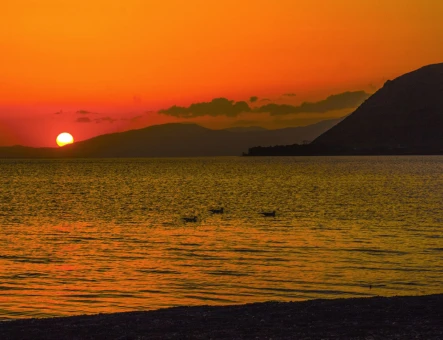
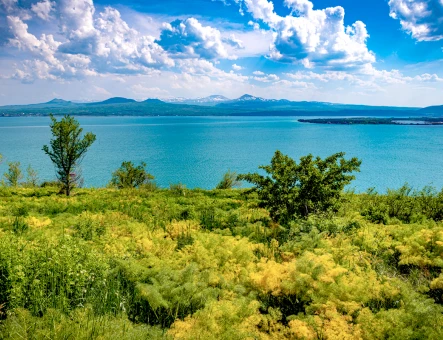
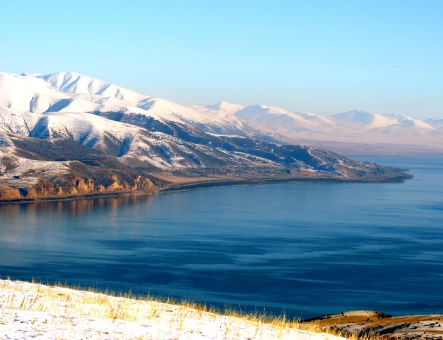
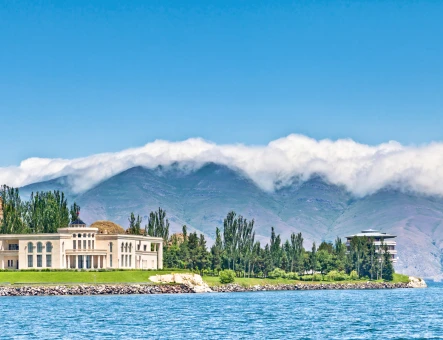
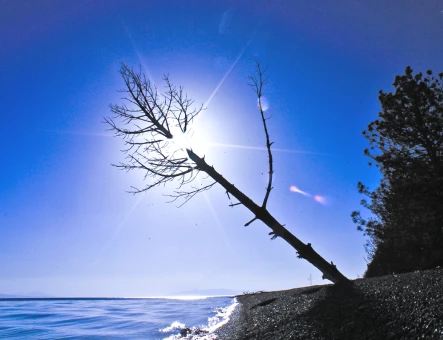
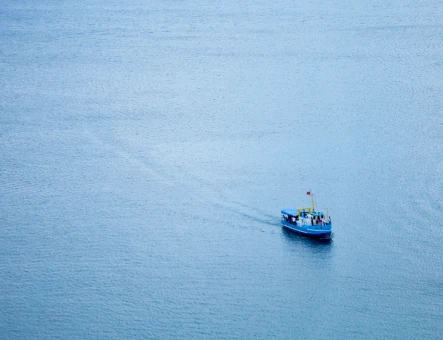
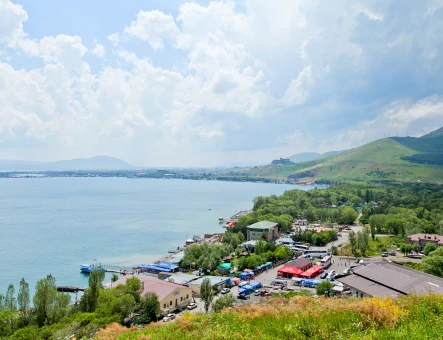
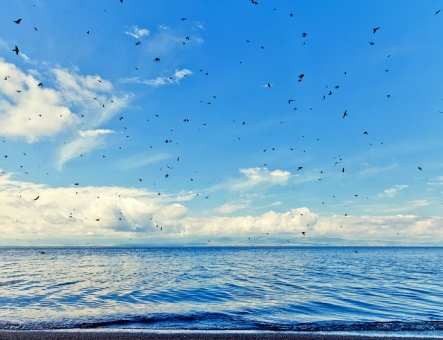
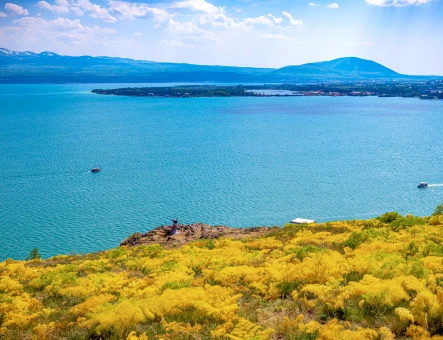
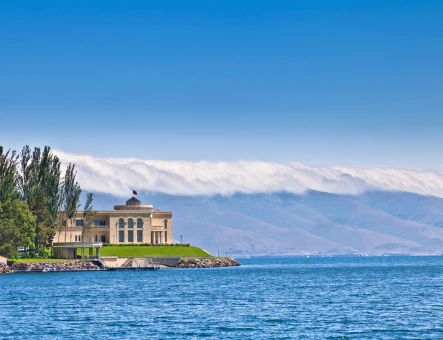
High in the embrace of Armenia's mountains lies Lake Sevan – the blue heart of the land, beating in harmony with the winds and the sun. Legend tells that once a green valley stretched here, until the heavens shed their tears, filling it with shimmering water as a priceless gift to humankind.

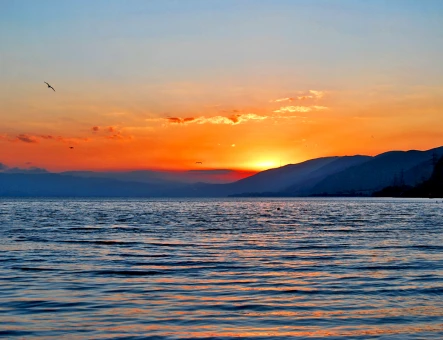
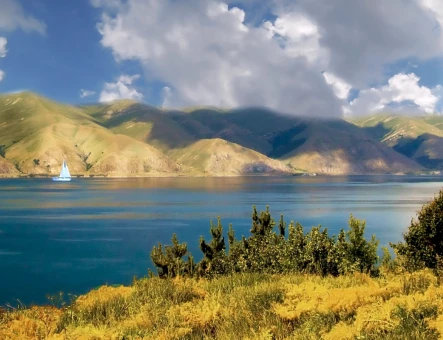
Today, this vast expanse, covering 1400 square kilometers, keeps the silence of centuries in its depths. Twenty-eight rivers bring their waters to Sevan, yet only one – the Hrazdan – carries them away, as if guarding the lake's precious wealth. Mountains rising to three thousand meters form its silent frame, while the crystal-clear water shifts from sky-blue to deep sapphire, mirroring the moods of the heavens. At dawn, the lake is brushed with gold; at sunset, it wears shades of crimson and violet, becoming a living mirror of the sky.

Since ancient times, Sevan has been revered as sacred – prayers were lifted on its shores, rituals were performed and blessings sought from its spirit. In its clear depths seems to dwell the very soul of Armenia – proud, pure and eternal. And if one listens closely to the gentle lapping of the waves, they may hear an ancient voice telling stories of a land where water and sky are bound forever by love.

5. Sevanavank Monastery
50-60 min
Attraction page
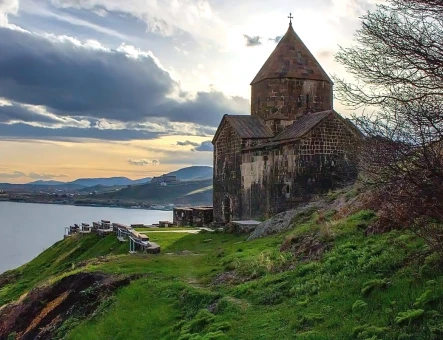
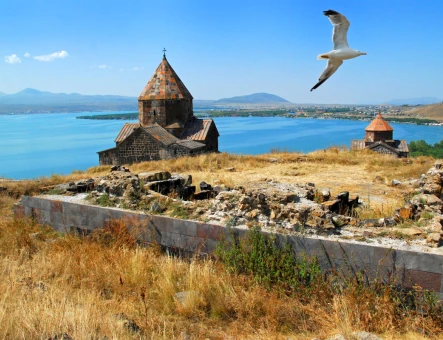
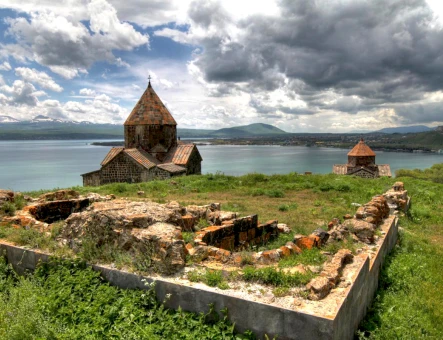
Sevanavank Monastery Sevanavank Monastery Sevanavank Monastery Sevanavank Monastery Sevanavank Monastery Sevanavank Monastery Sevanavank Monastery Sevanavank Monastery Sevanavank Monastery Sevanavank Monastery Sevanavank Monastery Sevanavank Monastery Sevanavank Monastery Sevanavank Monastery Sevanavank Monastery Sevanavank Monastery Sevanavank Monastery Sevanavank Monastery Sevanavank Monastery Sevanavank Monastery Sevanavank Monastery Sevanavank Monastery Sevanavank Monastery Sevanavank Monastery
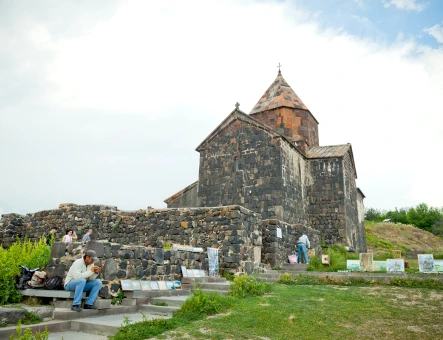
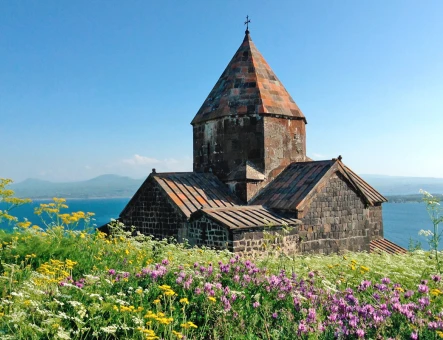
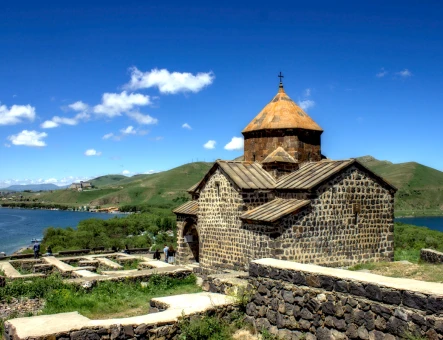
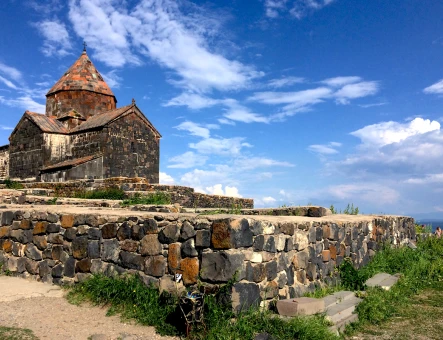
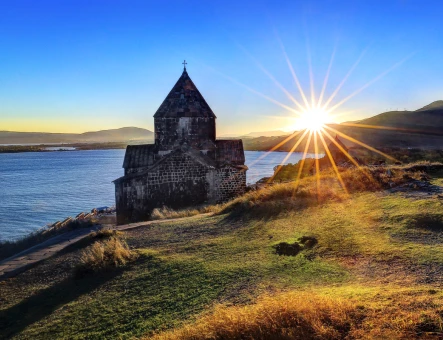
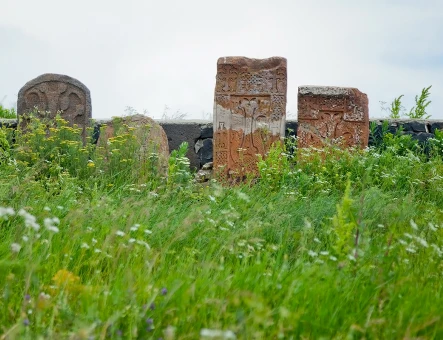
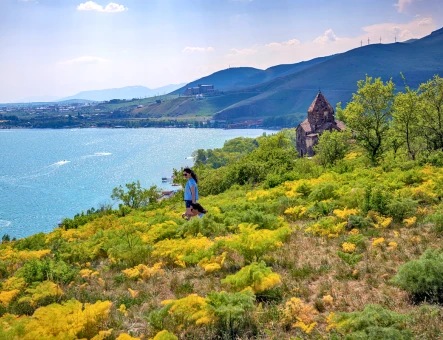
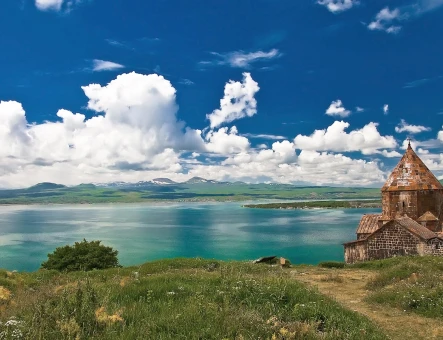
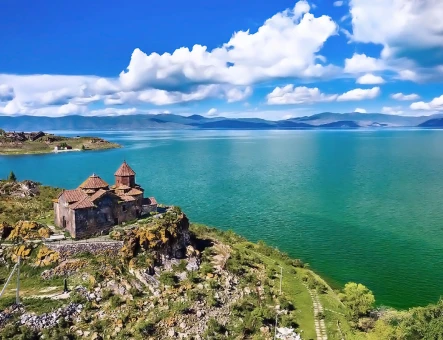
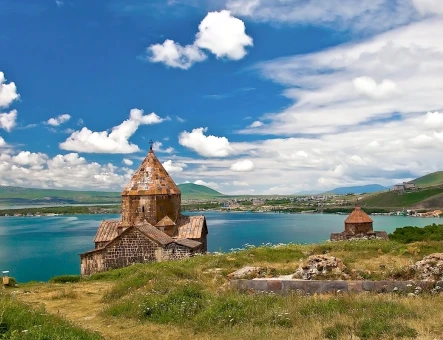
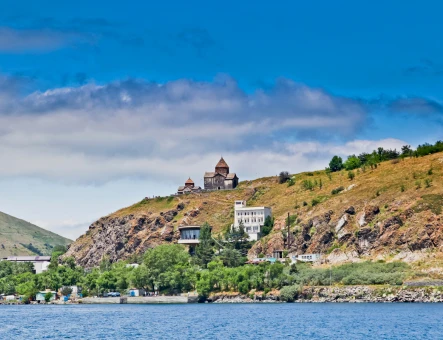
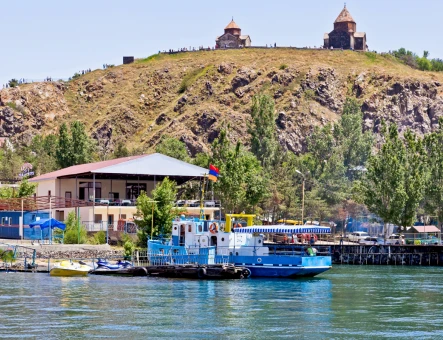
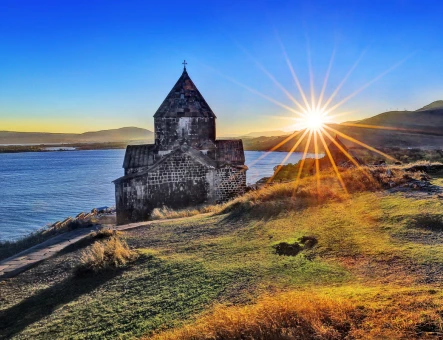
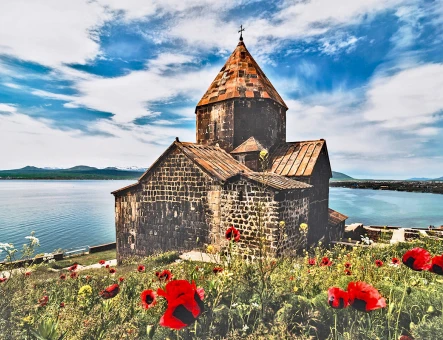
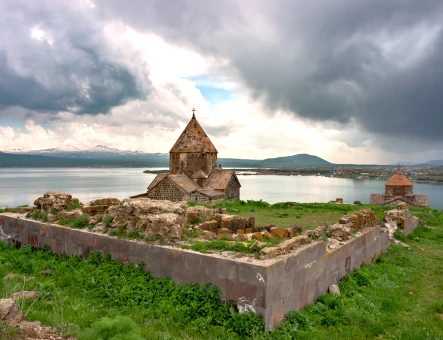
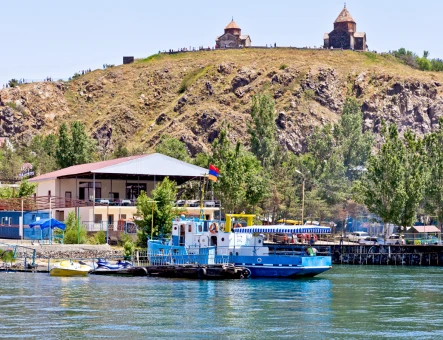
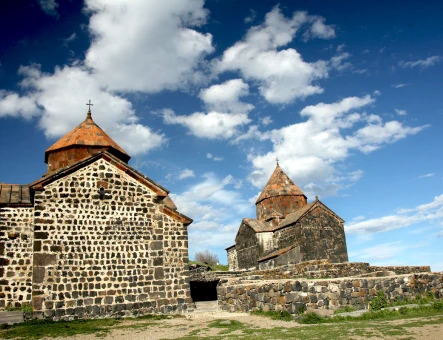
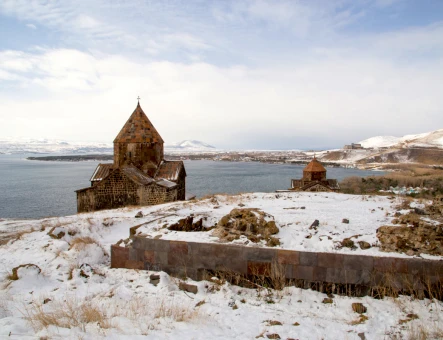
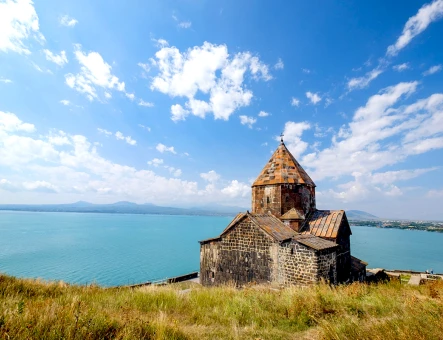
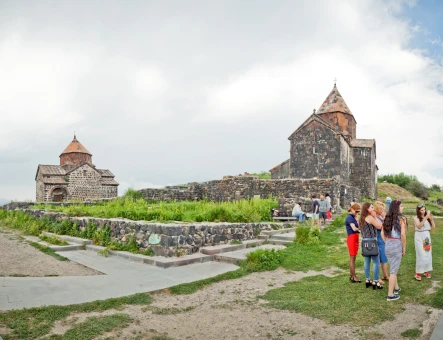
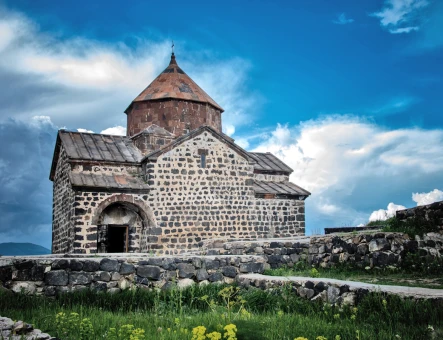
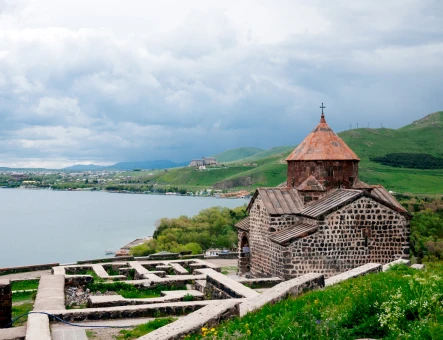
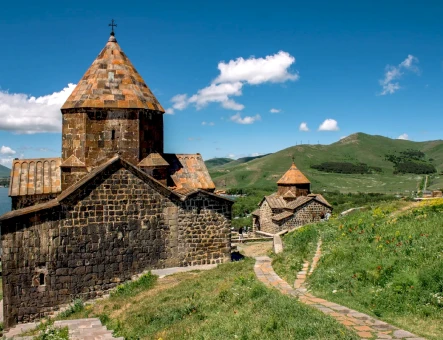
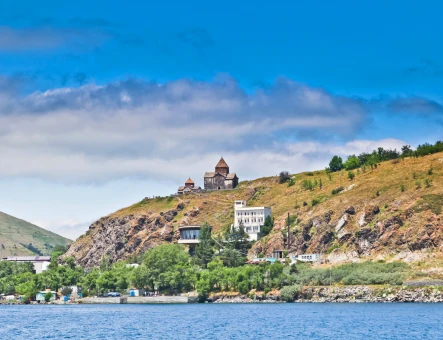
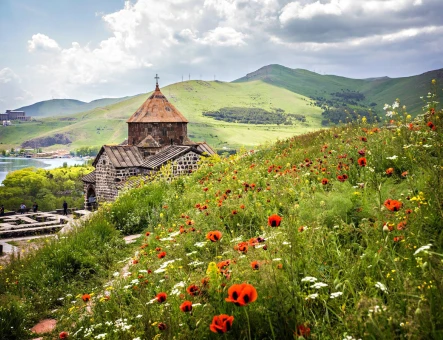
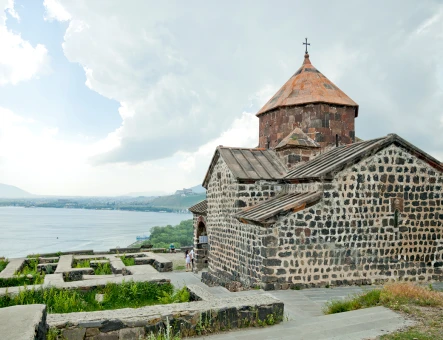
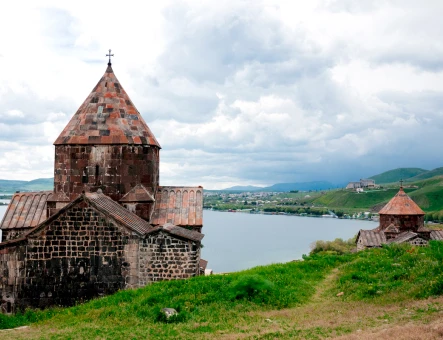
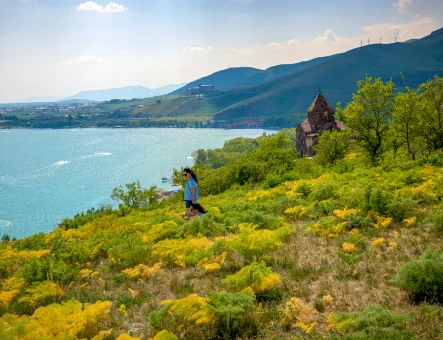
From the northwestern shore of Lake Sevan, a breathtaking panorama unfolds: a peninsula rises from the shimmering surface, crowned with ancient temples. Here, in 874, at the command of Queen Mariam, daughter of King Ashot Bagratuni, the Sevanavank Monastery was built – the spiritual guardian of Armenia's blue jewel.

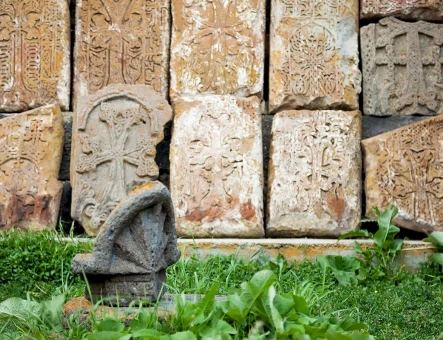
Against the boundless blue of the sky and the turquoise waters of Sevan, the churches of the Holy Apostles and the Holy Mother of God seem to float between earth and heaven. The stones of their walls have absorbed the whispers of monastic prayers, the murmur of winds and the chime of bells drifting over the water. For centuries, the monastery was not only a place of devotion but also a fortress shielding the peninsula from enemy raids. Legends tell of precious manuscripts and relics hidden within its walls, saved from times of peril.

Today, standing atop the peninsula, one can watch the light dance upon the waves while distant mountains embrace the majestic landscape. Sevanavank remains one of Armenia's most iconic symbols – a place where the beauty of nature and the grandeur of spiritual heritage merge into one.

Inclusions

  • Professional drivers

  • Air-conditioned vehicles

  • Bottled water

  • Free pick-up & drop-off within Yerevan

  • Vehicle & passengers insurance

  • Extra stops on the route upon request

  • Driver/Guide accommodation & meals

Exclusions

  • Hotel accommodation

  • Significant deviations from the route

  • Alcoholic beverages if lunch option selected

  • Audio guides

  • Wi-Fi in the vehicles

Booking conditions

Cancellation & modification

Meet our Guides

Ruzanna Hovhannisyan

Ruzanna Hovhannisyan

RU HY

While in Armenia, all your senses will be awakened: the wild nature and man-made masterpieces, the unique scent of mountain air, the unforgettable taste of Armenian cuisine, and the soothing sound of the duduk. And to experience all this, you simply need to come to Armenia! Welcome!

Narine Vardanyan

Narine Vardanyan

HY EN

Hi or Barev. My name's Narine and I've been working as a tourist guide in Armenia since 2017. My greatest love and passion is my homeland – Hayastan! And I am here to create amazing experiences for everyone. I think my job is the best in the world. It offers the opportunity to meet new people, make them fall in love with new places, and create lasting memories. That's what I enjoy!)) Looking forward to showing you around beautiful Armenia.

Nelly Poghosyan

Nelly Poghosyan

HY EN

Hi! I'm Nelly, a certified tour guide. With work experience since 2012 and a unique set of skills – including deep patience, adaptability, and a sense of humor – I invite you to visit Armenia and explore this wonderful part of the world with me!

Poghos Varzhapetyan

Poghos Varzhapetyan

RU HY

My name is Poghos Varzhapetyan. I've been working in tourism since 2016. I love traveling. As a tour guide, my goal is always to make guests fall in love with Armenia so much that at the end of the tour they don't say goodbye, but instead say, "See you again, Armenia!".

map