Private tour: Khor Virap Monastery, Azat Reservoir view point, Garni Temple, Geghard Monastery

Admin's choice

Khor Virap Monastery, Azat Reservoir, Arch of Charents, Garni Temple, Geghard Monastery

1. Khor Virap Monastery
50-60 min
Attraction page
Khor Virap Monastery Khor Virap Monastery Khor Virap Monastery Khor Virap Monastery Khor Virap Monastery Khor Virap Monastery Khor Virap Monastery Khor Virap Monastery Khor Virap Monastery Khor Virap Monastery Khor Virap Monastery Khor Virap Monastery Khor Virap Monastery Khor Virap Monastery Khor Virap Monastery Khor Virap Monastery Khor Virap Monastery Khor Virap Monastery Khor Virap Monastery Khor Virap Monastery Khor Virap Monastery Khor Virap Monastery Khor Virap Monastery Khor Virap Monastery
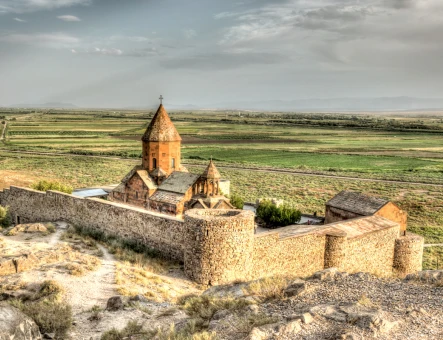
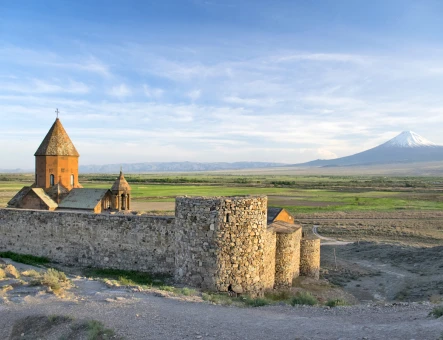
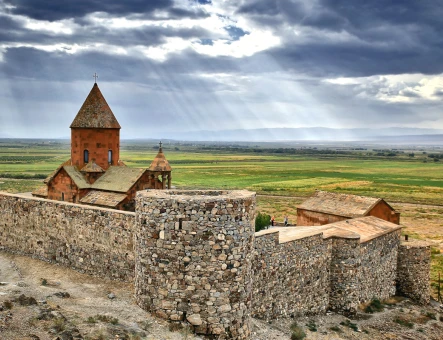
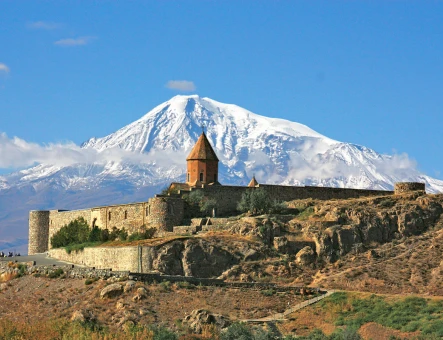
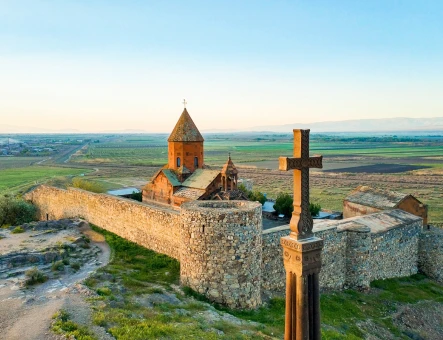
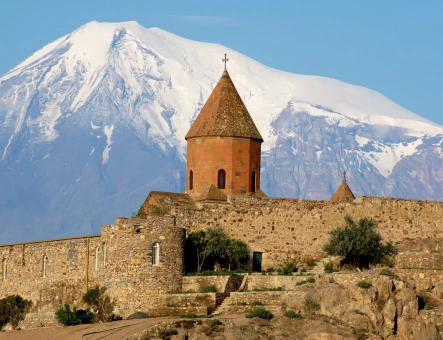
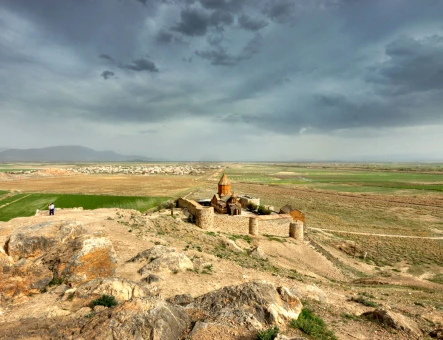
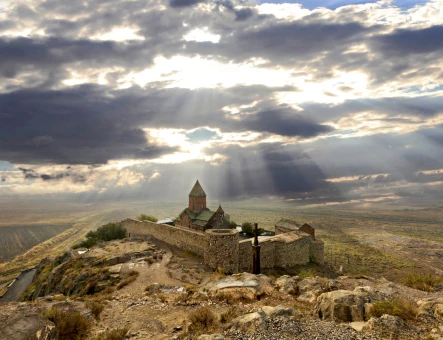
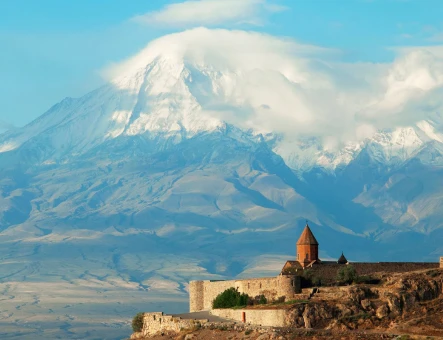
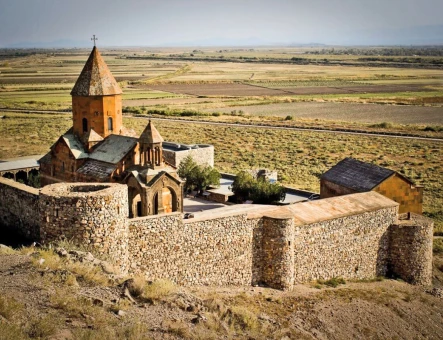
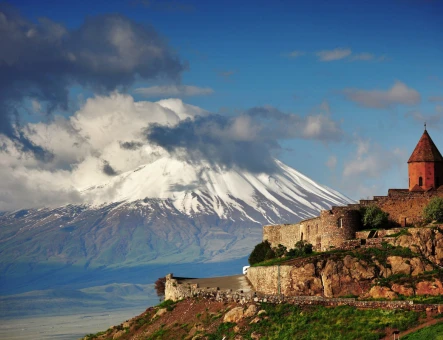
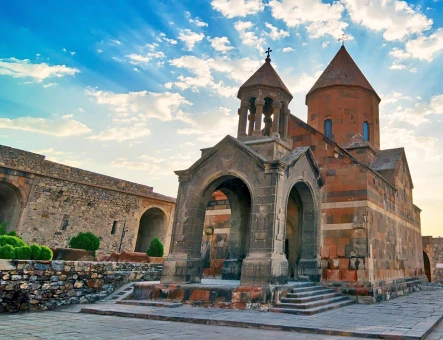
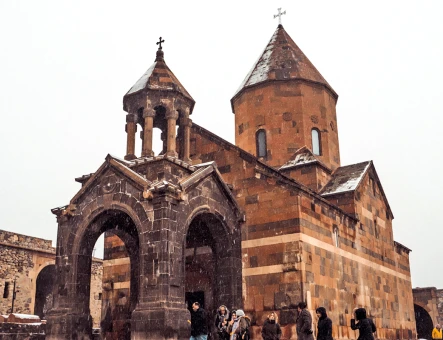
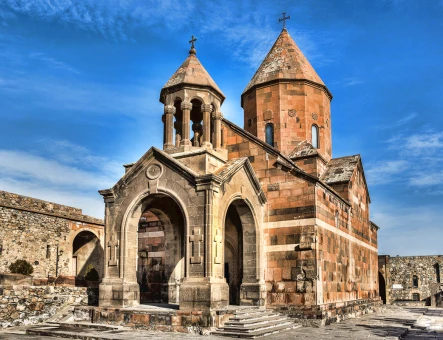
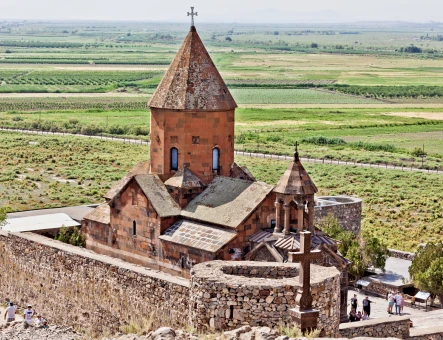
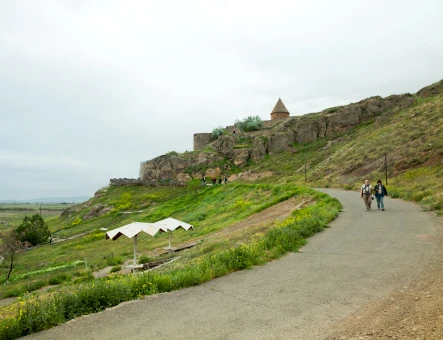
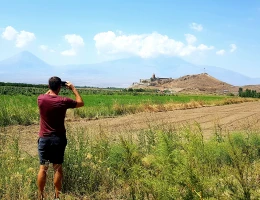
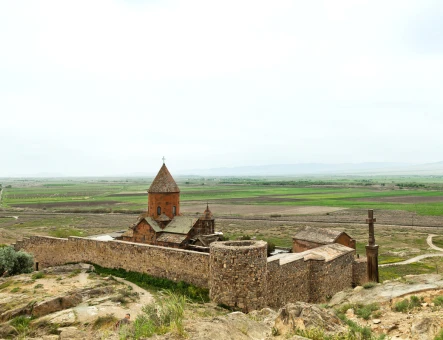
In the wide embrace of the Ararat Valley, where the air shimmers beneath the watchful gaze of a snow-crowned giant, stands Khor Virap – a shrine where legend, faith and the heartbeat of Armenia merge into one. Here, so the story goes, a deep and silent pit held Gregory the Illuminator, condemned by King Tiridates III for daring to preach a new light to his people. Years slipped by in darkness, yet within those stone walls a miracle unfolded: Gregory's hands healed the very king who had ordered his chains. Struck by grace, Tiridates raised the banner of Christianity, making Armenia the first nation to embrace it as a state faith.

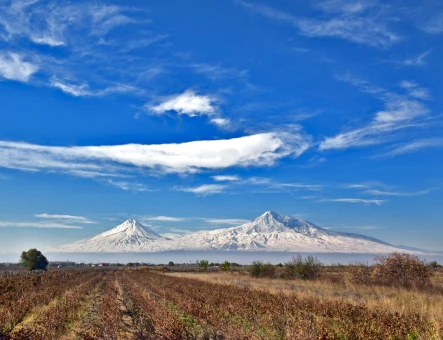
Today, visitors can descend into the same narrow cell, breathing the cool air that still carries the weight of unending prayers. From this hill, Mount Ararat rises so close it feels within reach – its slopes bathed in gold at dawn, then clothed in crimson fire as the sun sinks beyond the horizon. Khor Virap remains a place where time pauses, where the whisper of history lingers in the wind and where the sight of Ararat awakens something eternal within the soul.

There is a story that Noah landed his ark on the slopes of Masis and planted a grapevine there. In August, when the snow on Mount Sis melts, the grapes give their first harvest in honor of the victory of the patriarch Hayk, which begins the New Year of the Armenian pagan calendar and now it is celebrated as the grape blessing. In October, when the snow covers the slopes of Sis with its sheet, Armenians make a "machar" (young wine) to mark the time for making wine and thus begins the wine festival.

2. Azat Reservoir
10-20 min
Attraction page
Azat Reservoir Azat Reservoir Azat Reservoir Azat Reservoir Azat Reservoir Azat Reservoir
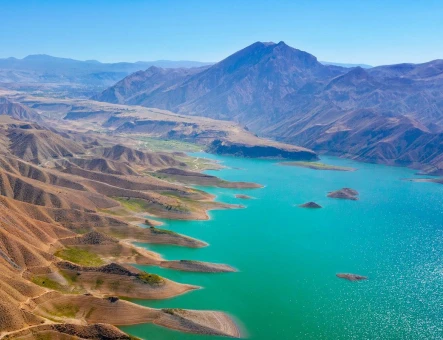
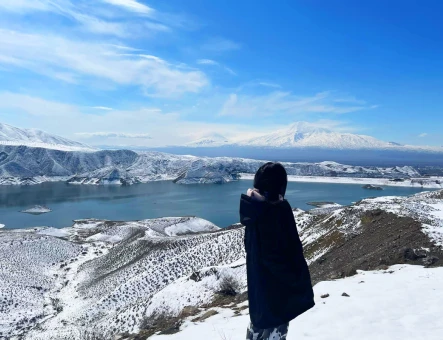
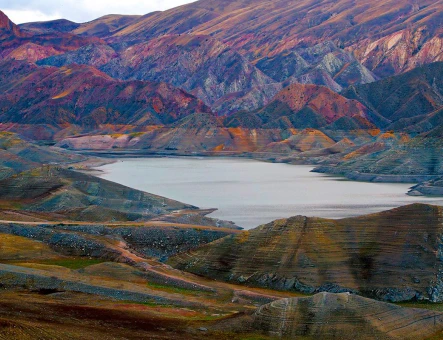
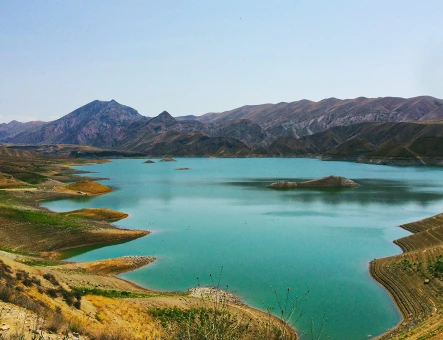
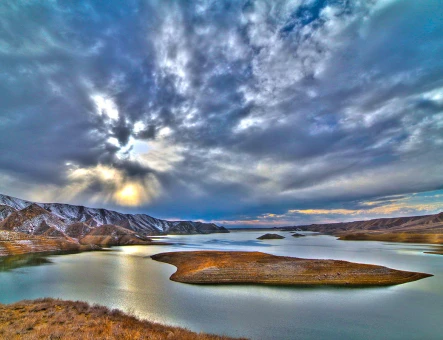
Azat Reservoir (1050 m above sea level) is located in Ararat province. It was put into operation in the year of 1976 with the aim of being used for irrigation of the Ararat Valley. The area makes 2.85 sq. km, while the total volume is 70 million cubic m. The reservoir is surrounded by mountains and within many years it has kept admiring visitors. The reflection of the Sun/Moon combined with clouds in water "spreads" a unique impression.

3. Arch of Charents

15-20 min
Attraction page
Arch of Charents Arch of Charents Arch of Charents Arch of Charents Arch of Charents Arch of Charents
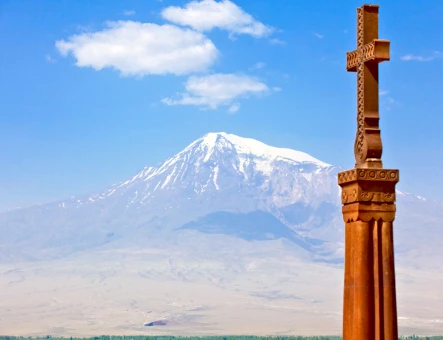
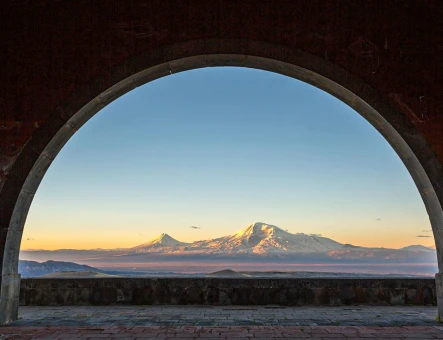
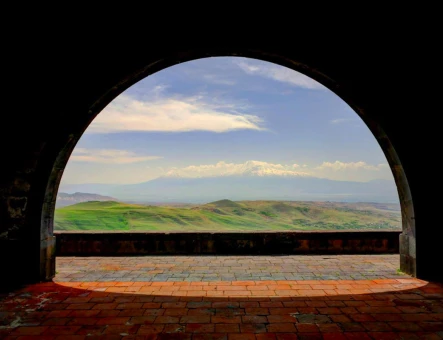
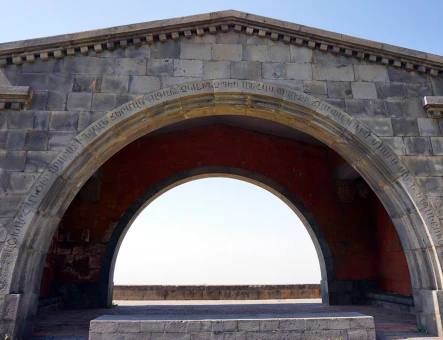
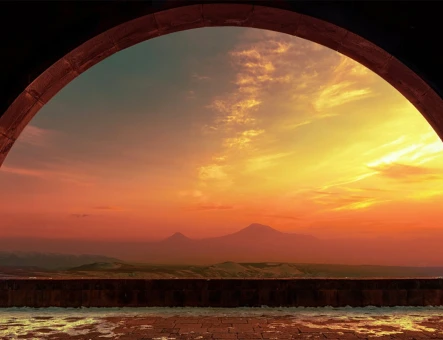
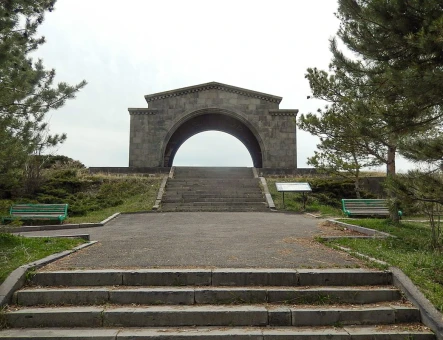
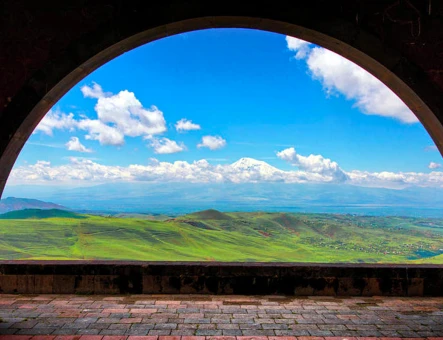
The monument "Arch of Charents" was created by architect Raphael Israelyan. One day on his way to Garni he stopped at this place and, noticing that a picturesque view opens from there to the Mount Ararat, he decided to build an arch as a "temple" to Ararat. The Arch was constructed in 1957, on occasion of the 60th anniversary of the great Armenian poet Yeghishe Charents. It is said, that the poet was also fond of walking around this place. It is like a picture frame, from where a mesmerizing view opens to the Ararat valley with Masis floating in distance. The following words completing Charents' famous poem are carved on the front aperture along the arch:
"There is no summit as snow-white as that of lofty Ararat;
Like an inaccessible path to glory, I love my Mount Masis!"

You can make here stunning pictures against the backdrop of the Arch and Mountain Ararat, only the weather should be clear.

4. Garni Temple
60-70 min
Attraction page
Garni Temple Garni Temple Garni Temple Garni Temple Garni Temple Garni Temple Garni Temple Garni Temple Garni Temple Garni Temple Garni Temple Garni Temple Garni Temple Garni Temple Garni Temple Garni Temple Garni Temple Garni Temple Garni Temple Garni Temple Garni Temple Garni Temple Garni Temple Garni Temple Garni Temple Garni Temple
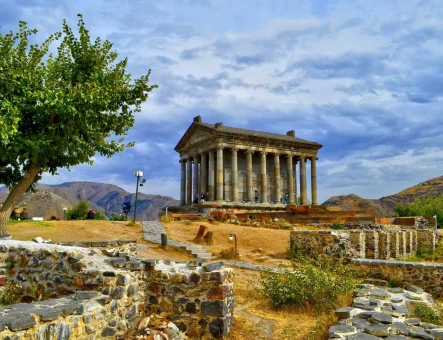
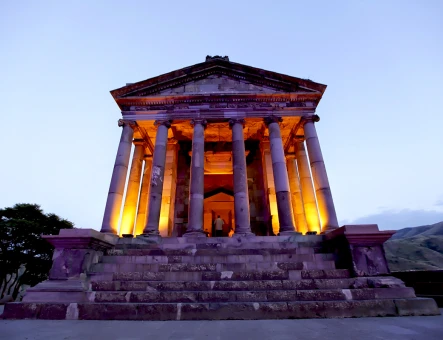
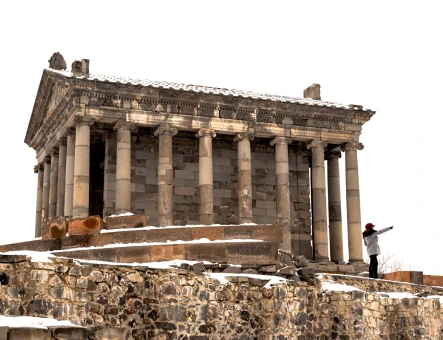
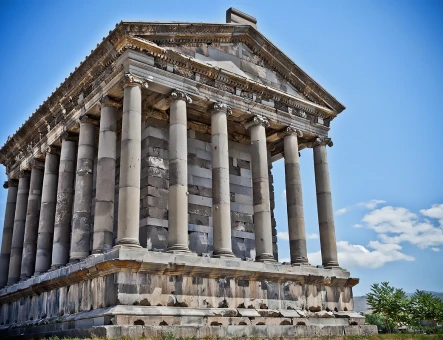
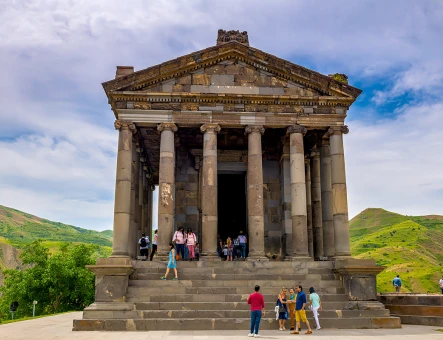
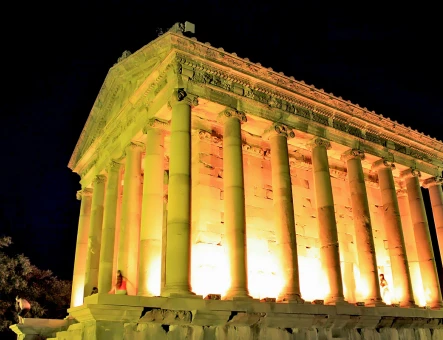
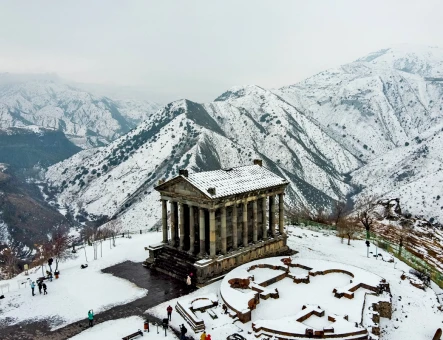
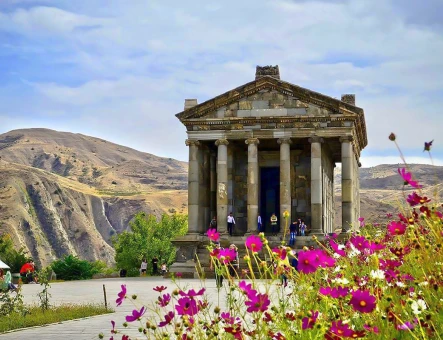
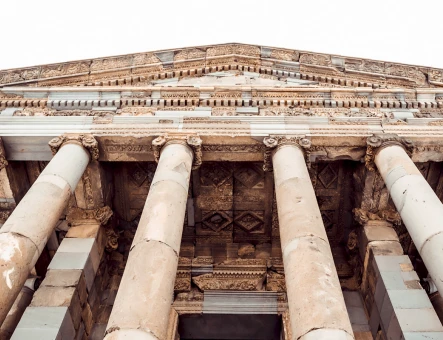
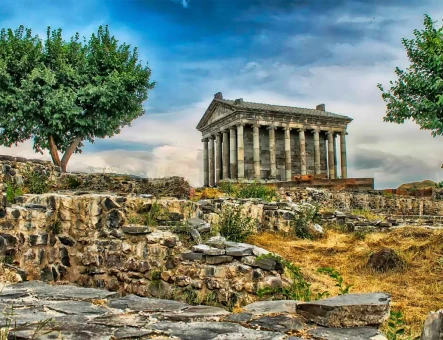
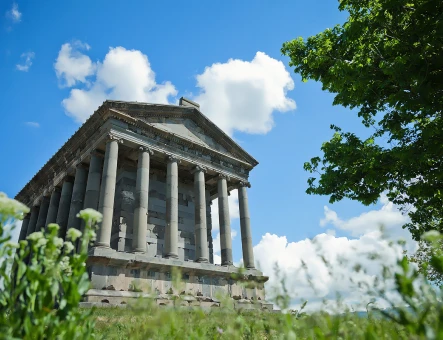
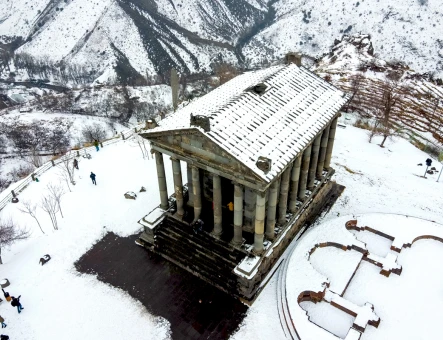
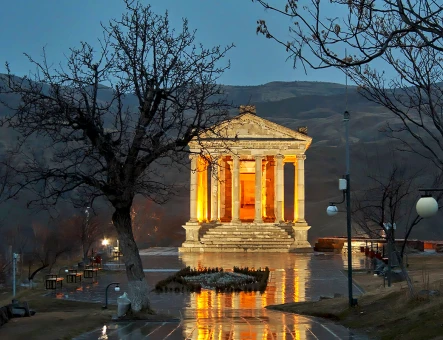
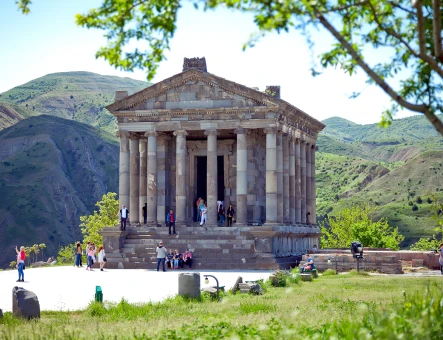
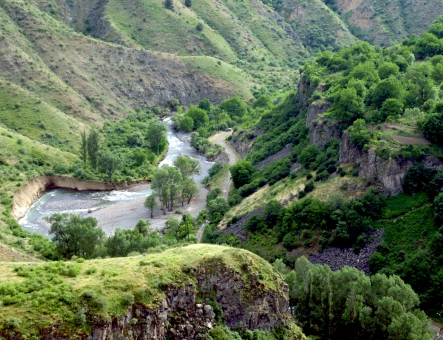
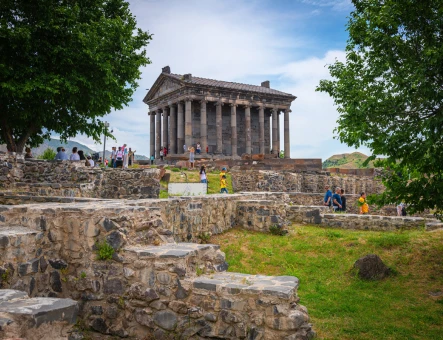
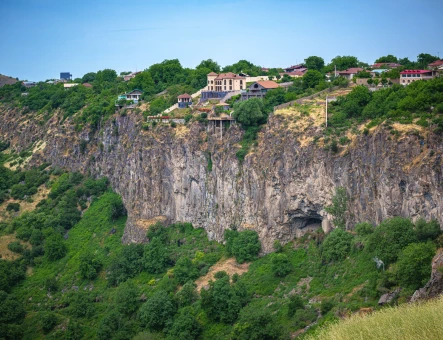
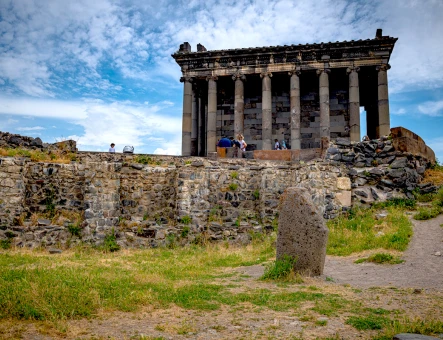
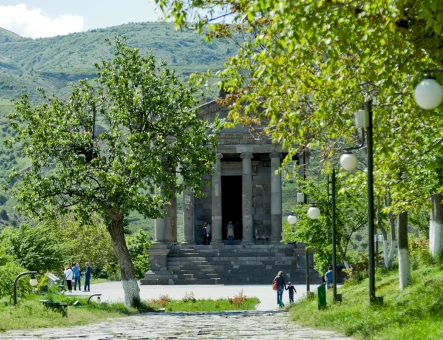
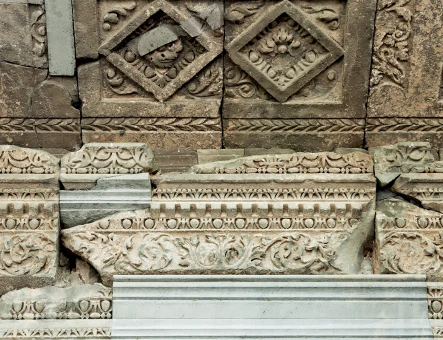
On the edge of a triangular cliff, high above the roaring waters of the Azat River, rises the pagan temple of Garni the sole guardian of Armenia's classical heritage that has survived the centuries. Its elegant columns, turned toward the sun, seem to continue their silent homage to Mihr, the solar god to whom the temple was dedicated.

In the 1st century AD, King Tiridates I ordered a sanctuary to be built here, from which endless views of mountains and gorges unfolded, as if the Sun itself blessed these lands. When Christianity reached Armenia, the ancient rites fell silent and Garni became a royal summer residence, where the echoes of prayers gave way to music, leisure and inspiration.

In 1679, the earth shook and the temple collapsed into a pile of stones, as though history itself had closed a chapter. For nearly three centuries it slept in ruins, until the 20th‑century restoration returned Garni to its classical splendor.

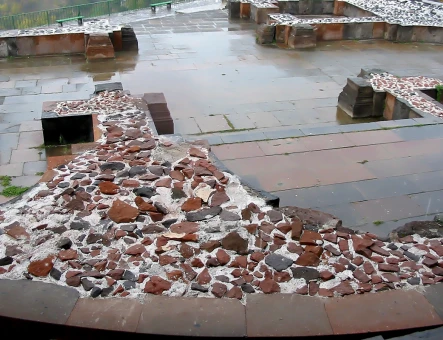
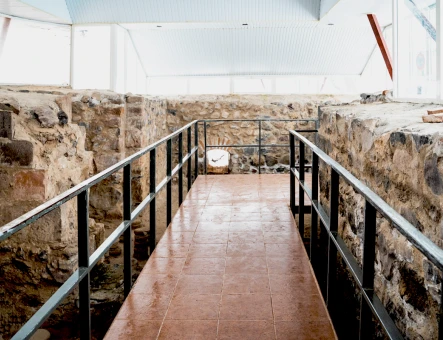
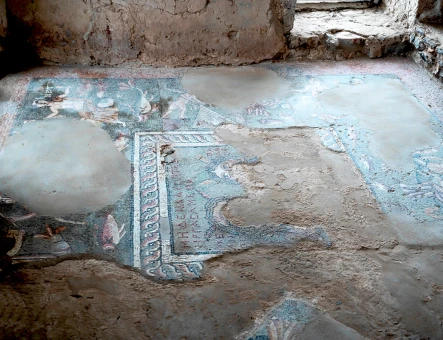
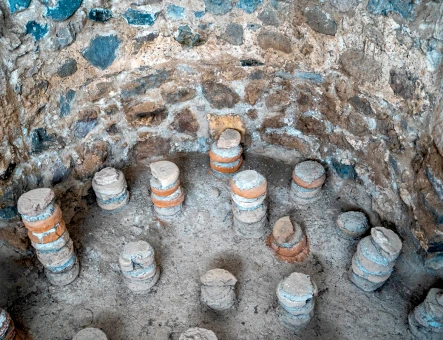
Today, visitors can see traces of the fortress and the royal palace, as well as the mosaics in the king's bathhouse one of which bears the enigmatic inscription: "We worked and got nothing." This suggests that the building and the masterpiece of art were a gift to the Armenian king. Today, once every four years, a fire is lit in the temple as a symbol of the Pan-Armenian Games that bring together in homeland Armenian youth from around the world.

Standing on the edge of the cliff, you may feel the wind carrying the echo of priestly hymns, the footsteps of kings and the breath of ancient Armenia, where legend and history become one.

5. Geghard Monastery
60-70 min
Attraction page
Geghard Monastery Geghard Monastery Geghard Monastery Geghard Monastery Geghard Monastery Geghard Monastery Geghard Monastery Geghard Monastery Geghard Monastery Geghard Monastery Geghard Monastery Geghard Monastery Geghard Monastery Geghard Monastery Geghard Monastery Geghard Monastery Geghard Monastery Geghard Monastery Geghard Monastery Geghard Monastery Geghard Monastery Geghard Monastery Geghard Monastery Geghard Monastery Geghard Monastery Geghard Monastery Geghard Monastery Geghard Monastery Geghard Monastery Geghard Monastery Geghard Monastery Geghard Monastery Geghard Monastery
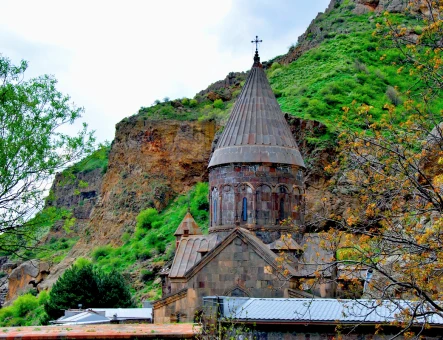
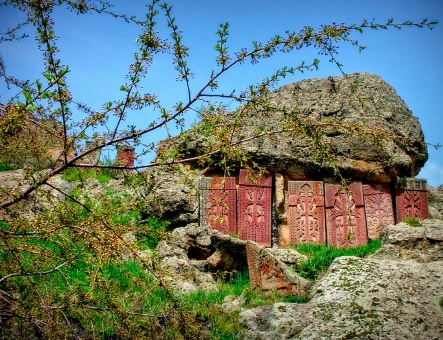
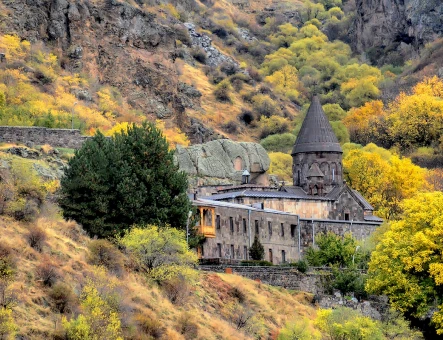
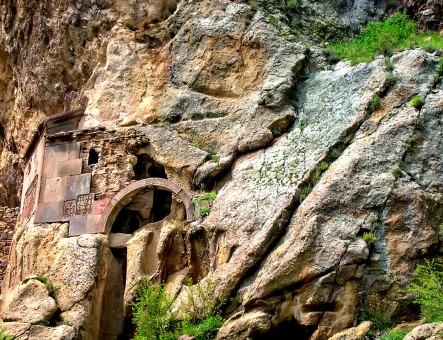
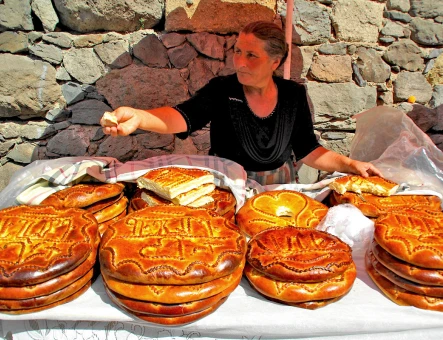
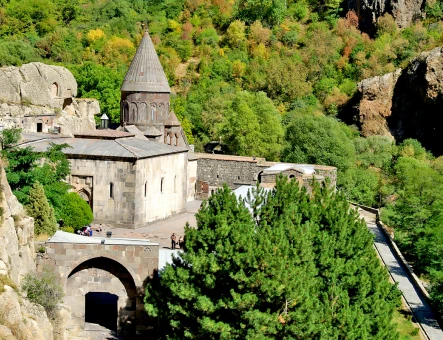
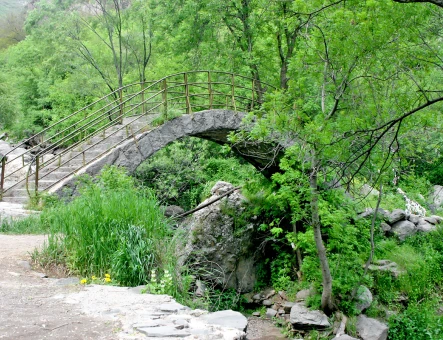
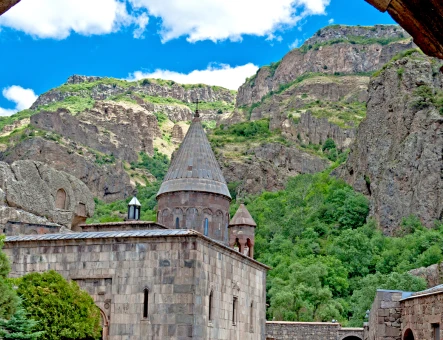
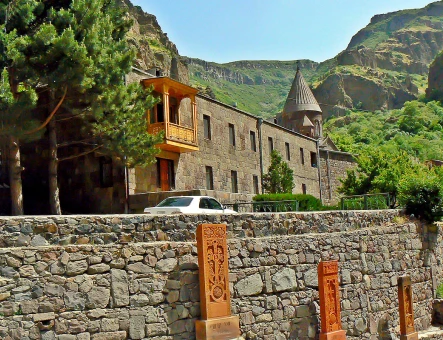
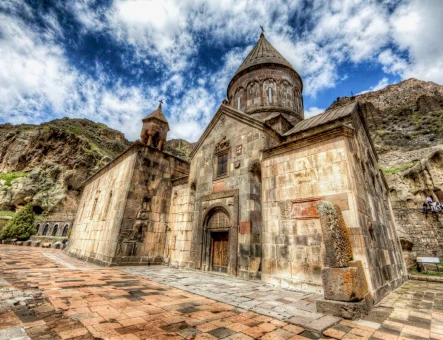
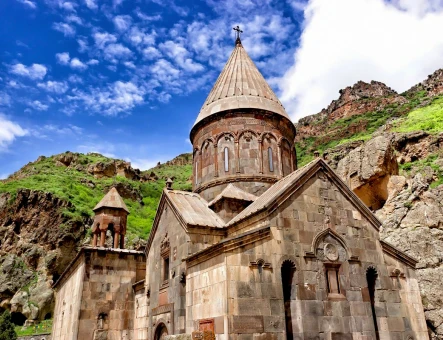
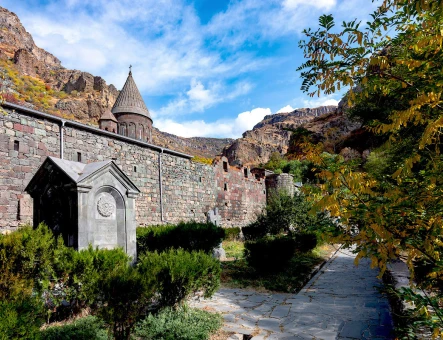
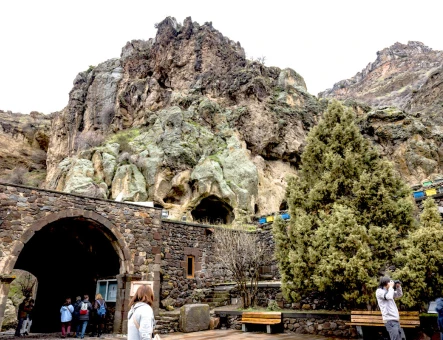
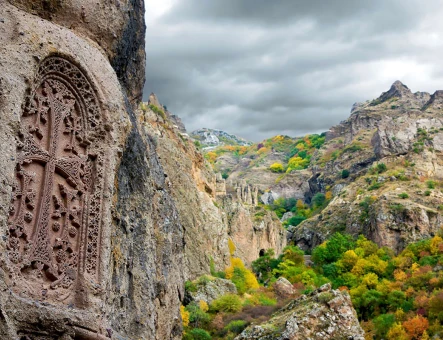
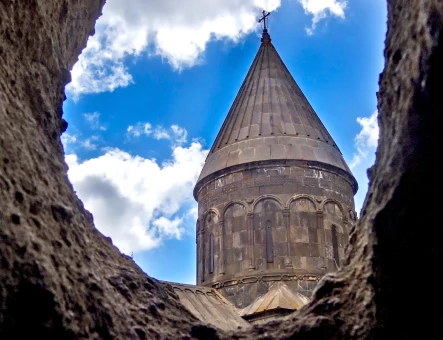
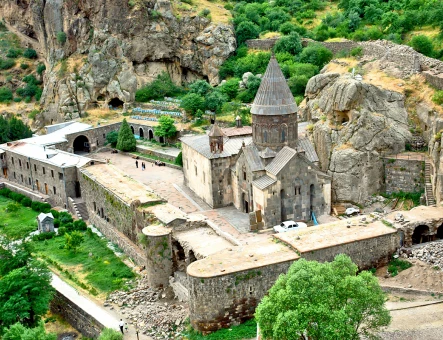
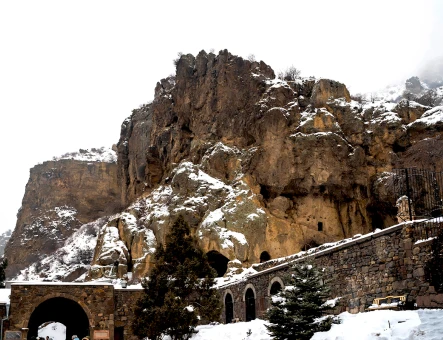
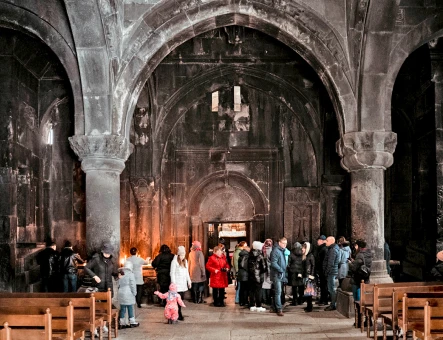
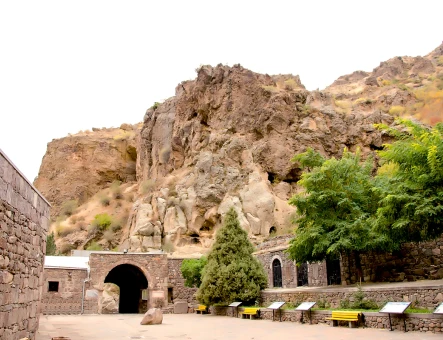
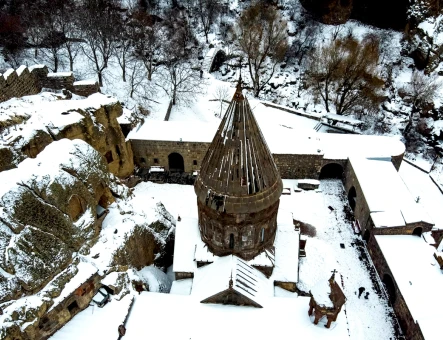
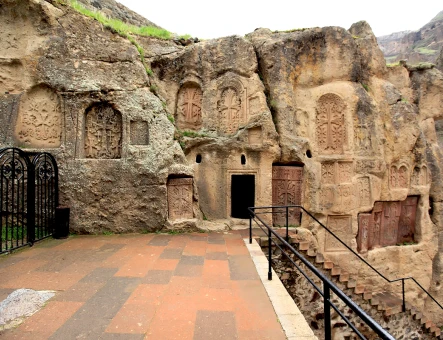
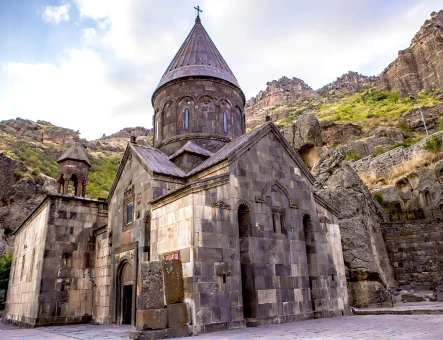
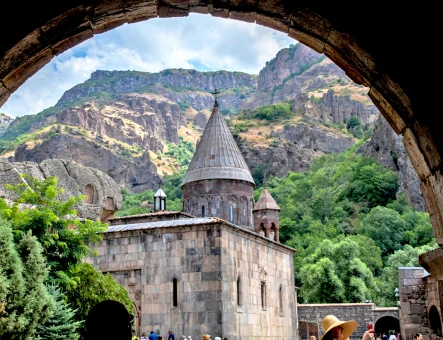
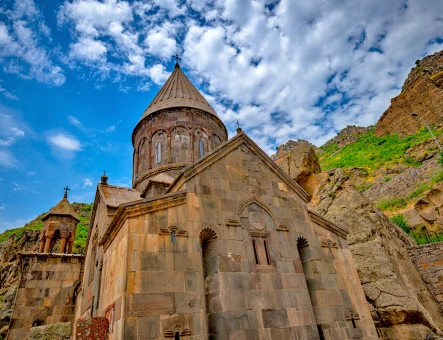
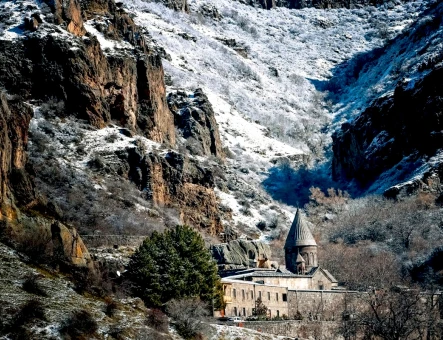
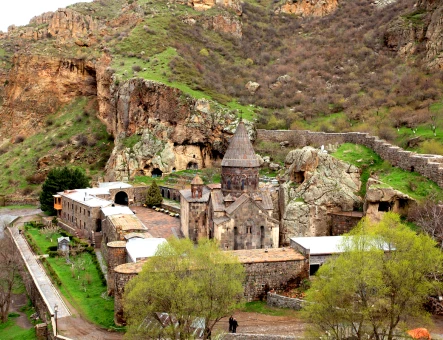
Amid the wild cliffs of Kotayk Gorge, where the wind carries the scent of stone and pine, the Monastery of Geghard appears as if the mountain itself had carved a sanctuary for eternity. Its walls, half fortress and half cave, rise from the rock like a prayer solidified in stone. Here, silence is alive filled with the soft echo of centuries‑old hymns.

In the 12th-13th centuries, monks shaped a world unlike any other. They dug churches and cells straight into the mountainside, creating a hidden realm first known as Ayrivank, the "Cave Monastery". Later, the site took the name Geghard the "Spear" in honor of the sacred relic said to have pierced Christ's body.

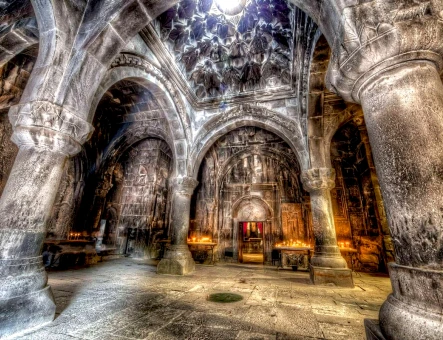
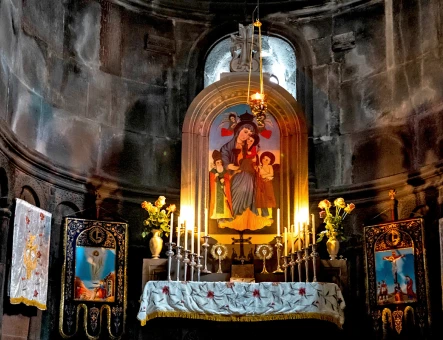
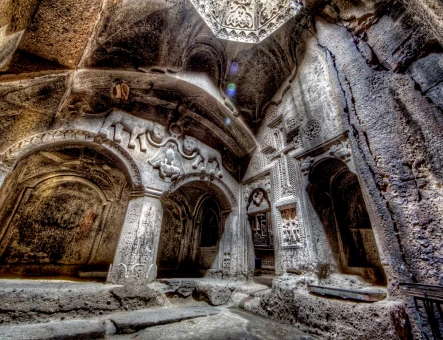
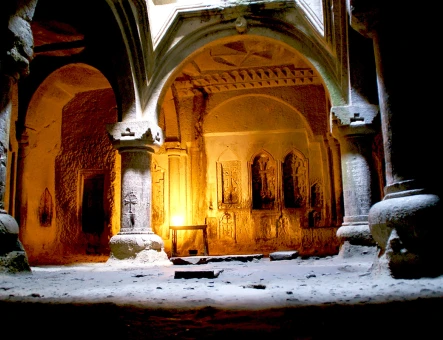
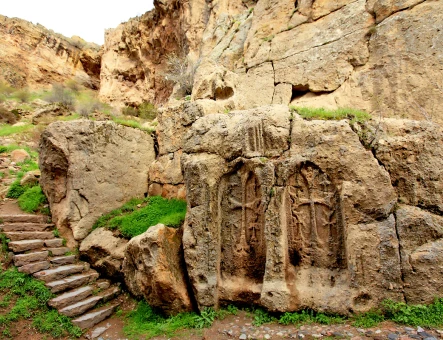
The ensemble is a dialogue between earth and heaven: the main Katoghike Church, its shadowed narthex, the secretive cave chapels, a small oratory and the Church of the Holy Mother of God, the eldest of the stones. The cool halls cut into the heart of the mountain feel alive, keeping the breath of pilgrims who once arrived barefoot, whispering prayers into the darkness. Among the rock-cut monasteries and cells, medieval Armenian heraldry stands out, demonstrating the power of Armenian princely families, the charm of palace architecture and dazzling weavings and ornaments long before the Renaissance.

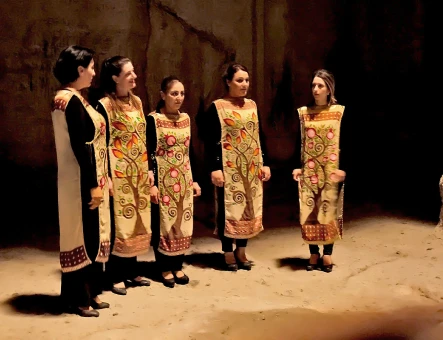
Today, Geghard is not just a monument on the UNESCO World Heritage List it is a living miracle. Step through the rock‑hewn archways and time bends. Shafts of light slip through narrow openings, turning the cavern walls to gold and for a heartbeat, the earthly and the divine are one.

Inclusions

  • Professional drivers

  • Air-conditioned vehicles

  • Bottled water

  • Free pick-up & drop-off within Yerevan

  • Vehicle & passengers insurance

  • Extra stops on the route upon request

Exclusions

  • Significant deviations from the route

  • Alcoholic beverages if lunch option selected

  • Audio guides

  • Wi-Fi in the vehicles

Booking conditions

Cancellation & modification

Meet our Guides
Samvel Mkrtumyan

Samvel Mkrtumyan

RU HY EN

Hi, I'm Samvel. With degrees in international relations and history, and years of connecting people from all walks of life, I've turned my passion for stories into guiding. I love revealing Armenia's hidden gems, sharing its quirky legends, and showcasing its breathtaking sights. It's fun, pal. Let's enjoy it together!

Hasmik Manukyan

Hasmik Manukyan

RU DE

My name is Hasmik Manukyan. I have extensive experience and hold a tour guide license. I conduct excursions in two languages – Russian and German. I completed guide-interpreter courses in Yerevan, advanced training courses at the Institute for Continuing Education in Moscow and participated in an international training program, for which I hold certificates. I love my job and meeting new people. Every time, I’m delighted to introduce guests to the beauty and landmarks of my country, striving to ensure they leave satisfied, in love with Armenia and eager to return again.

Gayane Harutyunyan

Gayane Harutyunyan

HY EN IT

Armenia should be visited with an open heart. As your guide, I don’t just offer tours – I create meaningful experiences that connect you deeply with Armenia’s history, culture, and people. With genuine love for my country, passion for its stories, and local insight, I make every journey personal, engaging and unforgettable – turning every place into a living memory you’ll carry with you.

Manya Gevorgyan

Manya Gevorgyan

RU HY EN

I have been a tour guide since 2015. To this day, every excursion is a great source of positive energy for me. During the tours, you will not only get acquainted with the sights, the country's history, and its architectural features, but also feel the full charm of the Armenian emotional mindset and lifestyle.

map