Private tour: Yerevan main sights, Erebuni, Tsitsernakaberd, Genocide Museum, Matenadaran

Yerevan, Erebuni Museum & Fortress, Tsitsernakaberd Memorial, Armenian Genocide Museum, Matenadaran – The Museum of Ancient Manuscripts

1. Yerevan (main sights)

40-60 min
Attraction page
Yerevan (main sights) Yerevan (main sights) Yerevan (main sights) Yerevan (main sights) Yerevan (main sights) Yerevan (main sights) Yerevan (main sights) Yerevan (main sights) Yerevan (main sights) Yerevan (main sights) Yerevan (main sights) Yerevan (main sights) Yerevan (main sights) Yerevan (main sights) Yerevan (main sights) Yerevan (main sights) Yerevan (main sights) Yerevan (main sights) Yerevan (main sights) Yerevan (main sights) Yerevan (main sights) Yerevan (main sights) Yerevan (main sights) Yerevan (main sights) Yerevan (main sights) Yerevan (main sights) Yerevan (main sights) Yerevan (main sights) Yerevan (main sights) Yerevan (main sights) Yerevan (main sights) Yerevan (main sights) Yerevan (main sights)
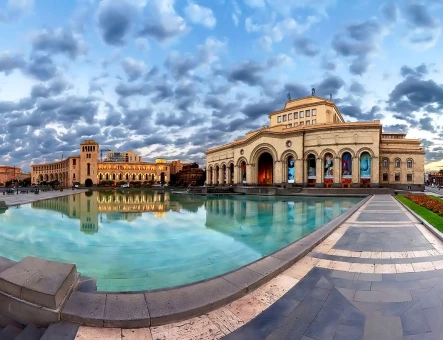
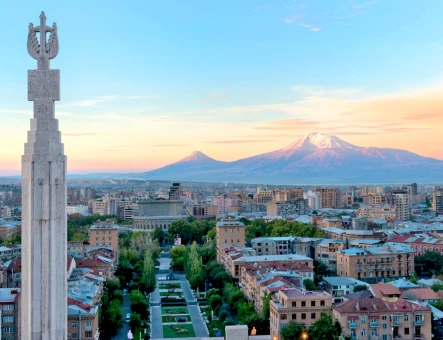
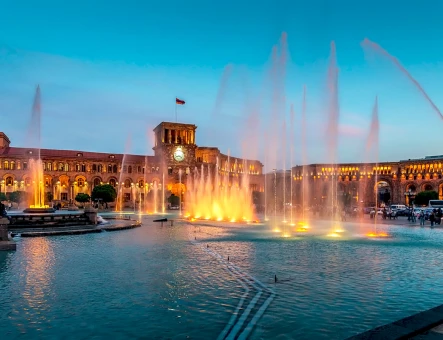
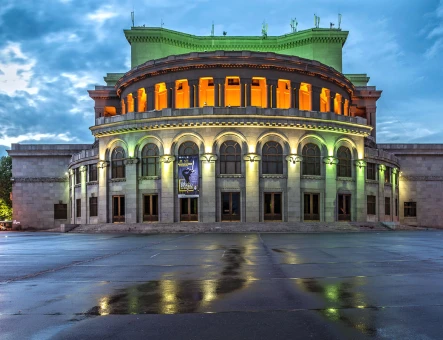
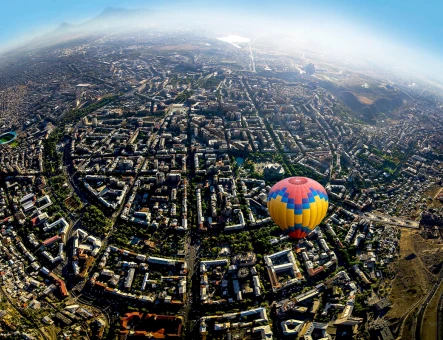
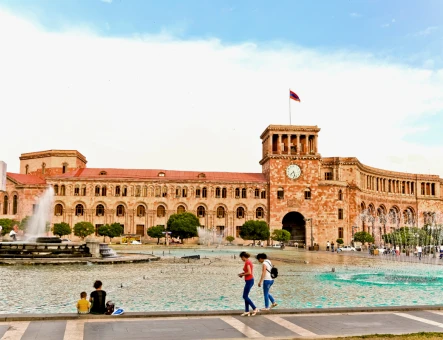
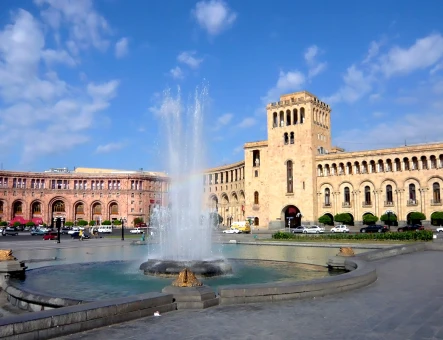
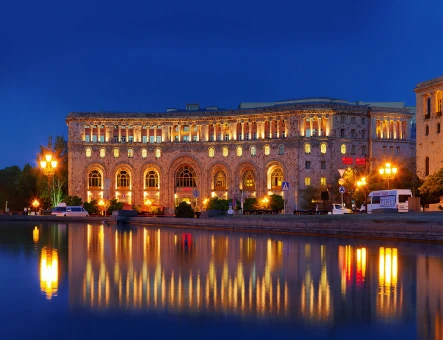
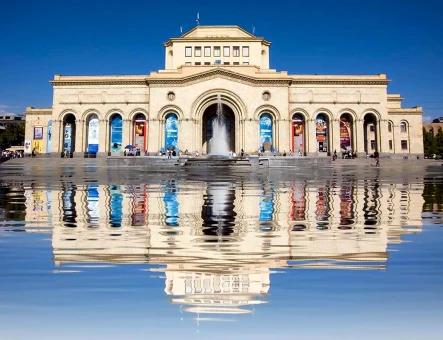
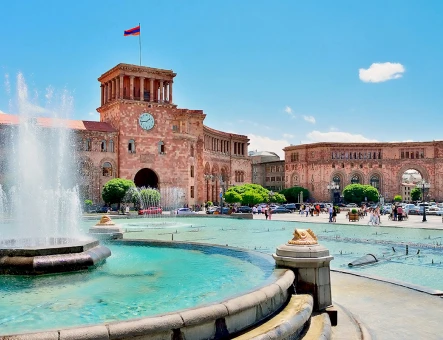
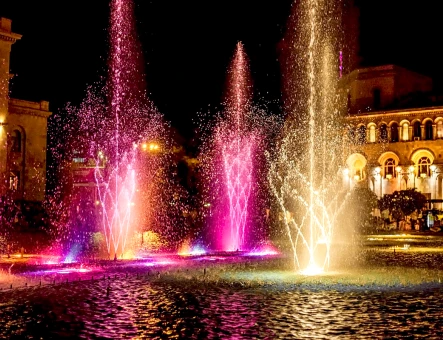
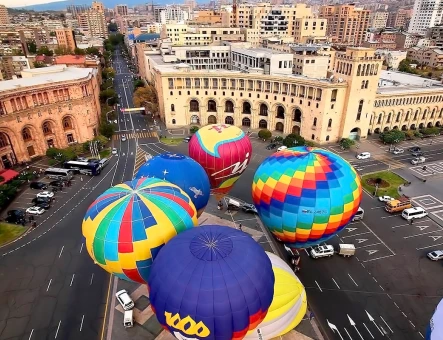
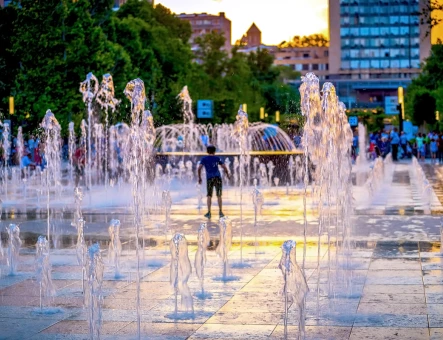
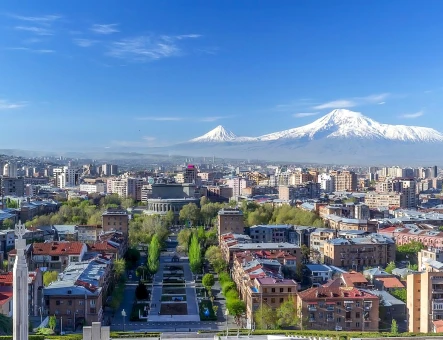
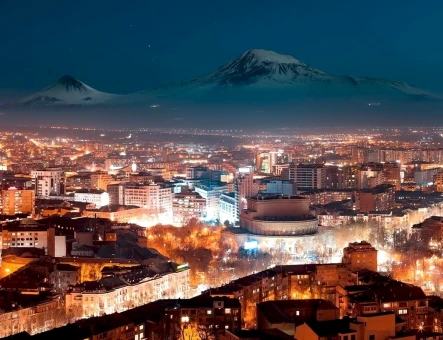
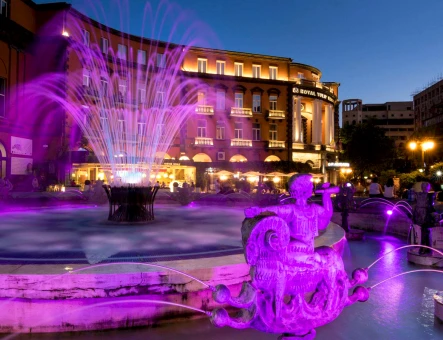
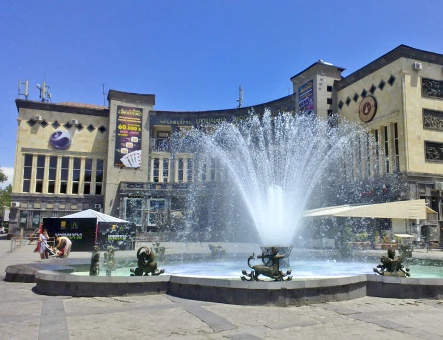
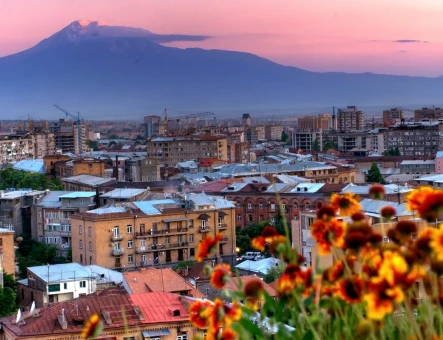
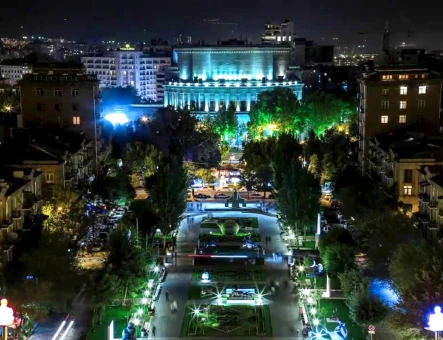
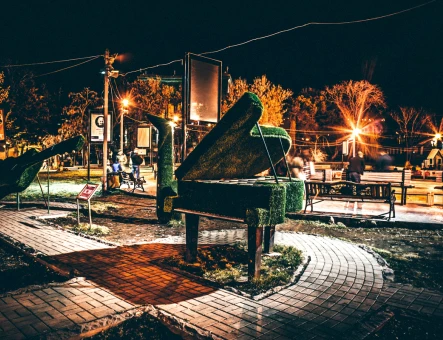
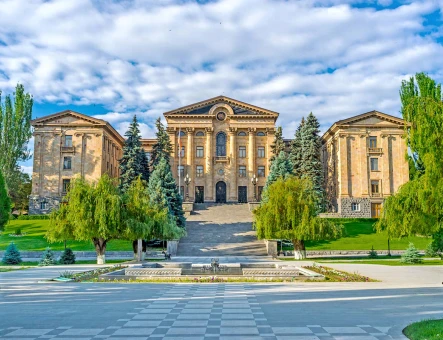
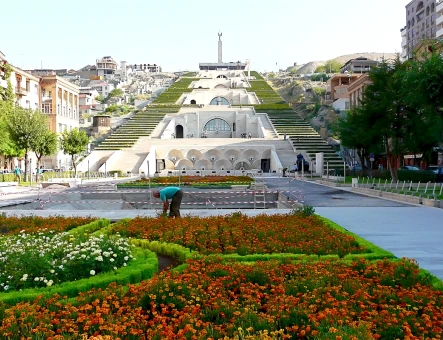
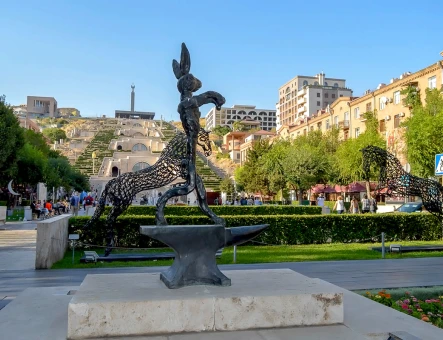
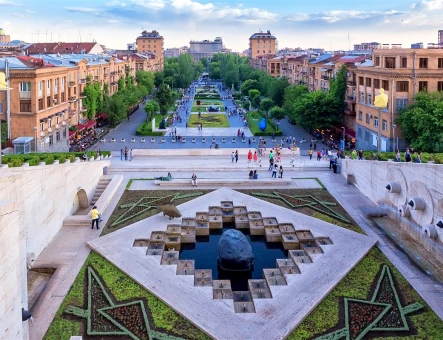
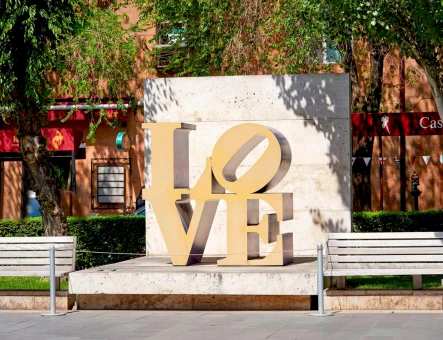
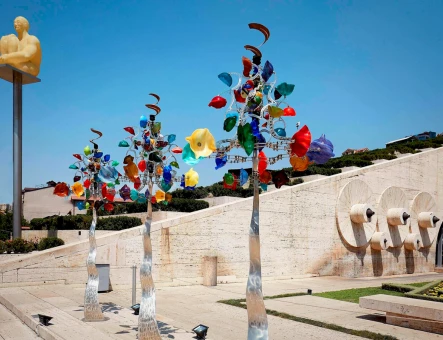
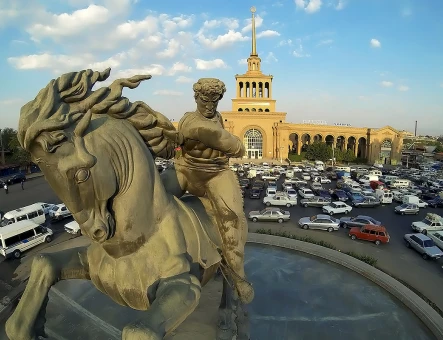
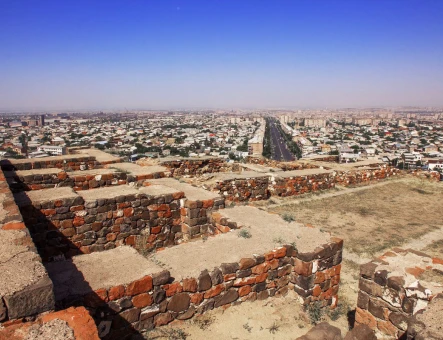
Yerevan is the capital city of Armenia, a city, which is 29 years older than Rome! It dates back to 782 BC, when the fortress of Erebuni was built by king Argishti The First. Yerevan is often referred to as "The Pink City" for many buildings are made of pink tuff stone. The capital city is a major tourist destination thanks to its numerous landmarks, extensive nightlife, great museums and lovely parks. A walking tour is the best way to really get immersed in Yerevan's culture, history and cuisine. One of the truly magnificent sights is Republic Square with musical fountains: from early May till mid-autumn there is a fantastic singing-dancing fountains show, accompanied by some great music of various genres. Another sight not to be missed is Cascade Complex, offering absolutely breathtaking views from the top to the city. You can fully enjoy it at night, when Yerevan lights up.

2. Erebuni Museum and Fortress
50-60 min
Attraction page
Erebuni Museum and Fortress Erebuni Museum and Fortress Erebuni Museum and Fortress Erebuni Museum and Fortress Erebuni Museum and Fortress Erebuni Museum and Fortress Erebuni Museum and Fortress Erebuni Museum and Fortress Erebuni Museum and Fortress Erebuni Museum and Fortress Erebuni Museum and Fortress Erebuni Museum and Fortress Erebuni Museum and Fortress Erebuni Museum and Fortress Erebuni Museum and Fortress Erebuni Museum and Fortress Erebuni Museum and Fortress Erebuni Museum and Fortress Erebuni Museum and Fortress Erebuni Museum and Fortress Erebuni Museum and Fortress
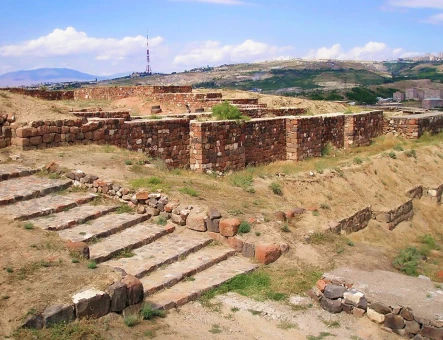
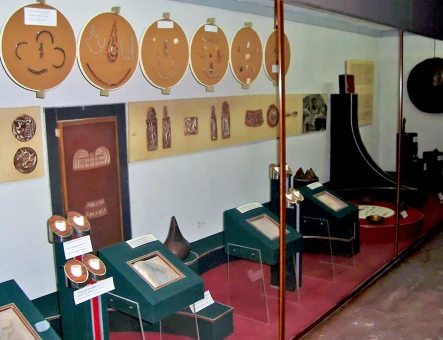
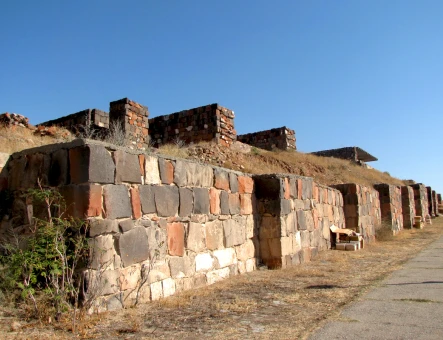
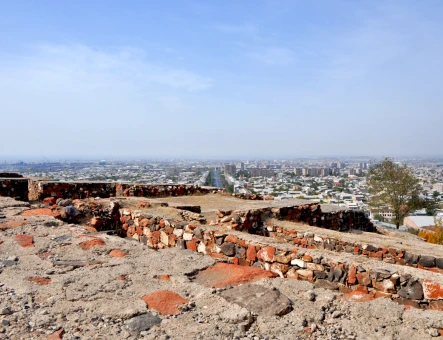
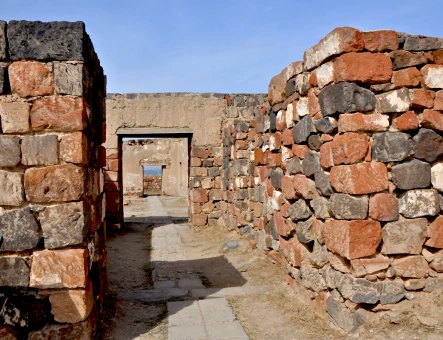
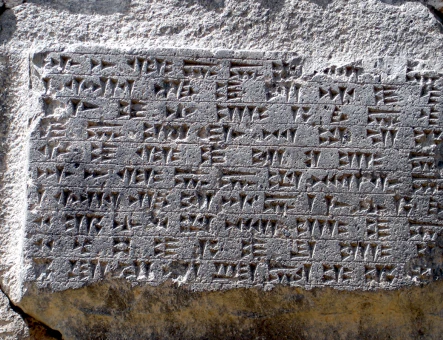
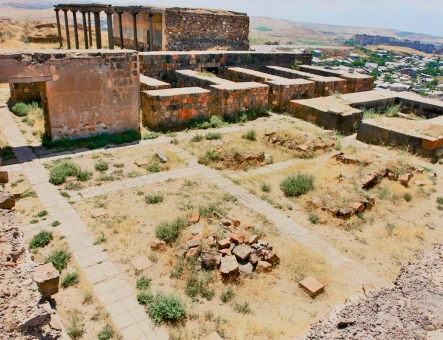
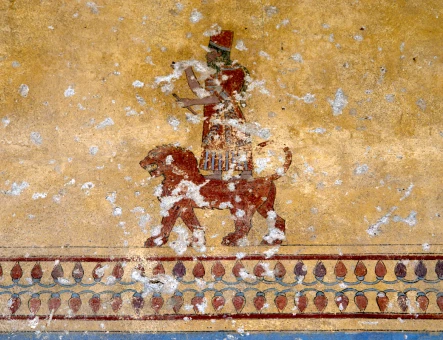
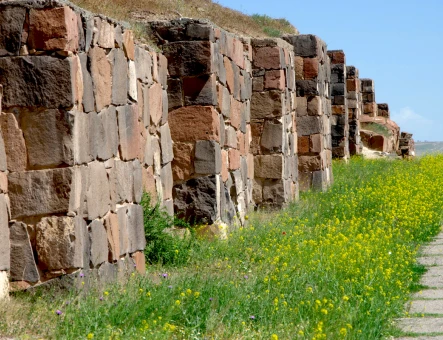
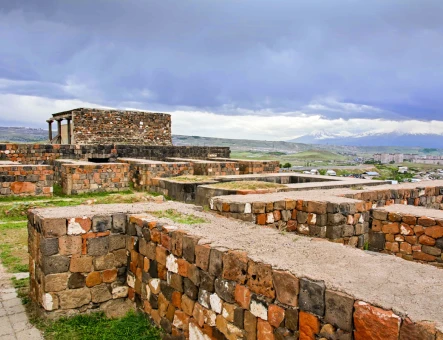
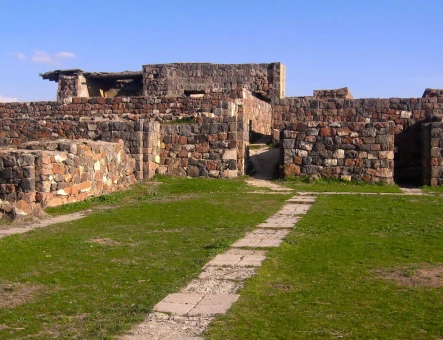
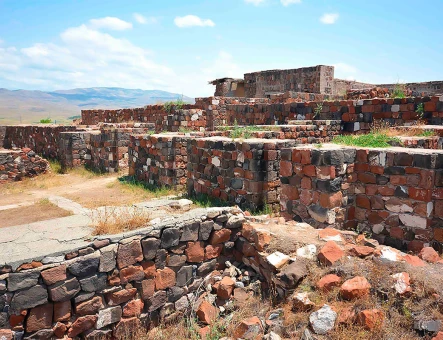
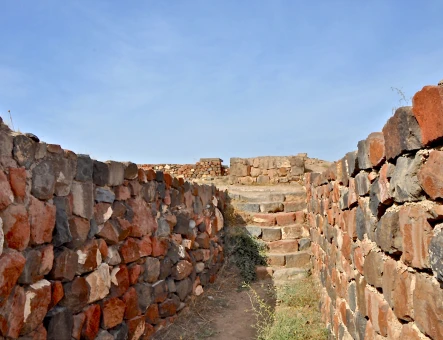
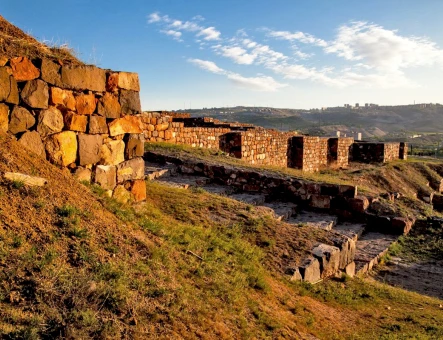
On the hill of Arin Berd, where the wind whispers stories from millennia ago, stand the ruins of Erebuni Fortress, the cradle of modern Yerevan. It was founded in 782 BC by order of the Urartian king Argishti I, built to guard the borders of a mighty kingdom and to control vital trade routes. Because of its ancient age, Yerevan is as old as historical events like the founding of Rome and the first Olympic Games in Ancient Greece.

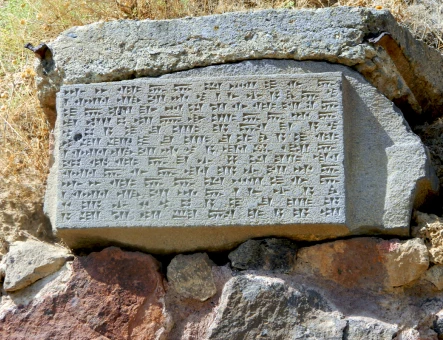
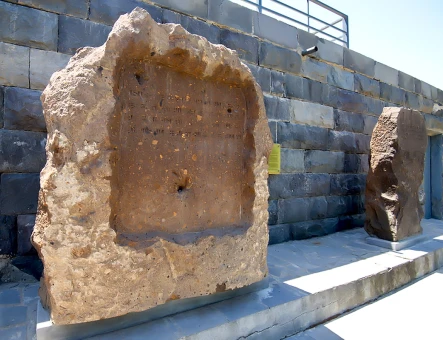
From here, a sweeping panorama unfolds the same view that likely inspired the ancient warriors and builders who raised the massive walls of stone and mudbrick. Buried under the earth for centuries, the fortress began to reveal its secrets in the 19th century, when the first archaeological excavations took place. In the 1950s, large‑scale research uncovered the most significant find: a cuneiform tablet with a message from King Argishti, marking the birth and purpose of Erebuni.

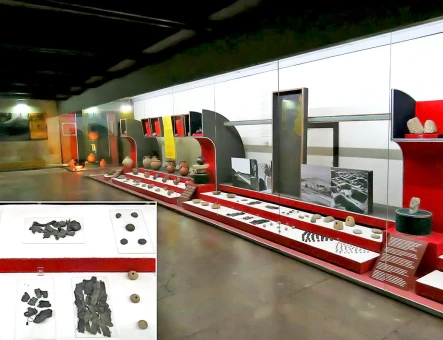
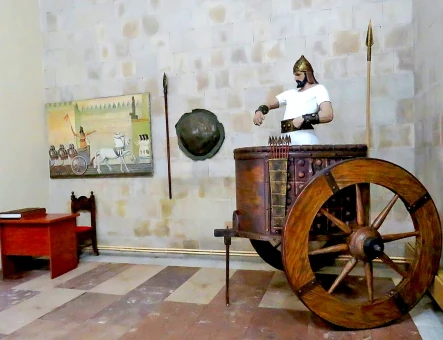
Every discovery from weapons and ceramics to jewelry revives the life of the ancient citadel.

Today, these artifacts are preserved and displayed in the Erebuni Museum at the foot of the hill, where the story of the fortress continues for modern travelers.

3. Tsitsernakaberd Memorial
15-20 min
Attraction page
Tsitsernakaberd Memorial Tsitsernakaberd Memorial Tsitsernakaberd Memorial Tsitsernakaberd Memorial Tsitsernakaberd Memorial Tsitsernakaberd Memorial Tsitsernakaberd Memorial Tsitsernakaberd Memorial Tsitsernakaberd Memorial Tsitsernakaberd Memorial Tsitsernakaberd Memorial Tsitsernakaberd Memorial Tsitsernakaberd Memorial Tsitsernakaberd Memorial Tsitsernakaberd Memorial Tsitsernakaberd Memorial Tsitsernakaberd Memorial Tsitsernakaberd Memorial Tsitsernakaberd Memorial Tsitsernakaberd Memorial Tsitsernakaberd Memorial Tsitsernakaberd Memorial Tsitsernakaberd Memorial Tsitsernakaberd Memorial
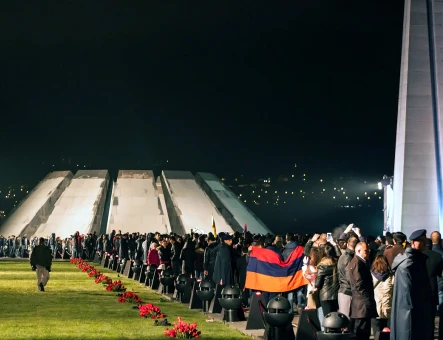
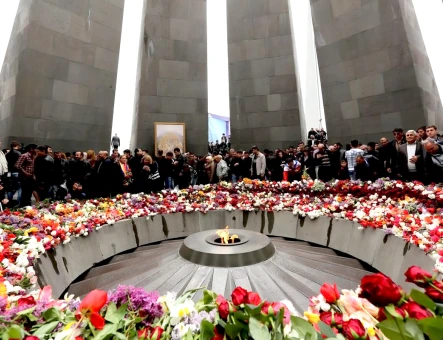
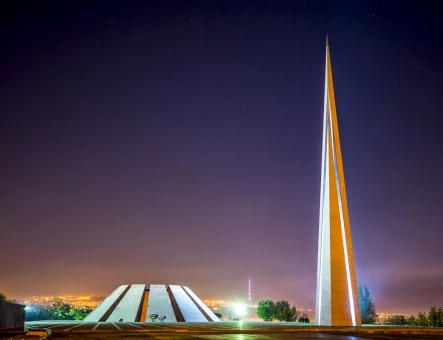
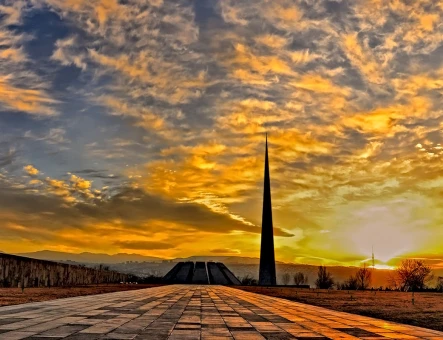
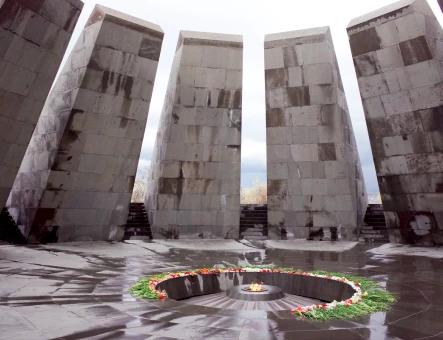
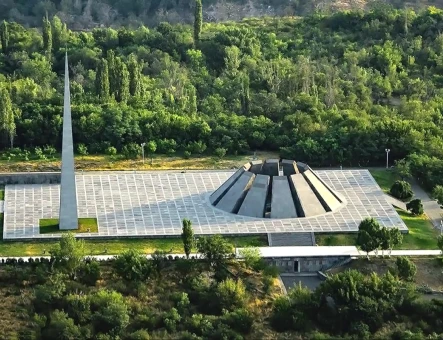
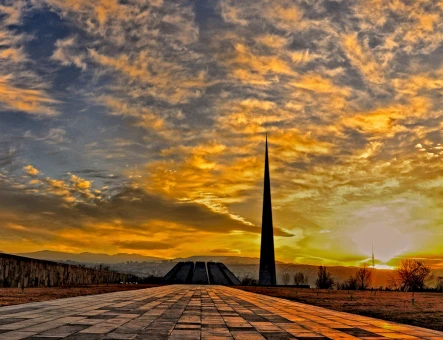
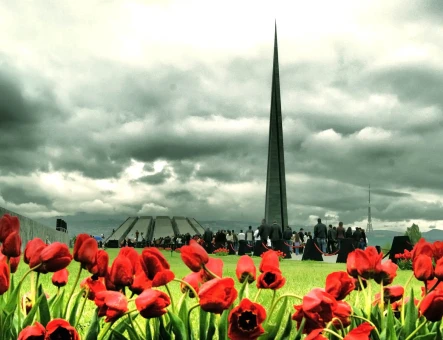
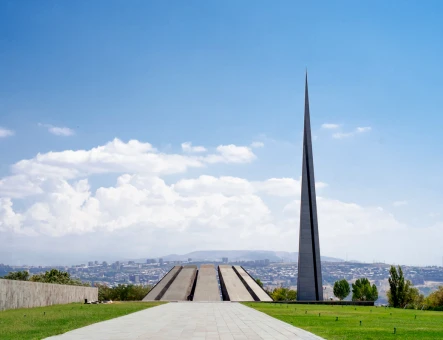
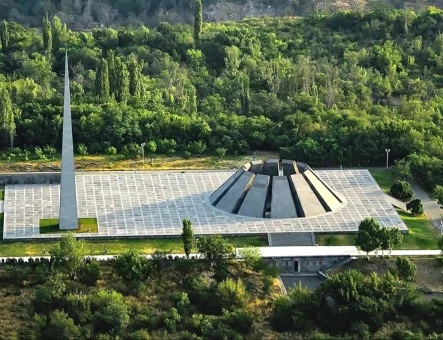
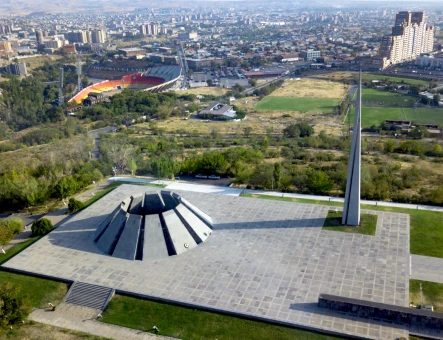
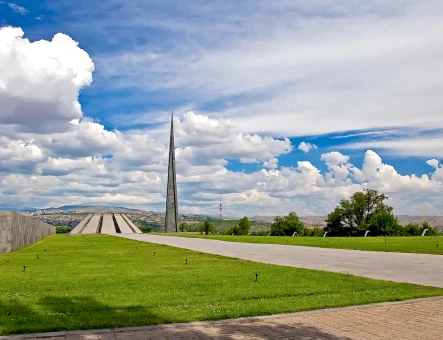
On the right bank of the Hrazdan River stands Tsitsernakaberd Hill, which is translated as "swallow's fortress" from Armenian. According to local folklore, these beautiful birds were love messengers of the Armenian pagan gods Vahagn and Astghik and lived on this hill.

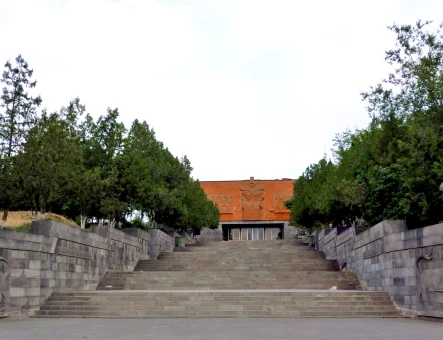
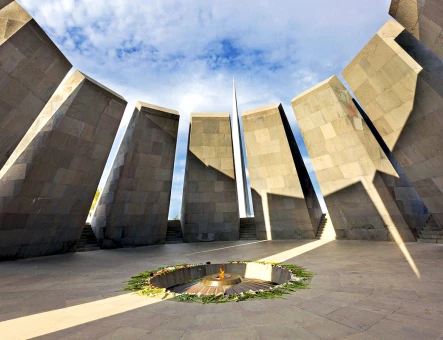
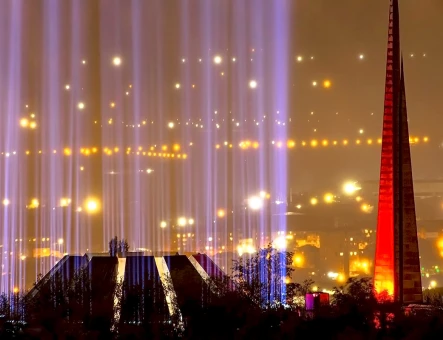
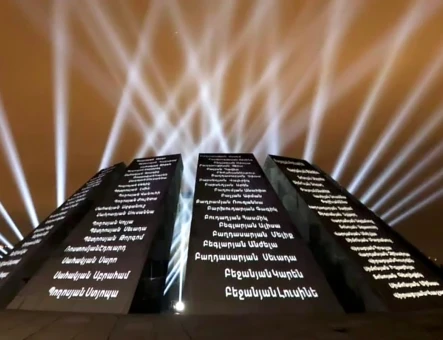
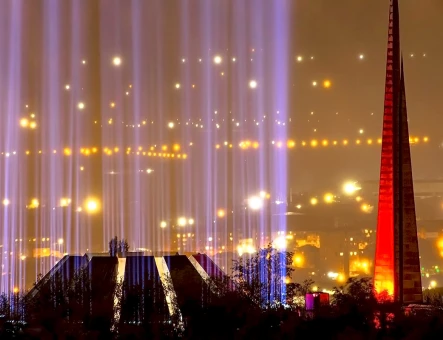
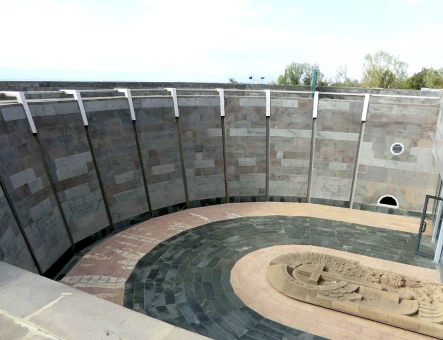
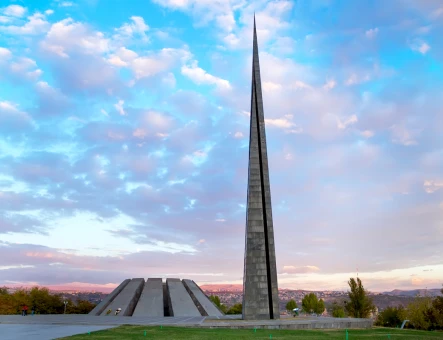
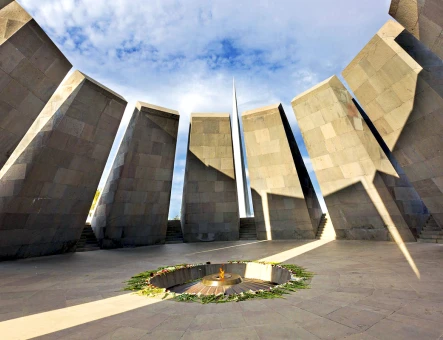
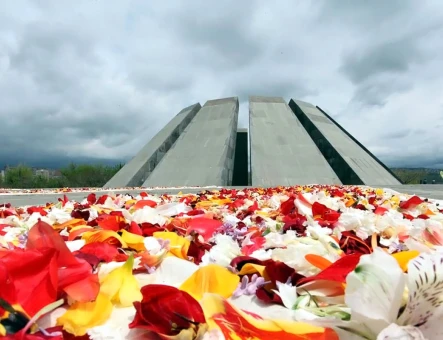
At this misterious place, where the sky seems to bow toward the earth, stands the memorial dedicated to the victims of the Armenian Genocide of 1915. Its austere lines and solemn forms appear as an extension of grief itself, carved forever in stone. The tall obelisk, rising upward, symbolizes not only the sorrow of loss but also the rebirth of a nation that rose from the ashes of tragedy.

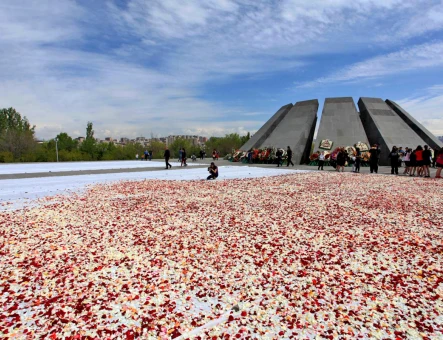
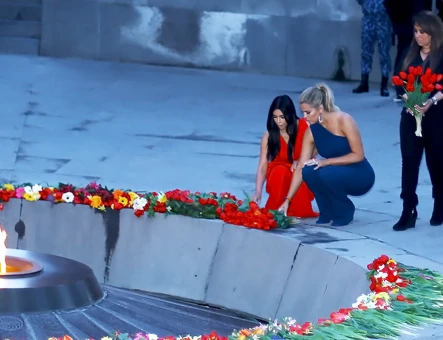
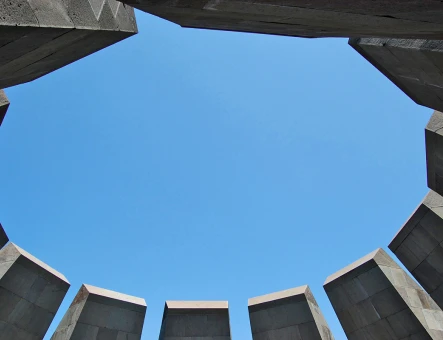
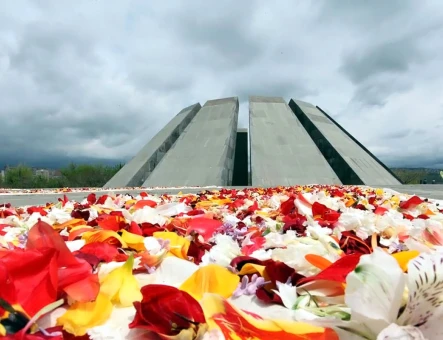
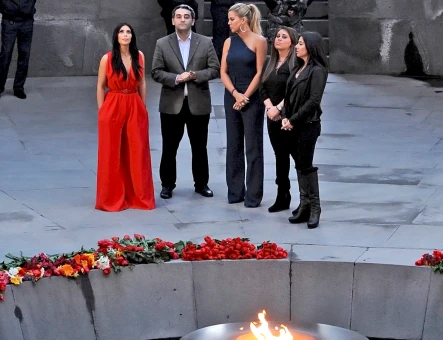
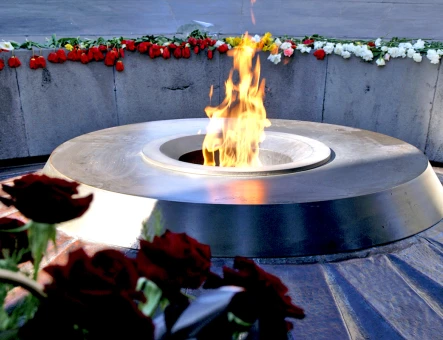
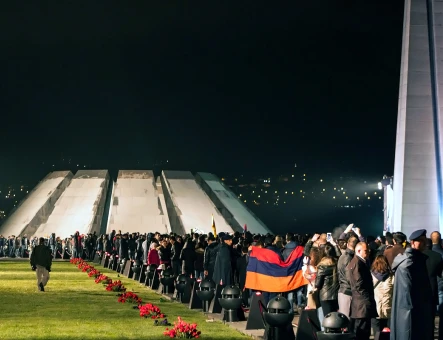
At the heart of the monument burns the eternal flame, sheltered beneath twelve leaning pylons that seem to mourn over their people. Each year, on April 24, thousands gather here – descendants of survivors and those who carry their memory – to lay flowers and unite in silence. On that day, the hill becomes covered with a red carpet of carnations and silence speaks louder than any words.

Tsitsernakaberd is not merely a monument, but the living heart of remembrance, resonating with pain, love and an undying hope. Here, every step is a reminder: time may pass, but memory remains eternal.

4. Armenian Genocide Museum
80-90 min
Attraction page
Armenian Genocide Museum Armenian Genocide Museum Armenian Genocide Museum Armenian Genocide Museum Armenian Genocide Museum Armenian Genocide Museum Armenian Genocide Museum Armenian Genocide Museum Armenian Genocide Museum Armenian Genocide Museum Armenian Genocide Museum Armenian Genocide Museum Armenian Genocide Museum Armenian Genocide Museum Armenian Genocide Museum Armenian Genocide Museum Armenian Genocide Museum Armenian Genocide Museum Armenian Genocide Museum Armenian Genocide Museum
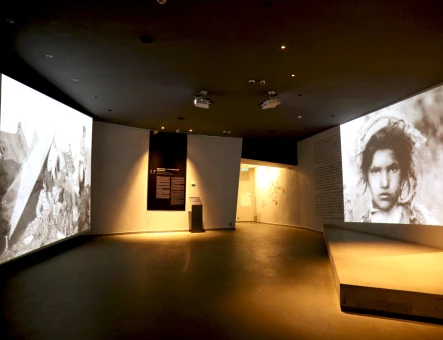
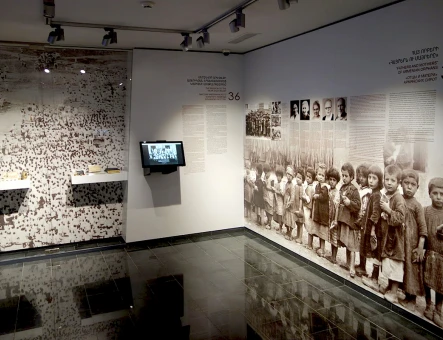
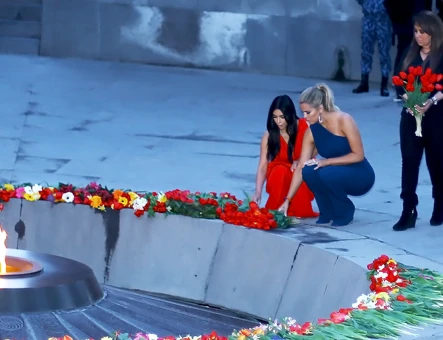
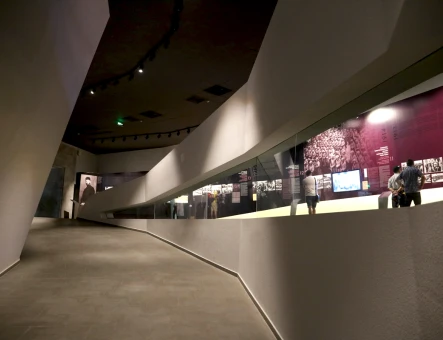
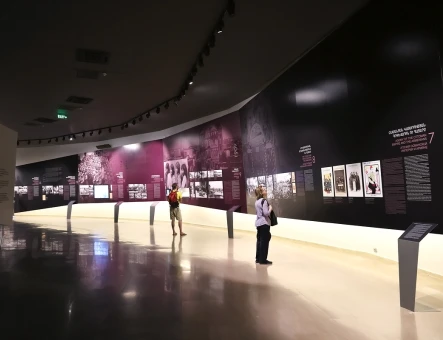
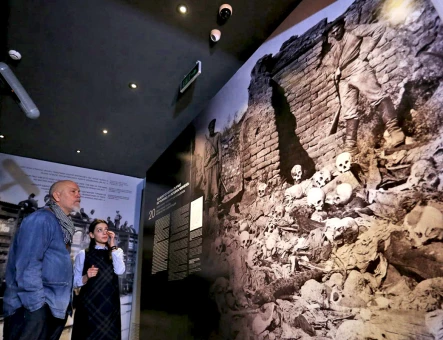
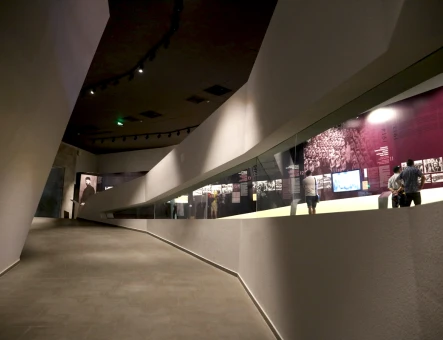
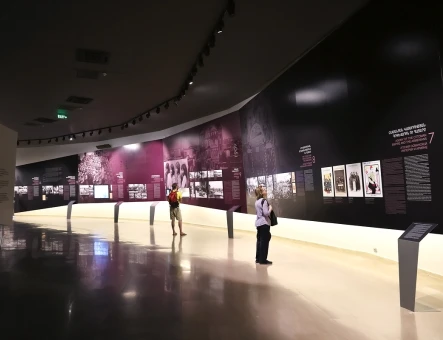
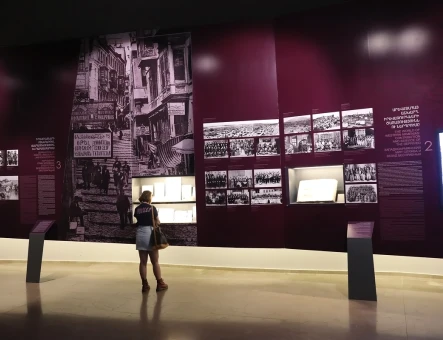
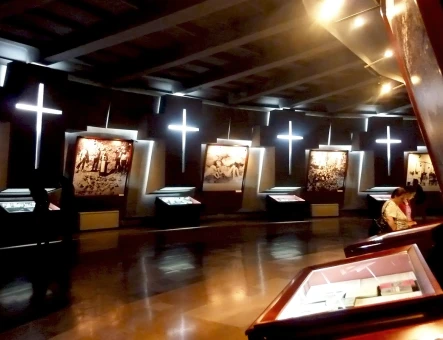
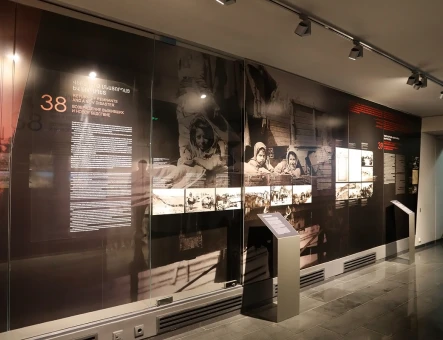
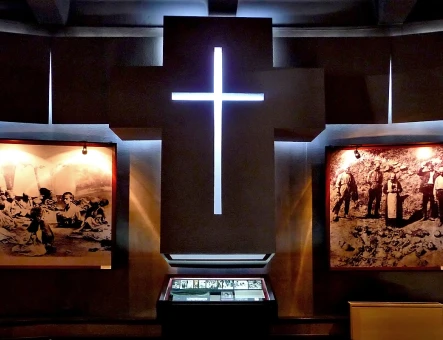
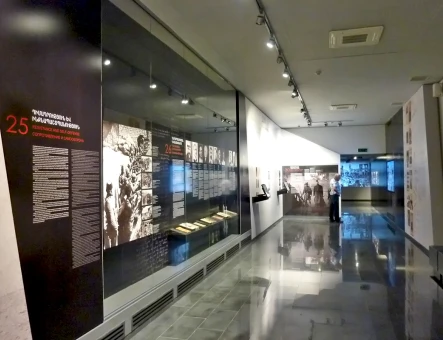
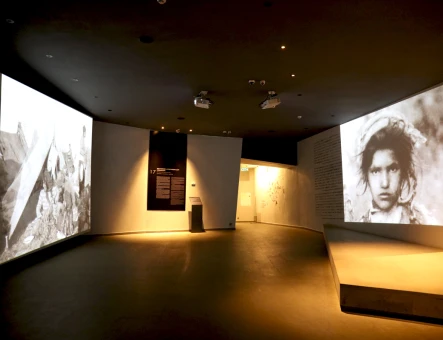
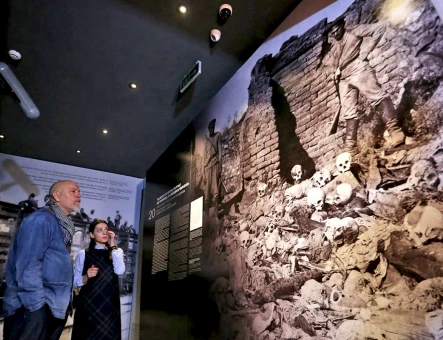
The Armenian Genocide Museum is an integral part of the Tsitsernakaberd Memorial Complex and plays a vital role in preserving historical memory. Its exhibitions reveal the tragic pages of 1915 through unique testimonies, photographs and documents collected from around the world.

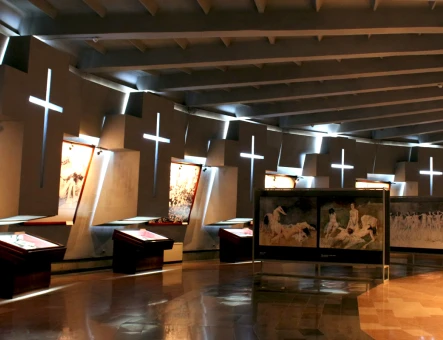
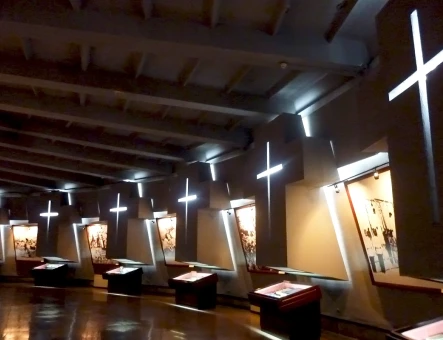
Visitors can see images taken by eyewitnesses, letters, archival materials and rare publications that convey the scale and depth of the catastrophe. The museum halls also feature documentary films as well as original international resolutions and parliamentary decisions from various countries that have condemned the genocide. Each exhibit becomes the voice of innocent victims, whose memory remains alive and demands to be heard.

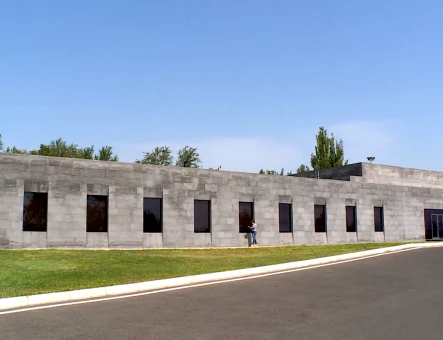
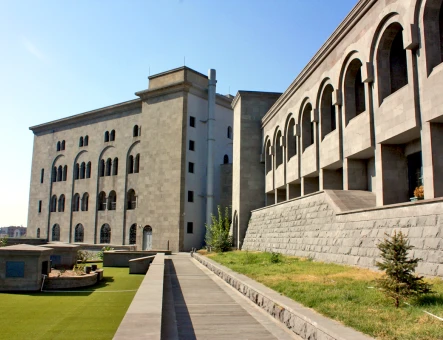
The atmosphere profoundly moves visitors, who leave with a sense of shared responsibility and a deep understanding of the importance of remembrance for the future. The building itself, with its austere architecture harmonizing with the memorial, reinforces the impression of dignity and grief.

The museum is not only a guardian of facts but also carries the mission of reminding humanity of the inadmissibility of repeating such tragedies. A visit here is both an unforgettable history lesson and an act of remembrance that unites generations.

5. Matenadaran – The Museum of Ancient Manuscripts
70-80 min
Attraction page
Matenadaran – The Museum of Ancient Manuscripts Matenadaran – The Museum of Ancient Manuscripts Matenadaran – The Museum of Ancient Manuscripts Matenadaran – The Museum of Ancient Manuscripts Matenadaran – The Museum of Ancient Manuscripts Matenadaran – The Museum of Ancient Manuscripts Matenadaran – The Museum of Ancient Manuscripts Matenadaran – The Museum of Ancient Manuscripts Matenadaran – The Museum of Ancient Manuscripts Matenadaran – The Museum of Ancient Manuscripts Matenadaran – The Museum of Ancient Manuscripts Matenadaran – The Museum of Ancient Manuscripts Matenadaran – The Museum of Ancient Manuscripts Matenadaran – The Museum of Ancient Manuscripts Matenadaran – The Museum of Ancient Manuscripts Matenadaran – The Museum of Ancient Manuscripts
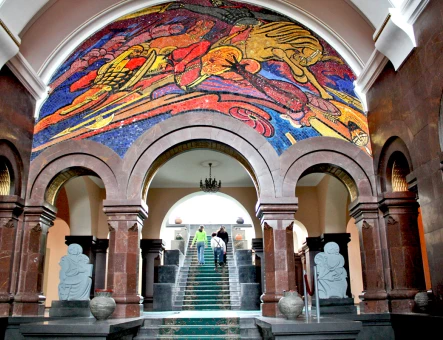
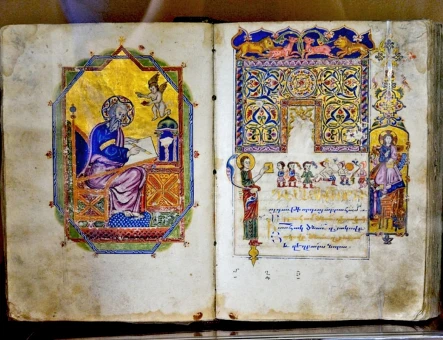
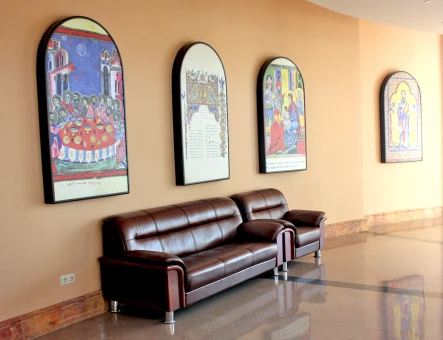
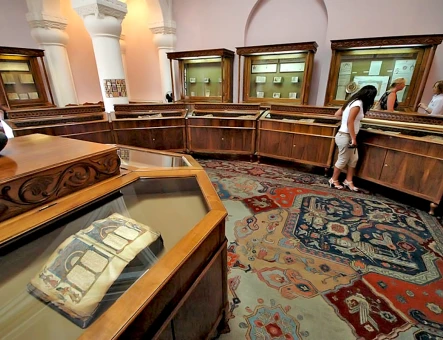
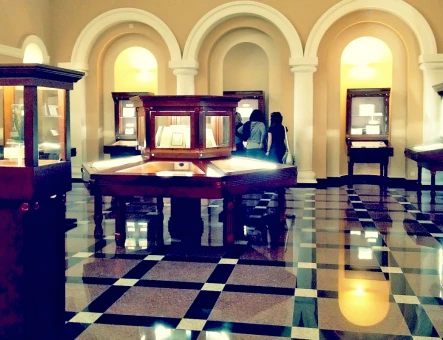
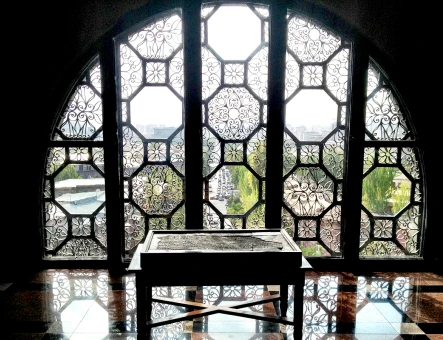
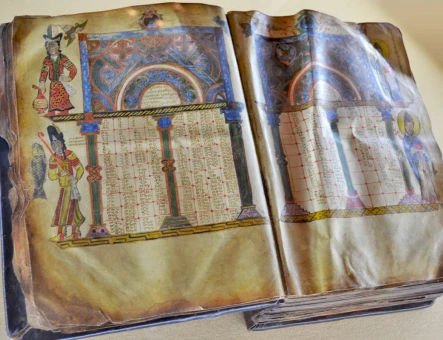
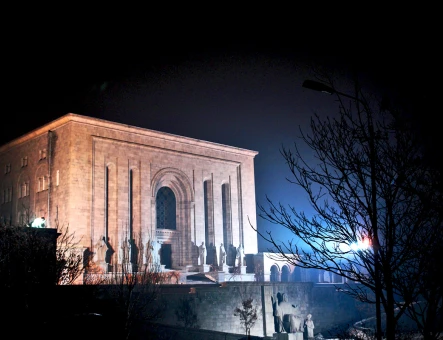
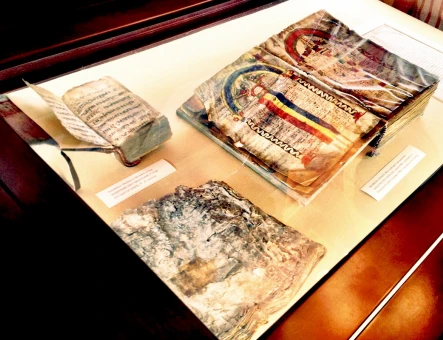
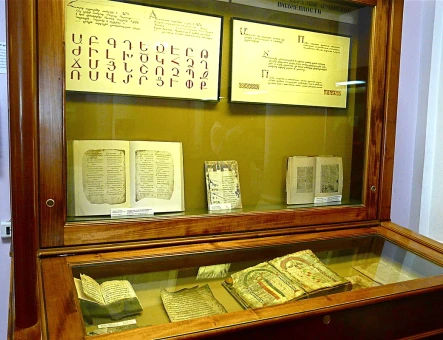
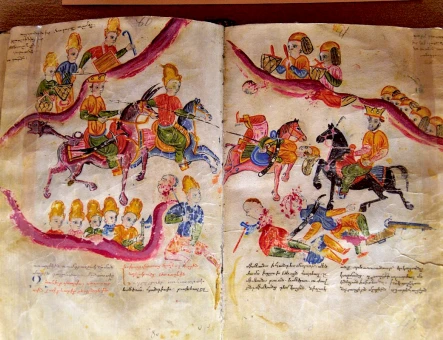
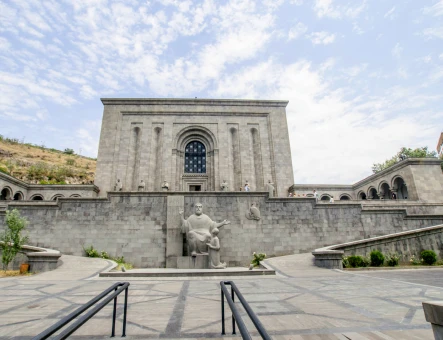
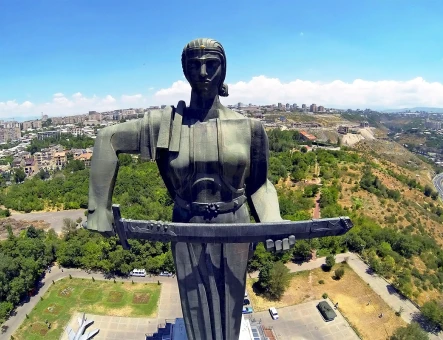
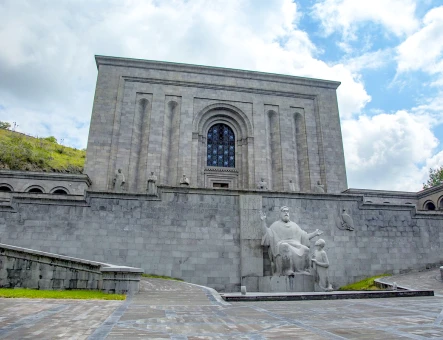
On the northern slope of Mashtots Avenue rises the Matenadaran guardian of Armenia's ancient wisdom and timeless secrets. Its very name, meaning "repository of manuscripts" in Classical Armenian, evokes an almost mythical treasury where each manuscript is a silent breath of the past. Here are preserved scrolls and codices once copied by the hands of monks in the glow of candlelight, passed down like sacred fire through generations. More than twenty thousand volumes and fragments open entire worlds to the reader from philosophical treatises and epic poems to medical manuals and celestial maps.

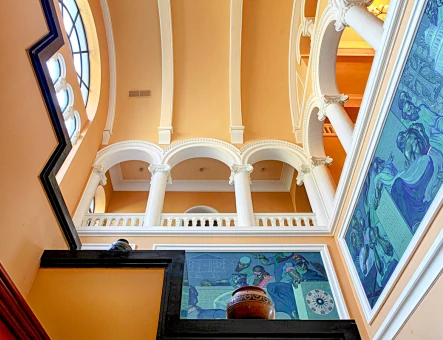
The building itself, designed in the mid-20th century by architect Mark Grigoryan, stands as a modern temple of knowledge monumental and austere, yet filled with the spirit of grandeur. At its entrance, visitors are greeted by the sculptural group of Mesrop Mashtots and his disciple Koryun, symbolizing the birth of Armenian writing. Above them, carved in stone, stand figures of great scholars and chroniclers from Movses Khorenatsi to Toros Roslin guardians of knowledge watching over the threshold.

Matenadaran is not merely a library, but a bridge between myth and history, past and present, eternity and the moment. Standing before its walls, one cannot help but feel that every stone and every manuscript is imbued with the soul of Armenia.

Inclusions

  • Professional drivers

  • Air-conditioned vehicles

  • Bottled water

  • Free pick-up & drop-off within Yerevan

  • Vehicle & passengers insurance

  • Extra stops on the route upon request

Exclusions

  • Significant deviations from the route

  • Alcoholic beverages if lunch option selected

  • Audio guides

  • Wi-Fi in the vehicles

Booking conditions

Cancellation & modification

Meet our Guides

Ani Mshecyan

Ani Mshecyan

RU

Good afternoon, dear friends! I'm a Russian-speaking tour guide since 2023, offering tours around Armenia. My main priority is the interests and preferences of our guests. Each tour is customized individually and takes place in a pleasant, friendly atmosphere. The excursions are as engaging, creative, and informative as possible. I'll be happy to meet you and share my knowledge about our beautiful country.

Alisa Grigoryan

Alisa Grigoryan

HY EN

Welcome! I'm Alisa, an experienced guide with a deep passion for the cultures of Armenia and Georgia. I look forward to sharing the rich history, breathtaking landscapes, and warm hospitality of our region with you.

Mariam Dabaghyan

Mariam Dabaghyan

RU FR HY

Hello! I'm Mariam, and I've been working as a tour guide since 2019. If you enjoy tours that are rich in content yet easy-going and never boring, then we're on the same path!

Arev Makhsudyan

Arev Makhsudyan

HY EN

My name is Arev (which means "Sun"). I am an English-speaking tour guide in Armenia, working since 2018. If you choose me as your guide, you will learn a lot about Armenian history, nature, culture, and traditions – and as a bonus, I'll perform Armenian traditional folk songs for you.

map