Private tour: St. Hripsime, St. Gayane, Echmiadzin Mother Cathedral, Yazidi Temple in Aknalich, Zvartnots

St. Hripsime Church, St. Gayane Church, Echmiadzin Mother Cathedral, Yazidi Temple in Aknalich, Zvartnots Temple

1. St. Hripsime Church
20-30 min
Attraction page
St. Hripsime Church St. Hripsime Church St. Hripsime Church St. Hripsime Church St. Hripsime Church St. Hripsime Church St. Hripsime Church St. Hripsime Church St. Hripsime Church St. Hripsime Church St. Hripsime Church St. Hripsime Church St. Hripsime Church St. Hripsime Church St. Hripsime Church St. Hripsime Church St. Hripsime Church St. Hripsime Church St. Hripsime Church St. Hripsime Church St. Hripsime Church
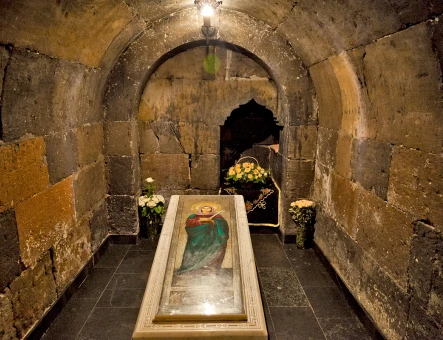
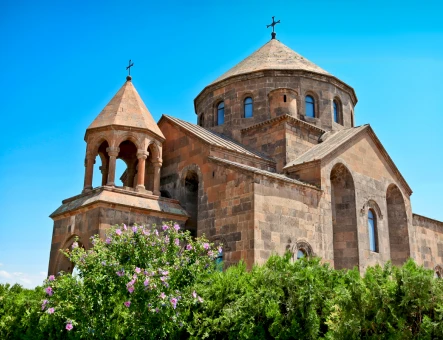
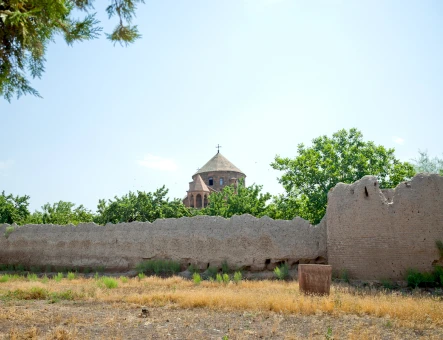
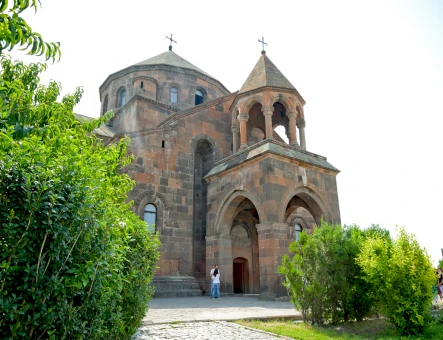
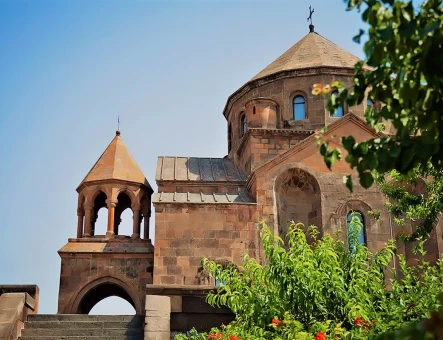
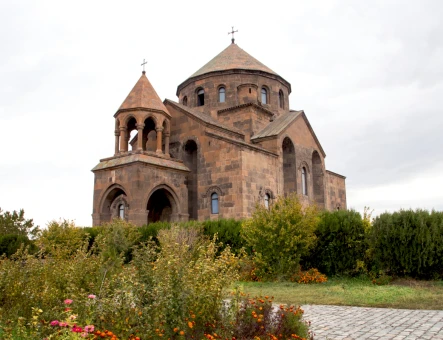
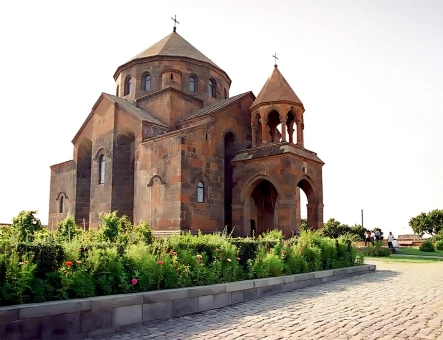
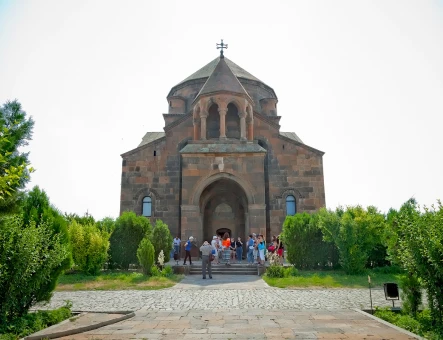
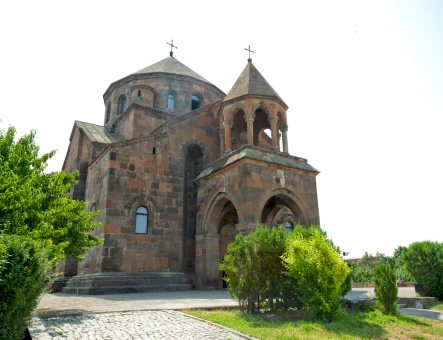
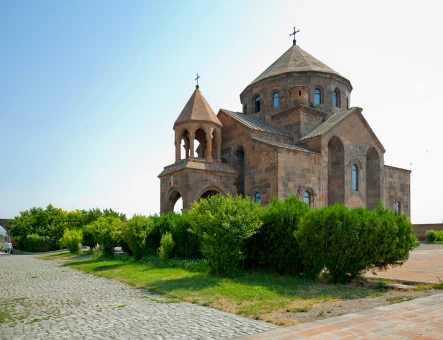
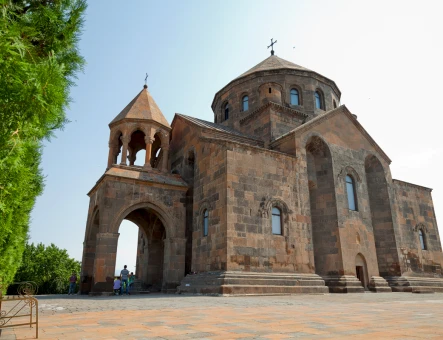
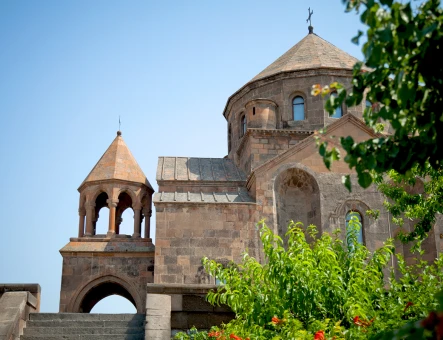
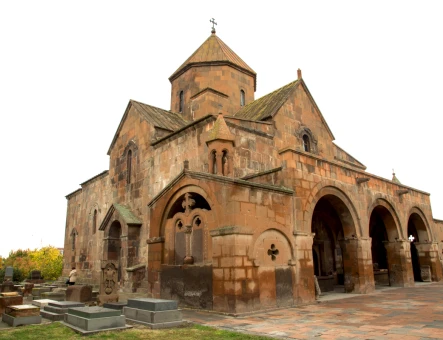
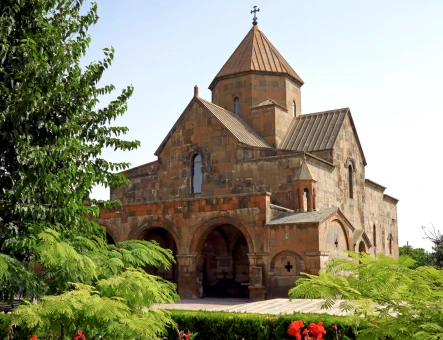
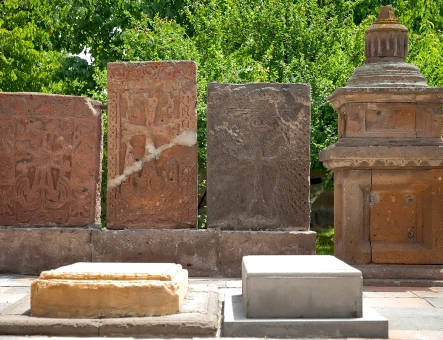
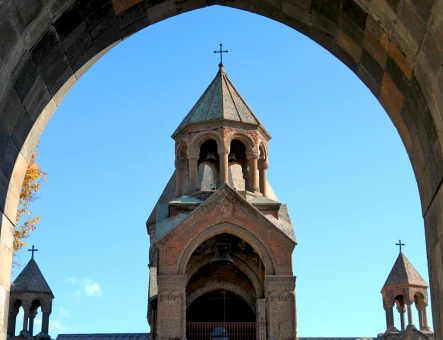
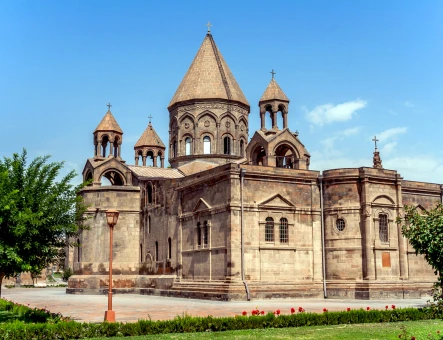
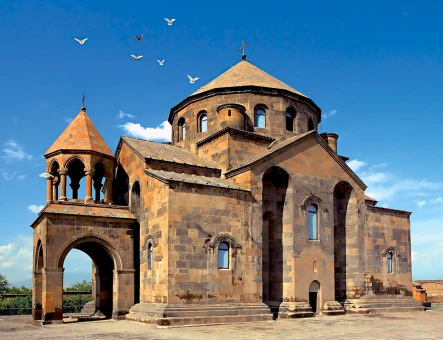
Before the gates of ancient Etchmiadzin, on a sunlit hill, rises the Church of Saint Hripsime – a stone testament to a love for God stronger than fear or death. Legend speaks of the beautiful Hripsime, whose heart belonged not to earthly passions but to her faith. King Tiridates III, captivated by her beauty, offered her his hand and throne. Hripsime refused, choosing instead the path of devotion to Christ. Enraged, the king ordered her to be tortured and executed, and the ground that drank her blood became sacred.

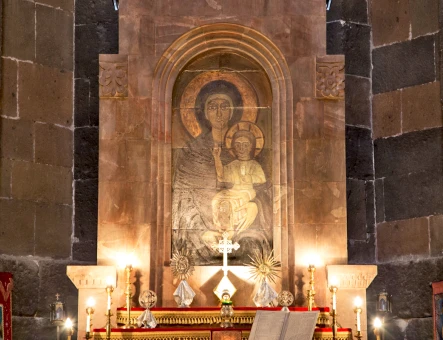
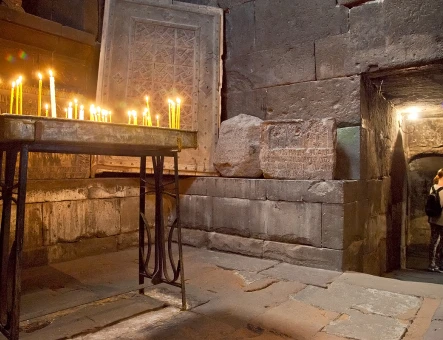
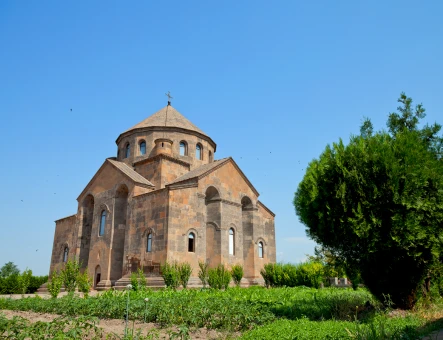
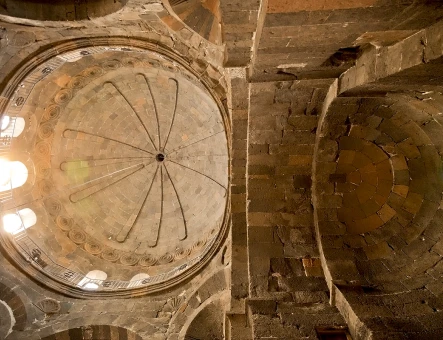
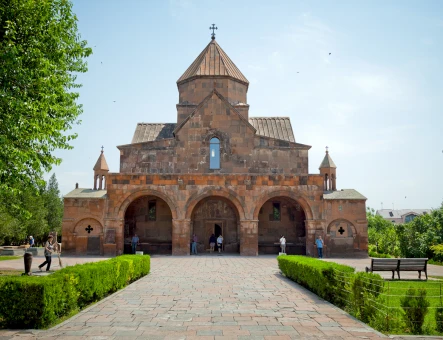
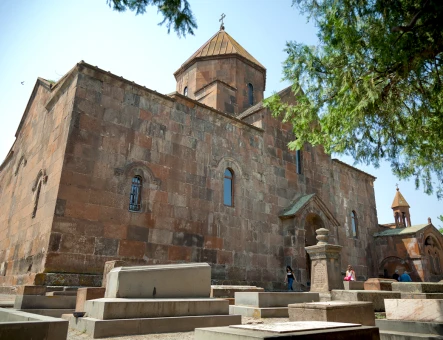
In the 7th century, a church was built here to guard her memory and eternal rest. Its massive stone walls reflect the grandeur of cross-domed Armenian architecture, and its austere silhouette, visible from afar, seems to call travelers toward it. Inside, beneath the altar, rest the relics of the martyr, and all who kneel here in prayer feel the power of her spirit.

Whether pilgrim or wanderer, each person leaves with the sense of having touched something eternal. Today, listed as a UNESCO World Heritage Site, the Church of Saint Hripsime remains a beacon of faith and an enduring symbol of unwavering devotion to the ideals for which she gave her life.

2. St. Gayane Church
20-30 min
Attraction page
St. Gayane Church St. Gayane Church St. Gayane Church St. Gayane Church St. Gayane Church St. Gayane Church St. Gayane Church St. Gayane Church St. Gayane Church St. Gayane Church St. Gayane Church St. Gayane Church St. Gayane Church St. Gayane Church St. Gayane Church St. Gayane Church St. Gayane Church St. Gayane Church St. Gayane Church St. Gayane Church
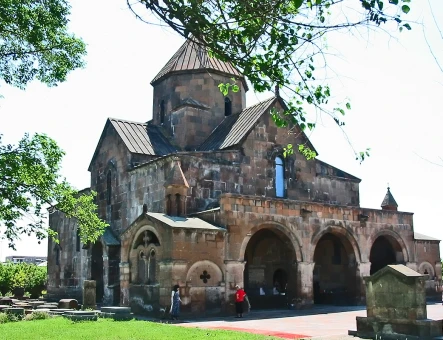
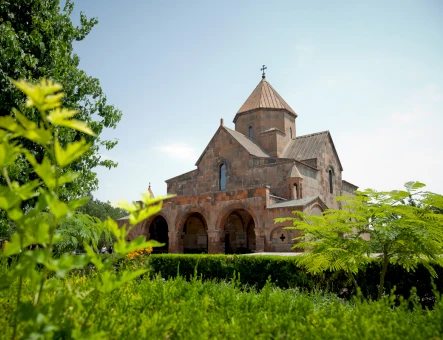
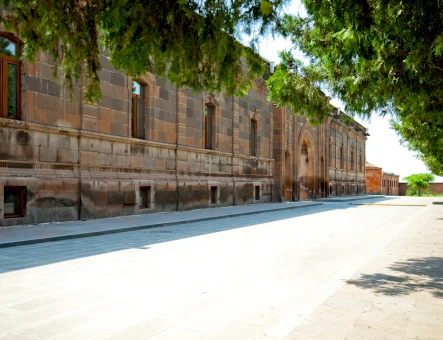
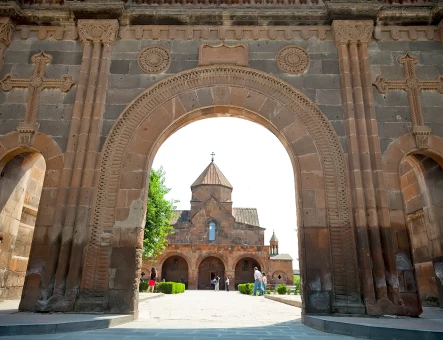
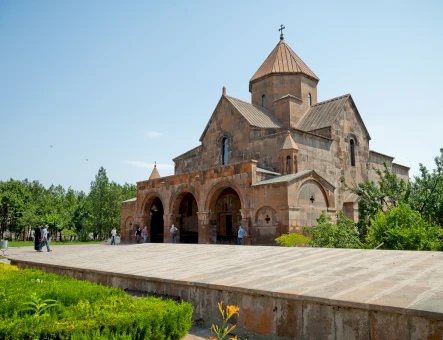
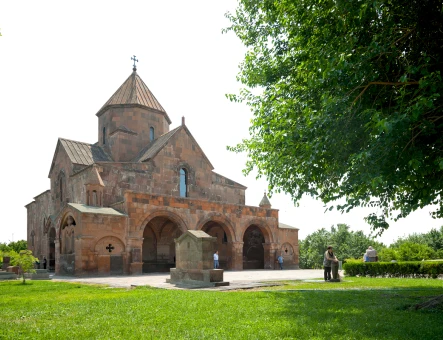
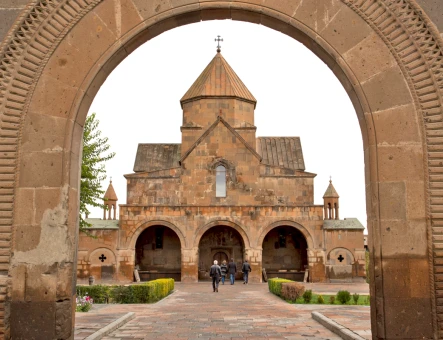
Among the sacred landmarks of Etchmiadzin, the Church of Saint Gayane stands out as a quiet guardian of the memory of the first Christian martyrs. Rising just south of the Mother Cathedral, it marks the place where, according to tradition, the blood of Gayane, the mentor of Saint Hripsime, was shed in her ultimate testimony of faith.

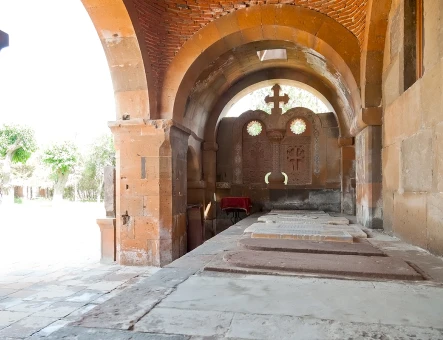
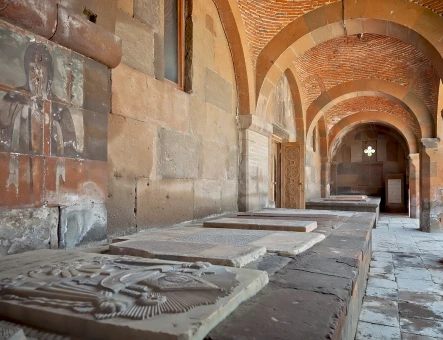
In 630 AD, Catholicos Ezr ordered the construction of this church to honor the steadfast woman whose courage became a symbol of early Christianity in Armenia. Its architecture is serene and harmonious – a domed basilica that has endured through centuries. In 1652, it underwent a careful restoration, retaining its noble simplicity, and later, a funerary gallery for high‑ranking clergy was added to the western façade, where every stone seems to breathe history.

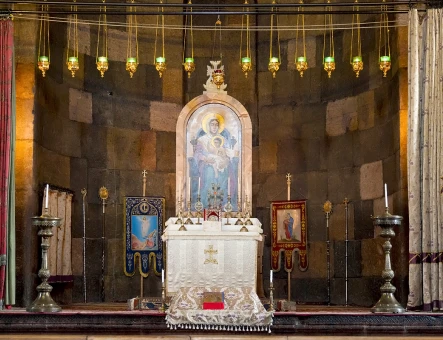
Inside, the southern chapel near the altar enshrines the relics of Saint Gayane, and the profound silence of the church feels like a veil over her eternal rest. Sunlight streaming through narrow windows dances across the ancient walls, creating the sense that time has stopped within.

This church is not only a spiritual symbol but also a part of world heritage: it is inscribed on the UNESCO World Heritage List, and every visit here feels like a pilgrimage to the very roots of Armenian faith.

3. Etchmiadzin Mother Cathedral
50-60 min
Attraction page
Etchmiadzin Mother Cathedral Etchmiadzin Mother Cathedral Etchmiadzin Mother Cathedral Etchmiadzin Mother Cathedral Etchmiadzin Mother Cathedral Etchmiadzin Mother Cathedral Etchmiadzin Mother Cathedral Etchmiadzin Mother Cathedral Etchmiadzin Mother Cathedral Etchmiadzin Mother Cathedral Etchmiadzin Mother Cathedral Etchmiadzin Mother Cathedral Etchmiadzin Mother Cathedral Etchmiadzin Mother Cathedral Etchmiadzin Mother Cathedral Etchmiadzin Mother Cathedral Etchmiadzin Mother Cathedral Etchmiadzin Mother Cathedral Etchmiadzin Mother Cathedral Etchmiadzin Mother Cathedral Etchmiadzin Mother Cathedral Etchmiadzin Mother Cathedral Etchmiadzin Mother Cathedral Etchmiadzin Mother Cathedral Etchmiadzin Mother Cathedral
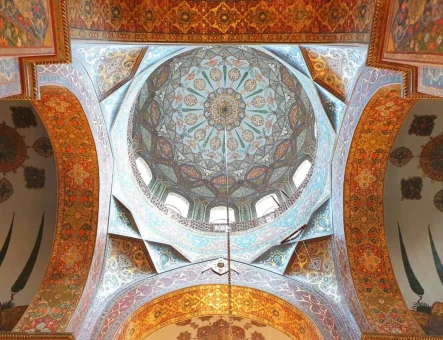
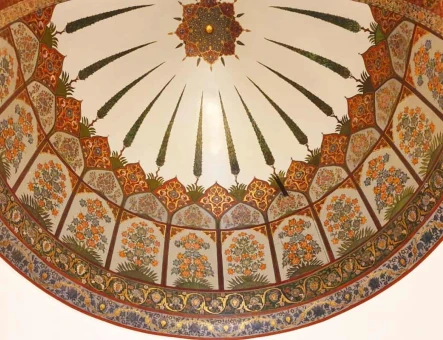
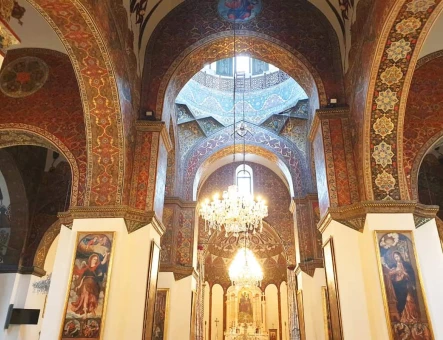
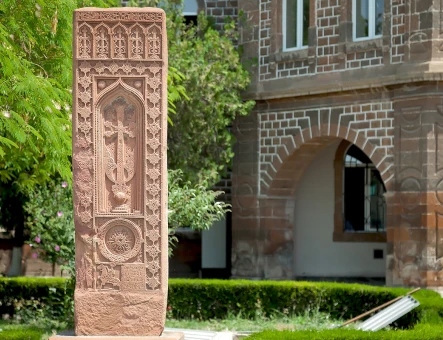
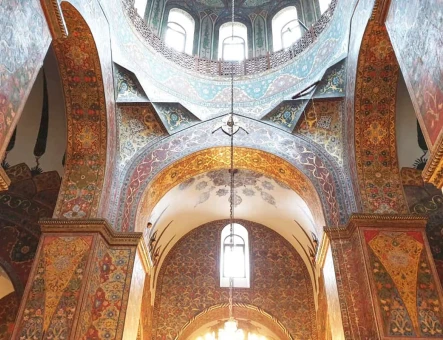
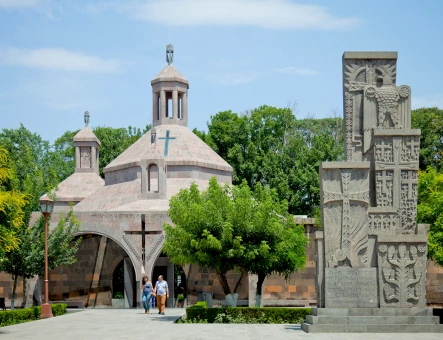
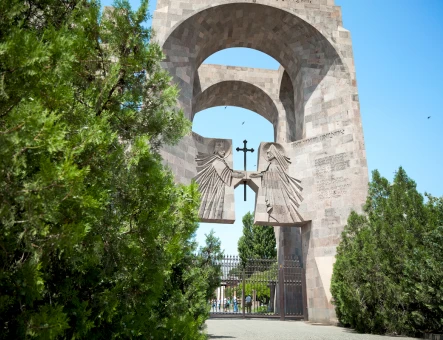
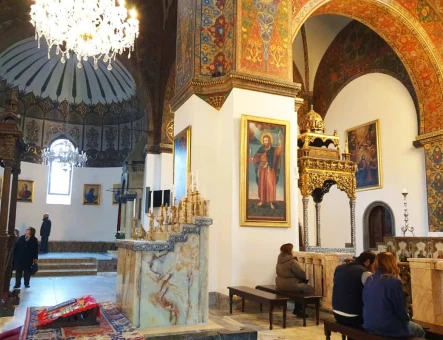
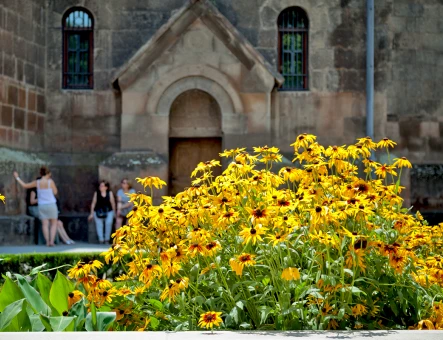
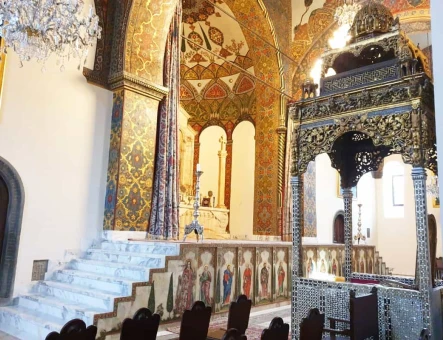
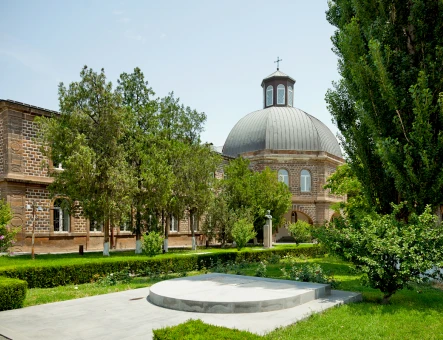
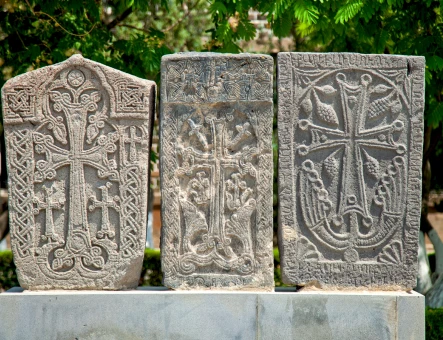
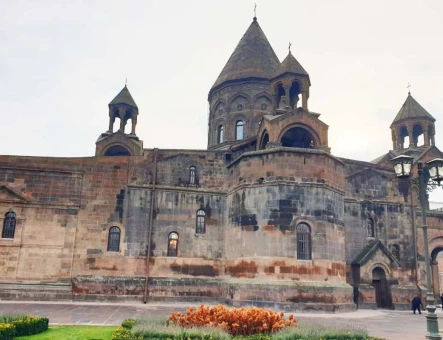
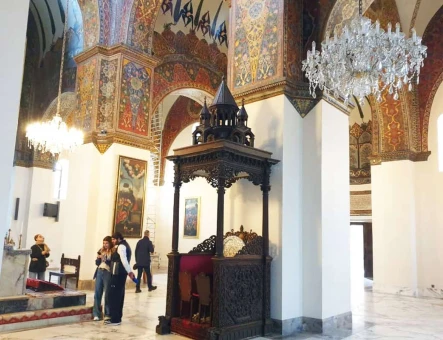
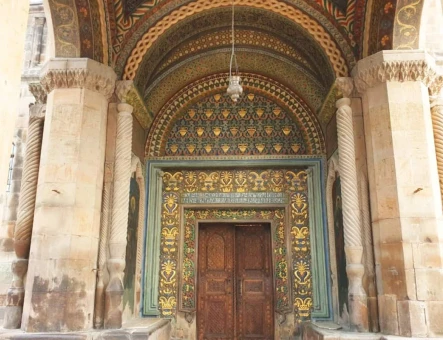
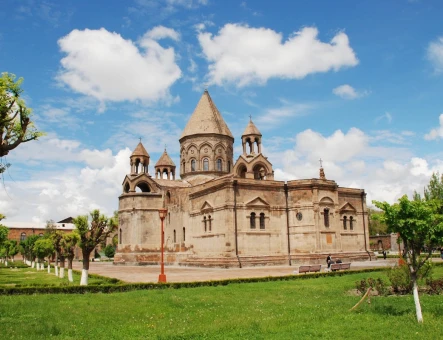
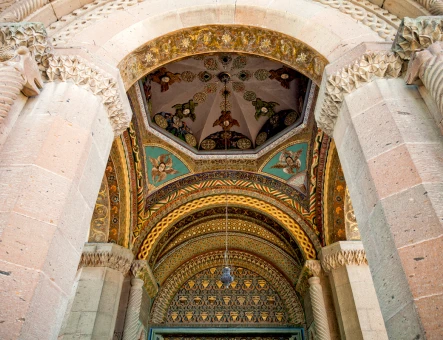
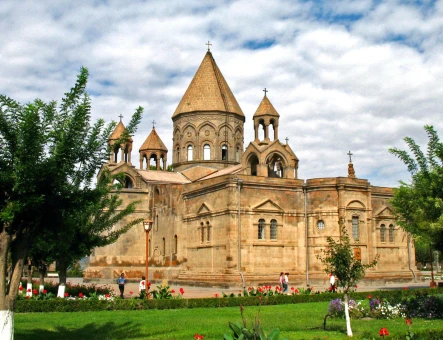
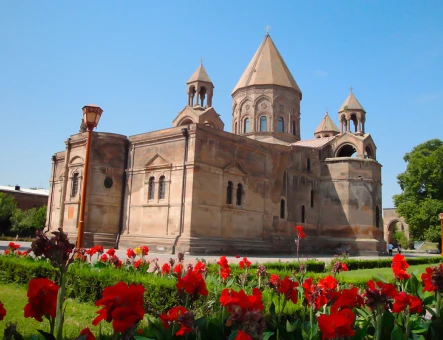
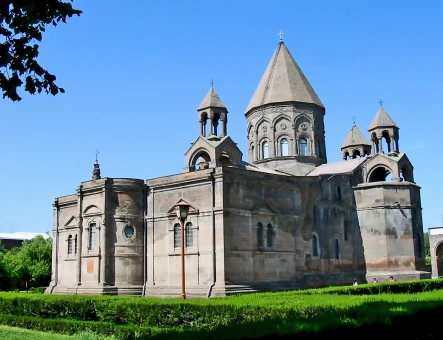
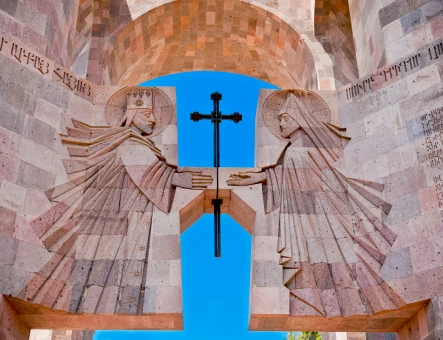
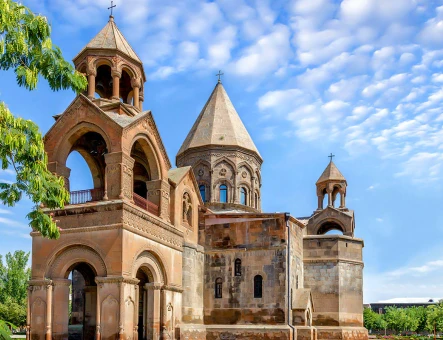
On the silent expanse of an ancient plain, beneath the watchful gaze of the mountains, rises the Mother See of Etchmiadzin a sanctuary where, legend says, heaven once touched the earth. According to tradition, Saint Gregory the Illuminator saw Christ in a vision, holding a golden hammer, striking the ground to reveal the place where a cathedral must be built. Thus was born Etchmiadzin "The Only Begotten Descended" destined to become the spiritual heart of Armenia.

Erected in the 4th century, soon after Armenia became the first nation to adopt Christianity as its state religion, it has stood as a symbol of faith and everlasting hope. Its walls have witnessed coronations and mourning rites, heard the prayers of kings and humble pilgrims alike, and each stone carries the breath of centuries.

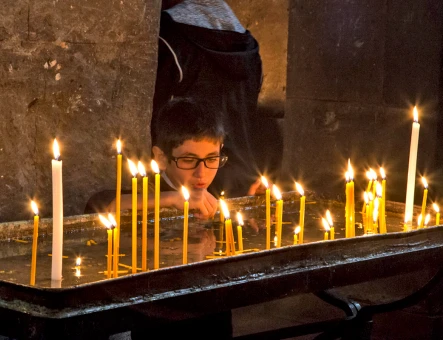
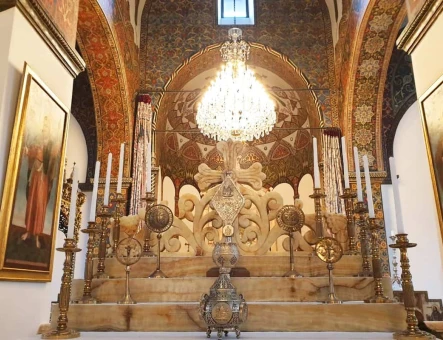
Surrounding the cathedral stand three churches Saint Hripsime, Saint Gayane, and Saint Shoghakat built in honor of martyred virgins whose sacrifice consecrated this land. Inside, the air is infused with the scent of incense, the gentle glow of oil lamps, and the murmurs of age-old prayers. Here, time loses its grip, and one feels part of a greater story, where faith, sacrifice, and love are bound together.

Today, included in the UNESCO World Heritage List, Etchmiadzin continues to shine as a spiritual beacon guiding countless hearts.

4. Yazidi Temple in Aknalich
20-30 min
Attraction page
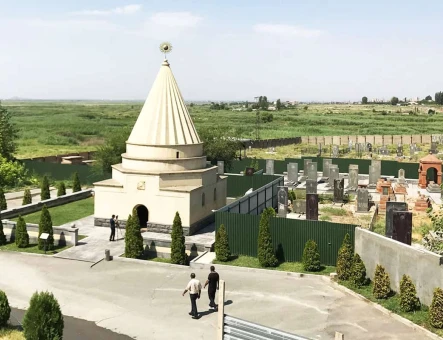
Yazidi Temple in Aknalich Yazidi Temple in Aknalich Yazidi Temple in Aknalich Yazidi Temple in Aknalich Yazidi Temple in Aknalich Yazidi Temple in Aknalich Yazidi Temple in Aknalich Yazidi Temple in Aknalich
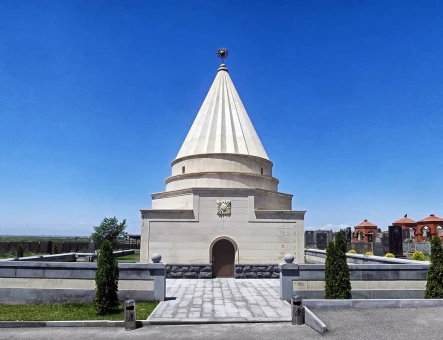
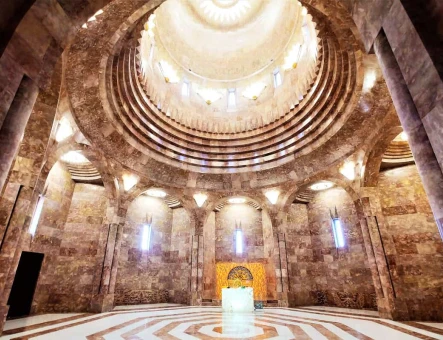
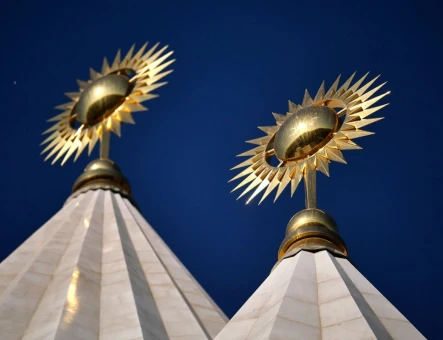
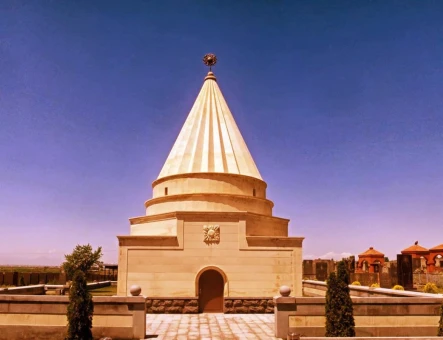
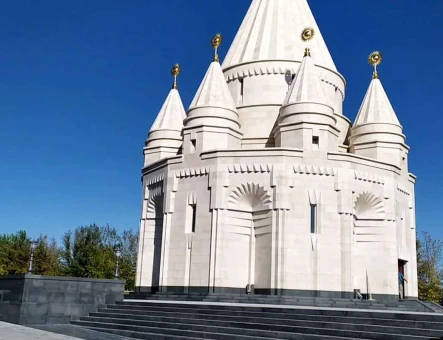
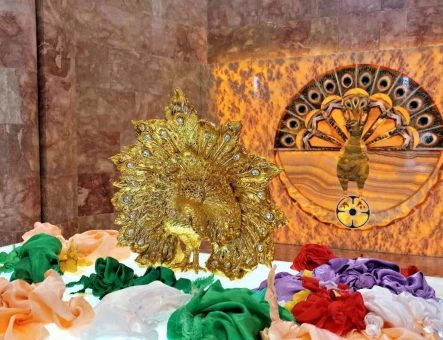
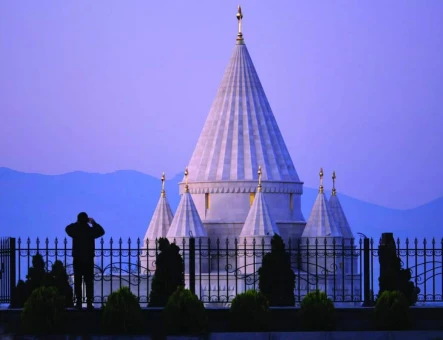
The Yazidi Temple in Aknalich, known as Quba Mêrê Dîwanê, is the world's largest Yazidi temple and serves as a central hub for the Yazidi community. Built in the early 20th century, this grand structure features traditional Yazidi architectural elements, including a central altar and intricate carvings. It plays a crucial role in Yazidi worship, especially during key rituals and festivals like the Yazidi New Year. Despite facing preservation challenges, Quba Mêrê Dîwanê remains a powerful symbol of Yazidi spiritual and cultural resilience.

5. Zvartnots Temple
30-40 min
Attraction page
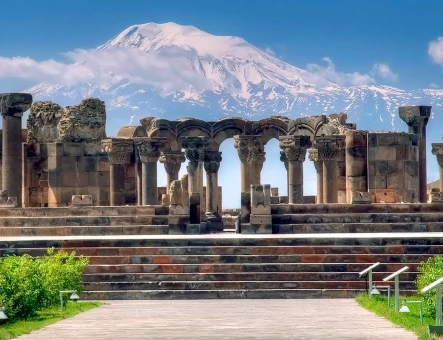
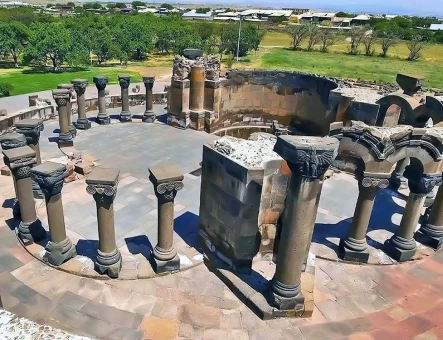
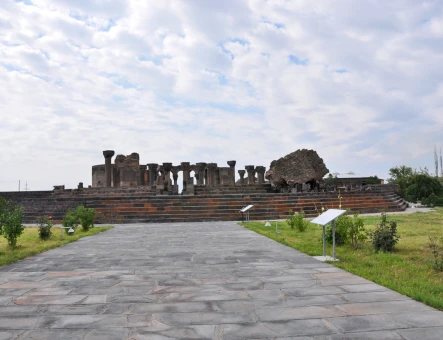
Zvartnots Temple Zvartnots Temple Zvartnots Temple Zvartnots Temple Zvartnots Temple Zvartnots Temple Zvartnots Temple Zvartnots Temple Zvartnots Temple Zvartnots Temple Zvartnots Temple Zvartnots Temple Zvartnots Temple Zvartnots Temple Zvartnots Temple Zvartnots Temple Zvartnots Temple Zvartnots Temple Zvartnots Temple Zvartnots Temple Zvartnots Temple Zvartnots Temple Zvartnots Temple Zvartnots Temple Zvartnots Temple Zvartnots Temple Zvartnots Temple Zvartnots Temple
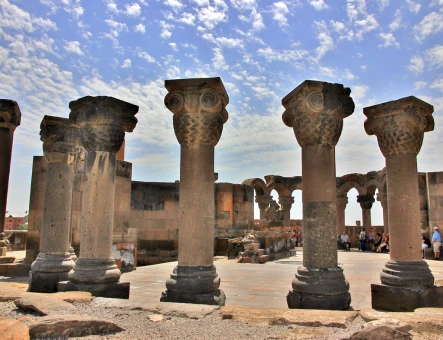
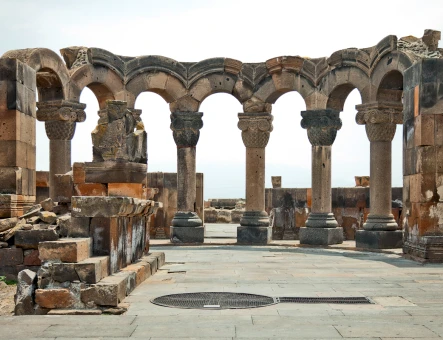
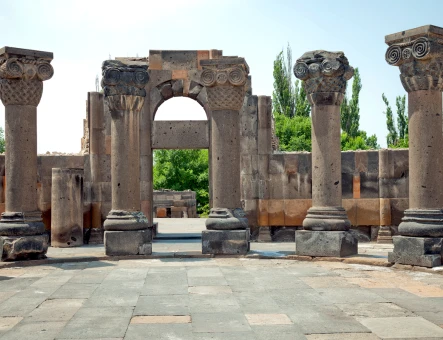
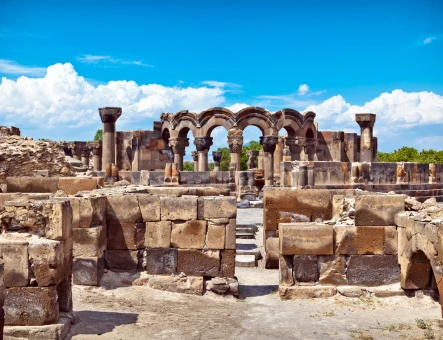
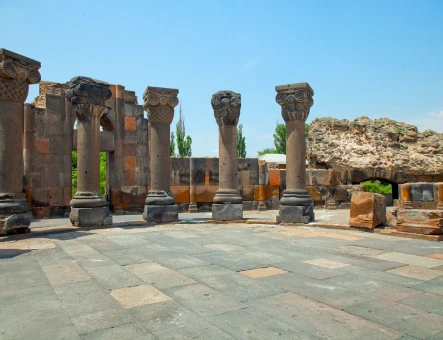
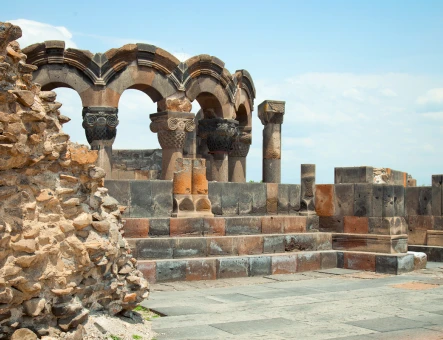
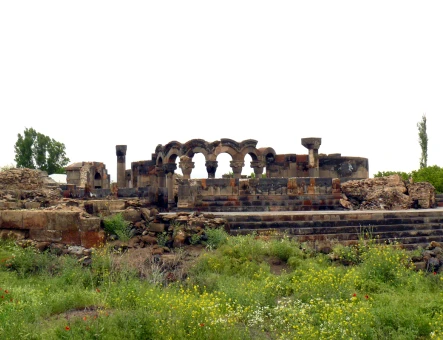
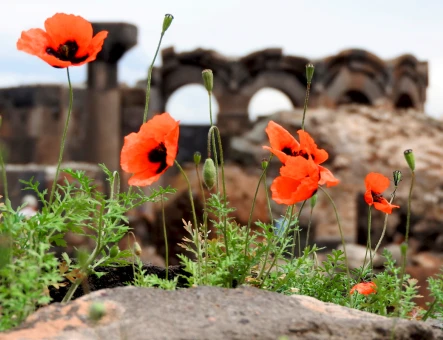
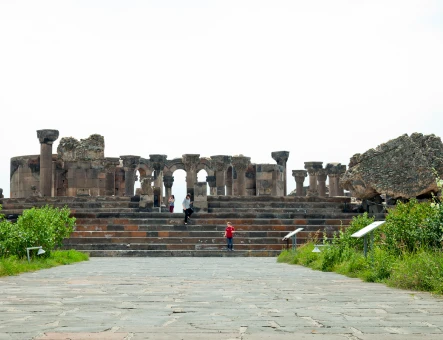
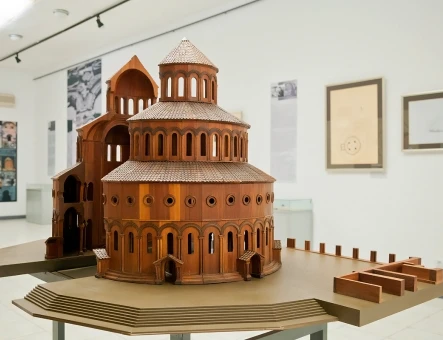
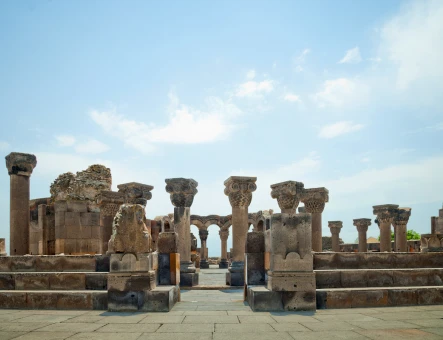
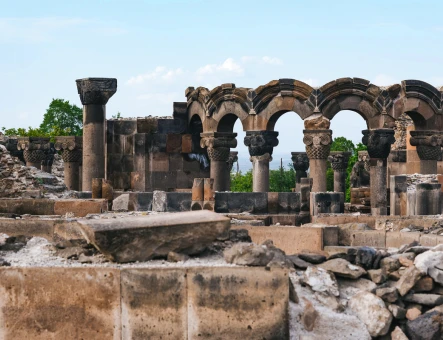
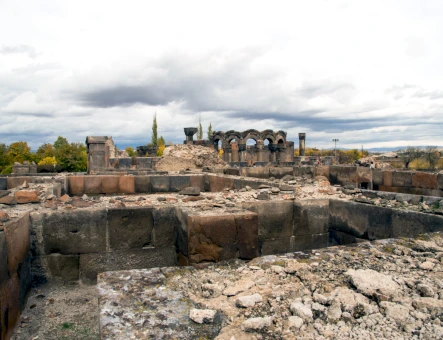
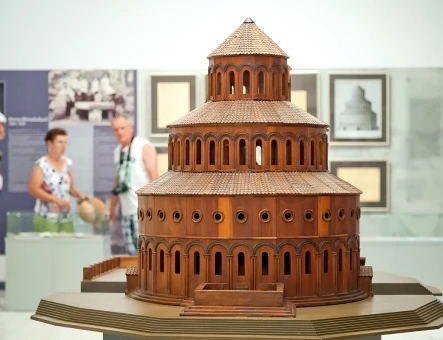
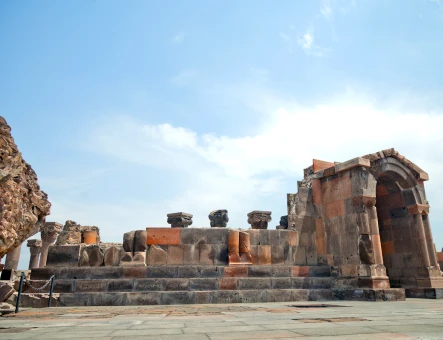
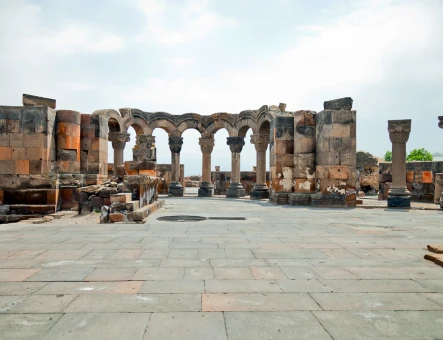
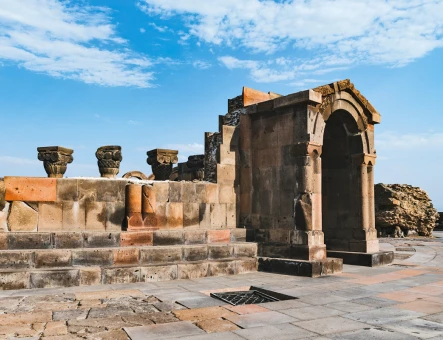
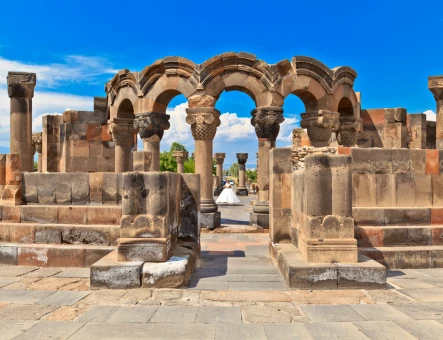
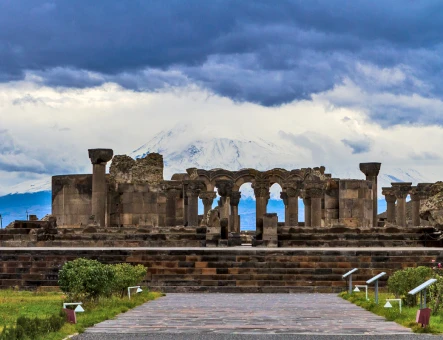
Amid the plains of Armavir, with the majestic Mount Ararat rising in the distance, once stood Zvartnots – a 7th-century masterpiece that embodied the bold vision and brilliance of Armenian architects. Built upon towering columns, it astonished the world with its intricate design and grandeur that seemed centuries ahead of its time. For more than three hundred years, Zvartnots stood as a marvel, until an earthquake in the 10th century reduced it to silent ruins, leaving behind the enigma of a vanished wonder.

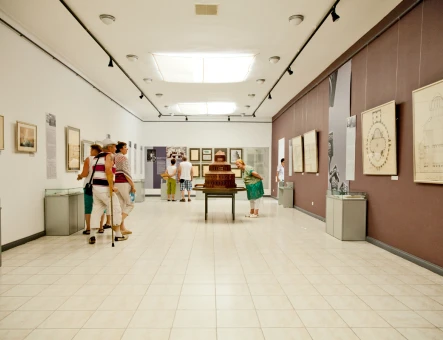
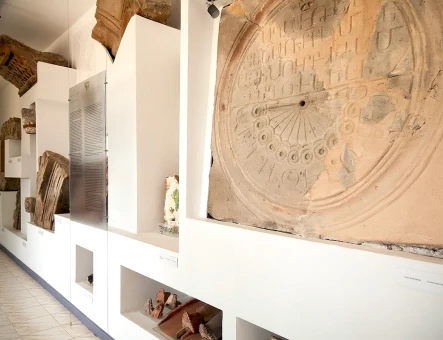
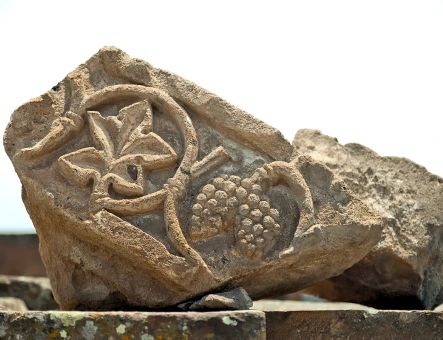
It wasn't until the early 20th century that renowned architect Toros Toramanian, during archaeological excavations, pieced together its image from scattered fragments, offering a daring reconstruction. Many scholars of the era doubted such a monumental structure could have been built in the 7th century. The unexpected proof came from France: a relief in Paris's Sainte-Chapelle depicting Zvartnots with Noah's Ark in the background, perfectly matching Toramanian's vision.

Its name means "Temple of the Vigilant Angels" – and even now, in ruins, it preserves the majesty of its age. Recognized as a UNESCO World Heritage Site, Zvartnots remains a place where stones whisper stories, and the imagination rebuilds a miracle lost to time.

Inclusions

  • Professional drivers

  • Air-conditioned vehicles

  • Bottled water

  • Free pick-up & drop-off within Yerevan

  • Vehicle & passengers insurance

  • Extra stops on the route upon request

Exclusions

  • Significant deviations from the route

  • Alcoholic beverages if lunch option selected

  • Audio guides

  • Wi-Fi in the vehicles

Booking conditions

Cancellation & modification

Meet our Guides

Hasmik Manukyan

Hasmik Manukyan

RU DE

My name is Hasmik Manukyan. I have extensive experience and hold a tour guide license. I conduct excursions in two languages – Russian and German. I completed guide-interpreter courses in Yerevan, advanced training courses at the Institute for Continuing Education in Moscow and participated in an international training program, for which I hold certificates. I love my job and meeting new people. Every time, I’m delighted to introduce guests to the beauty and landmarks of my country, striving to ensure they leave satisfied, in love with Armenia and eager to return again.

Gayane Harutyunyan

Gayane Harutyunyan

HY EN IT

Armenia should be visited with an open heart. As your guide, I don’t just offer tours – I create meaningful experiences that connect you deeply with Armenia’s history, culture, and people. With genuine love for my country, passion for its stories, and local insight, I make every journey personal, engaging and unforgettable – turning every place into a living memory you’ll carry with you.

Manya Gevorgyan

Manya Gevorgyan

RU HY EN

I have been a tour guide since 2015. To this day, every excursion is a great source of positive energy for me. During the tours, you will not only get acquainted with the sights, the country's history, and its architectural features, but also feel the full charm of the Armenian emotional mindset and lifestyle.

Anahit Aslanyan

Anahit Aslanyan

RU

Education – musical-pedagogical and cultural studies. I have worked in the fields of tourism, education, and culture in Russia and Armenia. Currently, I work as a guide at the Armenian Genocide Museum-Institute and in the company "Hyur Service". As a person with a humanities education and a cultural studies mindset, I strive to present my homeland as comprehensively as possible so that visitors gain a general impression of the history and art of the Armenian people. I pay special attention to mental and cultural characteristics to make every visitor's stay in Armenia comfortable and positive. I continue to study and share new knowledge.

map