


Armenia
-
Travel Guide
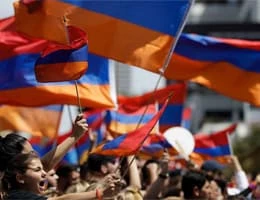
Planning a trip to Armenia? At Hyur Service, we believe every traveler arrives as a guest and leaves as a friend. To help you navigate your adventure with ease, we've gathered the most essential tips, local secrets and practical answers to the questions travelers ask most often – from visas, safety and transportation to food, culture, costs and the best places to visit. For specific details on how to book our tours, payment methods and reservation policies, please visit our Frequently Asked Questions (FAQ) page. Whether you are searching for the perfect view of Mount Ararat, wondering where to find the best local khorovats, or simply want to know what to expect before you arrive, this guide is designed to help you plan with confidence and explore Armenia like a local. -
Attractions & Activities
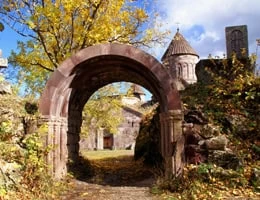
Explore the best places to visit in Armenia with one guide to the country's top attractions and activities. From Yerevan sightseeing, Garni Temple, Geghard Monastery, Lake Sevan and Tatev Monastery to waterfalls, mountains, museums, wine experiences and UNESCO-listed sites, this page helps you discover both must-see landmarks and lesser-known gems across Armenia. Use the filters to browse by region, category, distance from Yerevan, popularity and admission fee, then check opening hours, ticket prices and map location to plan your trip and build your itinerary with ease. -
Restaurants & Clubs
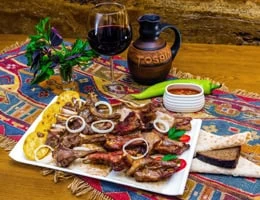
Discover the best restaurants, bars and clubs in Armenia in one guide to the country's top dining and nightlife venues. From traditional Armenian cuisine and cozy restaurants in Yerevan to wine houses, cafes, beerhouses and stylish spots across the regions, this page helps you find where to eat, drink and enjoy a memorable night out in Armenia. Use the filters to browse venues by region, type, cuisine and amenities, then check working hours, address and map location to plan your culinary experience with ease. -
Festivals & Holidays
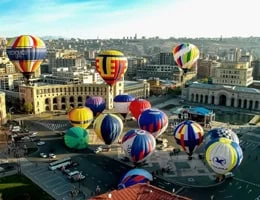
Festivals, holidays and cultural events are among the best ways to experience Armenia's traditions, food and local spirit throughout the year. From "Yerevan Wine Days", Yerevan Color Festival and music events to berry festivals, harvest celebrations and other local traditions, this page helps you find the most interesting festivals and events across Armenia and choose the best time for your visit. Browse by date and check practical details such as location, event date, start time and participation fee to plan your trip with ease.